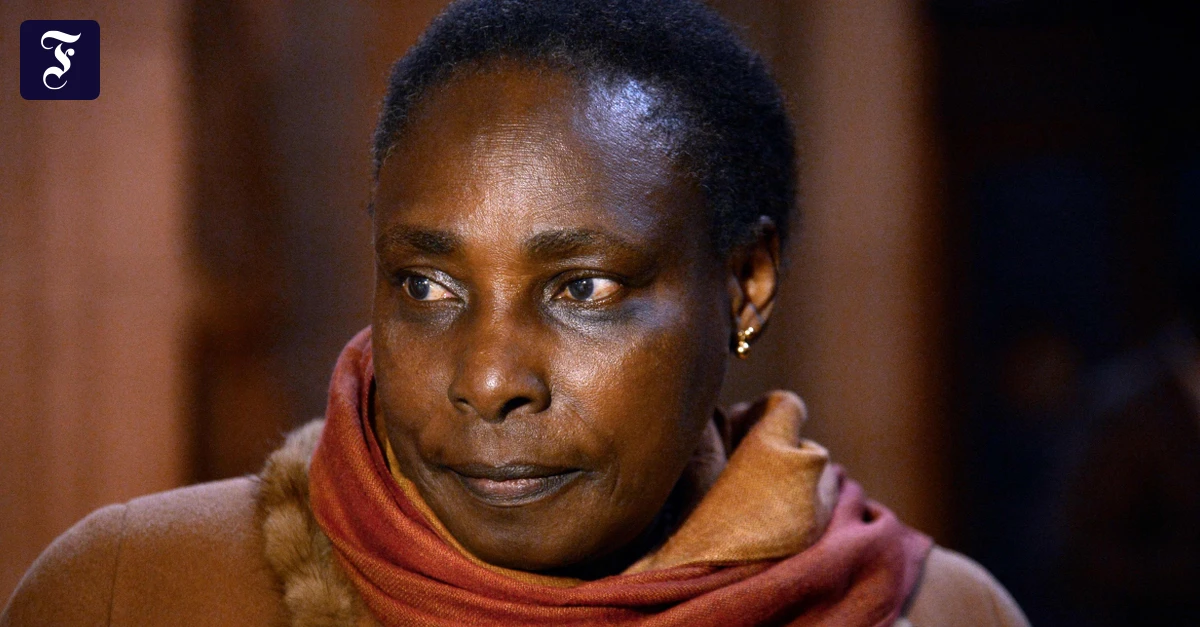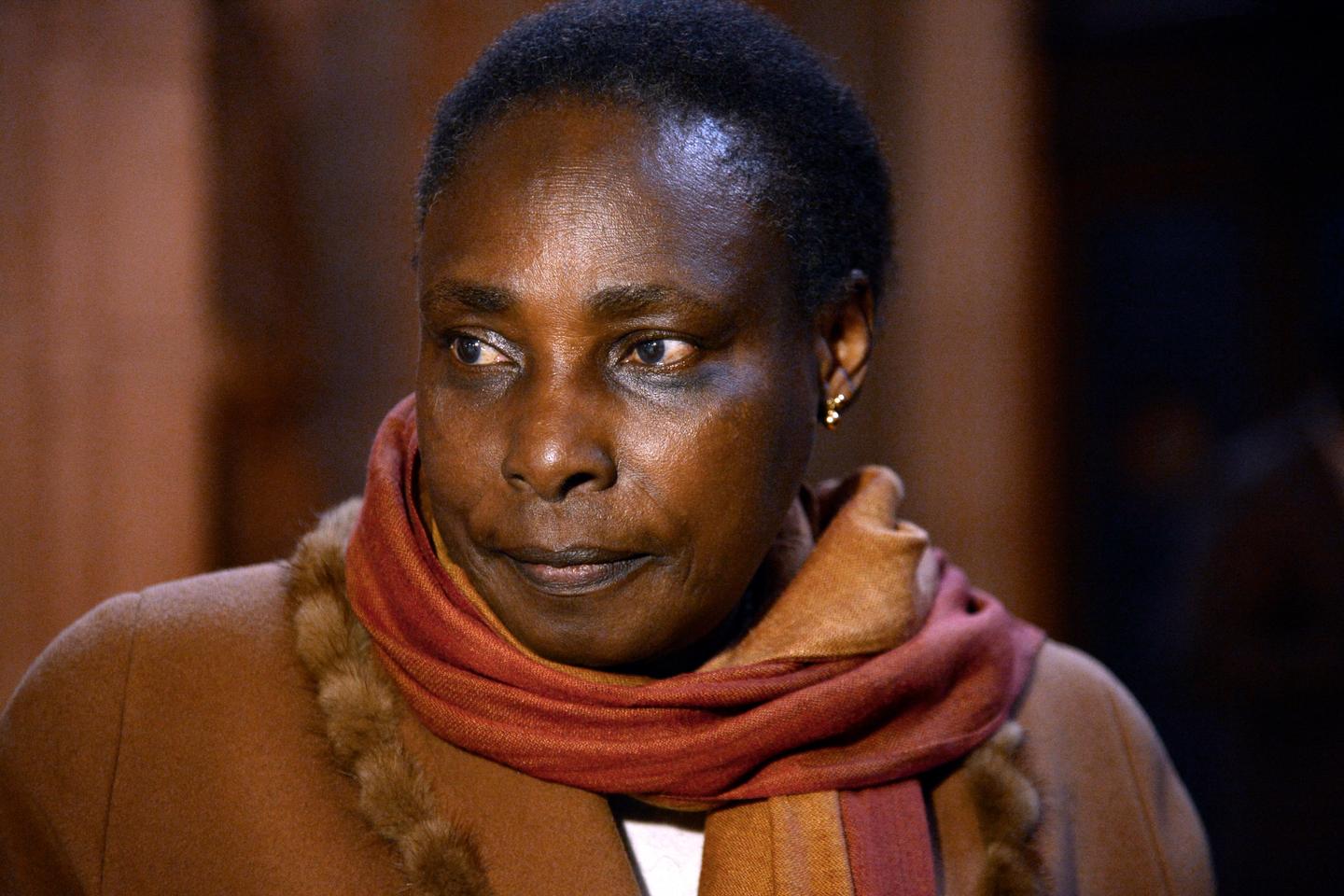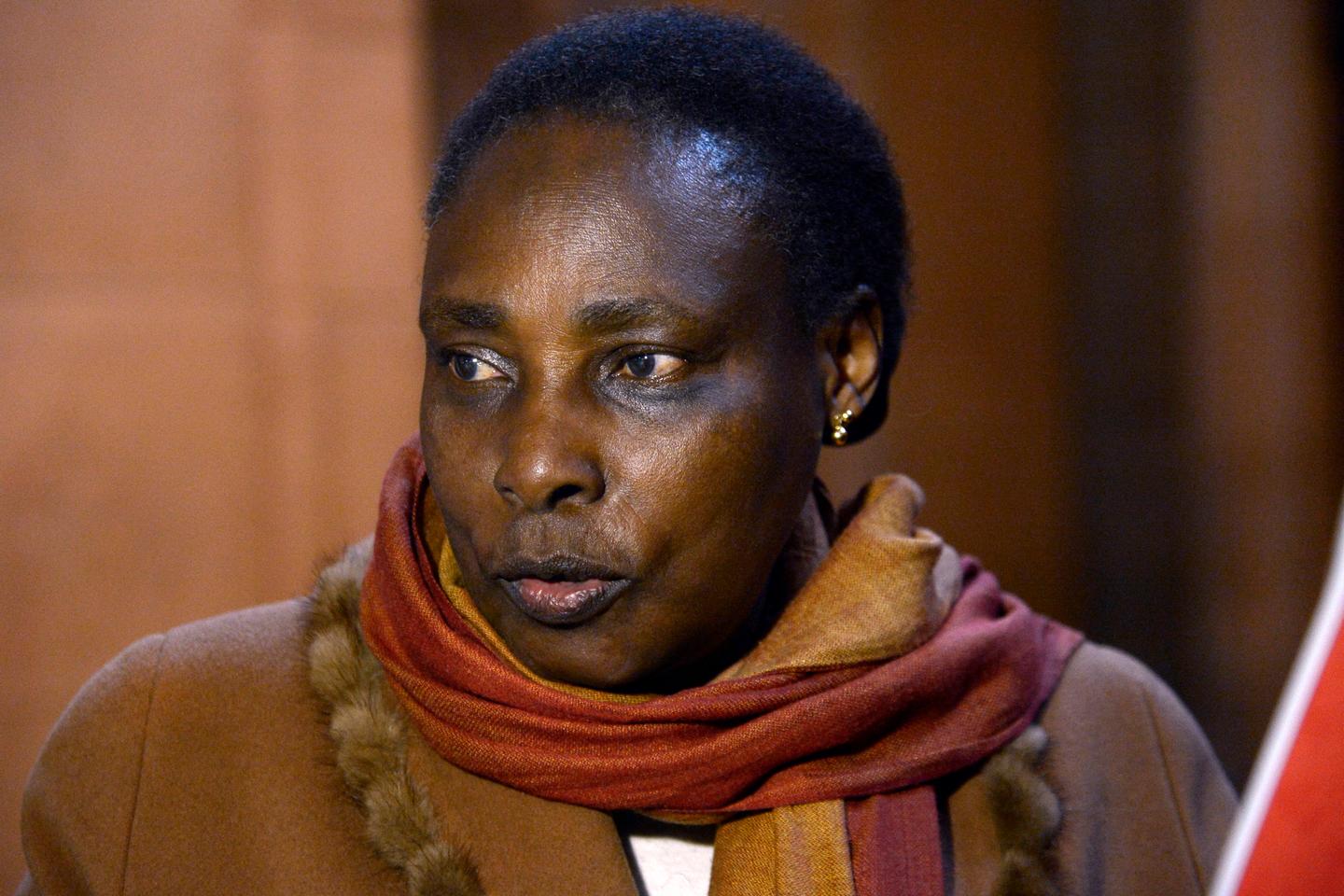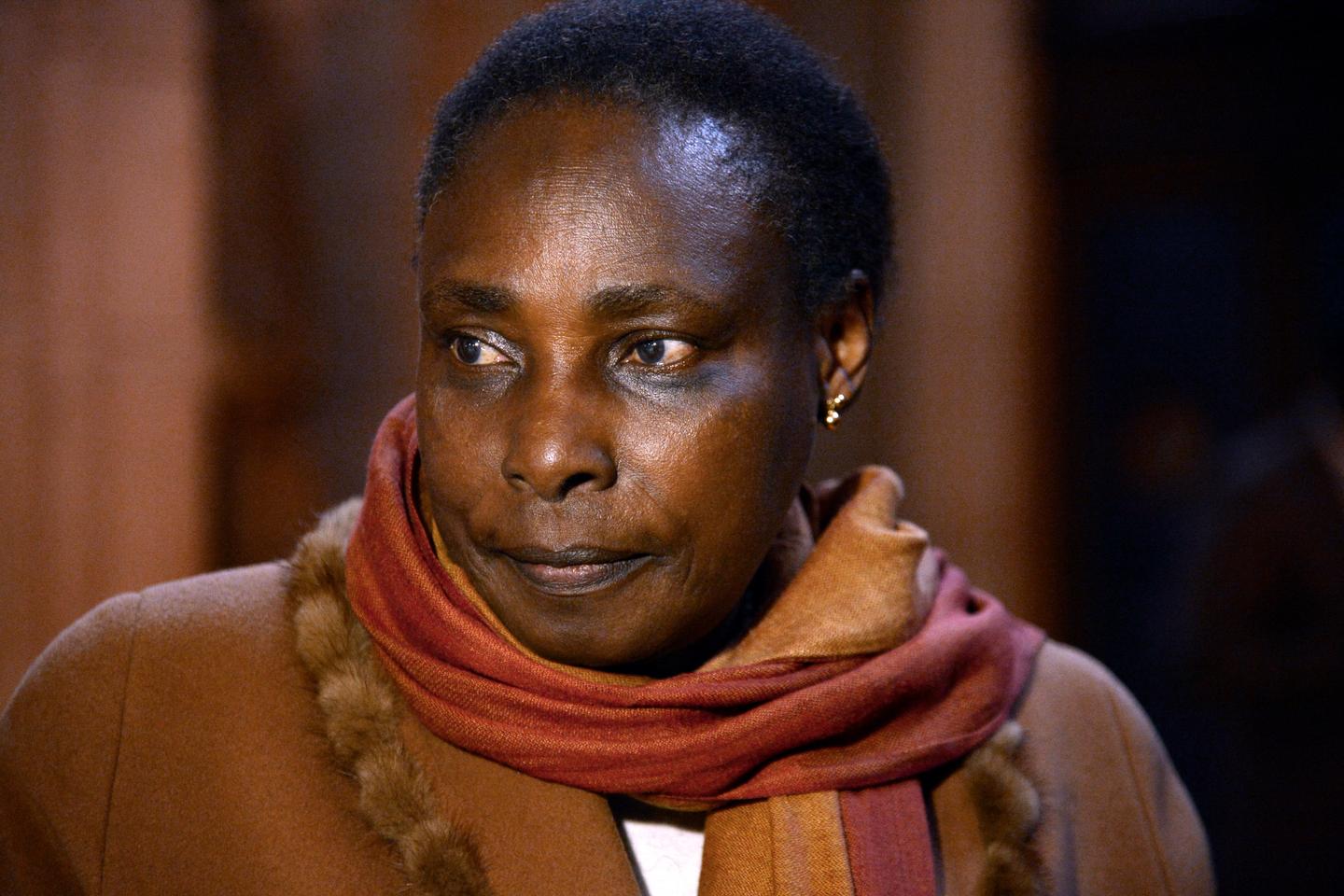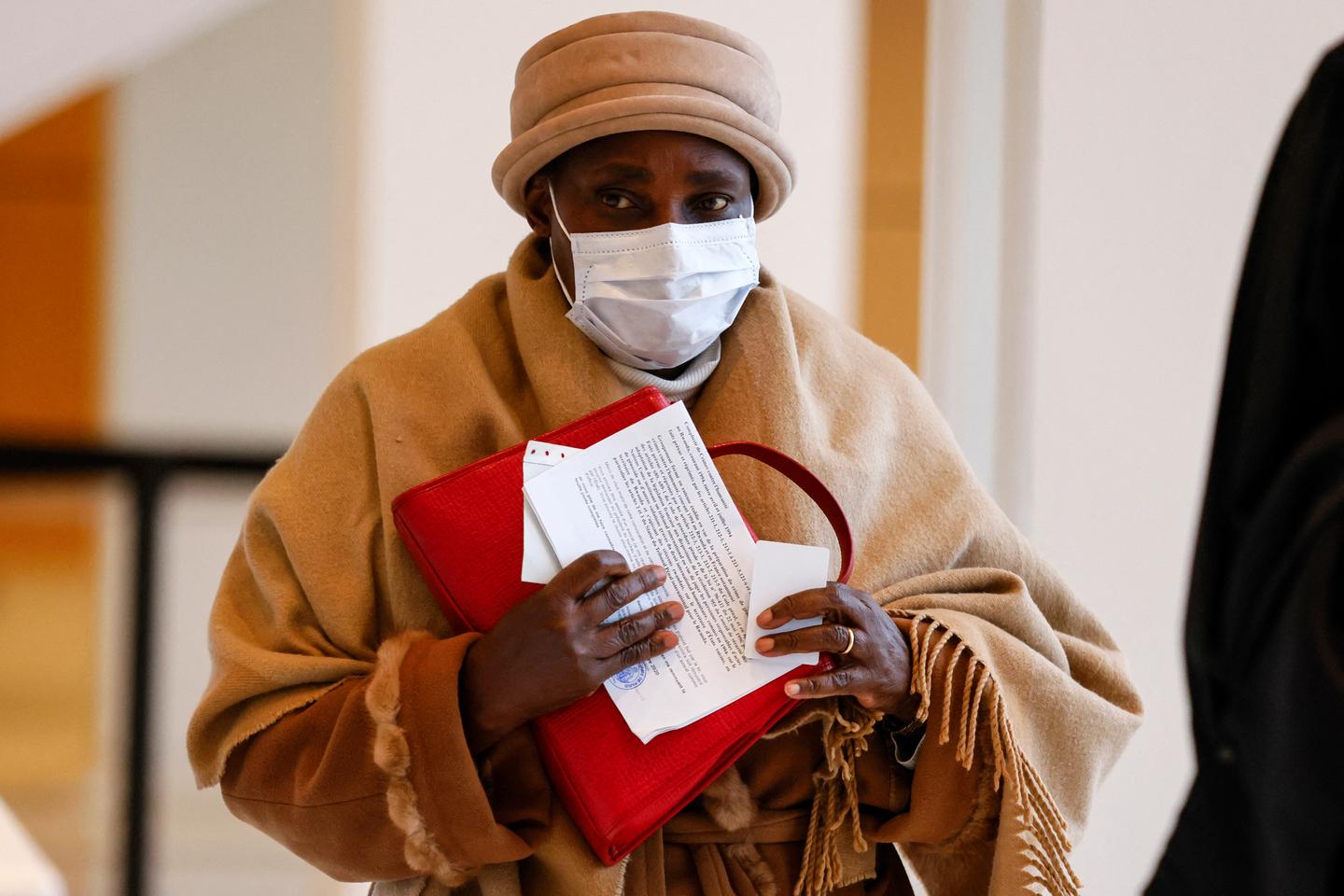
Agathe Habyarimana, widow of former Rwandan president Juvénal Habyarimana, who was killed on April 6, 1994, at the Paris court on November 3, 2020. THOMAS SAMSON / AFP
Historian and researcher at the EHESS/ Center for Political Knowledge, Research and Analysis, Vincent Duclert chaired a commission between 2019 and 2021 tasked with studying France's role in Rwanda from 1990 to 1994, with unprecedented access to state archives – those of the French presidency, French Foreign Ministry, ministries of defense and cooperation, General Directorate of External Security (DGSE) and others.
In an interview with Le Monde, he discussed the decision reached by the Paris appeals court on Wednesday, May 6, to continue the investigation into the widow of Rwandan president Juvénal Habyarimana, whose assassination on April 6, 1994, triggered the genocide of the Tutsi in the country. Agathe Habyarimana has been under formal investigation since 2007. The following year, several nonprofit organizations, including the International Federation for Human Rights (FIDH), Survie ("Survival"), and the Collective of Plaintiffs for Rwanda (CPCR), filed a complaint for "complicity in genocide and crimes against humanity" committed during the genocide, which left between 800,000 and one million dead between April and July 1994.