Due to many obstacles – from security to air fares – local fans lose out as African artists tour overseas instead. But as western corporations invest, there are more worries besides
W
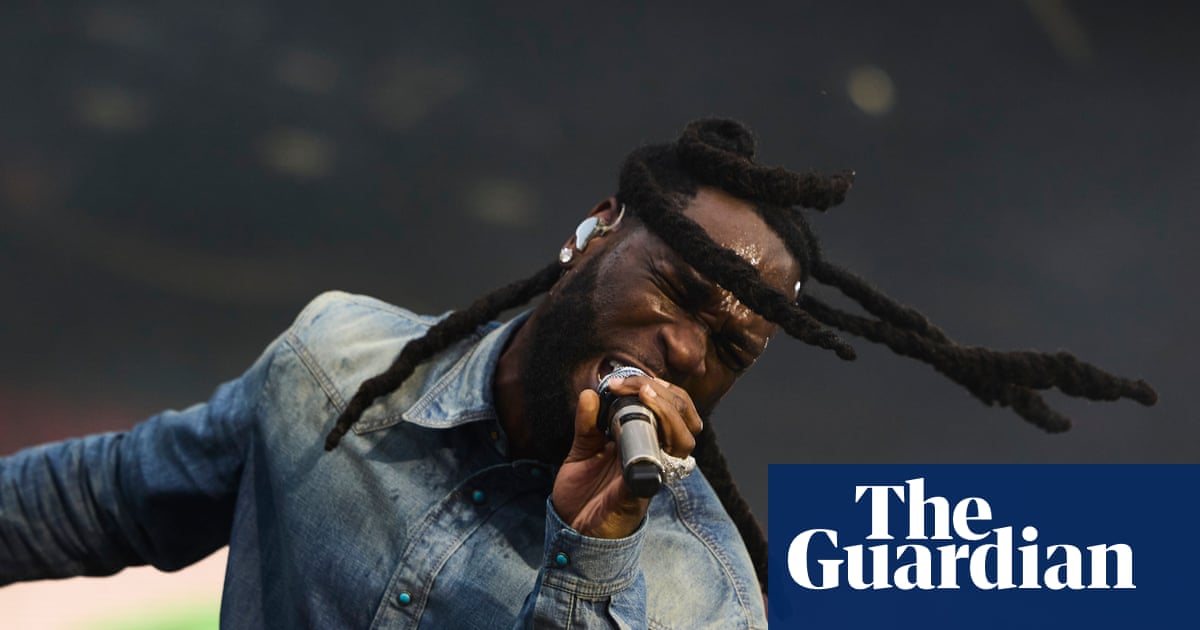
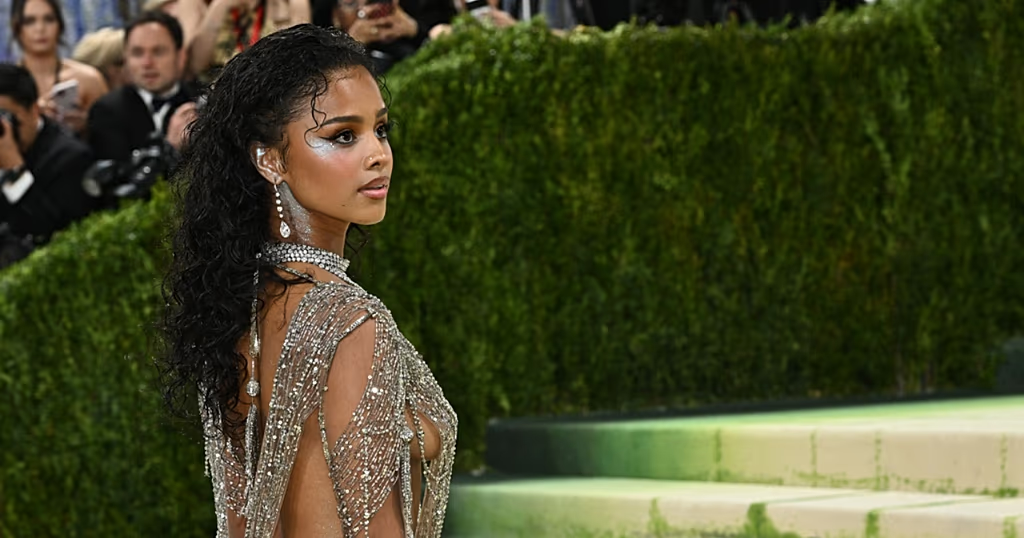
hen a major African pop artist announces a world tour these days, you will see Paris, New York, Toronto and Amsterdam among the dates. You will see multiple nights at London’s O2 Arena – a venue that has become a regular hub for Nigerian pop supremacy. You will see grand, multimillion-dollar stage designs, towering LED screens and meticulously choreographed dancing as artists such as Burna Boy, Wizkid, Asake, Rema, Tyla and Tems have become global stars.
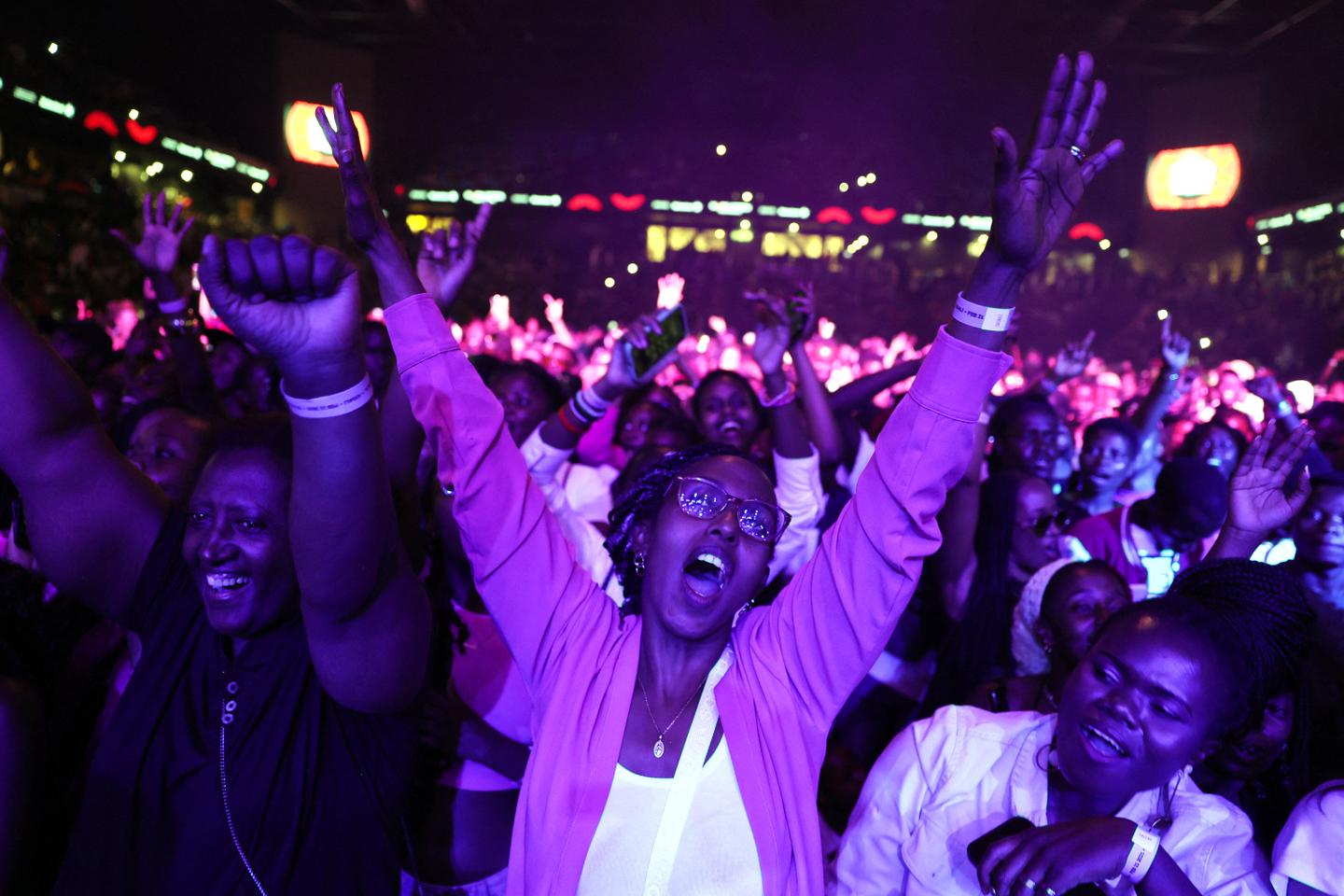
What you will rarely see, however, is a comprehensive, interconnected list of dates in Accra, Nairobi, Johannesburg, Kigali or Luanda: the cities that birthed these acts. It is a central paradox of the current African music surge: the continent’s biggest cultural exports are struggling to perform consistently for audiences across the continent.
This has created a significant cultural gap. Music has played a central role in changing how young Africans are seen globally, replacing outdated narratives with a more dynamic representation of African life. But when an artist writes a song about the gritty realities of Lagos and only performs it in Berlin, a significant aspect of that connection is diminished. It’s left an entire generation of African youth consuming their own culture through their phones.