This report is from this week’s CNBC’s UK Exchange newsletter. Like what you see? You can subscribe here.
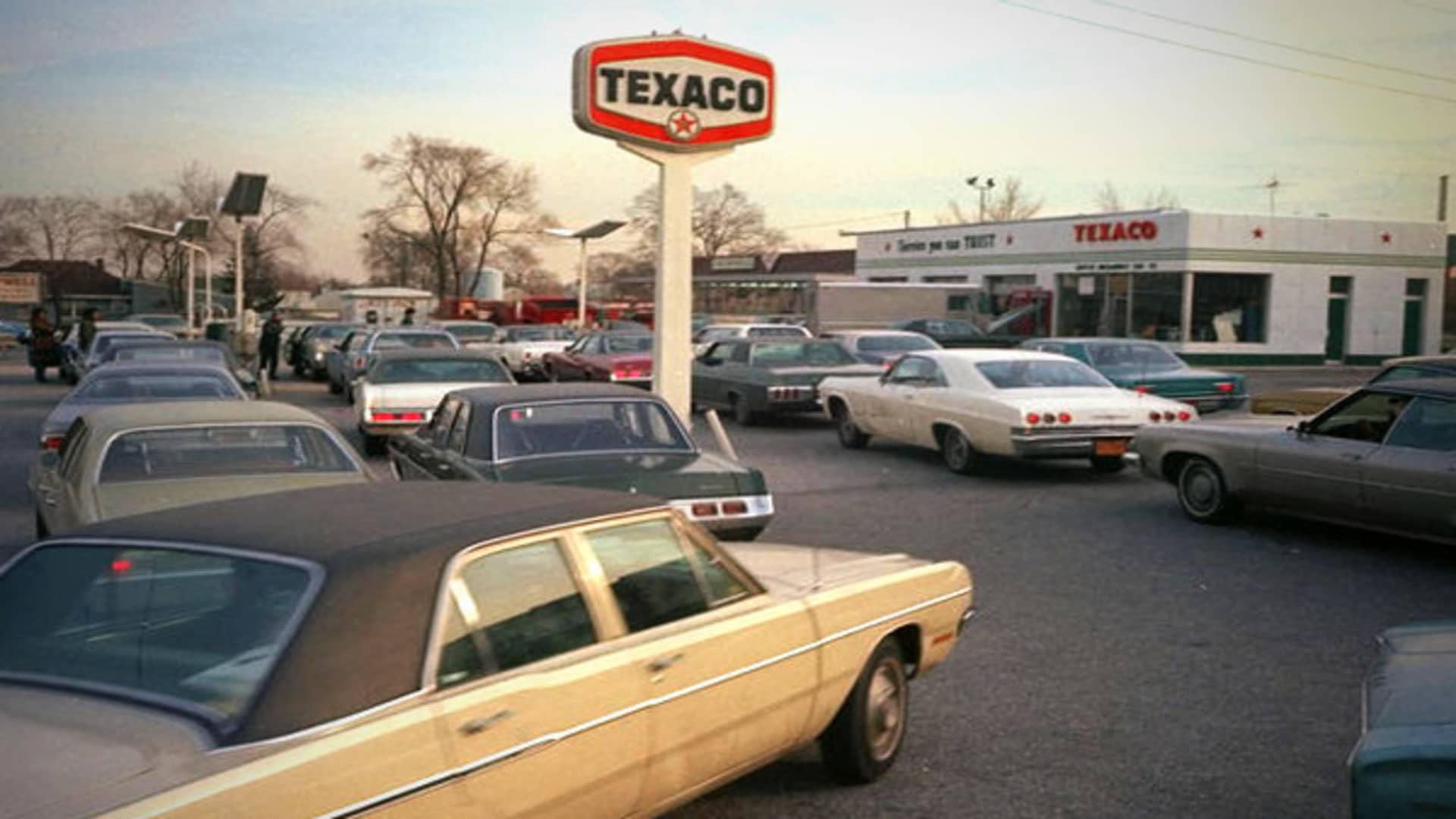
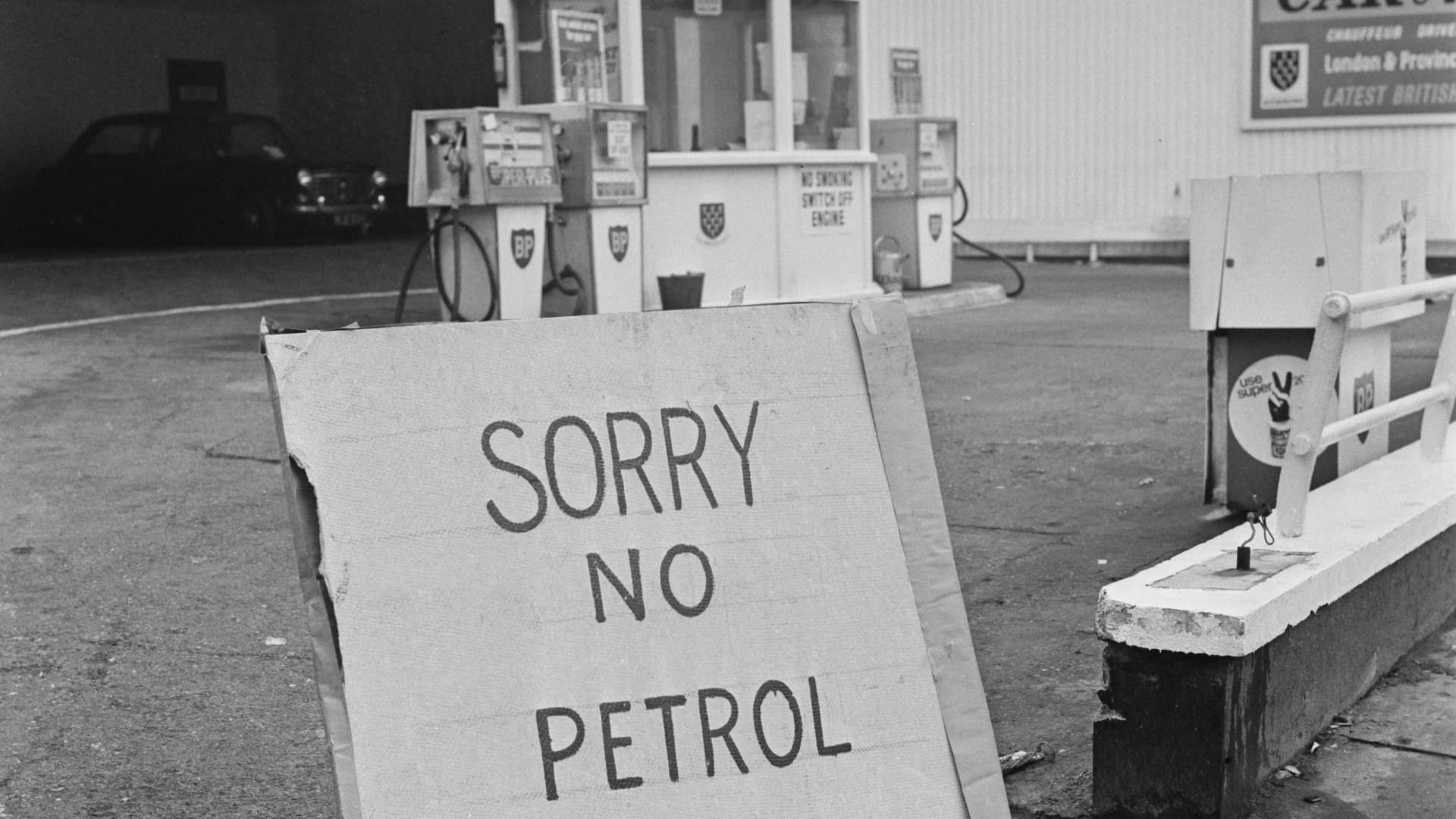
For Britons of a certain age, an oil price shock brings back memories of the 1970s, with food and petrol shortages, the state-imposed three-day working week, power cuts, doing school homework by candlelight, and the resulting increases in both inflation and unemployment.
The good news is that, according to an assessment by the independent Office for Budget Responsibility, the energy intensity of U.K. GDP has fallen by 70% since the mid-1970s, reflecting improvements in energy efficiency and a decline in heavy industry.
So even a prolonged rise in energy prices should not see the U.K. economy suffer as it did in that decade.
In theory, as a country still enjoying some domestic oil and gas production, Britain should also be rather less exposed to the impact of higher energy prices than peers such as Japan and some major euro zone economies.