I
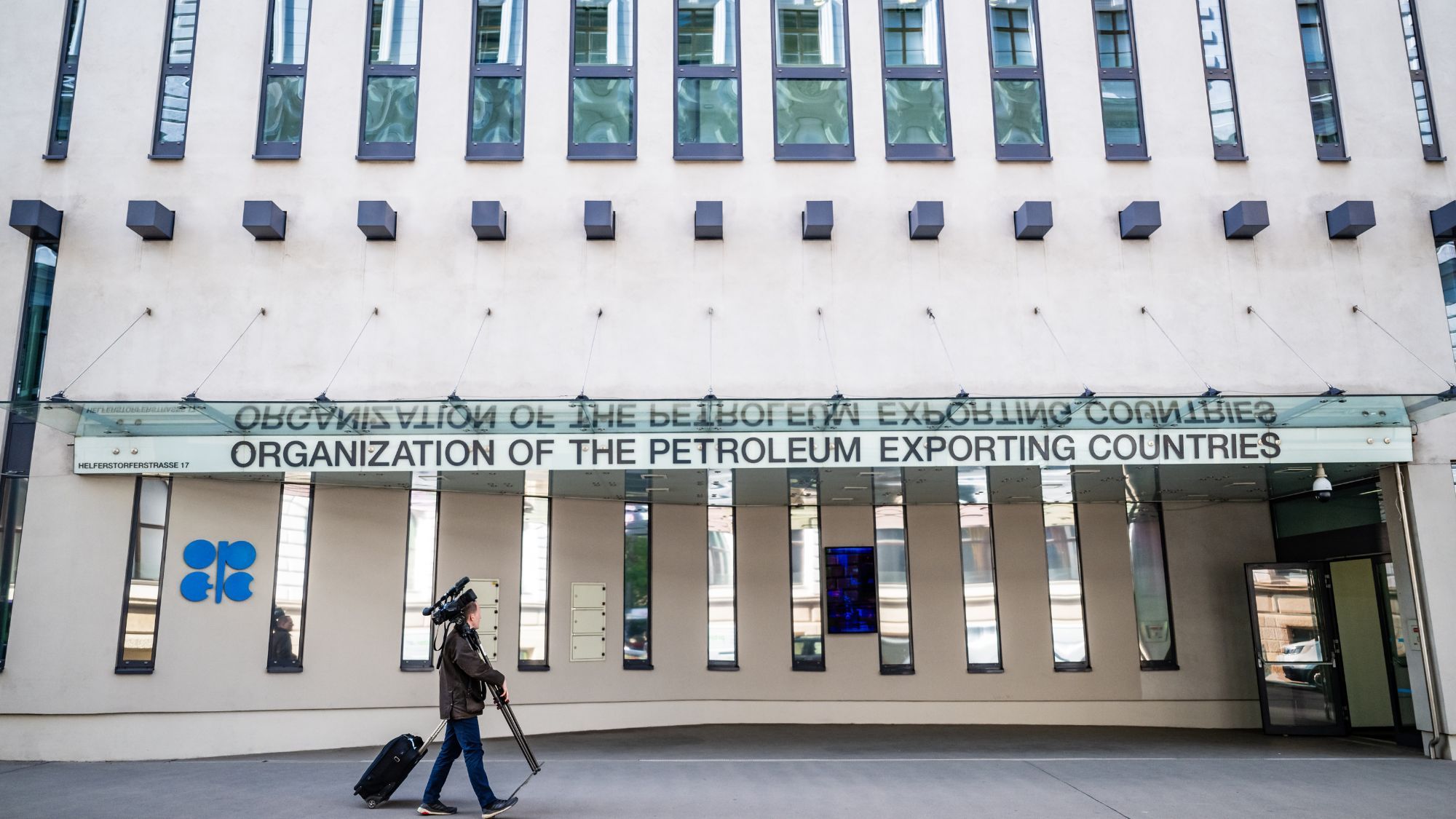
n 1973, the first oil shock cemented the dominance of the Organization of the Petroleum Exporting Countries (OPEC). This cartel, which was founded 13 years earlier, had then demonstrated its ability to impose its will on major industrialized economies. In retaliation for their support of Israel during the Yom Kippur War, OPEC imposed an embargo that, within a few months, quadrupled the price of a barrel of oil and plunged the world into a deep economic crisis.
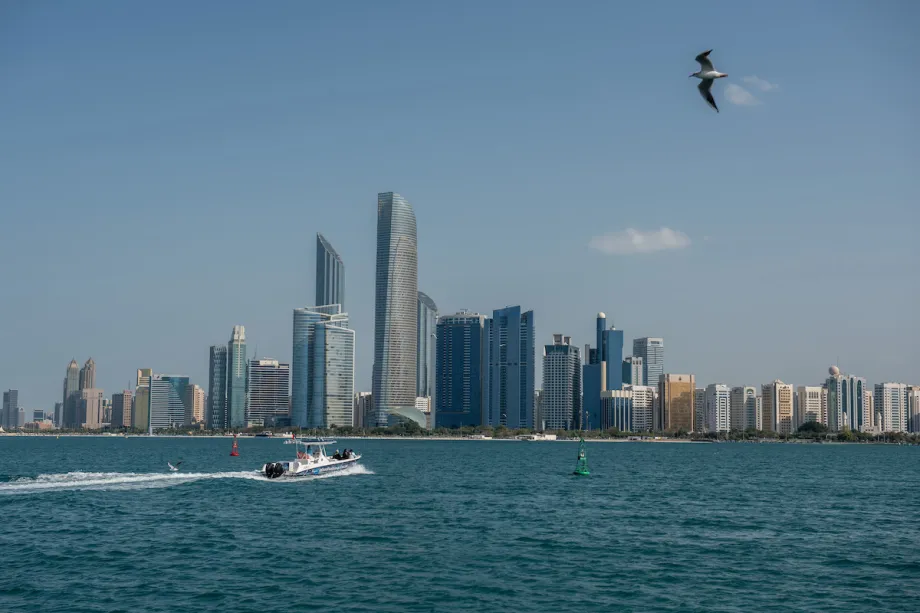
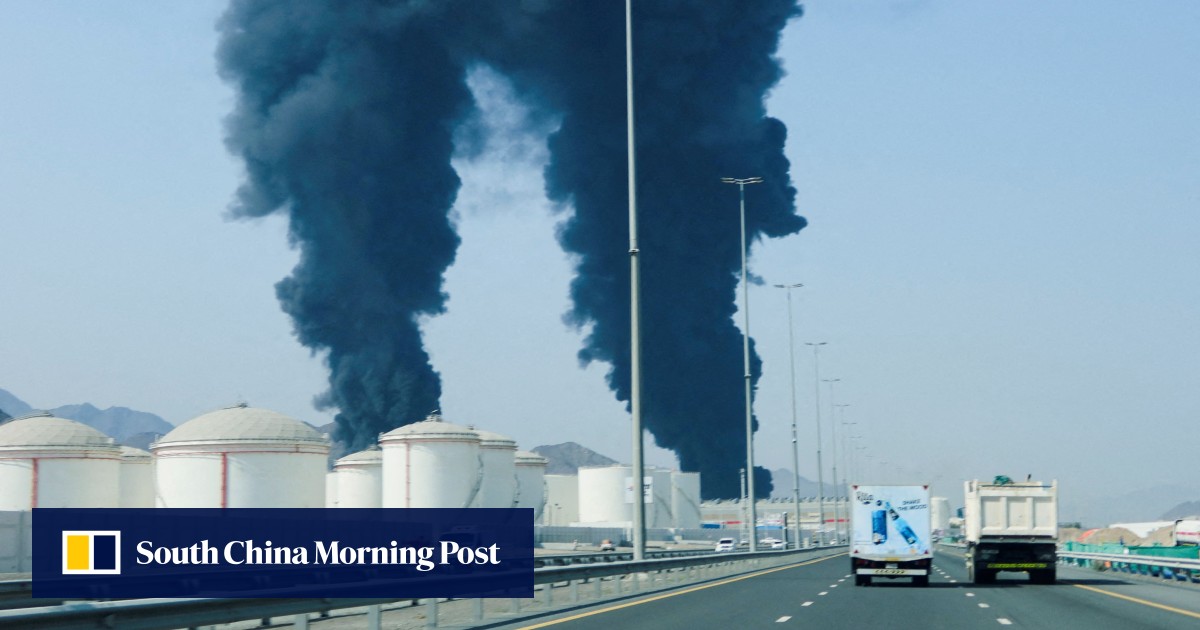
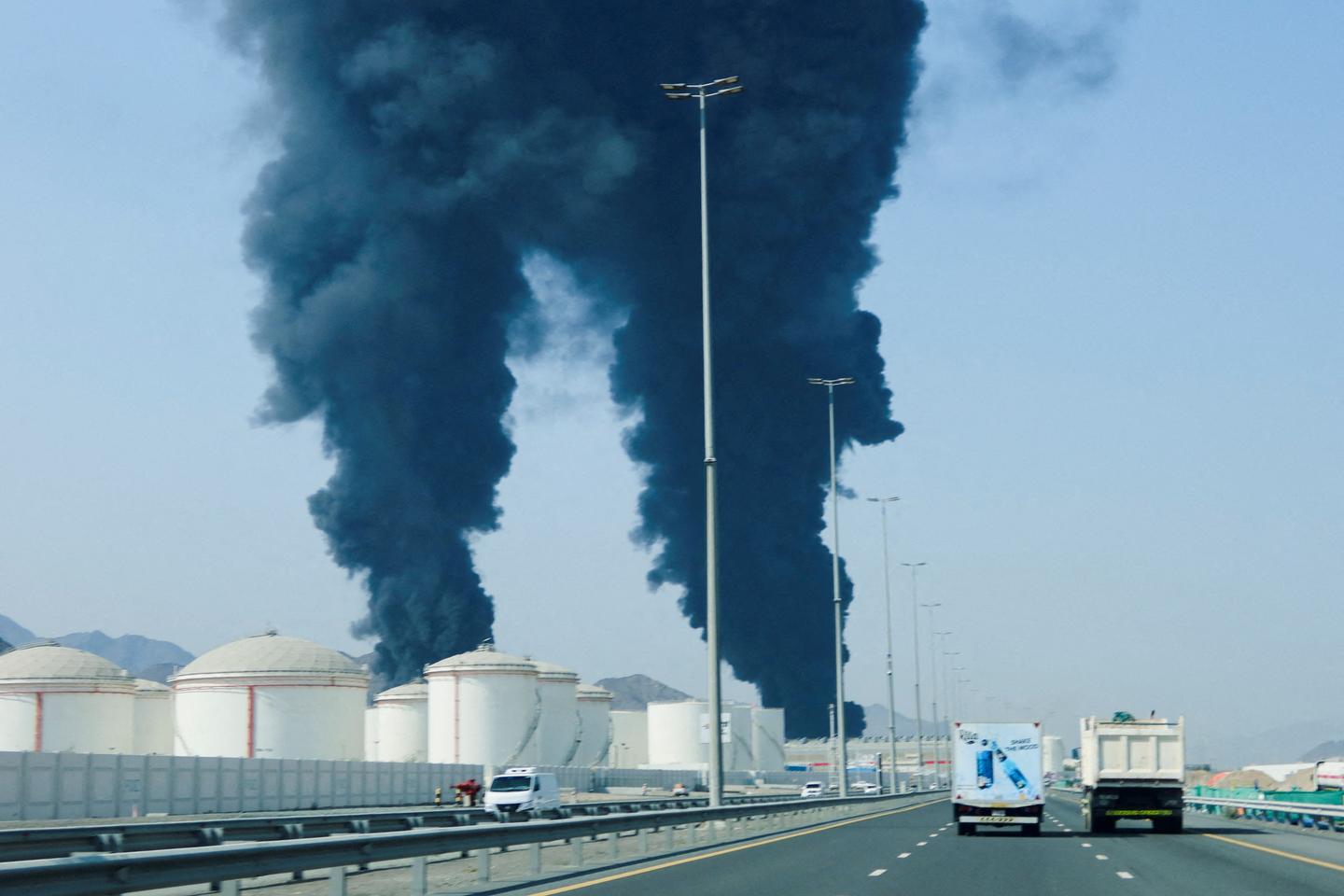
Half a century later, war in the Middle East and the new energy shock it triggered have revealed, rather than mended, the fractures within the organization. The exit of the United Arab Emirates (UAE), which was officially confirmed on May 1, deprives OPEC of its third-largest producer. The bloc is now wavering under the weight of its own contradictions, as its share of international oil trade has steadily declined since the 1970s.
The Emirati decision is merely the logical culmination of a slow process that, until now, had been masked by the lure of rent and the fear of disorder. Since 2024, Abu Dhabi has not even bothered to send top-level delegations to the organization's summits. More significantly, the Emirates were allowing themselves, more or less openly, to flout cartel rules by unilaterally increasing their production.