F
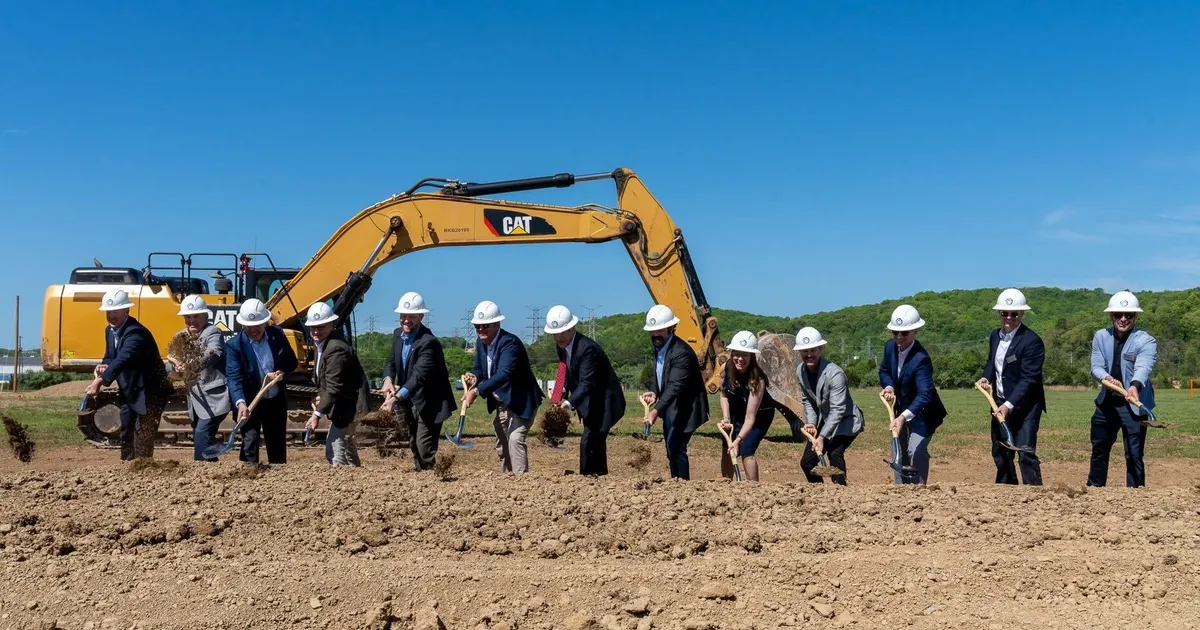
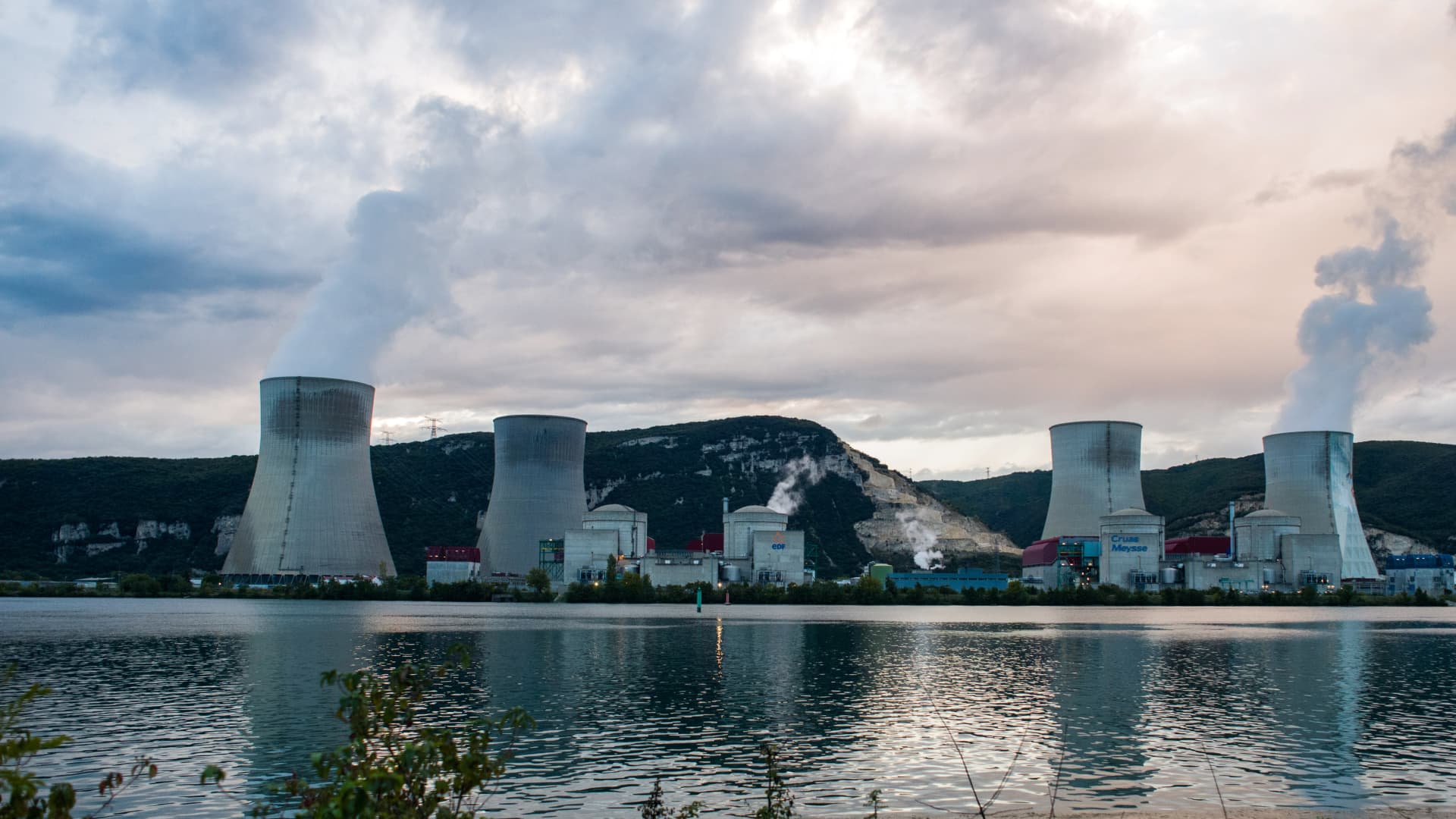
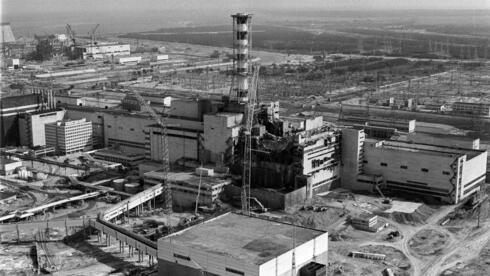
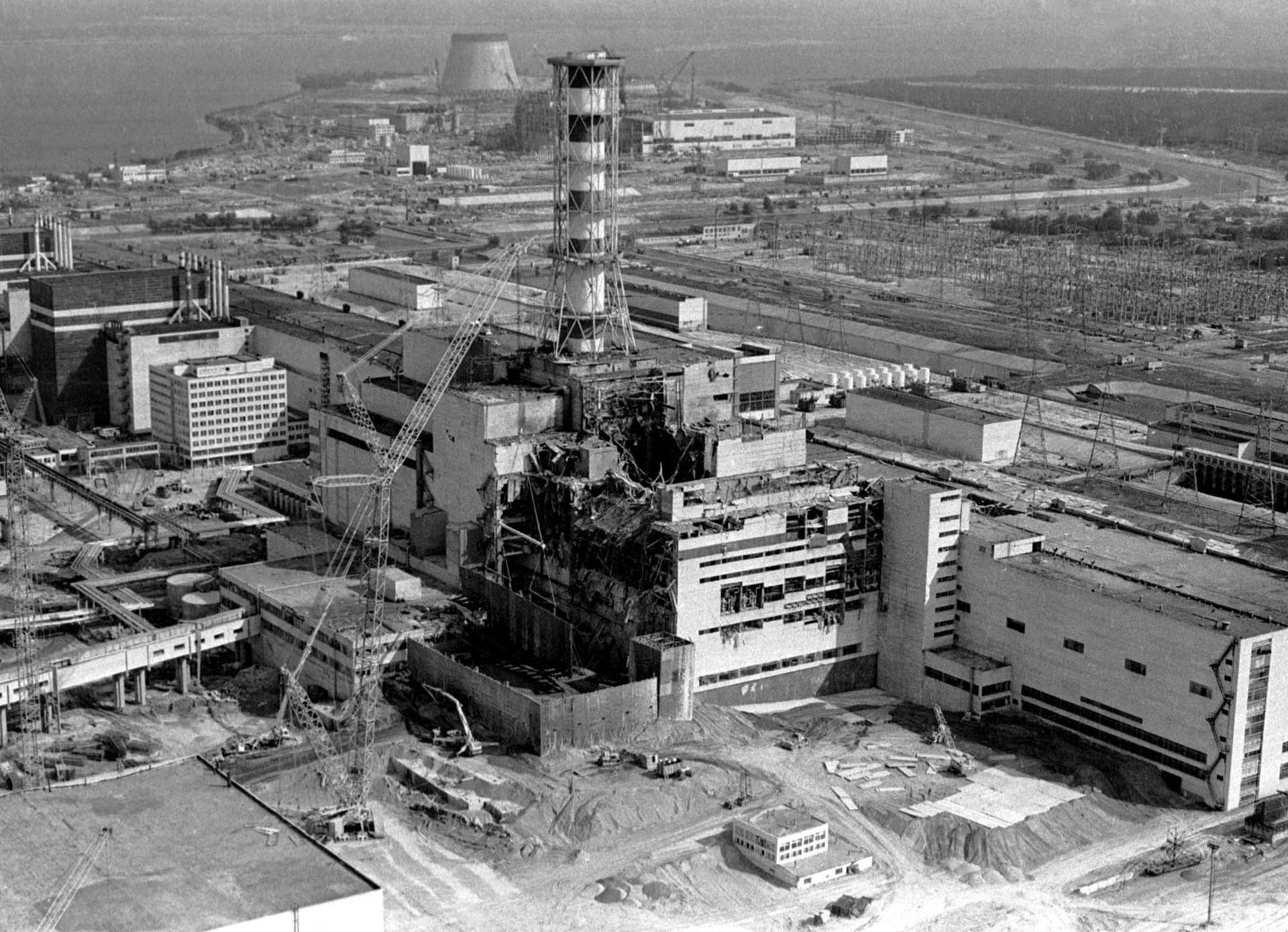
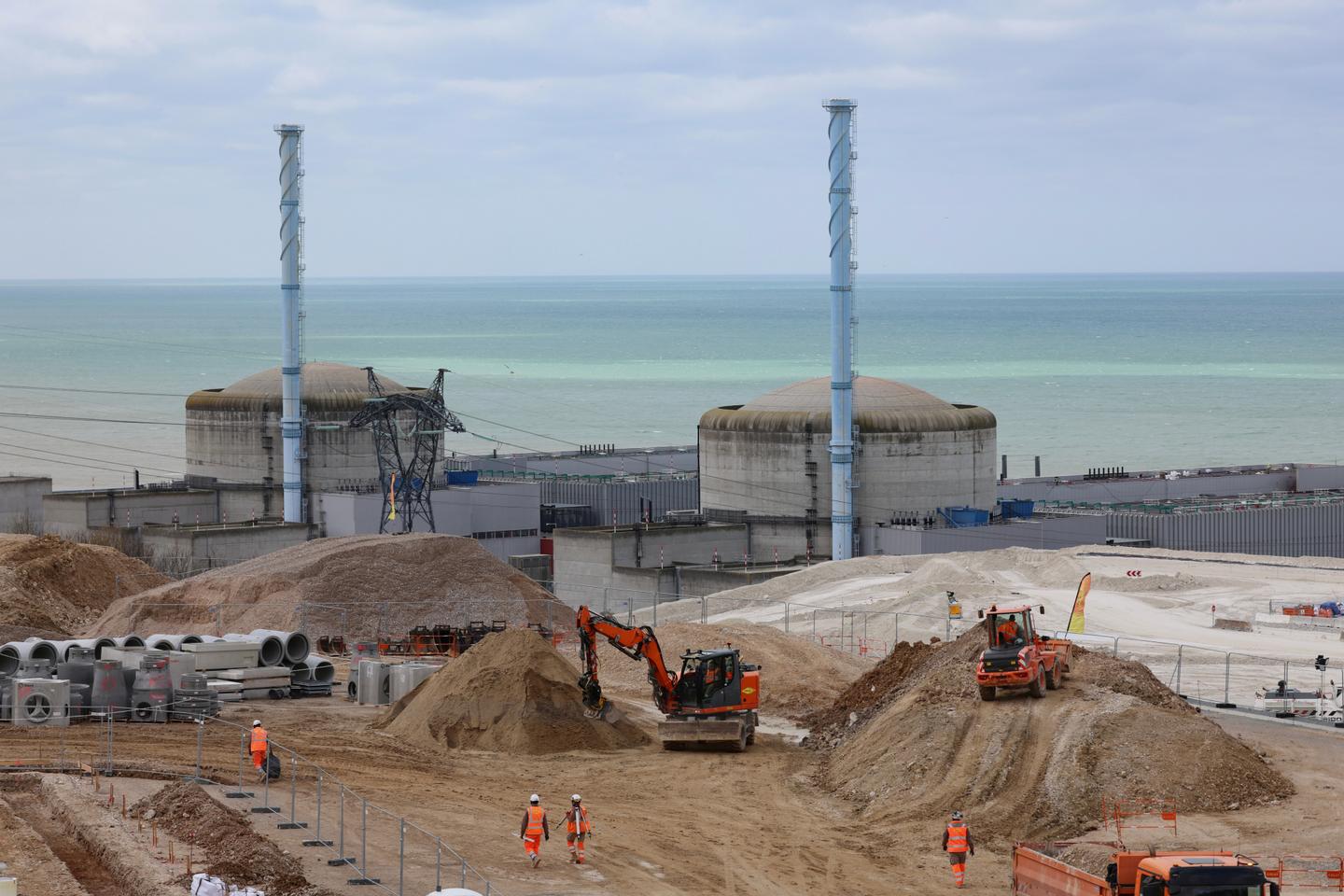
orty years ago, reactor No. 4 at the Chernobyl nuclear power plant exploded, releasing into the atmosphere roughly 30,000 times more radioactive material than all civilian nuclear facilities ever operated. Paradoxically, this anniversary roughly coincides with the fulfillment of nuclear revival projects, which are now happening in many parts of the world. In France, recent developments include President Emmanuel Macron's mid-March visit to the construction site of the future EPR (European Pressurized Reactor) in Penly (northern France) and the announcement of several decisions following the fifth meeting of the Nuclear Policy Council.
These decisions have sparked almost no audible protest, either in the political sphere or in civil society. They have drawn little commentary, neither at the time nor in the weeks that have followed, even with the 40th anniversary of the Ukrainian plant explosion. More than climate concerns, it is the wars in Ukraine and Iran, and the resulting tensions in hydrocarbon markets, that have turned the French nuclear revival into an undeniable necessity.
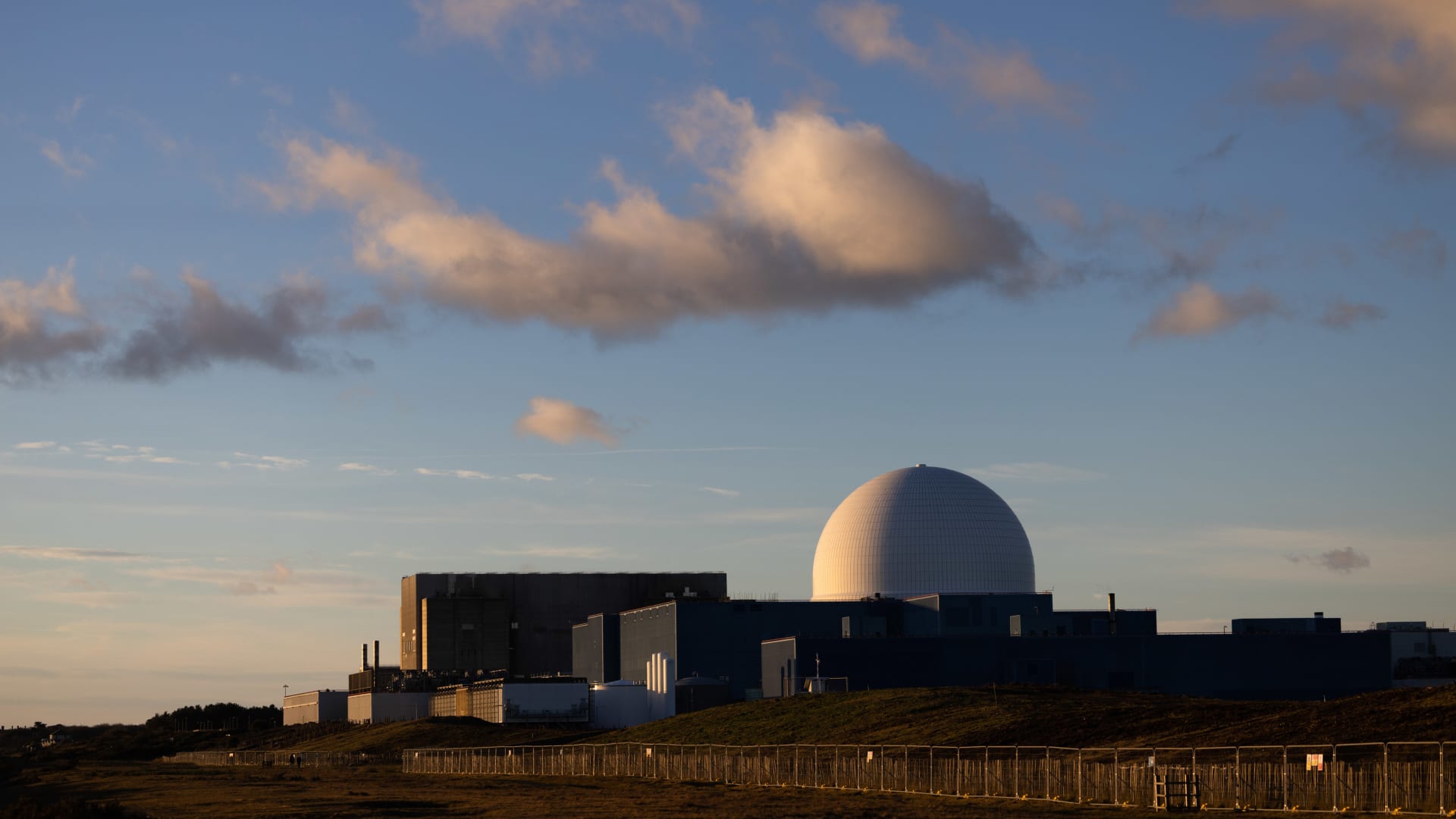
This significant trend is not limited to France. The issue has even reappeared in Germany, which decided to phase out nuclear power after the Fukushima disaster in Japan in 2011 in favor of major investments in renewable energy. In May 2025, Berlin pledged to no longer oppose the development of nuclear power at the European level, putting an end to a deep disagreement with Paris. In early April, in an interview with the Financial Times, Katherina Reiche, minister for economic affairs and energy, suggested going even further by opening the door to European investments in nuclear technology. A similar shift is underway in Belgium, where the 2003 law mandating a complete nuclear phase-out by the end of 2025 was repealed at the last minute, just months before the deadline.