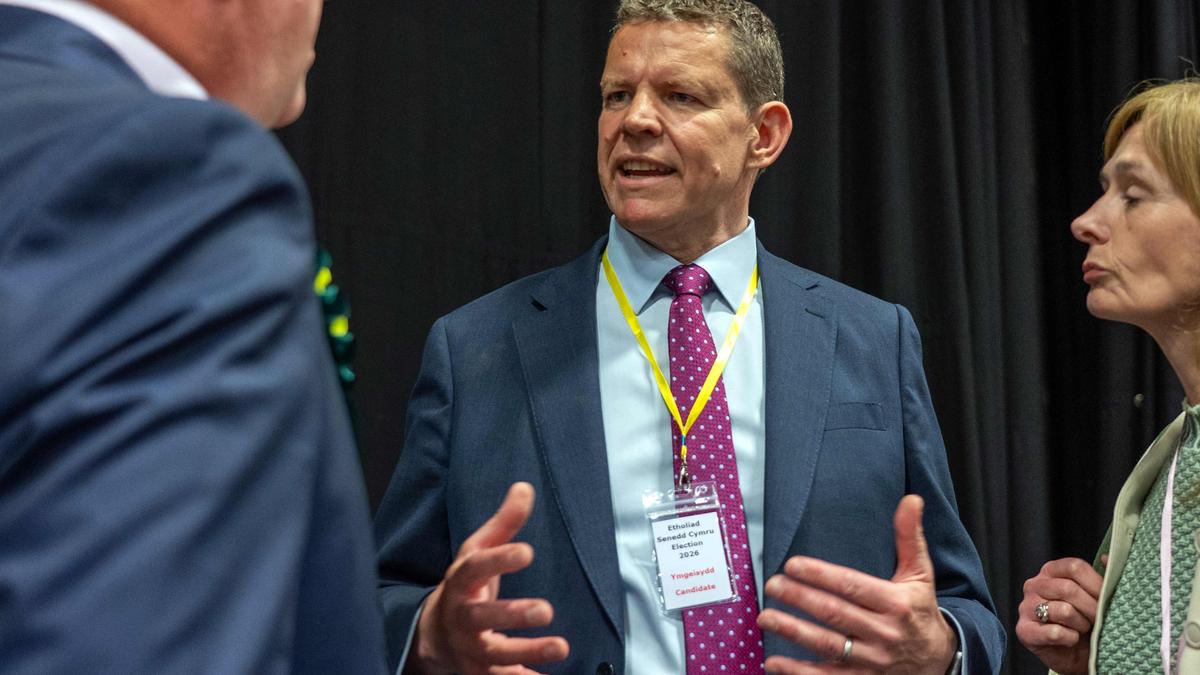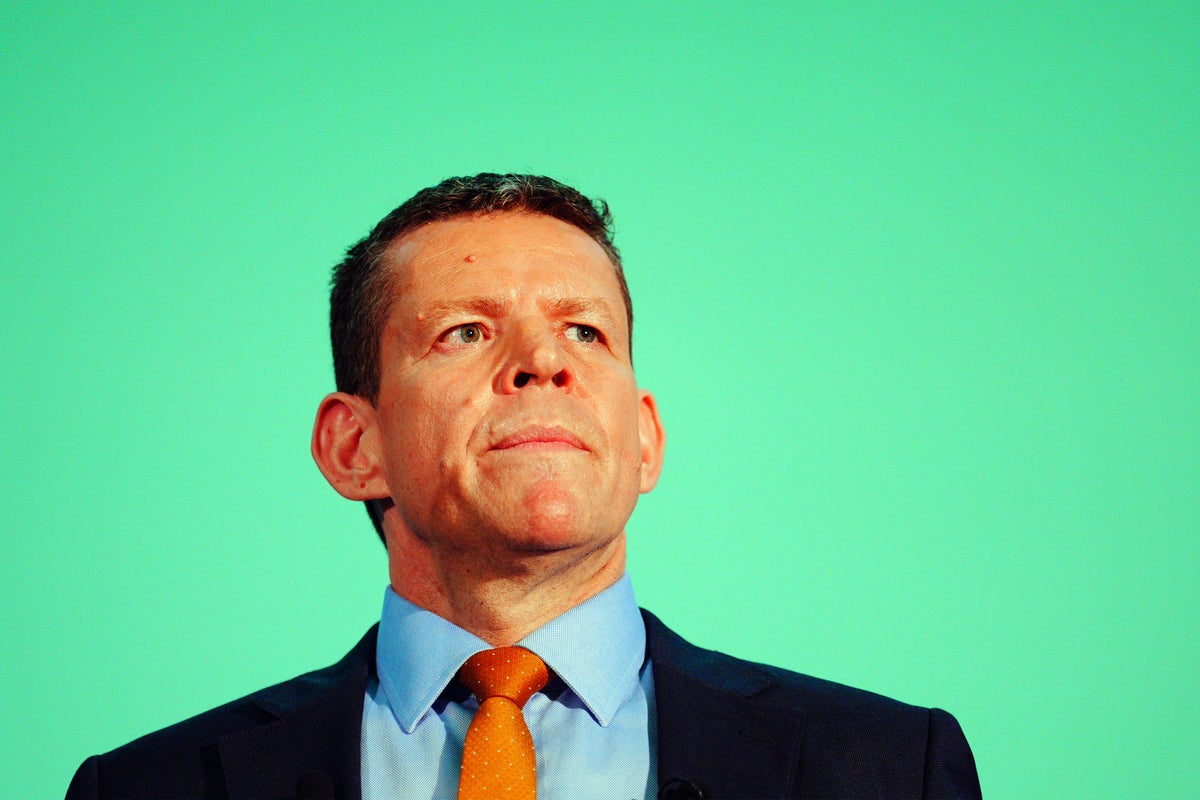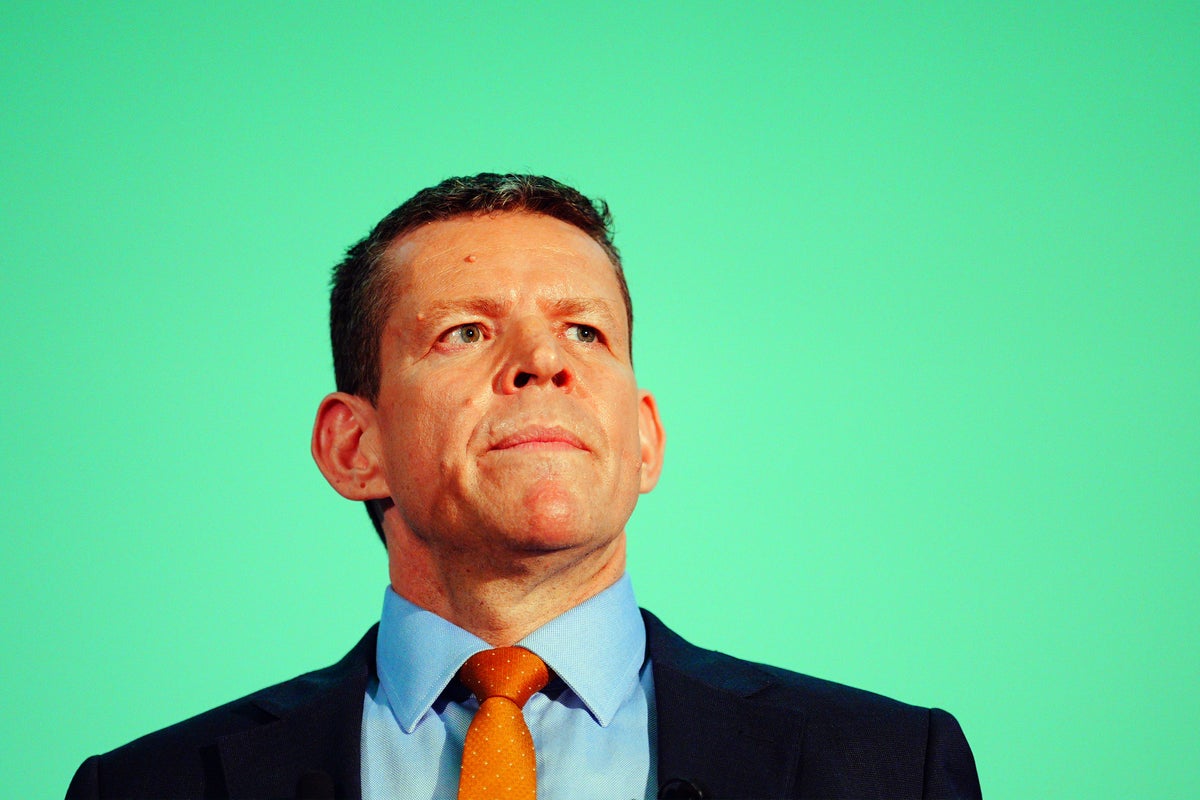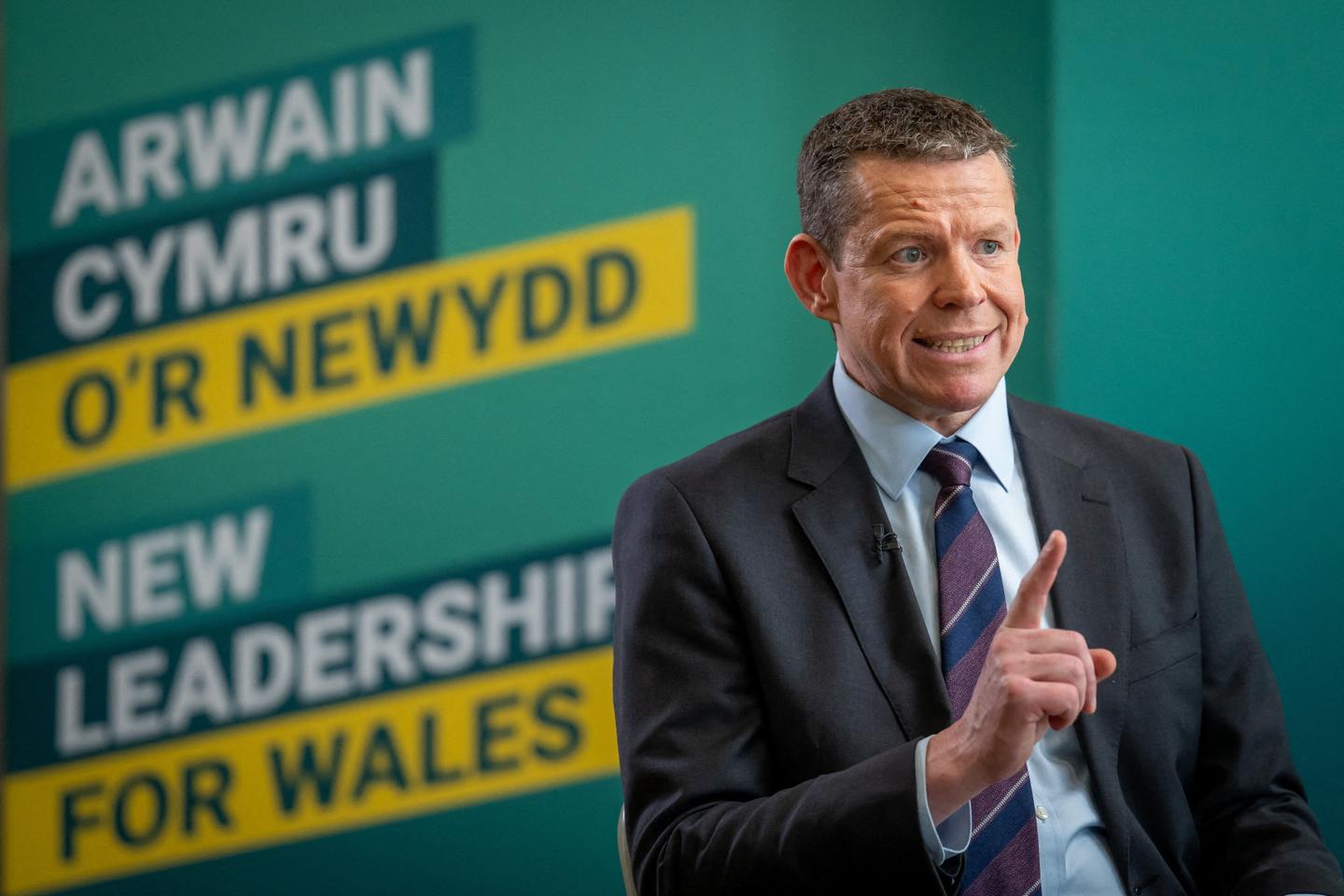
Rhun ap Iorwerth, leader of Plaid Cymru, at the launch of the party's manifesto in Wrexham, northern Wales, on April 9, 2026. PA PHOTOS/ABACA
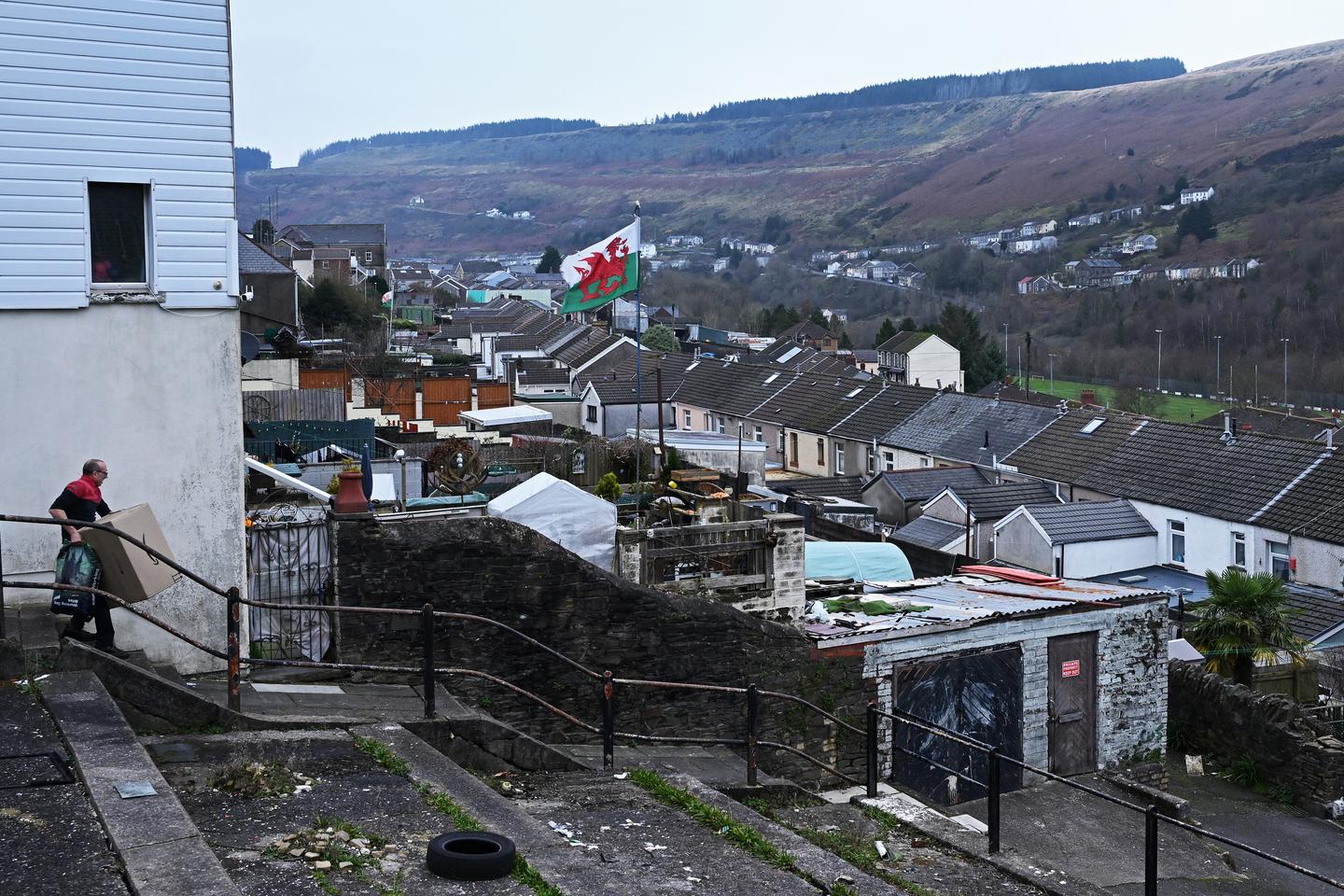
It seemed everyone in Pontypridd had arranged to meet at The Prince's on Monday, April 13. This tearoom, straight out of the 1950s with its gleaming espresso machine and delicious Welsh cakes, is an institution in this town in South Wales, known for its old stone bridge spanning the River Taff and its glorious mining past. In the 19th century, Pontypridd's train station handled most of the coal extracted from the Rhondda and Taff valleys, at the heart of the Welsh coalfield. The coal was sent to the port of Cardiff, the capital, from where it was shipped throughout the British Empire.
Pontypridd still has not regained the dynamism it enjoyed before the mines closed in the 1980s and 1990s. Residents' priorities are the "lack of job opportunities, cost of living and energy prices, the continuous risk of flooding, NHS [the British National Health Service] waiting times and, underpinning all of that is poverty," said Heledd Fychan, 45, a member of the Senedd, the Welsh Parliament. The representative from Plaid Cymru, the pro-independence party for Wales, arranged to meet at The Prince's café to highlight the region's tradition of hospitality: "The café was founded by one of the many Italian families who settled in the mining basin after World War II," she explained.