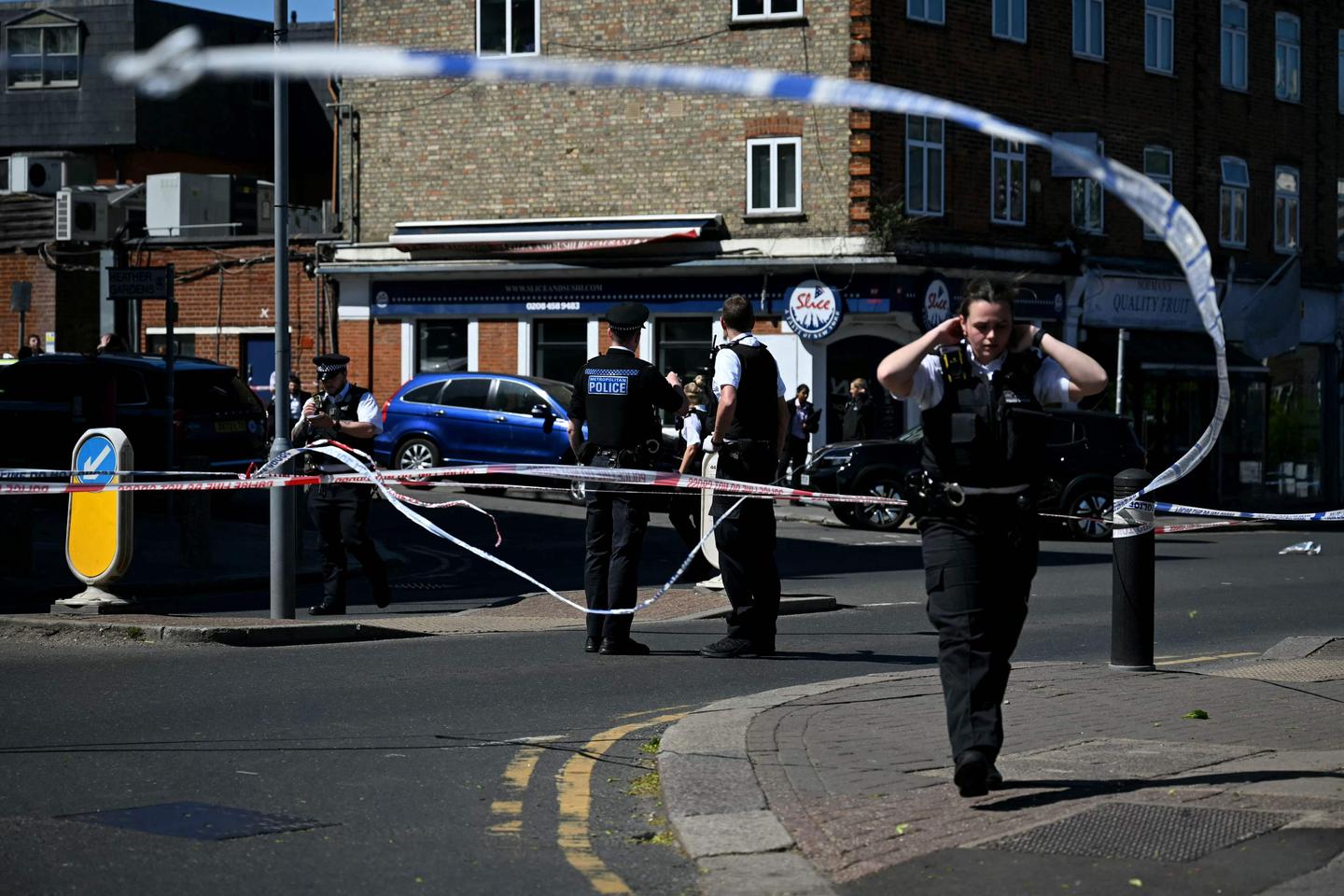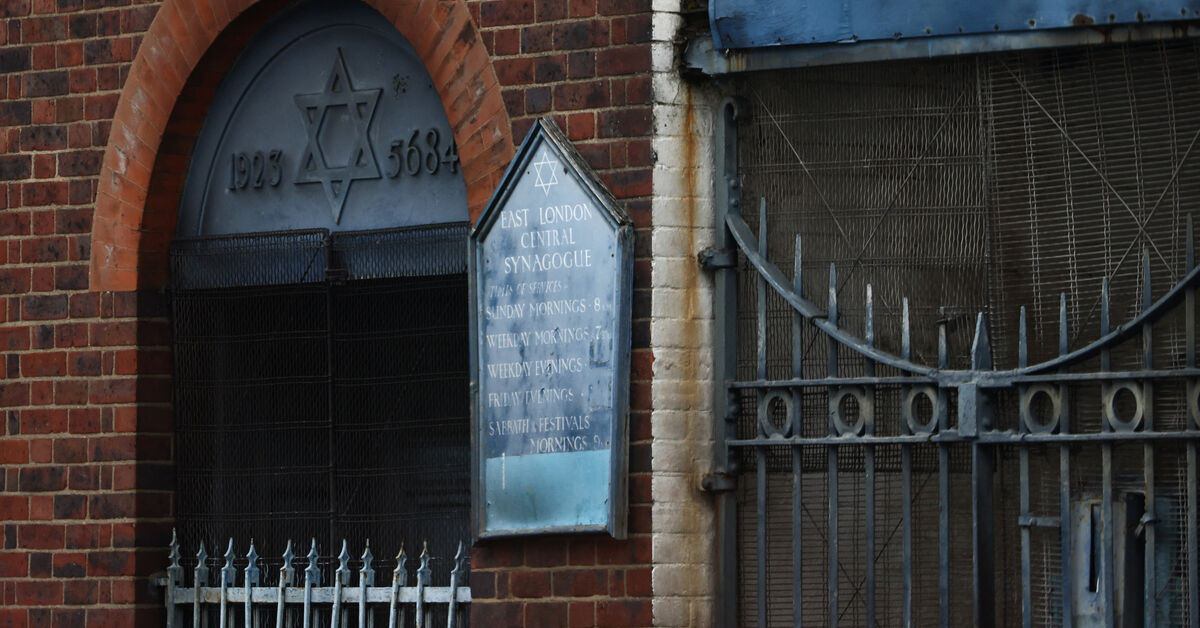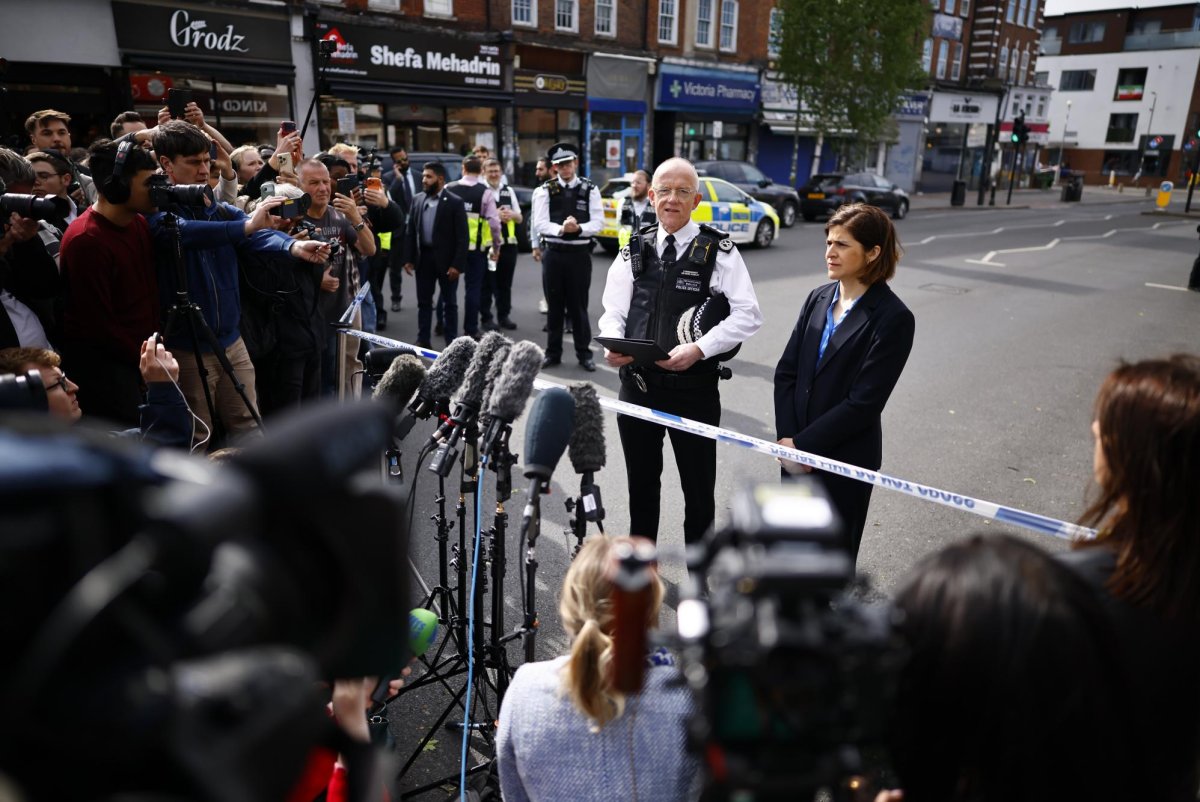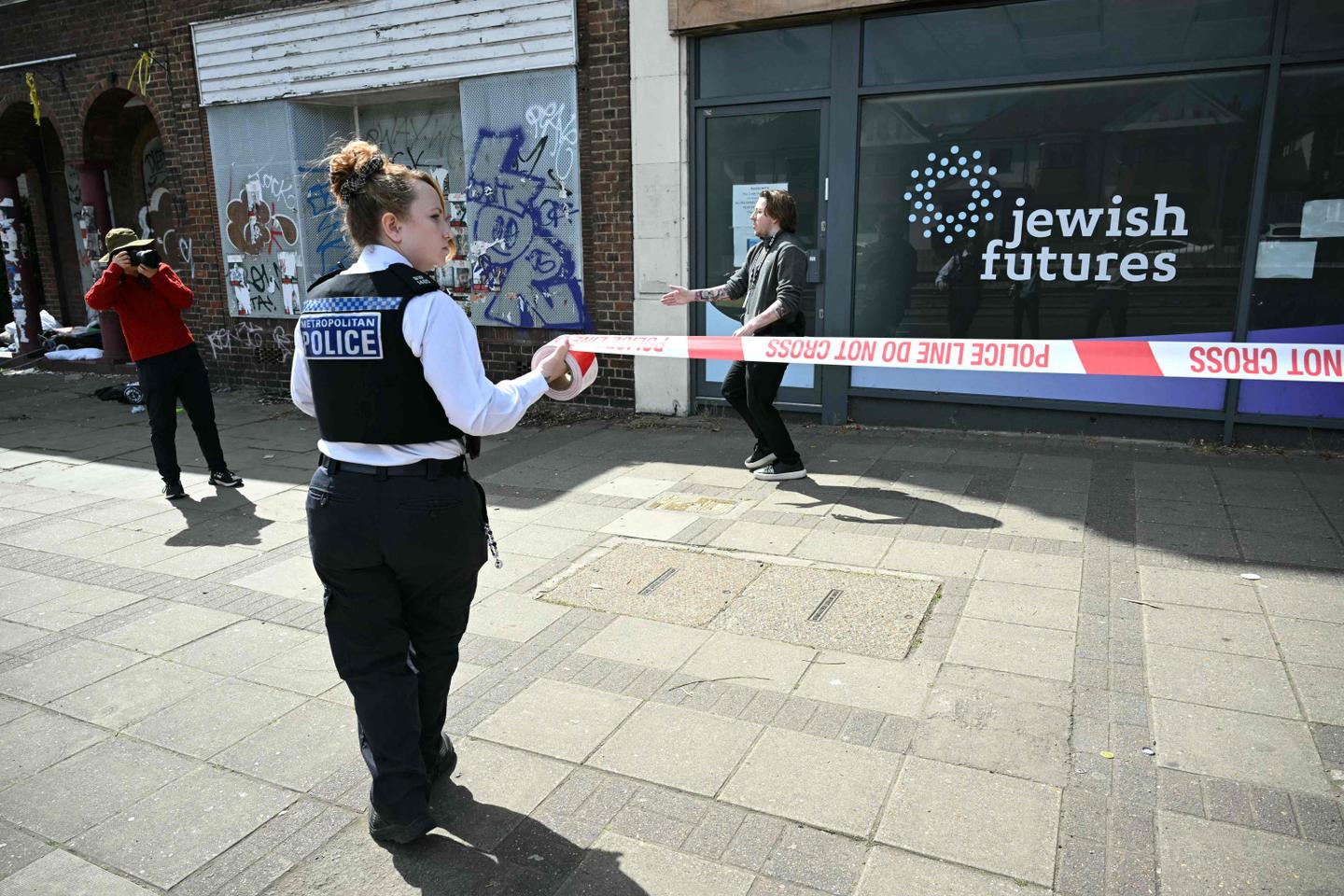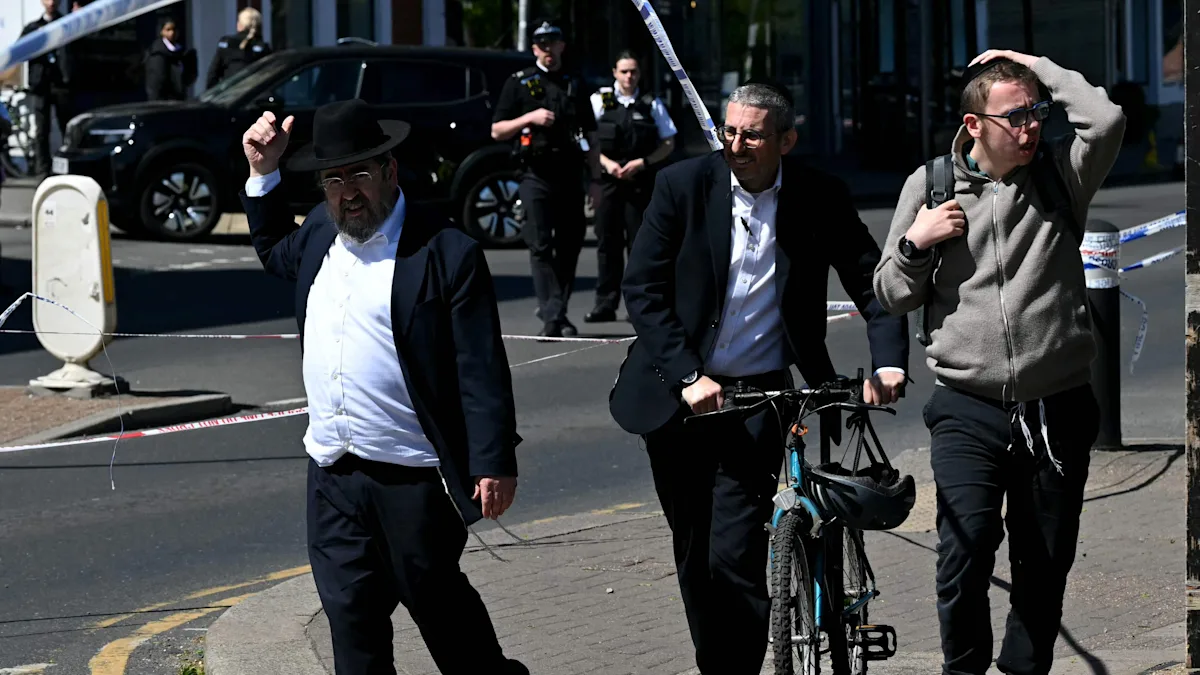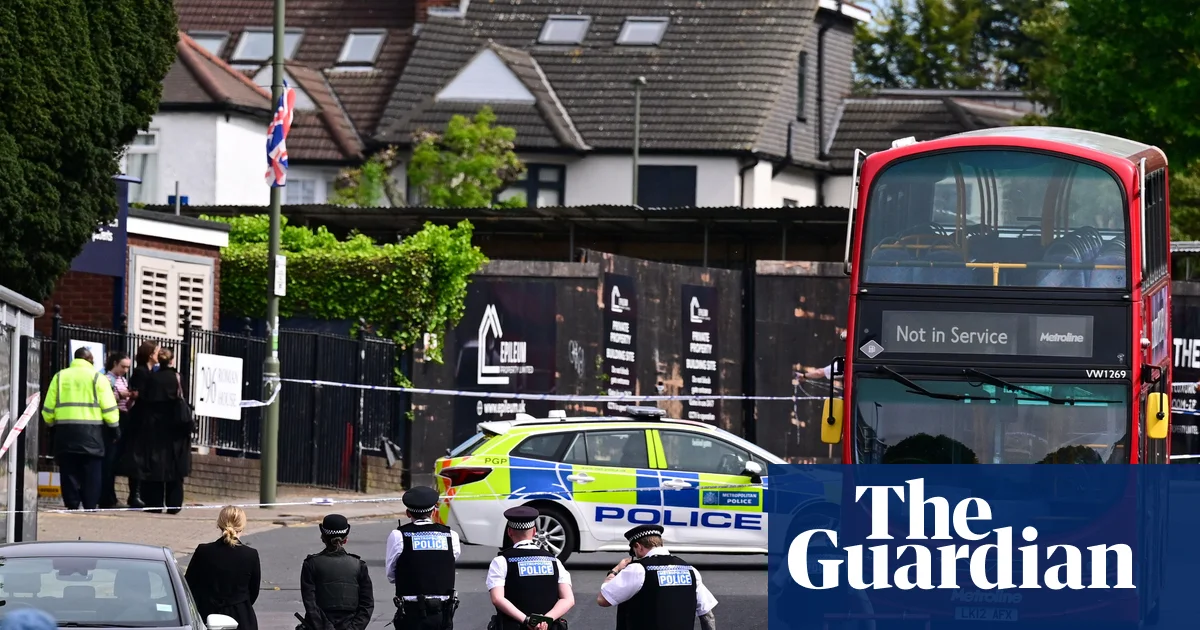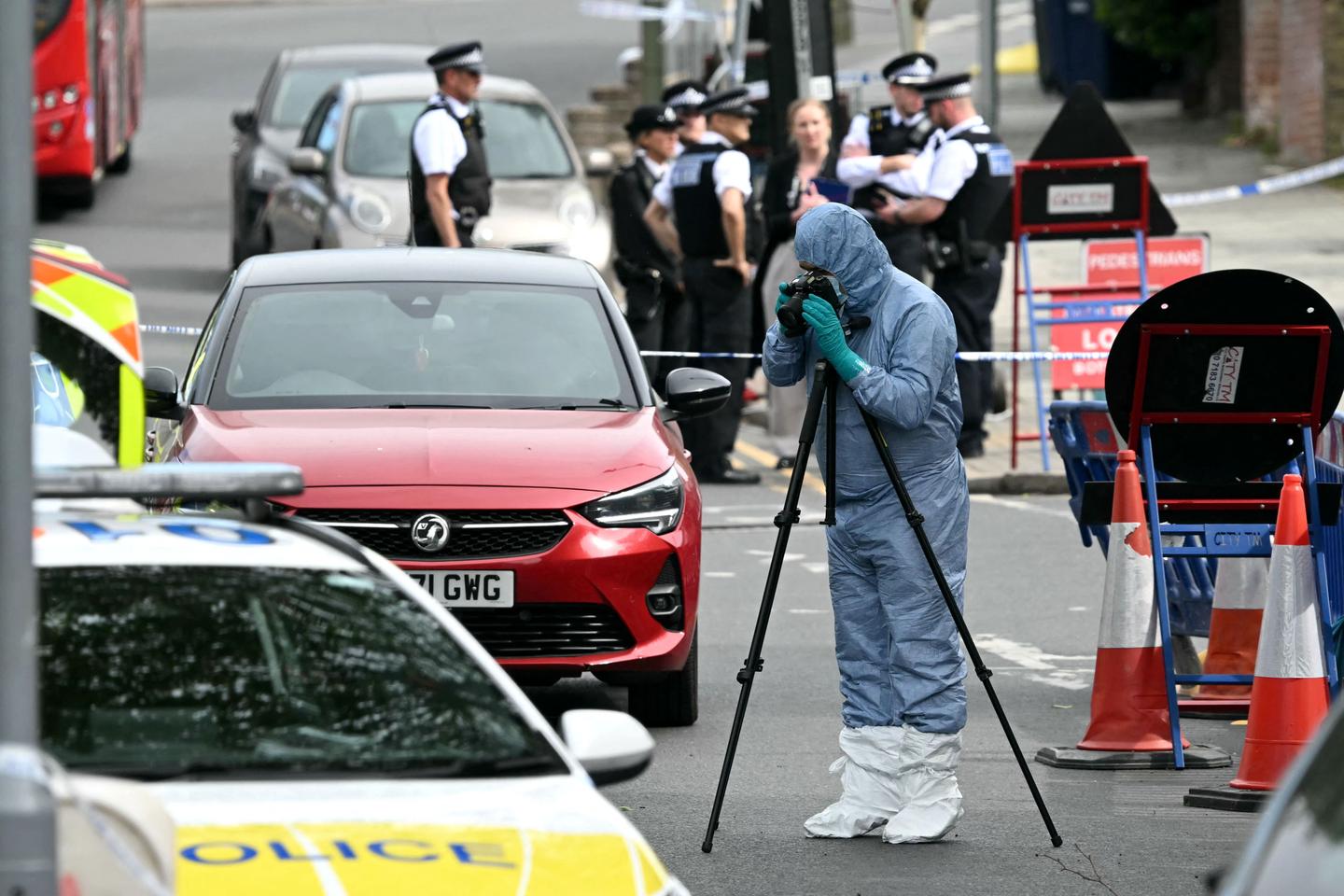
At the scene of the stabbing in the Golders Green neighborhood, London, on April 29, 2026. JUSTIN TALLIS/AFP
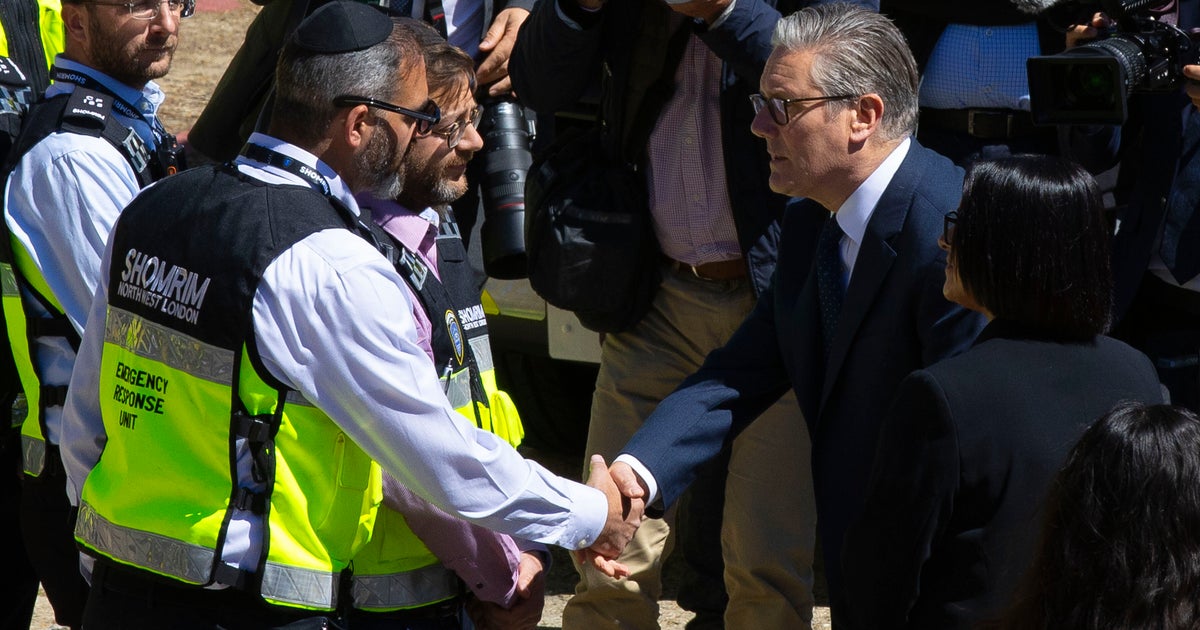
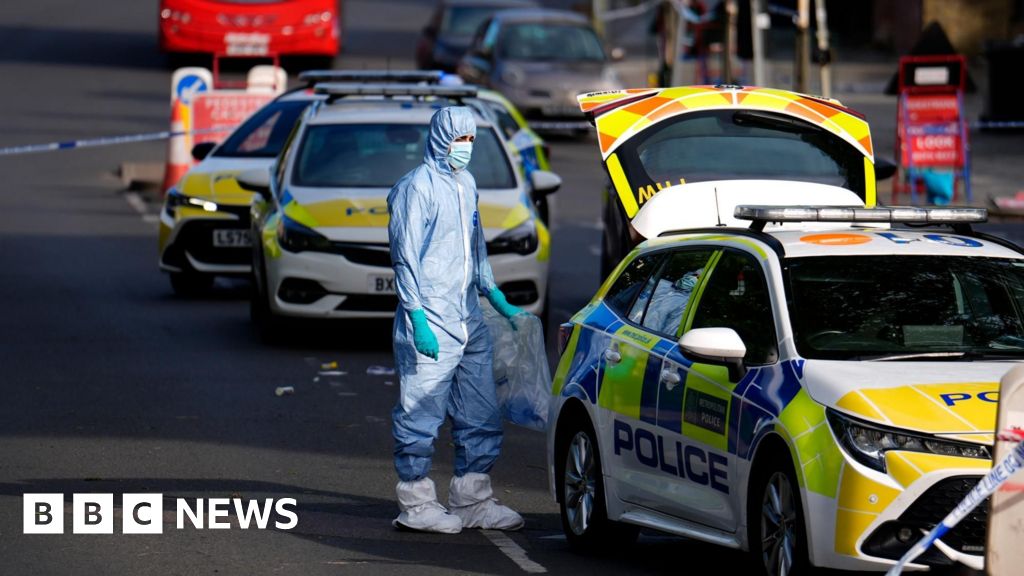
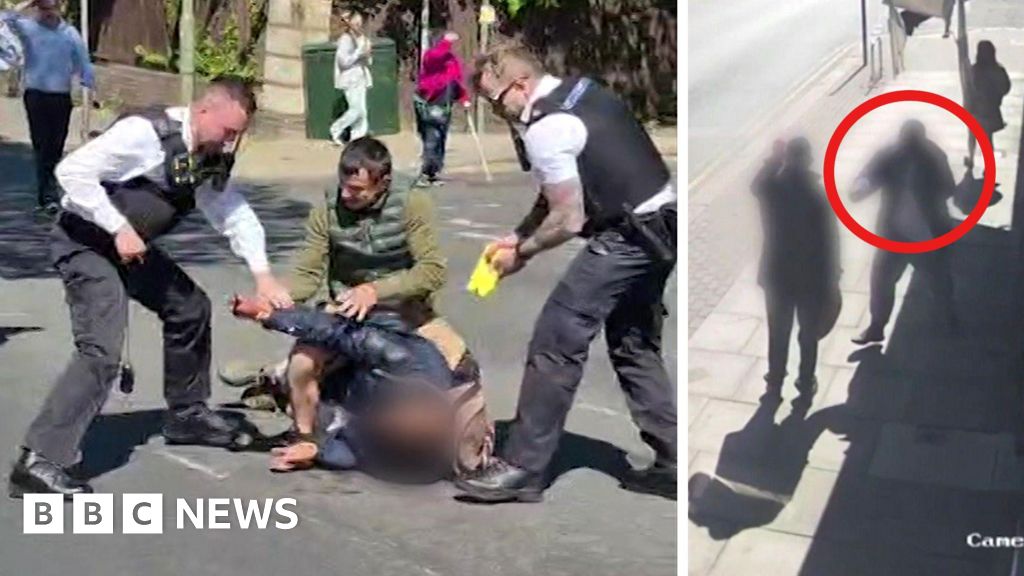
A stabbing, described as a "terrorist" incident by British authorities, left two members of London's Jewish community injured on Wednesday, April 29, and has heightened concerns throughout Europe. Until now, violence – including attacks, damage to property, or arson – carried out on European soil in response to the joint US-Israeli strike against Iran on February 28, had largely been limited to property damage and of relatively low intensity. "This is the first time individuals have directly targeted people," commented a senior French counterterrorism official. "It's a turning point, a development we must take into account."
Since the start of US and Israeli strikes against Iran, European intelligence agencies had been closely monitoring the possibility of an "asymmetric response" from Iran, whose military resources are far more limited. This so-called "weak against strong" strategy could involve opening a new front at little cost by exporting terrorist violence to Western soil. The agencies' vigilance was justified. Among other incidents, a bomb was planted by the US embassy in Oslo, Norway, on the night of March 7. That same day, an improvised explosive device detonated outside a Jewish school in Amsterdam. On March 9, a fuel canister wrapped in commercially available firecrackers damaged a synagogue in Liège, Belgium. Then, on the night of March 27, an incendiary device was discovered near the Bank of America offices in Paris.