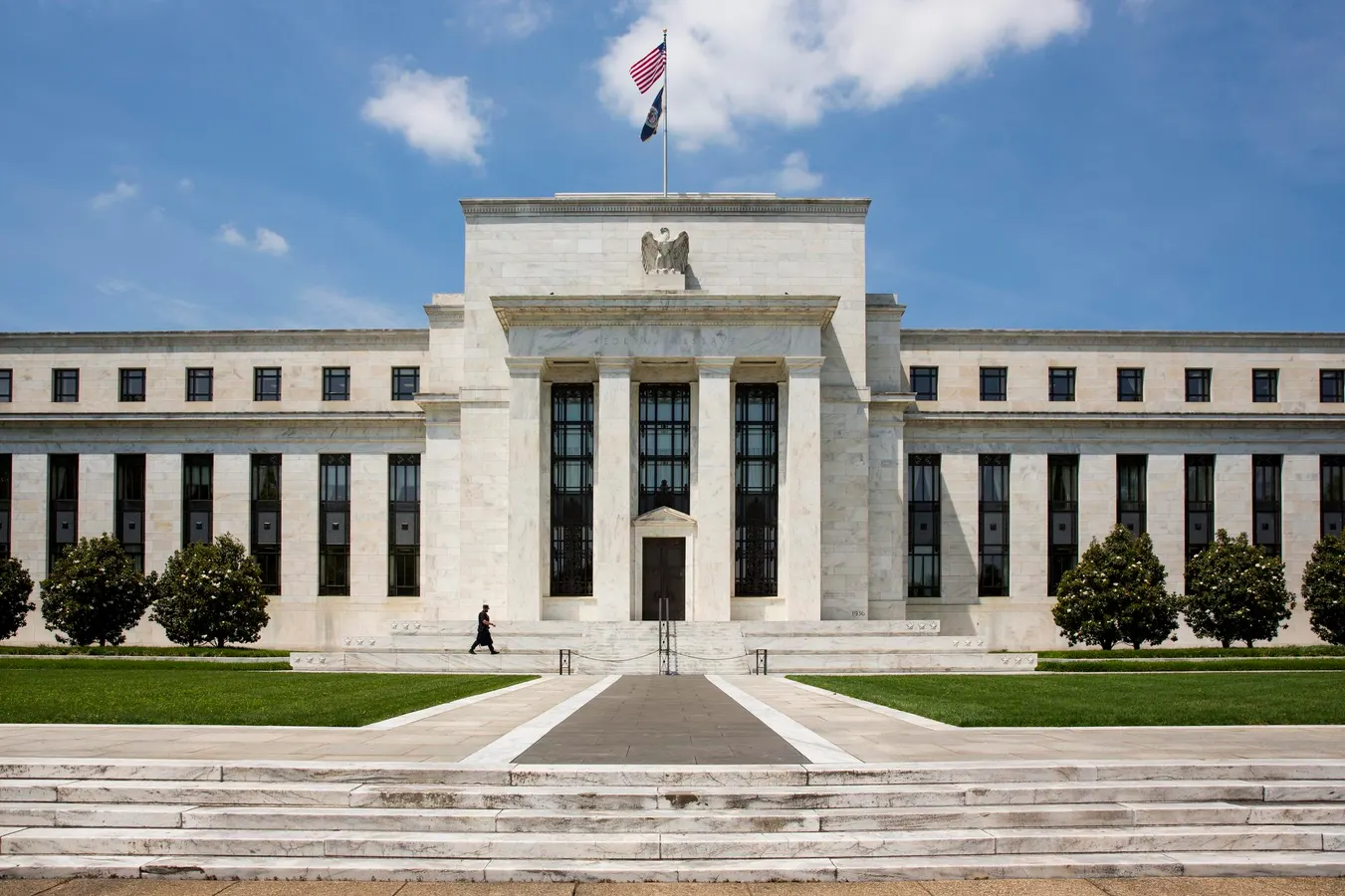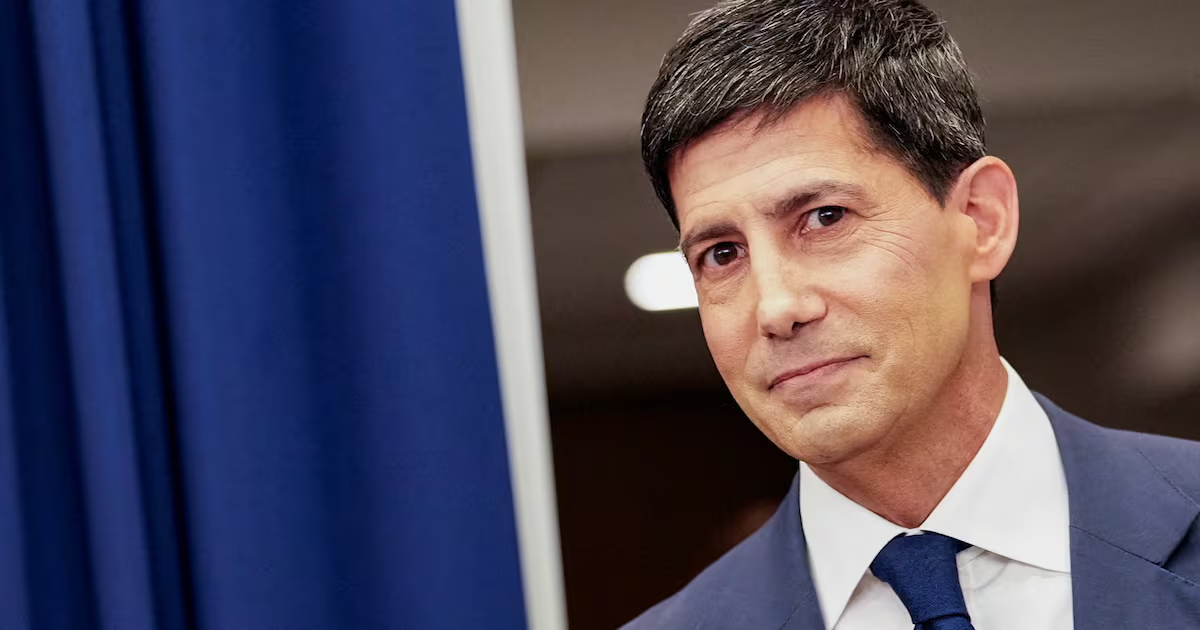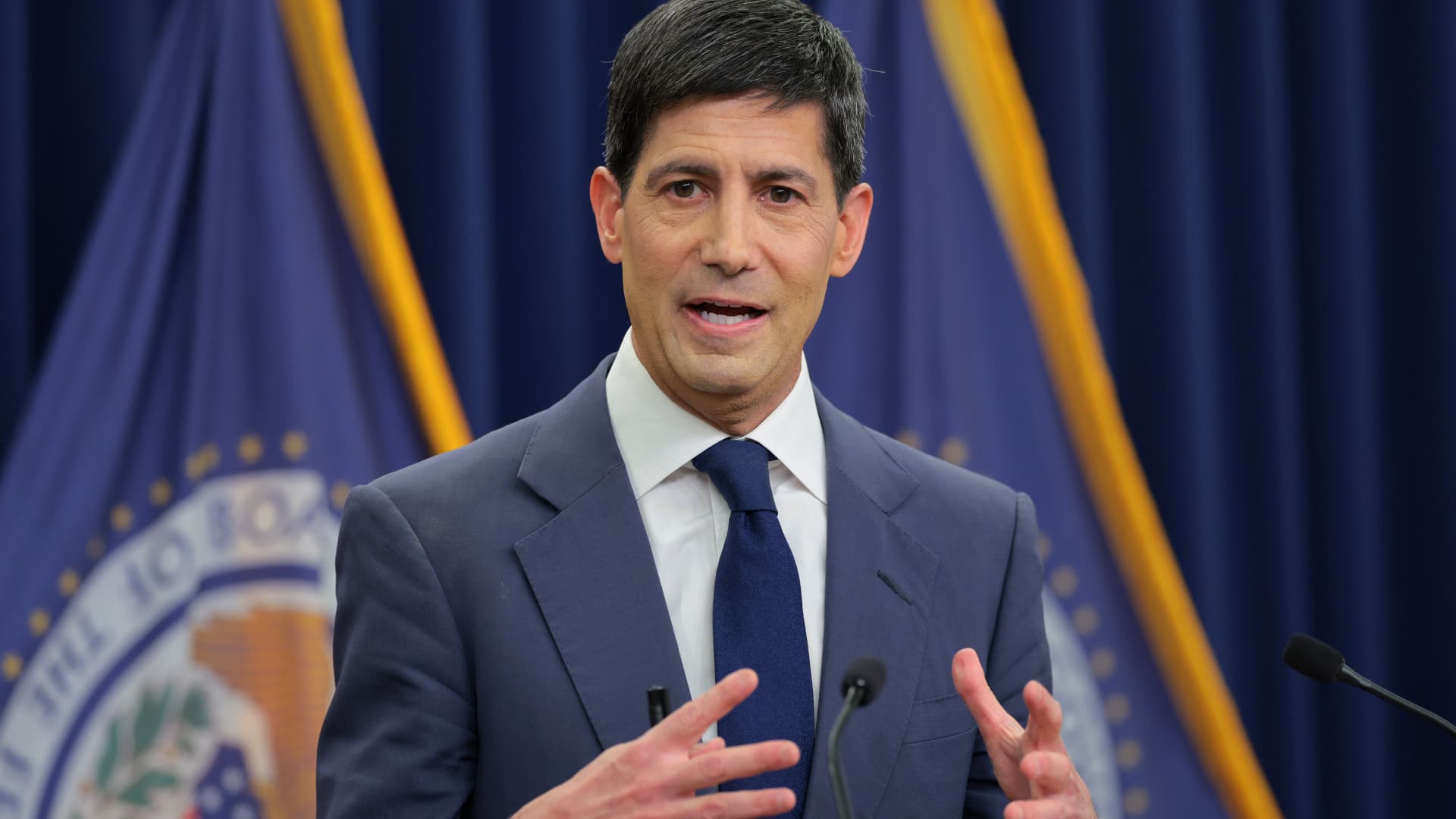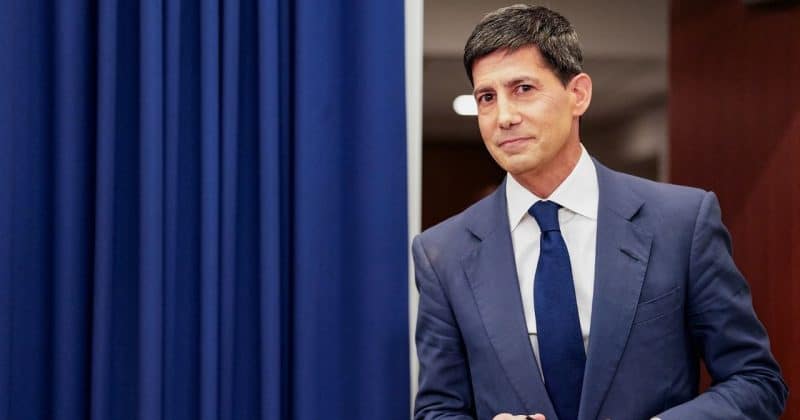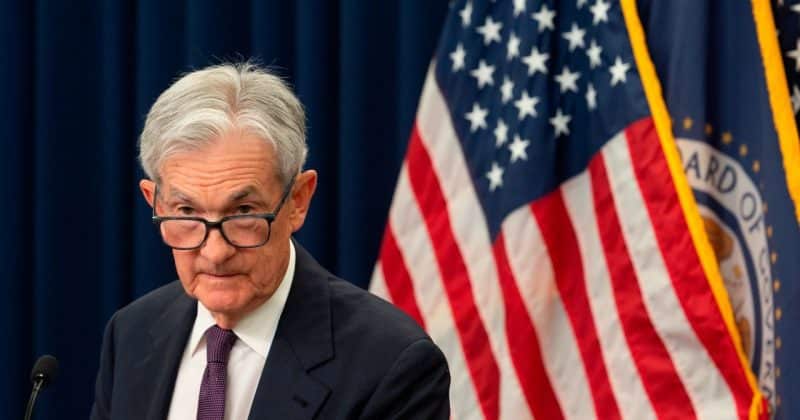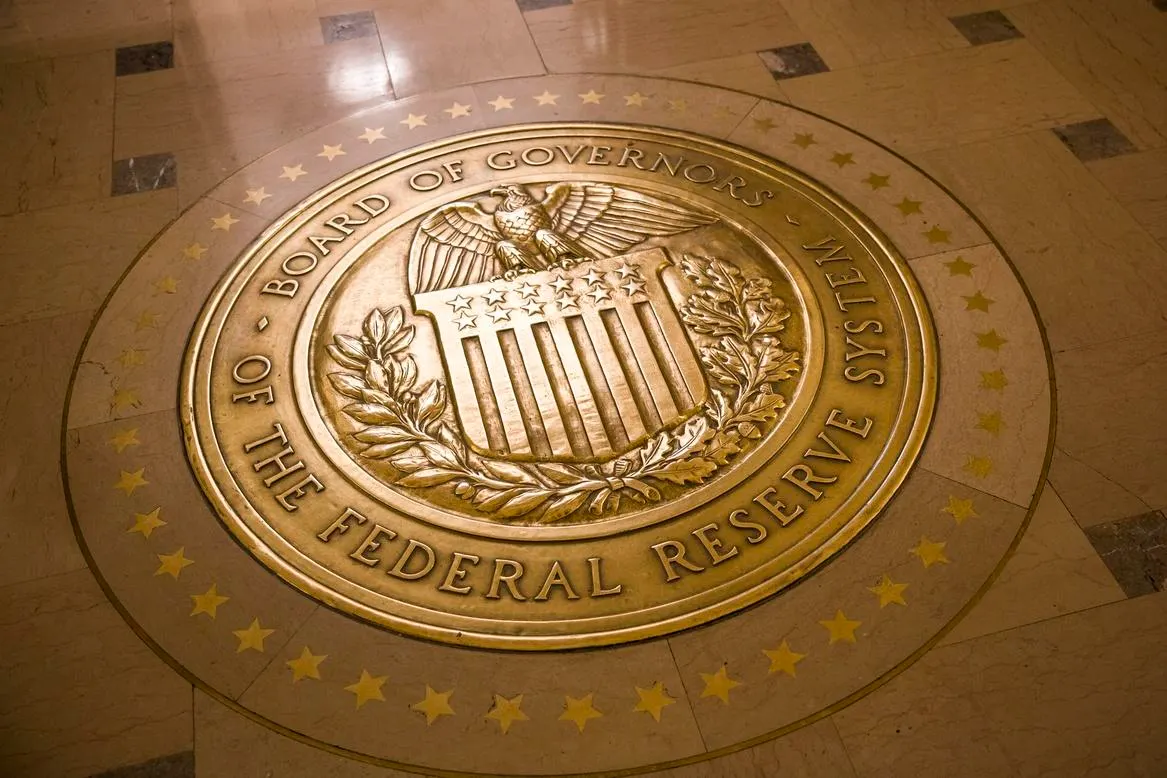
A gold-plated seal inside the Eccles Building, home of the Federal Reserve System. (Photo by Brooks Kraft/ Getty Images)Getty ImagesThe dysfunction of the Federal Reserve was on display this week at its meeting; it essentially did nothing. It shows why Kevin Warsh must turn the place upside down when he replaces Jerome Powell as the head knocker on May 15. The commentary about the Fed reflects what’s wrong with how this institution operates. Markets wanted to know what the likelihood was of an interest rate cut or increase—and when. There was wailing about the ongoing Iran war’s impact on prices. There was teeth gnashing over possible bubbles lurking from private credit lending and the mind-numbing outlays for data centers. Commentators fretted as to how all this makes the Fed’s job so difficult.The focus here is mistaken. The real difficulty when Kevin Warsh takes over in a couple of weeks is in fundamentally overhauling the Fed’s operating premises. Basically, our central bank believes inflation comes from a fast-growing economy. It has a bias against robust prosperity. It confuses price changes caused by disruptions in production due to events such as the pandemic and the current war with Iran with price distortions caused by reducing the value of the dollar. The Fed also can’t quite grasp that prices in a free market will fluctuate with supply and demand. Just as bad, it doesn’t understand that the cost of living can rise as an economy becomes richer. In a very poor country, you can hire a barber for a couple of bucks, but you’re not going to find many dog groomers there. When people become more affluent, you get a plethora of products and services—and people are able to pay for them.A most astonishing phenomenon is how just about everyone on the political spectrum accepts the idea that the Federal Reserve should try to manipulate economic activity, that is, depress or stimulate the economy, usually by jiggering interest rates. We’re constantly treated to commentary ruminating over whether or not cutting interest rates is the right or wrong thing to do given current economic conditions. This way of looking at the world is more fitting for the old Soviet Union. The cost of renting money should be set by the market place, not by modern-day monetary commissars ensconced in the Federal Reserve building in Washington. Other than dealing with a financial panic or protecting the value of the dollar, the Fed should leave interest rates alone.What makes the Fed’s view of its mission even more preposterous is that its models are deeply flawed, something that Kevin Warsh is well aware of. The models ignore the impact of regulations and misinterpret changes in tax rates. This is why Fed actions and their timing have been so off course for so long. The obtuseness of our central bankers isn’t unique. It’s shared by almost all of the world’s central bankers. They hardly ever talk about currency stability.It’s never easy to change a powerful but perversely operated and hidebound institution. Fortunately, the chairman has real powers. He controls where a governor’s office is and whether that governor can get any staff assistance, not to mention where he or she can park. In short, he has the means to neuter them. He can also hire and fire Fed personnel. Warsh can also shed light on the Fed by opening up its meetings to the public and encouraging real debate instead of the stilted, scripted gatherings we have currently. The sooner we get fundamental changes, the sooner the disruptive behavior of our central bank will end.
Kevin Warsh Must Turn The Fed Upside Down When He Replaces Jerome Powell
The Federal Reserve is a dysfunctional entity that badly needs the overhaul it will likely get from its incoming boss, Kevin Warsh.
597 words~3 min read