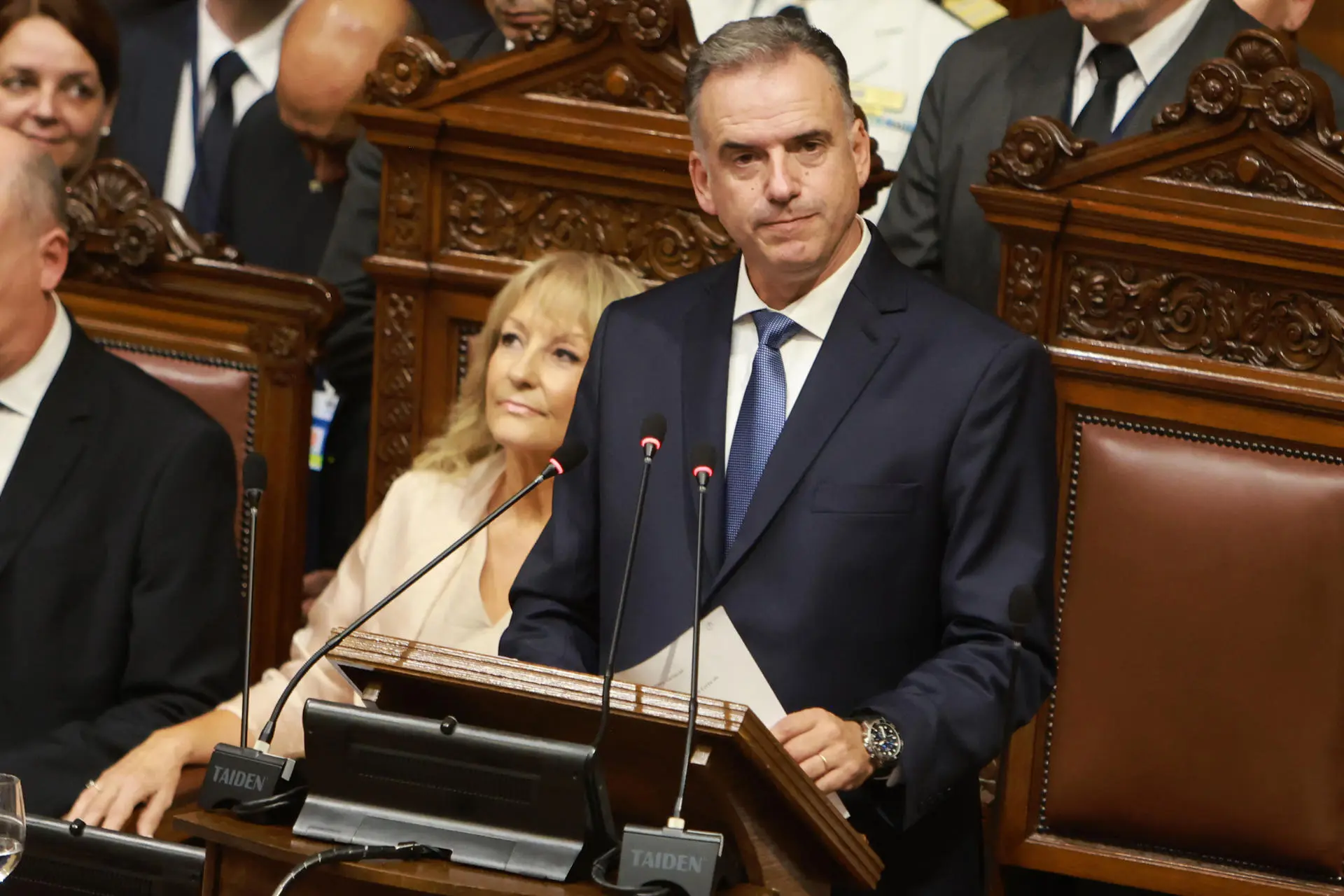
April 30 (UPI) -- When Yamandú Orsi took office in March 2025, returning the Frente Amplio party to power after five years in opposition, investors in Latin America were watching. Uruguay's sovereign spreads held steady. Its investment-grade ratings from the major agencies went untouched. By regional standards, the transition was unremarkable. That is the point.
Uruguay has spent two decades building a reputation that few countries in the region can match -- stable institutions, prudent macroeconomic management, and a sovereign cost of capital among the lowest in Latin America. The Economist Intelligence Unit ranks Uruguay among the hemisphere's strongest democracies, and foreign direct investment continues to flow into higher-value sectors.
Yet stability, however hard-won, is not a strategy. It is a starting condition.
Uruguay has long been the region's "good student." The question the Orsi government now faces is whether Uruguay can become something more: the preferred destination for patient, long-term capital in Latin America. The fiscal decisions of the next two years will largely determine the answer.
A fiscal framework under pressure