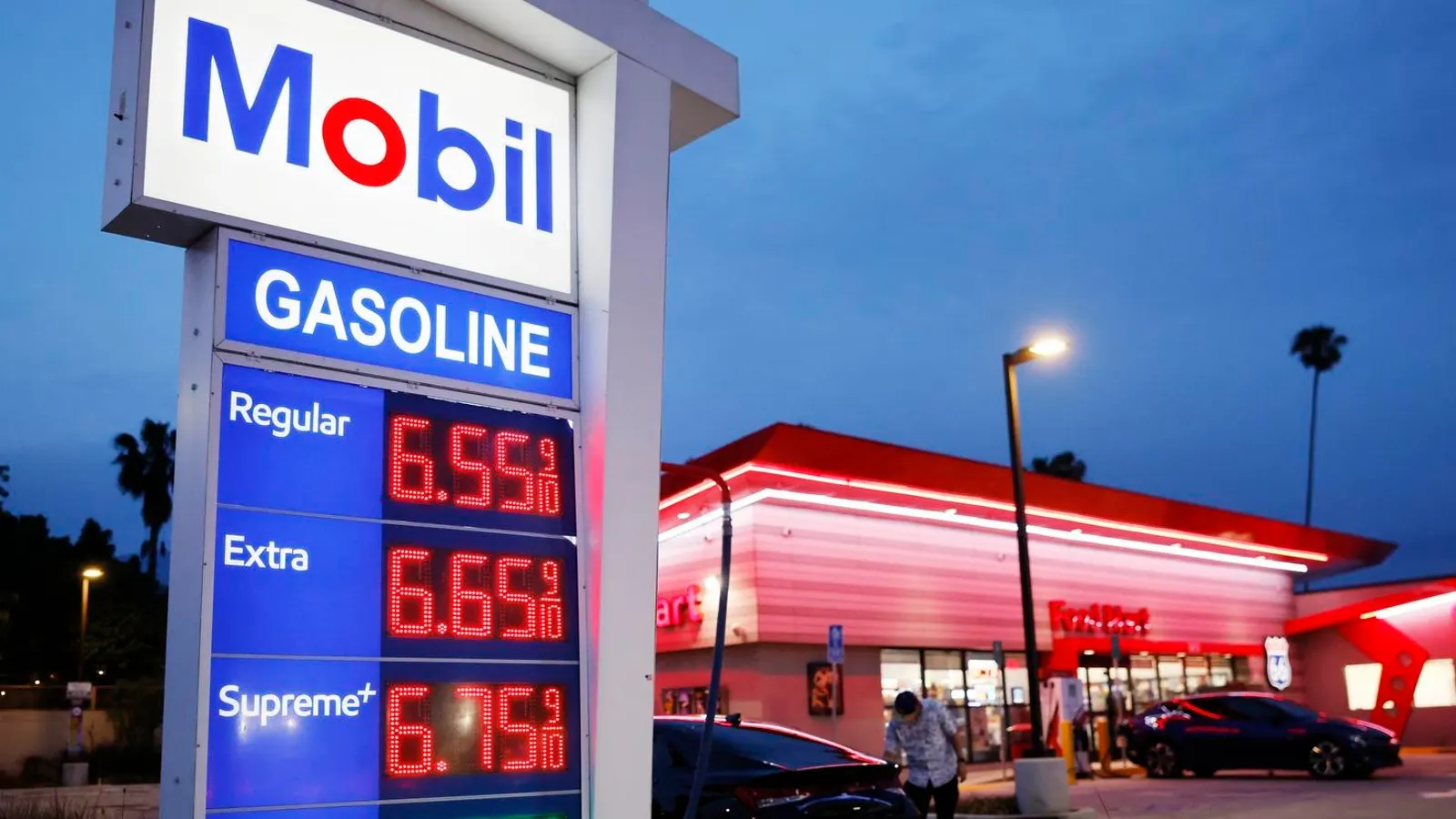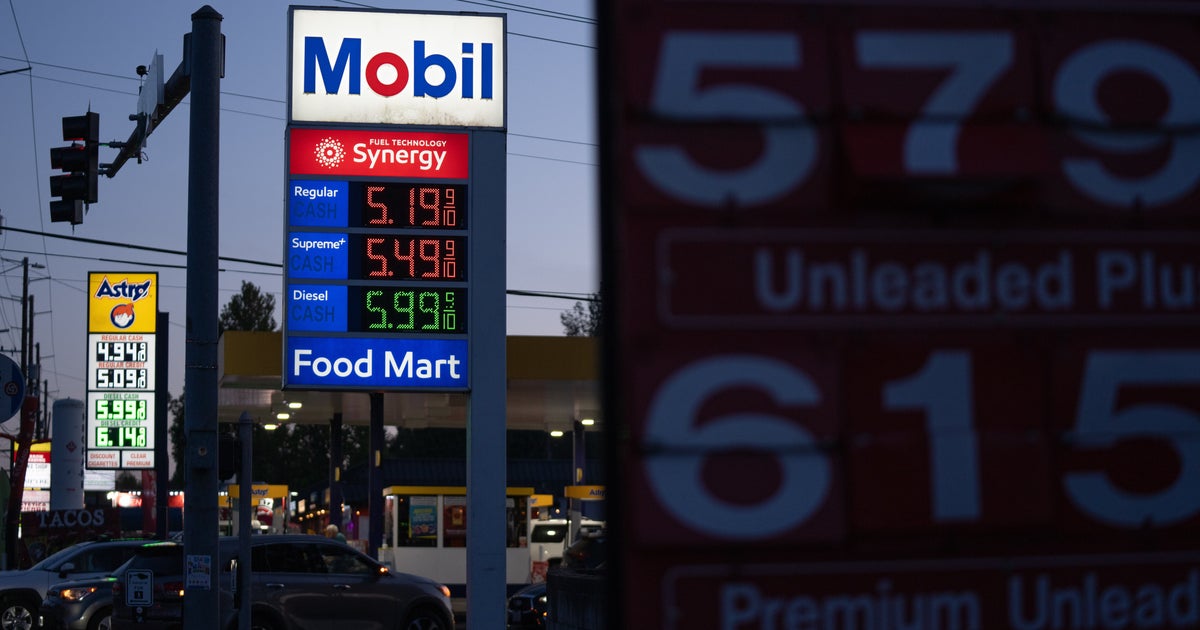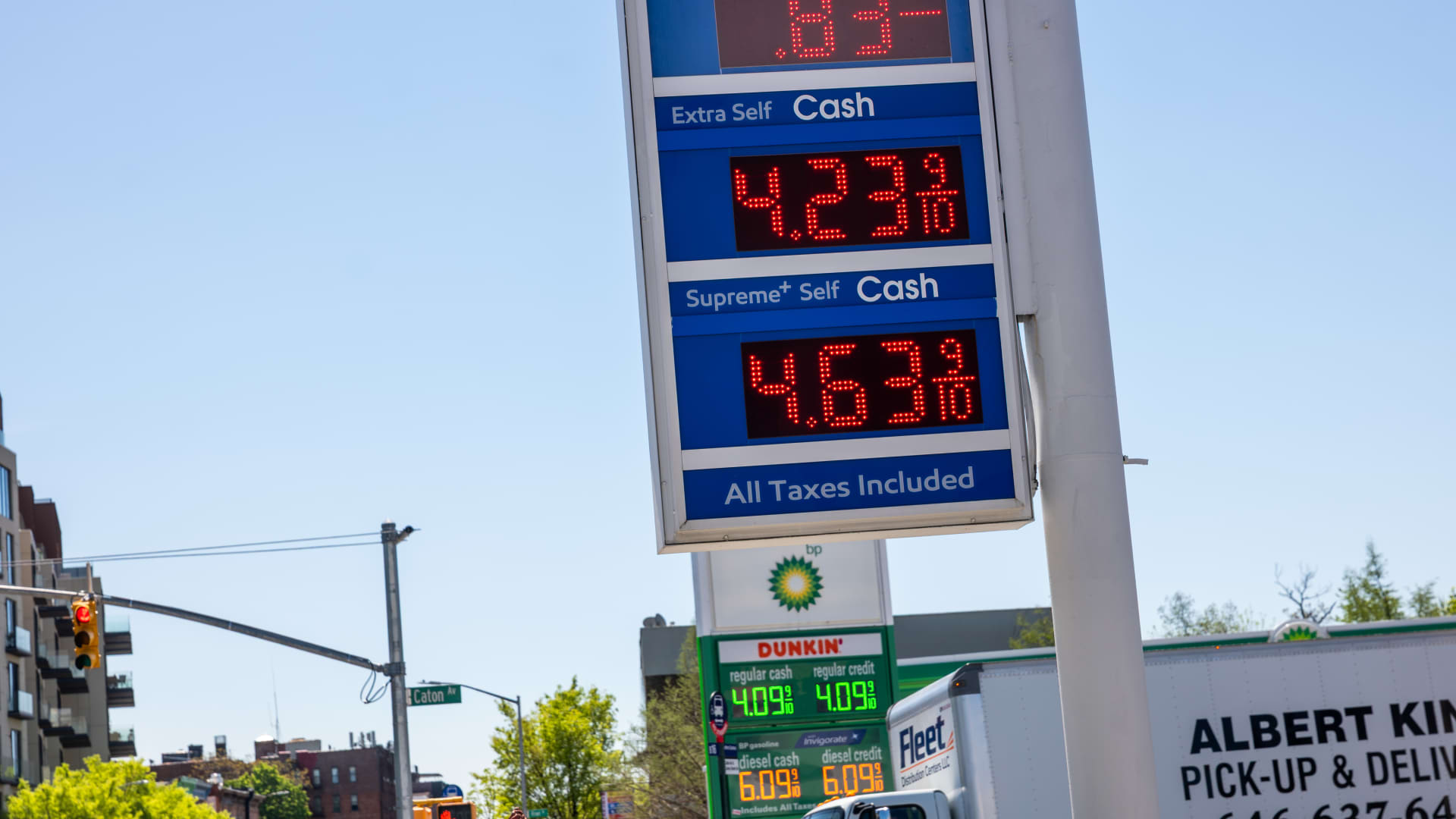
ToplineThe Federal Reserve’s favored inflation reading rose once again in March, according to federal data published Thursday, providing the latest insight into how the war in Iran disrupted consumer prices for Americans. An earlier inflation reading reported the largest single-month surge in energy prices in decades. Getty ImagesKey FactsAnnual inflation was 3.2% in March, up from 3% in February, according to core consumption expenditures index data reported Thursday by the Bureau of Economic Analysis.That matched consensus economist estimates, according to FactSet, settling above the Federal Reserve’s 2% target rate.Headline PCE was 3.5% in March, just below analyst projections for inflation to surge to 3.6%.The Federal Reserve prefers core PCE data over Consumer Price Index data because financial policymakers can better understand how Americans spend their money and how their spending habits shift over time.Crucial QuoteEllen Zentner, Morgan Stanley Wealth Management’s chief economic strategist, said in a note Thursday that a “stubborn” inflation reading will likely persuade the Federal Reserve against future interest rate cuts. “While ‘stubborn’ isn’t the same as ‘resurgent,’ as long as oil prices remain near their four-year highs, inflation will remain front of mind in the markets and keep the Fed on the sidelines,” Zentner said.Economic Growth Sped Up In Early 2026 After 2026’s Sluggish EndThe Bureau of Economic Analysis, in separate data published on Thursday, reported that gross domestic product grew at a 2% annualized pace in the quarter. That marked an acceleration from the sluggish 0.5% economic growth of the previous quarter, but still disappointed compared to analyst estimates of 2.2%. Surprising FactThe number of Americans applying for unemployment benefits reached its lowest level since 1969 last week, the Labor Department reported. Initial jobless claims totaled 189,000 for the week ending April 25, a reduction of 26,000 from the prior week and 25,000 below Wall Street’s estimates for 214,000. Continuing jobless claims—Americans already receiving unemployment benefits—also dropped to 1.79 million, the fewest since April 2024.Key BackgroundThe latest inflation reading comes one day after the Federal Reserve voted to hold interest rates between 3.5% and 3.75%. Monetary policymakers pointed to still-high inflation and a softening labor market, as inflation has remained above the Fed’s 2% target for years and has yet to show signs of cooling. The Federal Open Market Committee said in a statement that inflation was “elevated,” reflecting a surge in energy prices brought on by the Iran war, which Fed officials said contributed to a “high level of uncertainty about the economic outlook.” Further ReadingForbesIran War’s Inflation Impact: Energy Prices Surged In Largest Gain Since 2005By Ty Roush
Key Inflation Measure Jumped Again Last Month—Consumer Prices Remain High
An earlier inflation reading reported the largest single-month surge in energy prices in decades.
425 words~2 min read