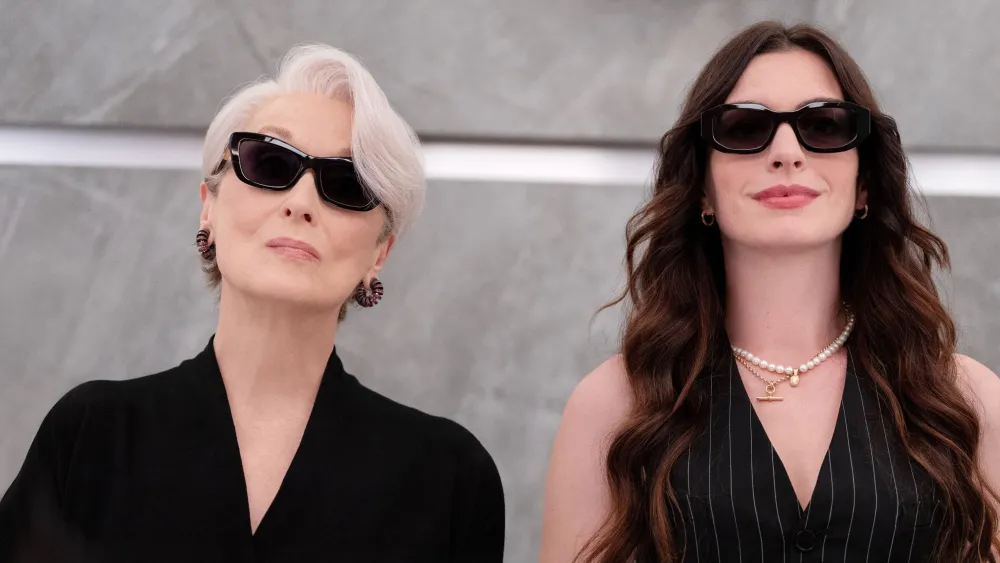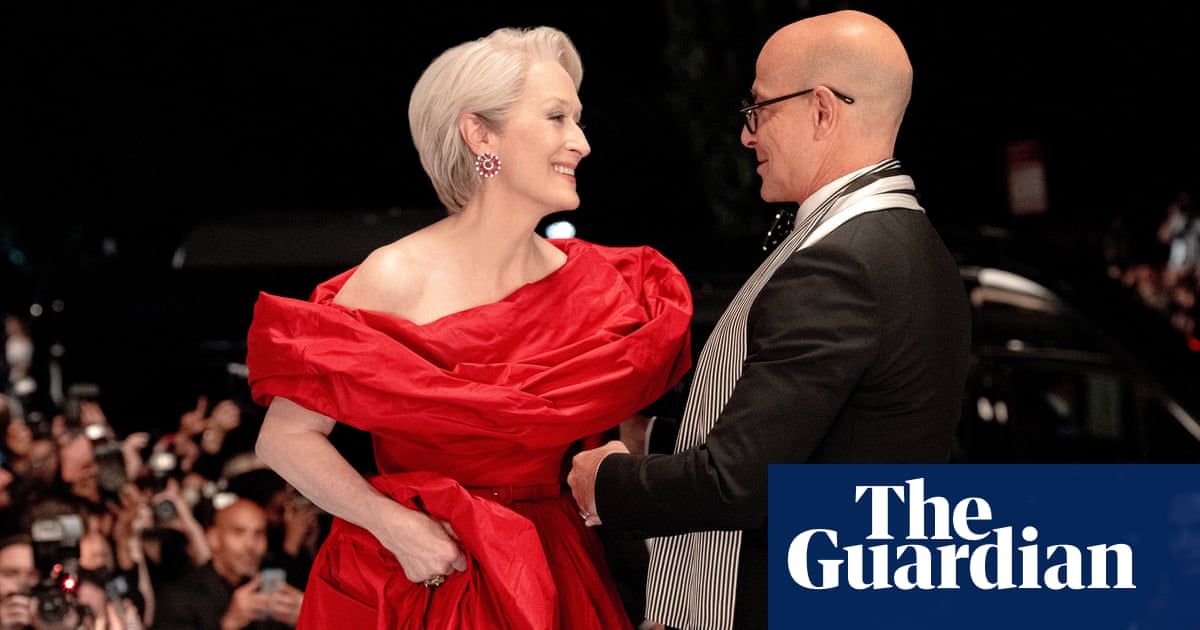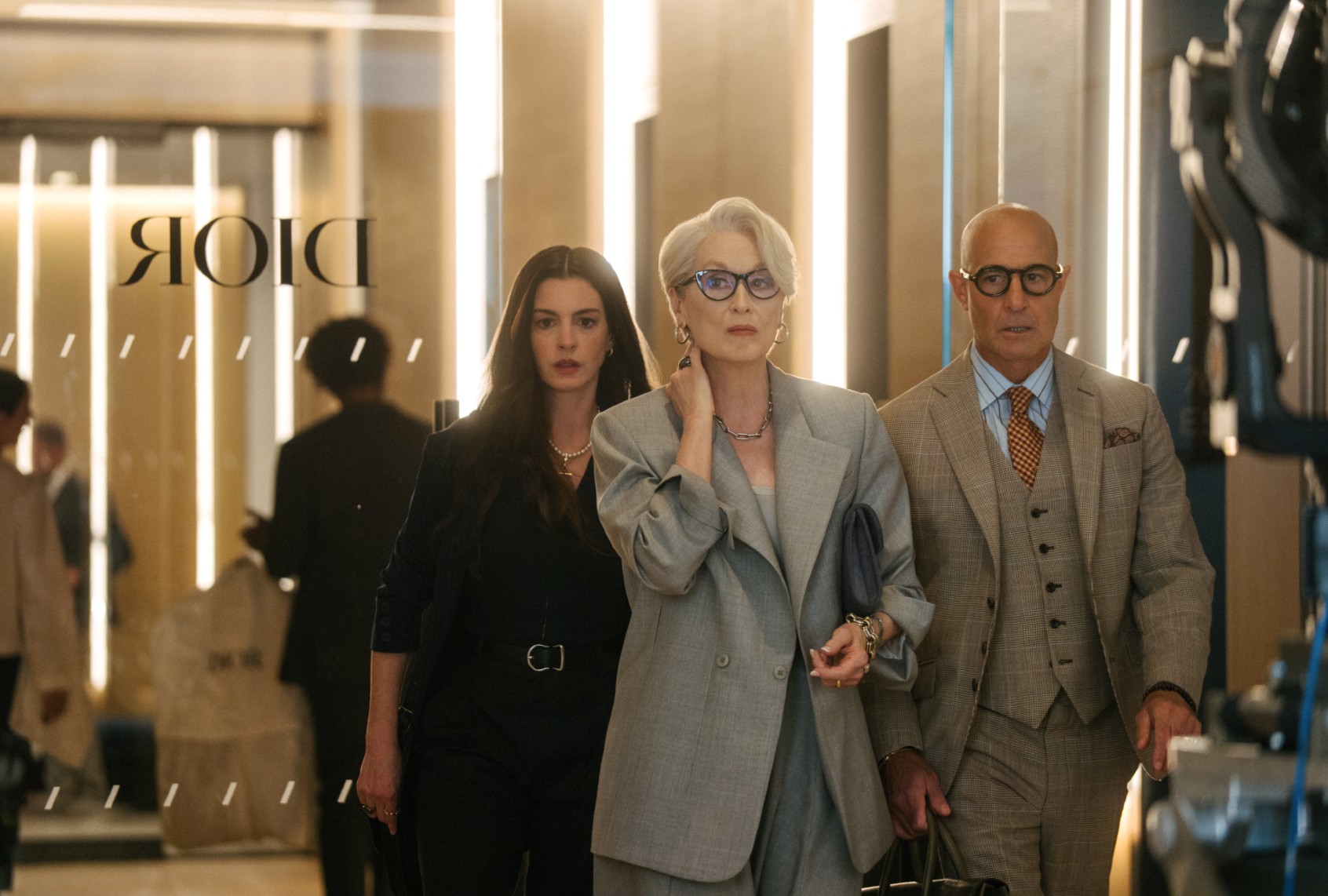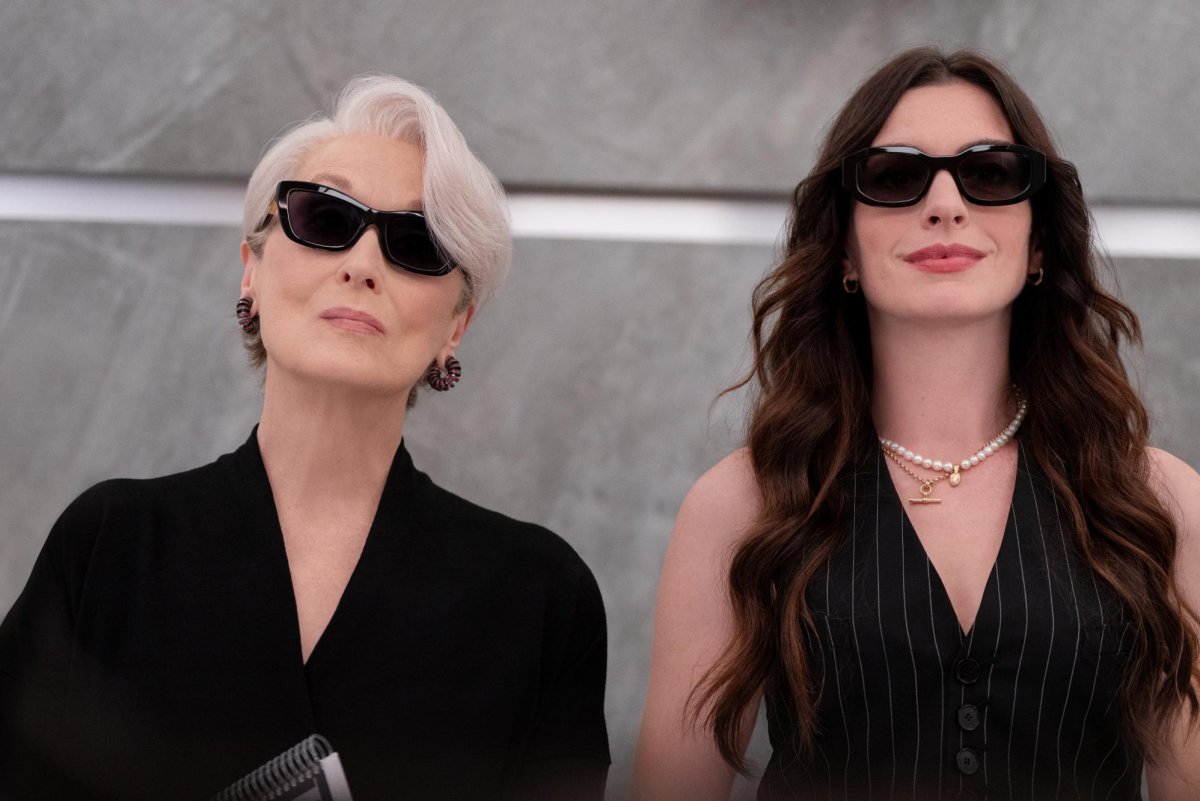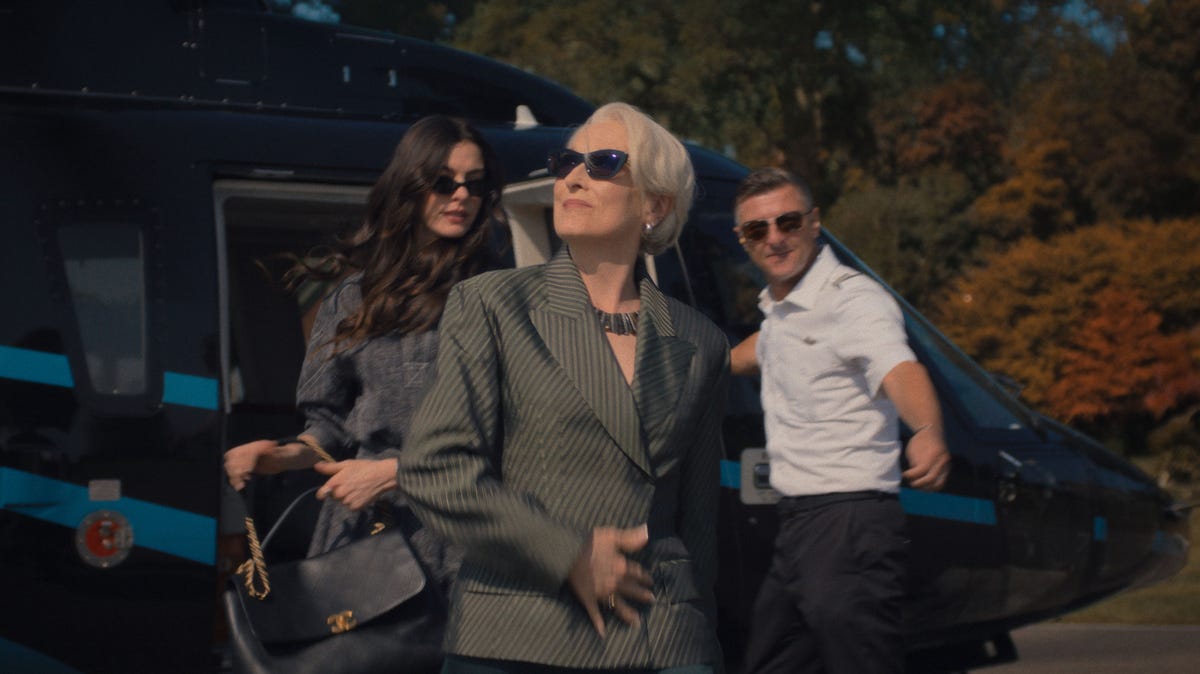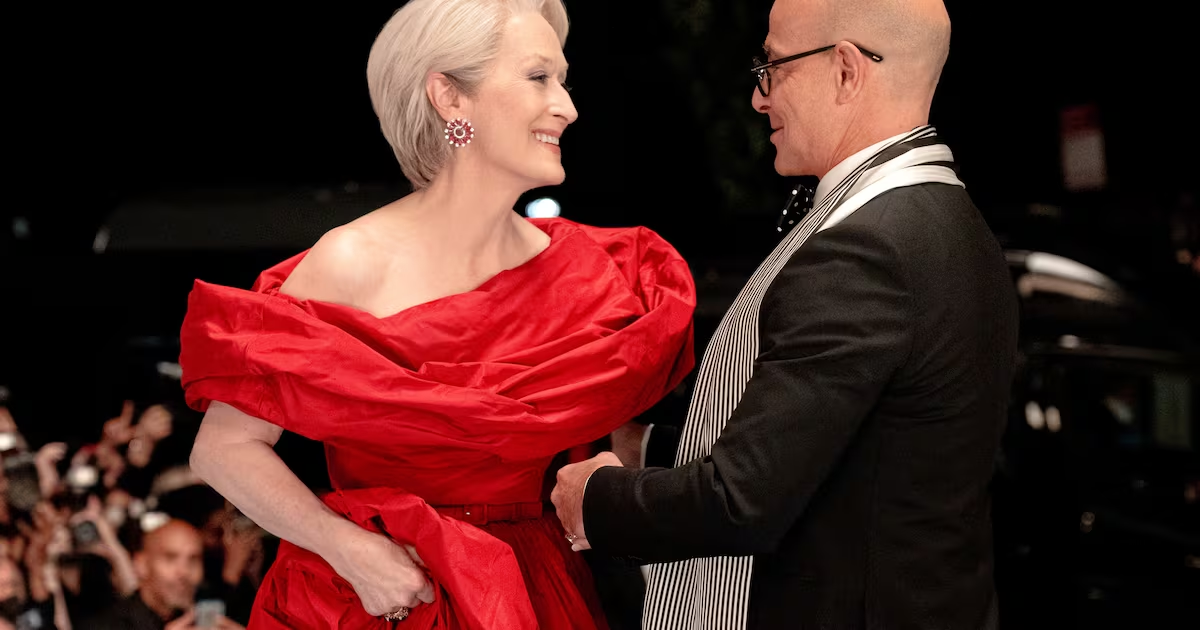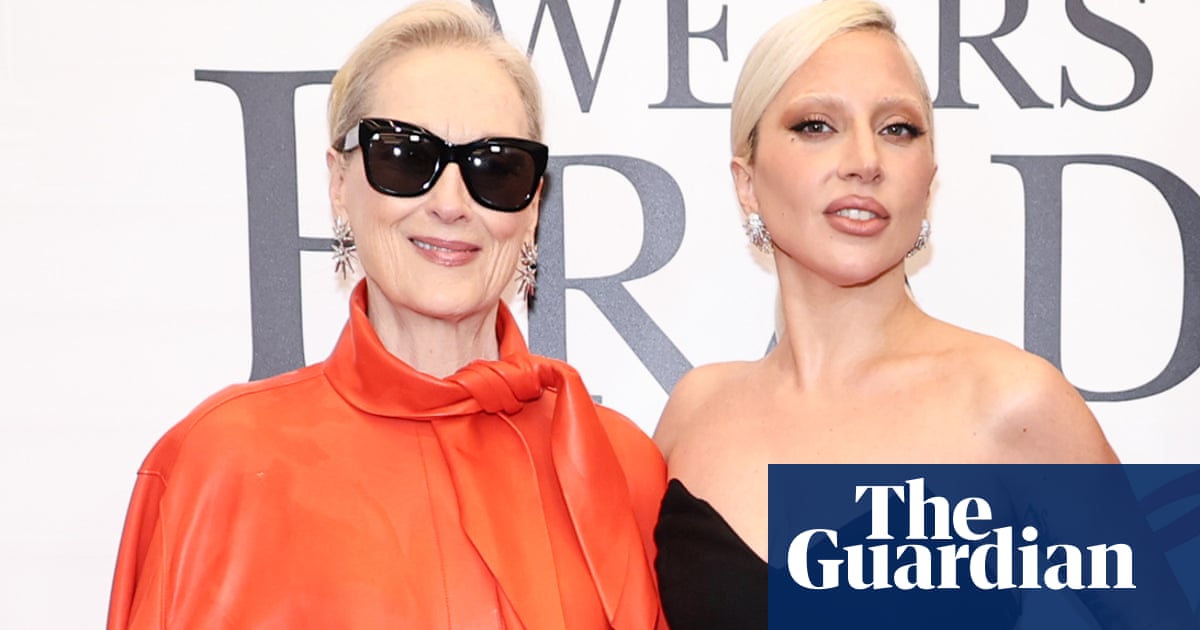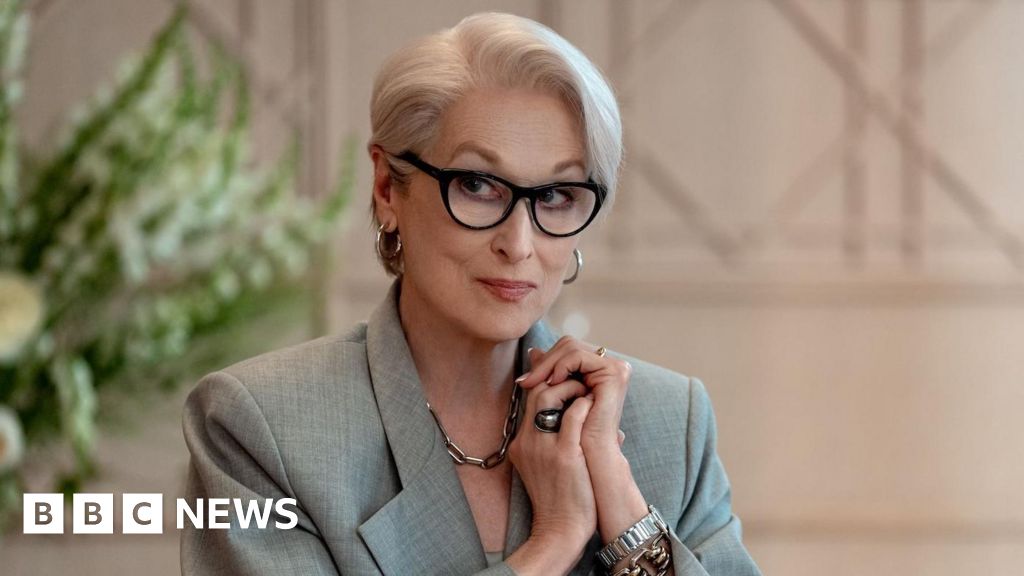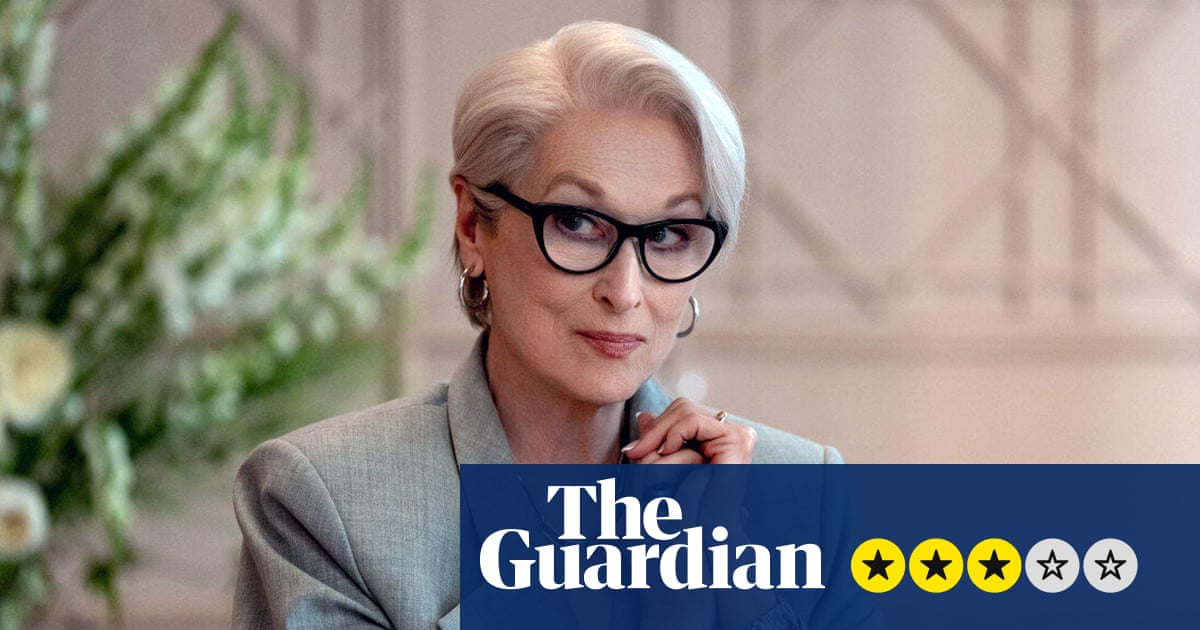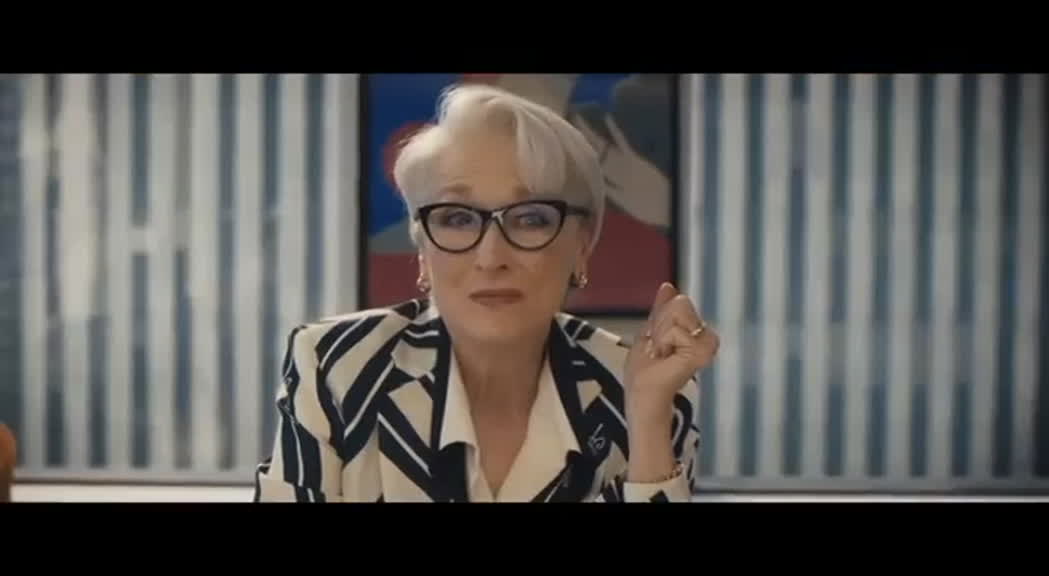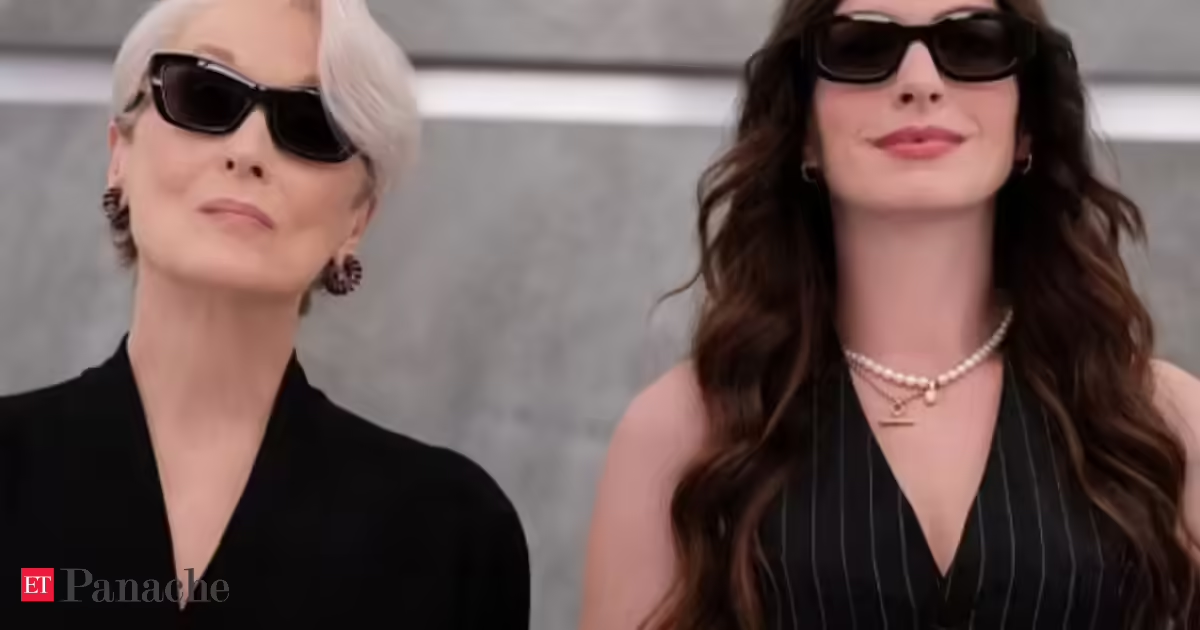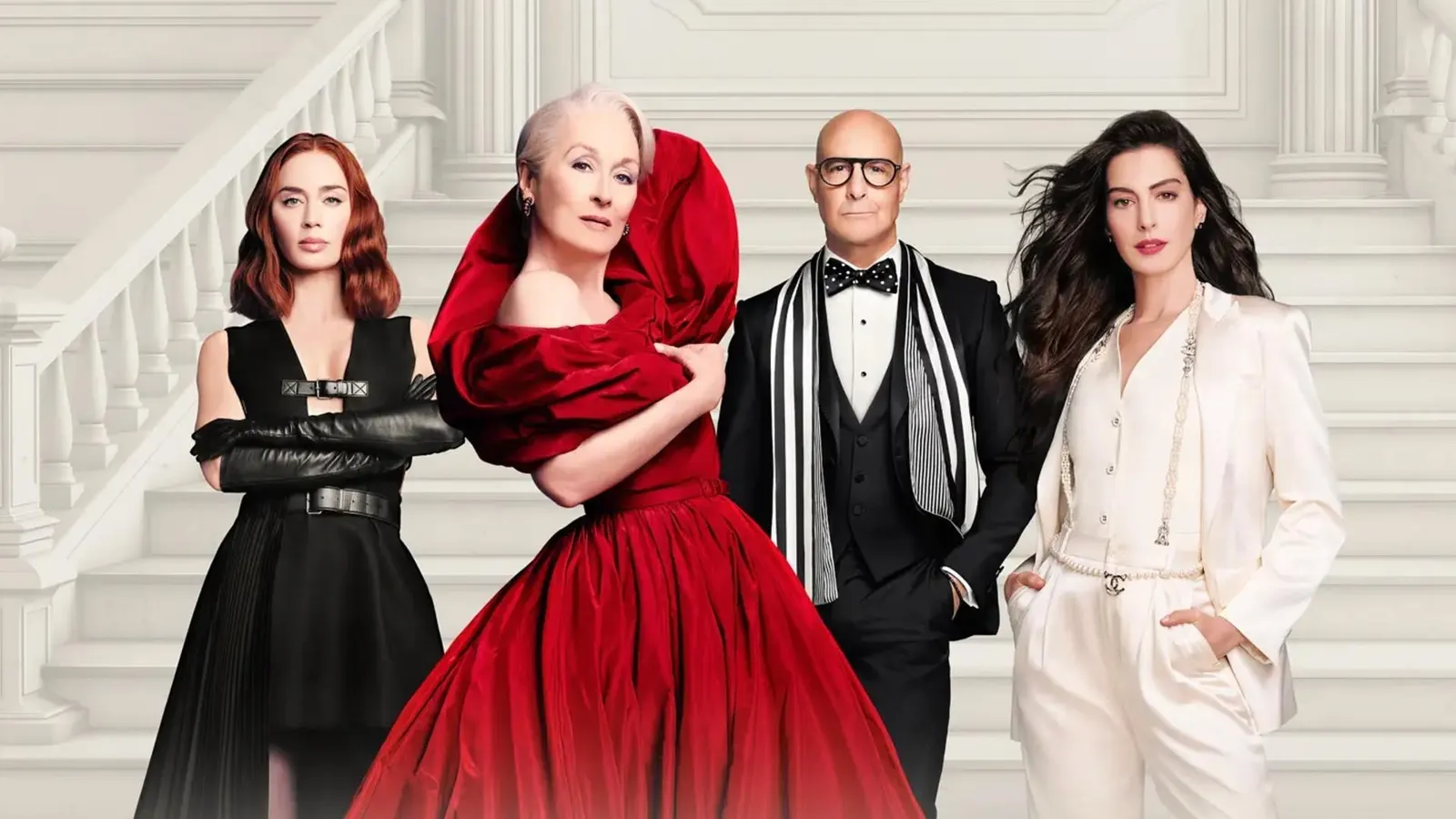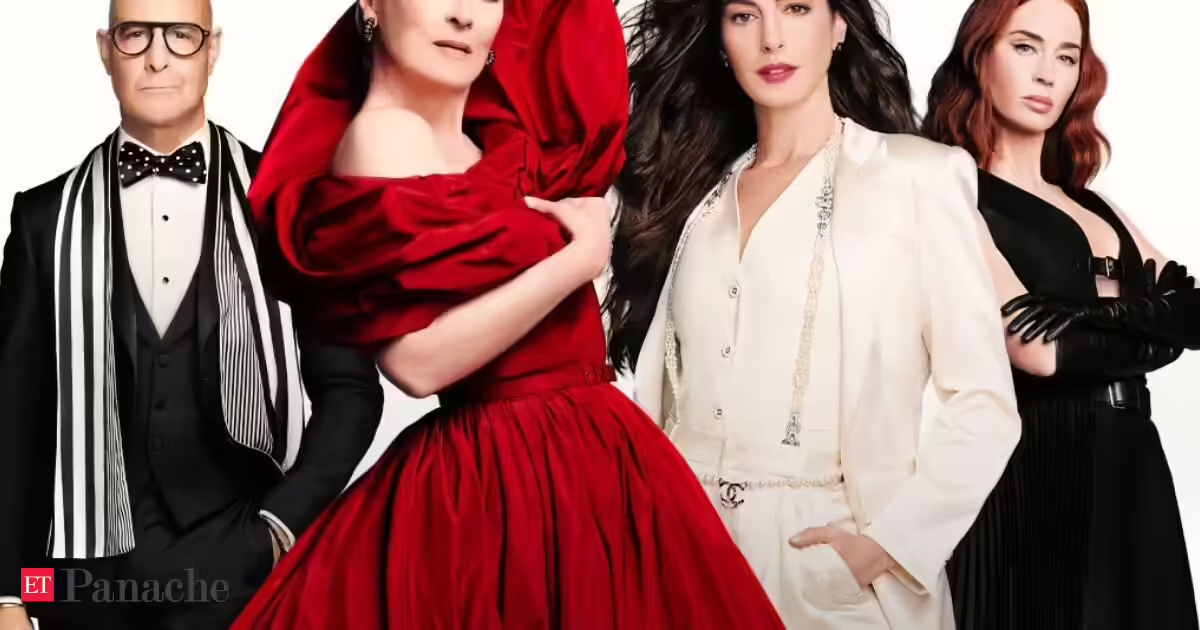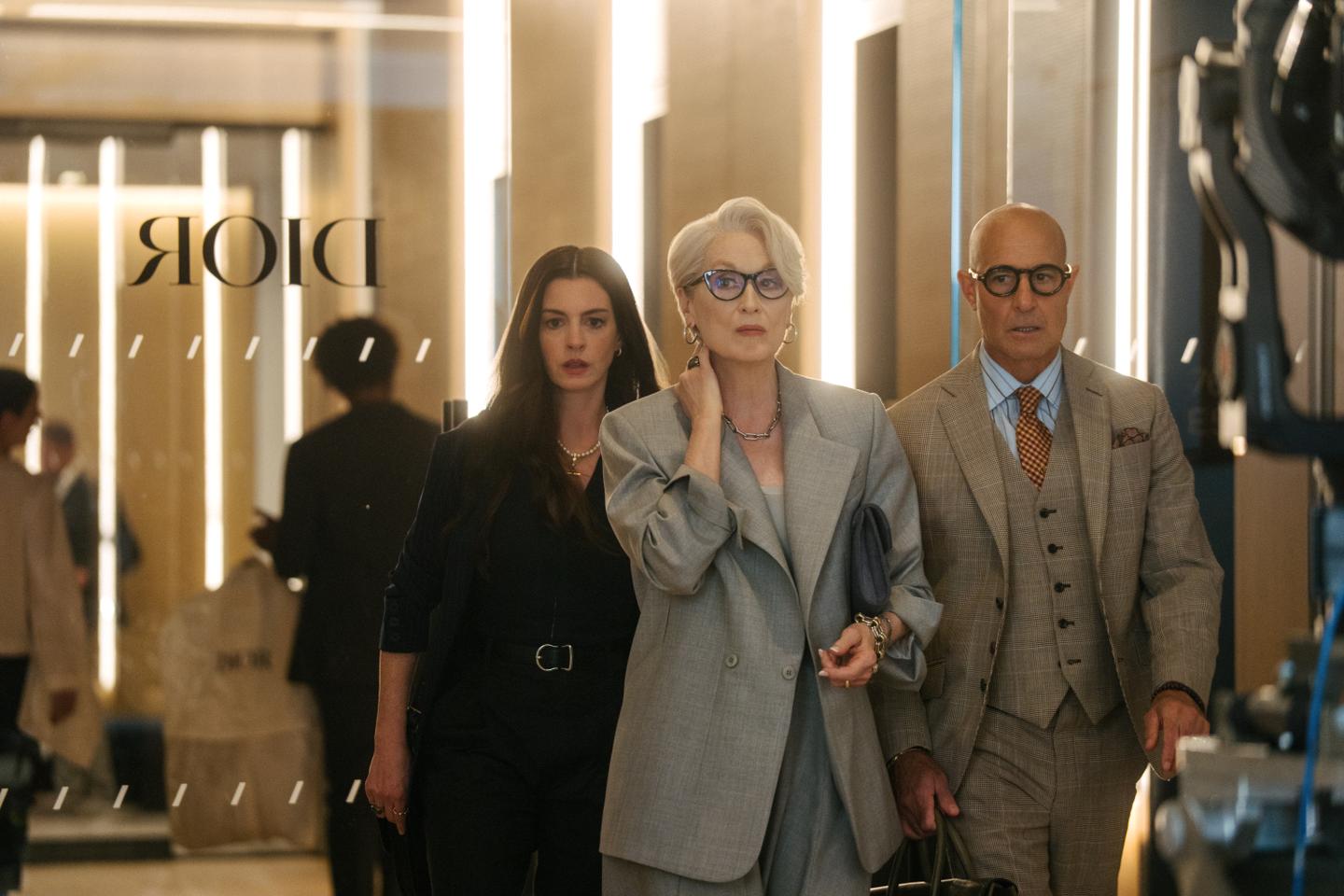
Anne Hathaway (Andy Sachs), Meryl Streep (Miranda Priestly), and Stanley Tucci (Nigel Kipling) in "The Devil Wears Prada 2," directed by David Frankel. MACALL POLAY/20TH CENTURY STUDIOS
LE MONDE'S VERDICT – WHY NOT
Adapted from Lauren Weisberger's bestselling 2003 novel, The Devil Wears Prada marked a turning point in the public imagination of fashion. The success of the book, followed by the 2006 film adaptation, flung open the doors to a world previously seen as closed and unattainable, turning the fashion industry into an object of fantasy for millions of viewers suddenly eager to enter it.
Both the novel and the film relied on a foolproof recipe, blending fascination and parody, offering audiences a behind-the-scenes look at a major fashion magazine, heightening its cruelest excesses, while giving access to its most mythologized figures. At the center is Miranda Priestly, a tyrannical editor-in-chief modeled after Anna Wintour, the once all-powerful editor of American Vogue, who embodies that icy and captivating authority. Played by Meryl Streep, the character remains one of the most memorable and popular roles of her career.
The original film's cultural impact lay in its ability to capture the spirit of a neoliberal era. It shifted the stakes of the romantic comedy from finding Prince Charming to landing a dream job, portraying young women willing to sacrifice their private lives and health. The film made devotion to work a highly desirable goal, romanticizing an exploited heroine and a toxic boss, and highlighting the ever-expanding role of work in women's lives. Ideologically charged, the film remained effective and well-written, belonging to a time when Hollywood still knew how to craft a comedy and bring its characters to life.