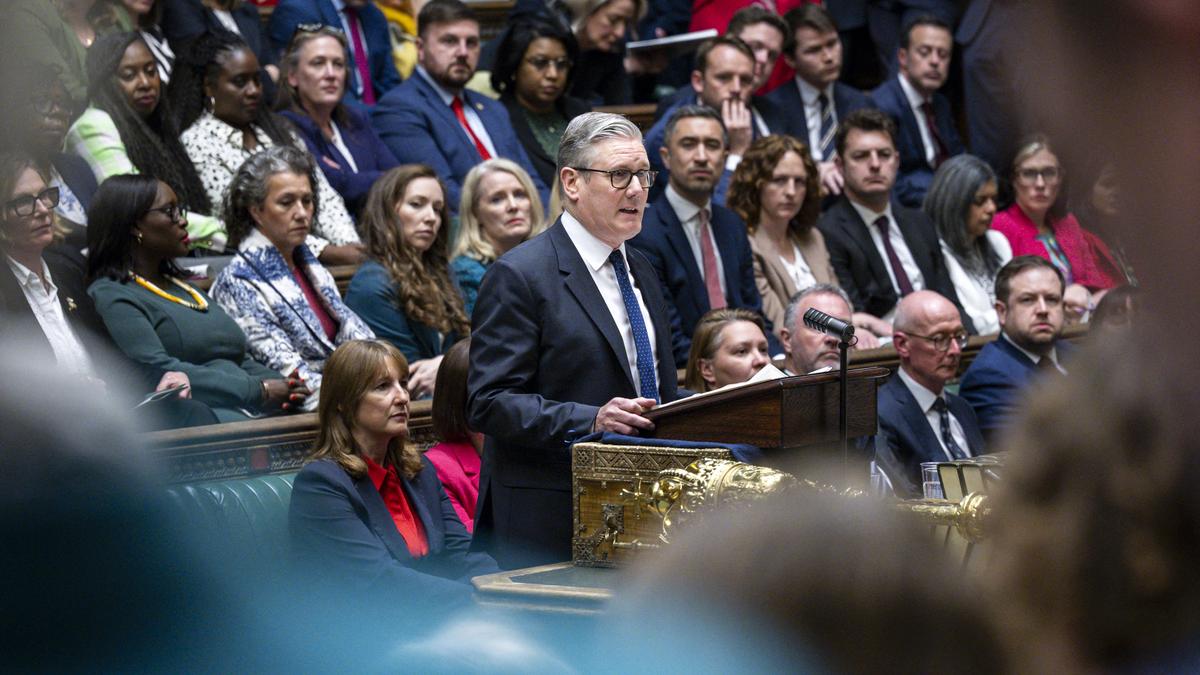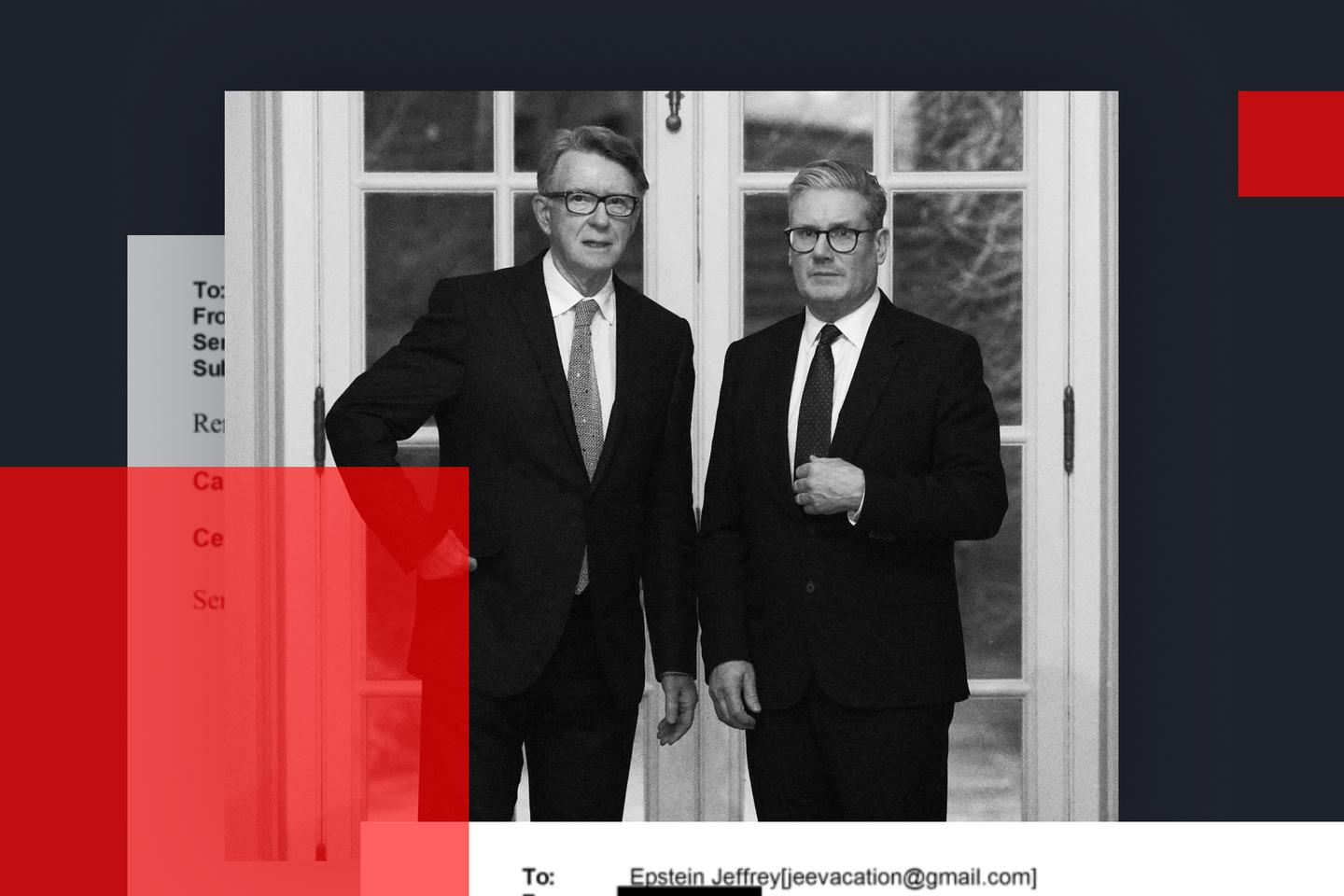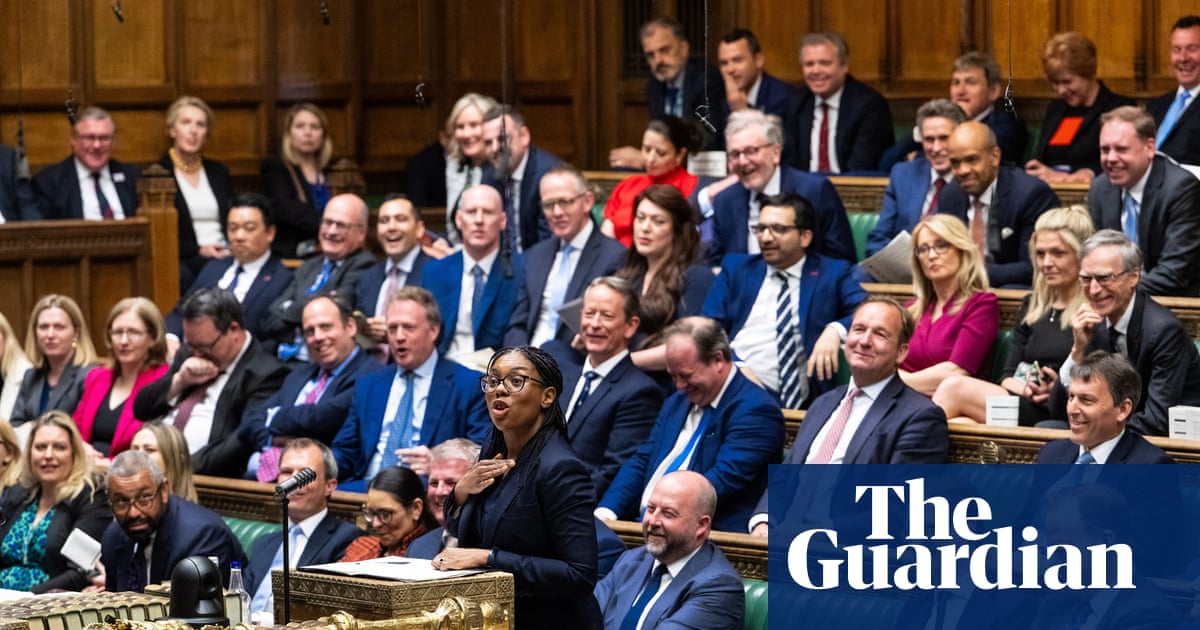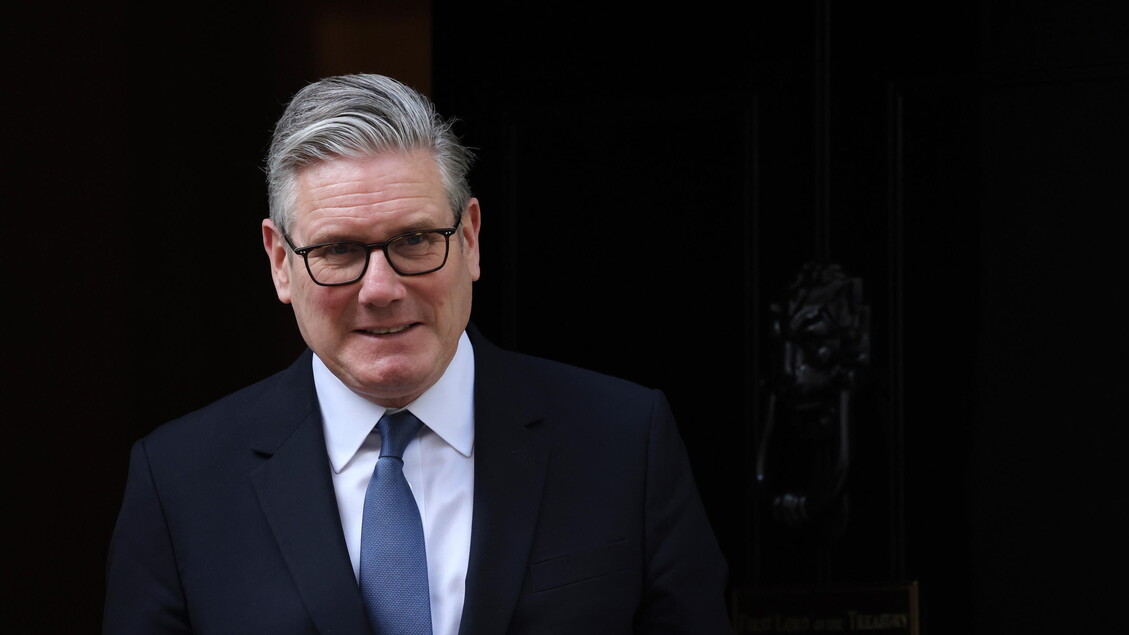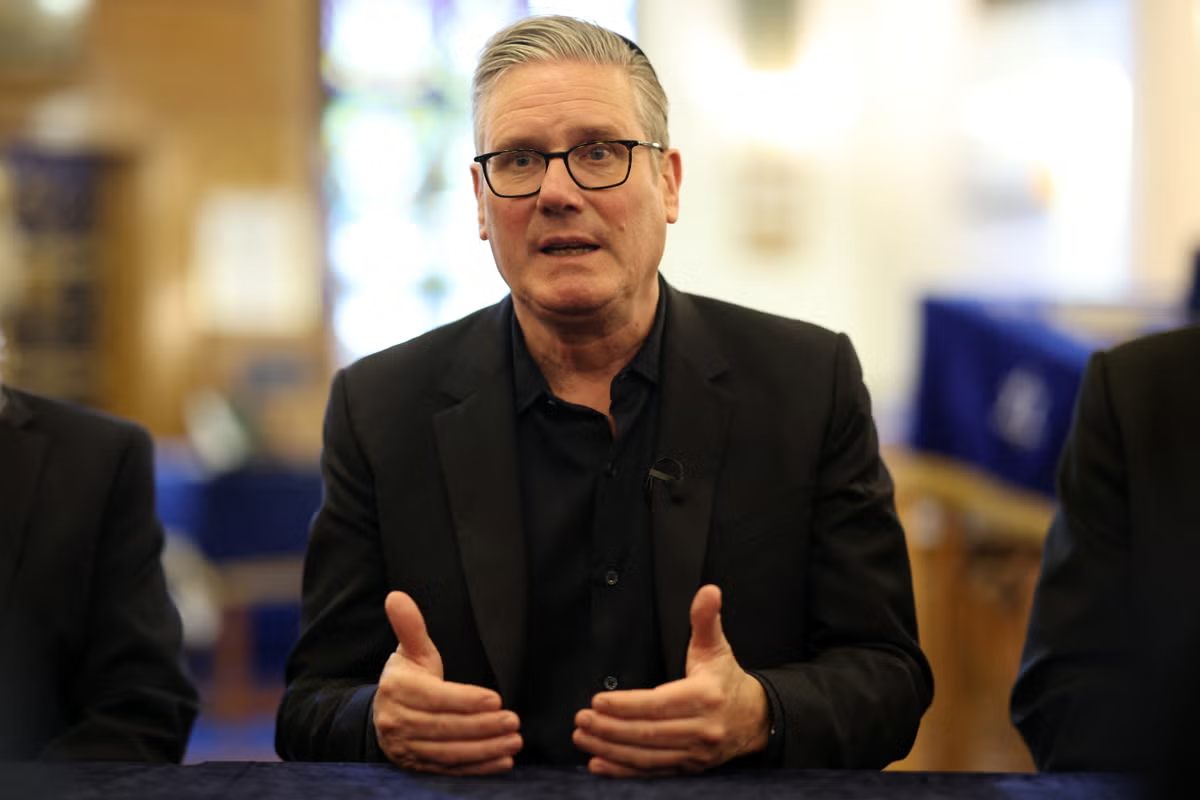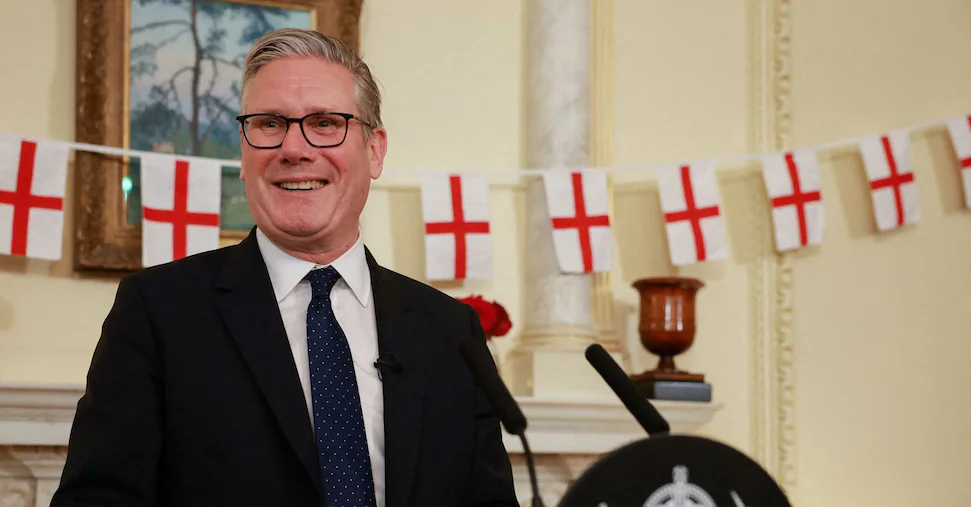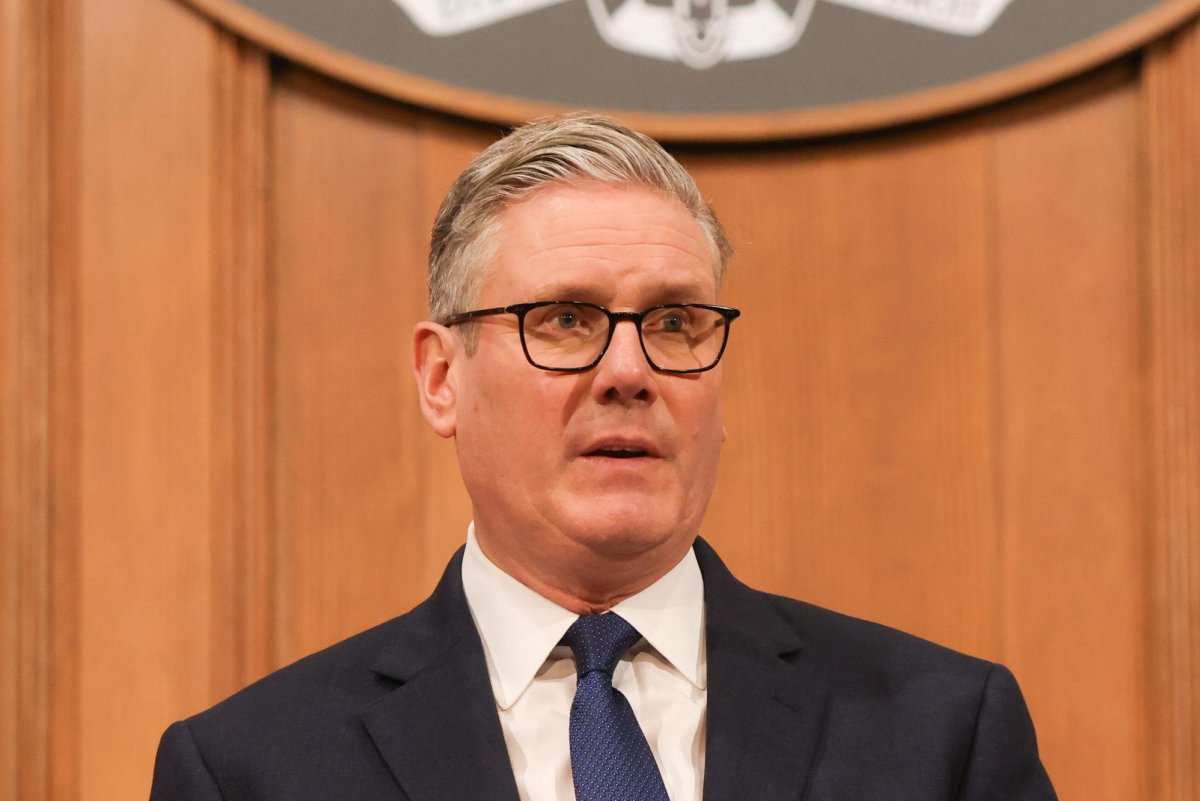
April 29 (UPI) -- British Prime Minister Keir Starmer avoided a parliamentary investigation into whether he misled lawmakers over the process by which Peter Mandelson ended up being appointed as Britain's ambassador to the United States.
MPs voted 335-223 on Tuesday to defeat a Conservative opposition motion to refer the case to the House of Commons' Privileges Committee, the bipartisan panel responsible for looking into alleged breaches of parliamentary rules by elected officials.
However, 15 backbench MPs in Starmer's Labour Party rebelled, defying government orders to vote against the motion, which accuses the prime minister of misleading MPs by telling them "full due process" was followed in Mandelson's security clearance and that the Foreign Office was not pressured to green-light him.
The Conservatives and other parties question Starmer's account that he had made it clear that Mandelson's "position was subject to developed vetting" and his assertion the permanent secretary at the Foreign Office with the final say had been unambiguously clear when he said nobody had "put pressure on him to make this appointment."
Under the Ministerial Code, ministers must resign if they are found to have misled parliament intentionally or unintentionally and failed to return to parliament at the earliest opportunity to put the record straight.