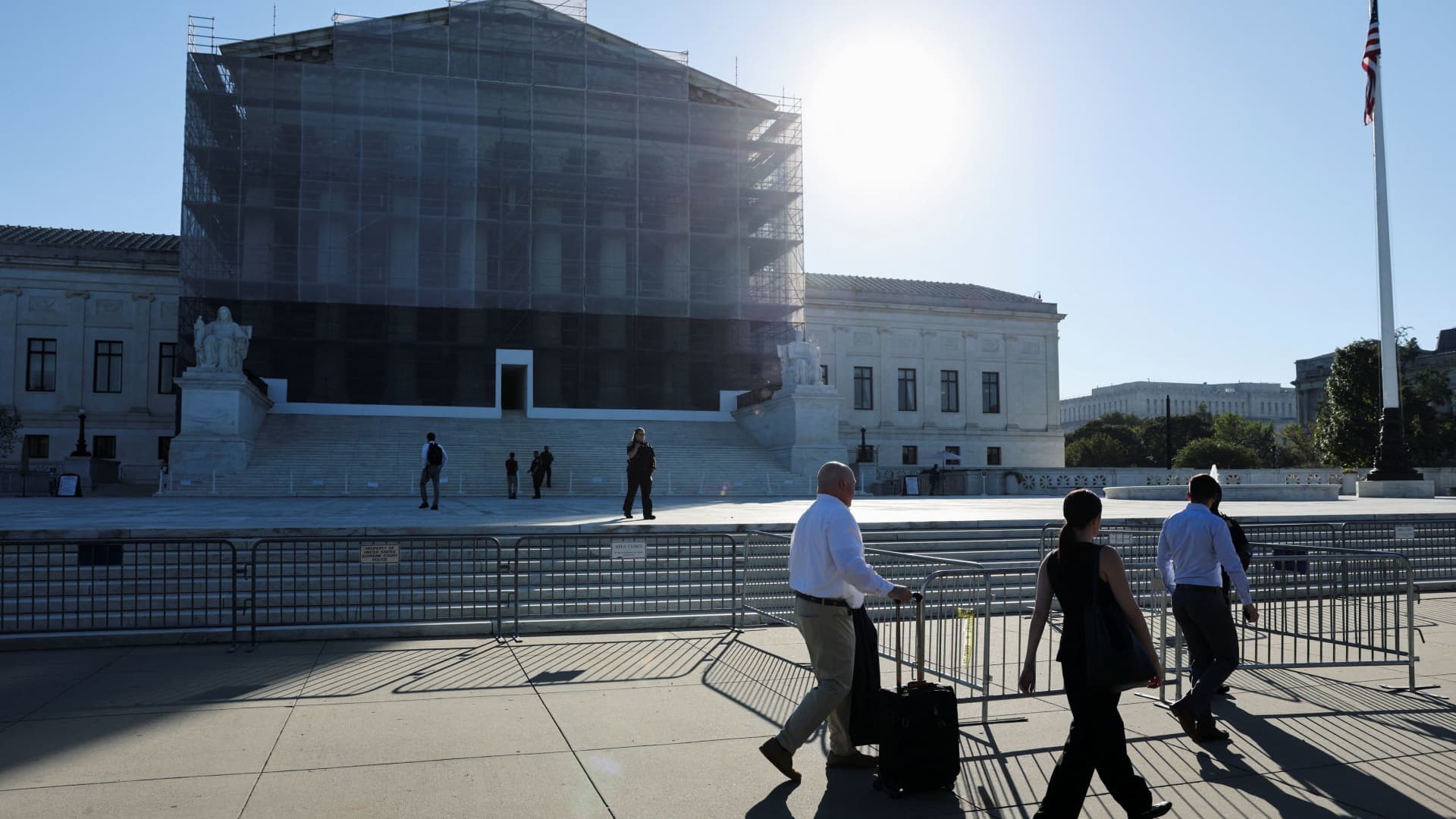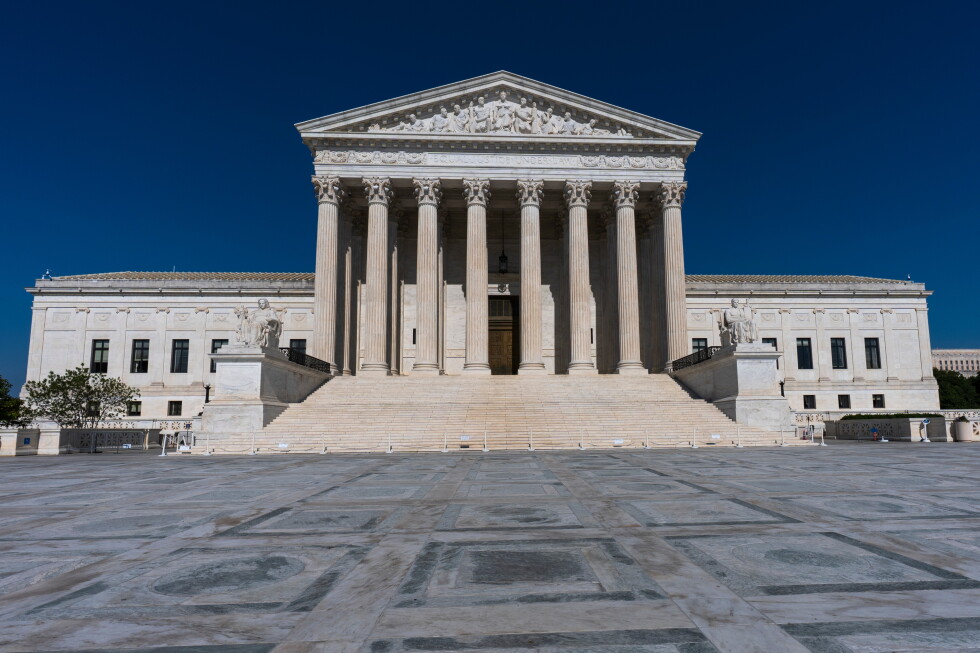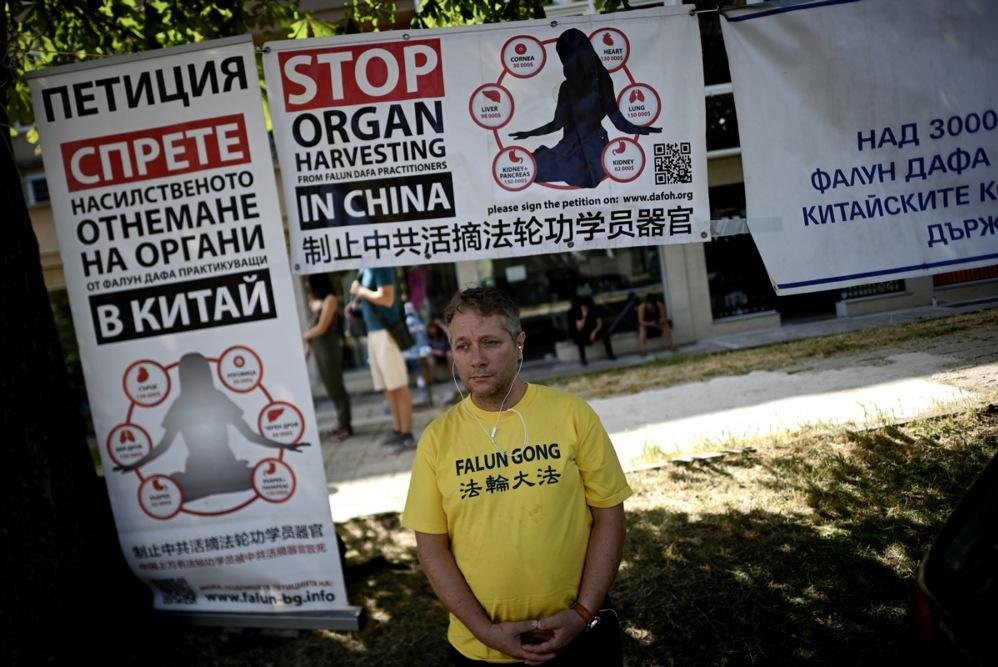
WASHINGTON, April 28 (UPI) -- Supreme Court justices appeared divided Tuesday morning about whether a U.S. tech company can be held liable for aiding the Chinese government's alleged torture of a spiritual minority.
The case is centers on whether practitioners in China of the Falun Gong religion -- also called Falun Dafa -- can sue California-based tech company Cisco Systems for aiding and abetting violations of the 18th-century Alien Tort Statute and the Torture Victim Protection Act, which was enacted in 1992.
Cisco attorney Kannon Shanmugam called for barring aiding and abetting liability. He argued that allowing liability to be implied would harm the government's separation of power.
Much of Tuesday's debate hinged on whether the statute's 200-year-old "law of nations" wording was applicable to the relatively more modern concept of human rights abuses, as well as whether the first Congress meant for the victim protection act to include second liability for aiding and abetting torture.
The case marks the latest attempt to define the scope of the statue, which for over two centuries has allowed foreigners to bring lawsuits in U.S. courts for serious violations of international law.