In 2009, Chinese defense contractor Huadi worked with IBM to build national intelligence systems, including a counterterrorism database, used by the Chinese military and China’s secret police, the Ministry of State Security. Chinese agents sold IBM’s i2 police surveillance analysis software to the same ministry and to Chinese police, including in Xinjiang, through the 2010s, leaked emails and marketing posts show. IBM said it has no record of its i2 software ever having been sold to the Public Security Bureau in Xinjiang.
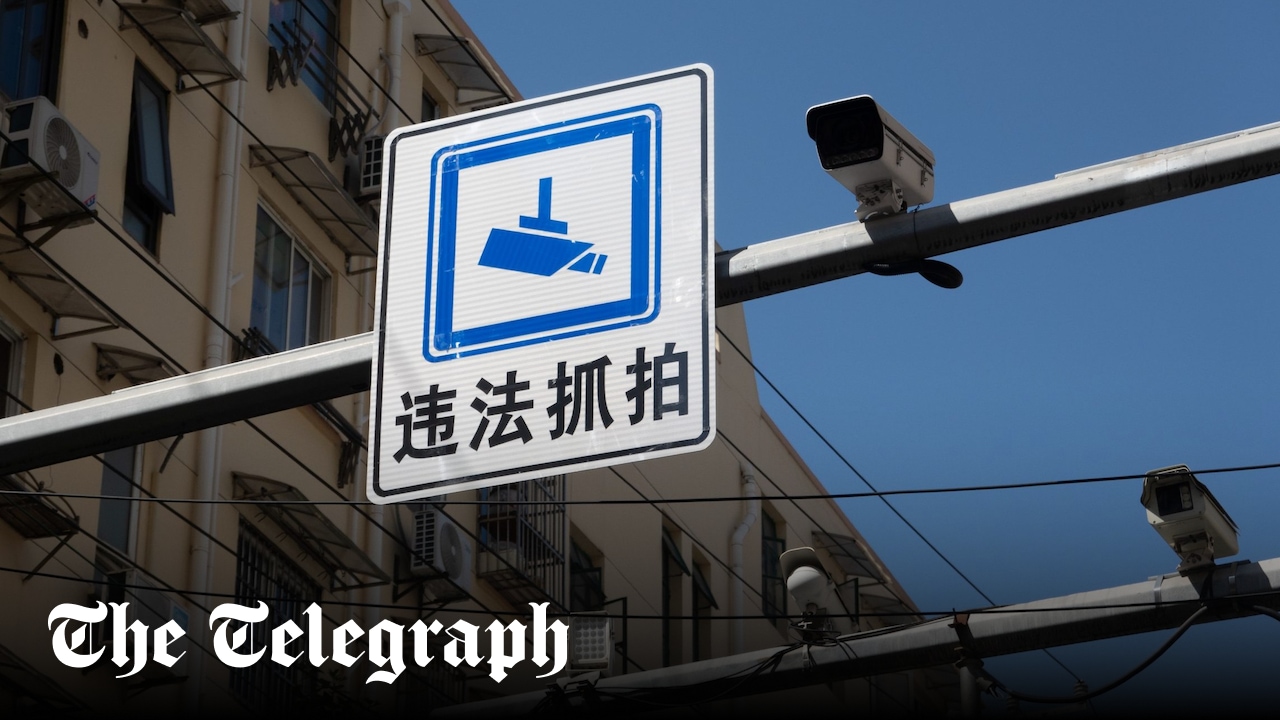
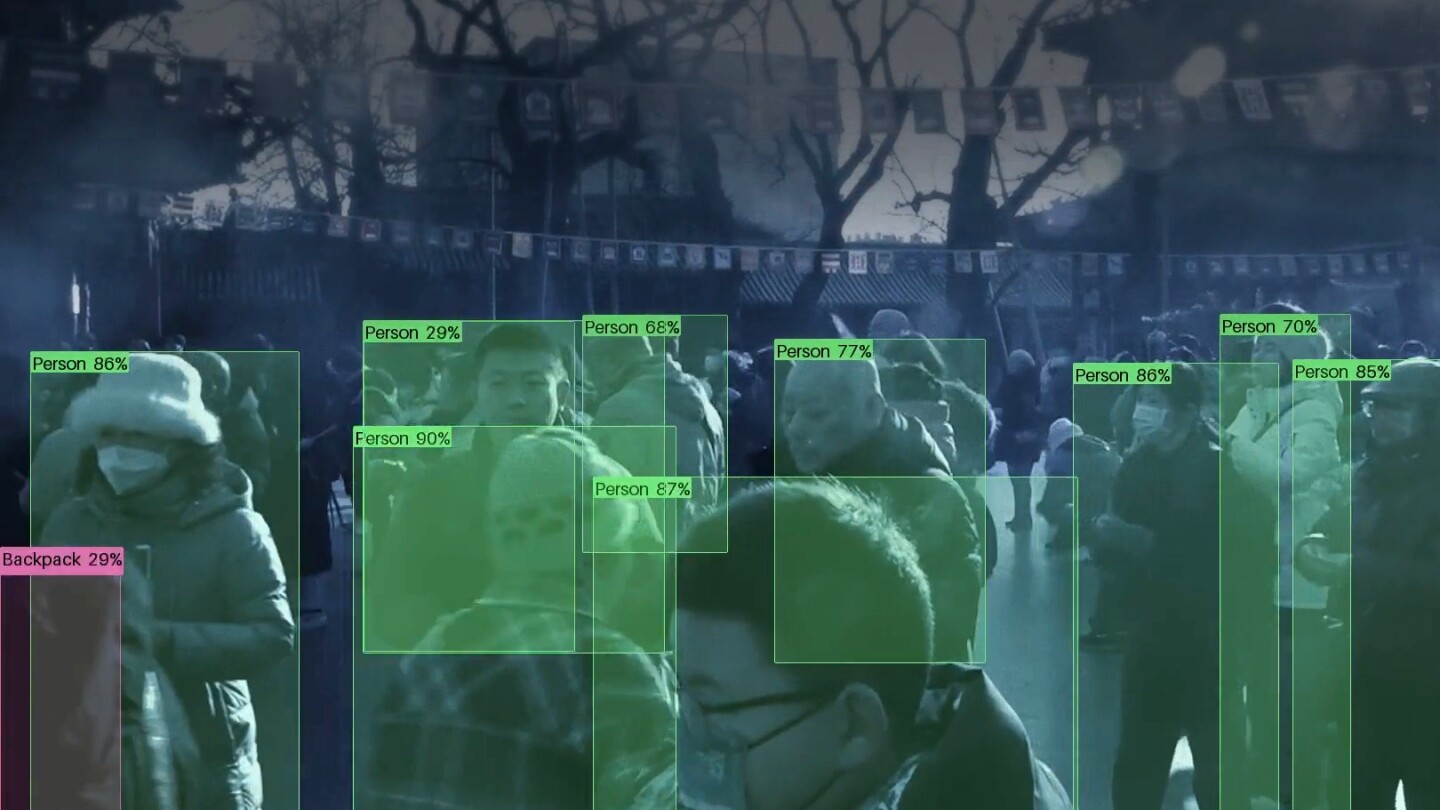
Nvidia and Intel partnered with China’s three biggest surveillance companies to add AI capabilities to cameras used for video surveillance across China, including Xinjiang and Tibet, until sanctions were imposed. Nvidia said in a post dating to at least 2013 that it collaborated with a Chinese police research institute on advanced surveillance technology.
IBM, Oracle, HP, and ArcGIS developer Esri sold hundreds of thousands of dollars’ worth of geographic and mapping software to Chinese police that allows officers to detect when blacklisted Uyghurs, Tibetans or dissidents stray out of provinces or villages. As late as 2019, with detentions in Xinjiang well underway, Dell hosted an industry summit in its capital. Dell and then-subsidiary VMWare sold cloud software and storage devices to police and entities providing data to police in Tibet and Xinjiang, even in 2022 after abuses there became widely known.