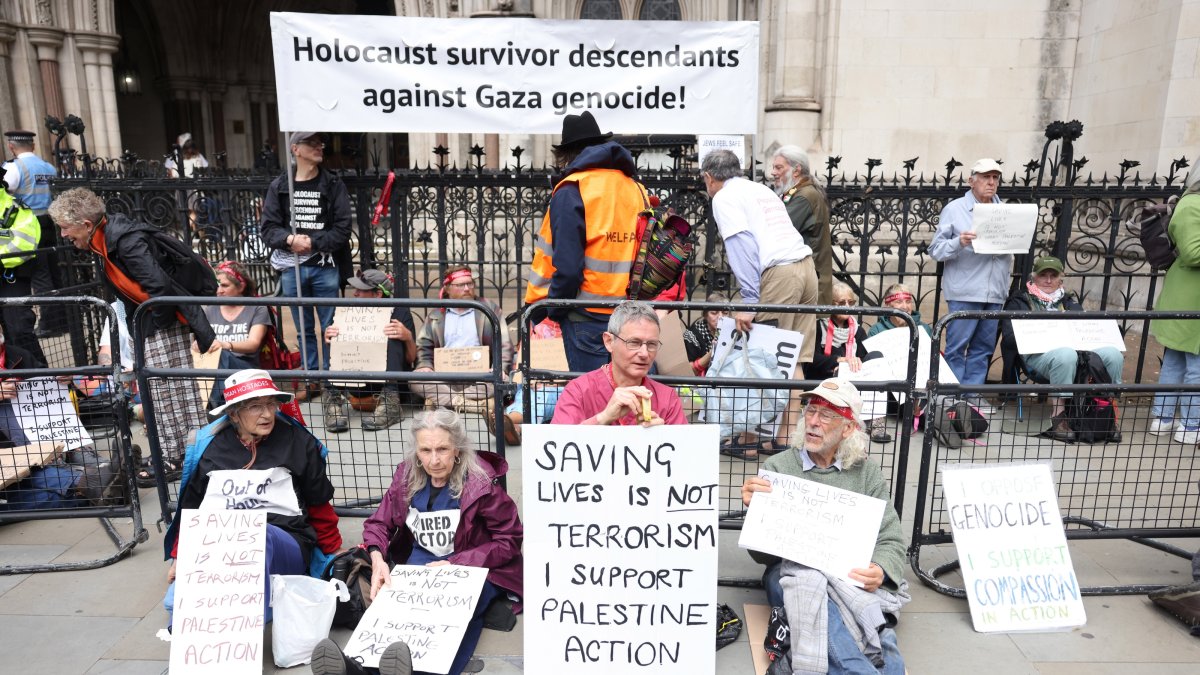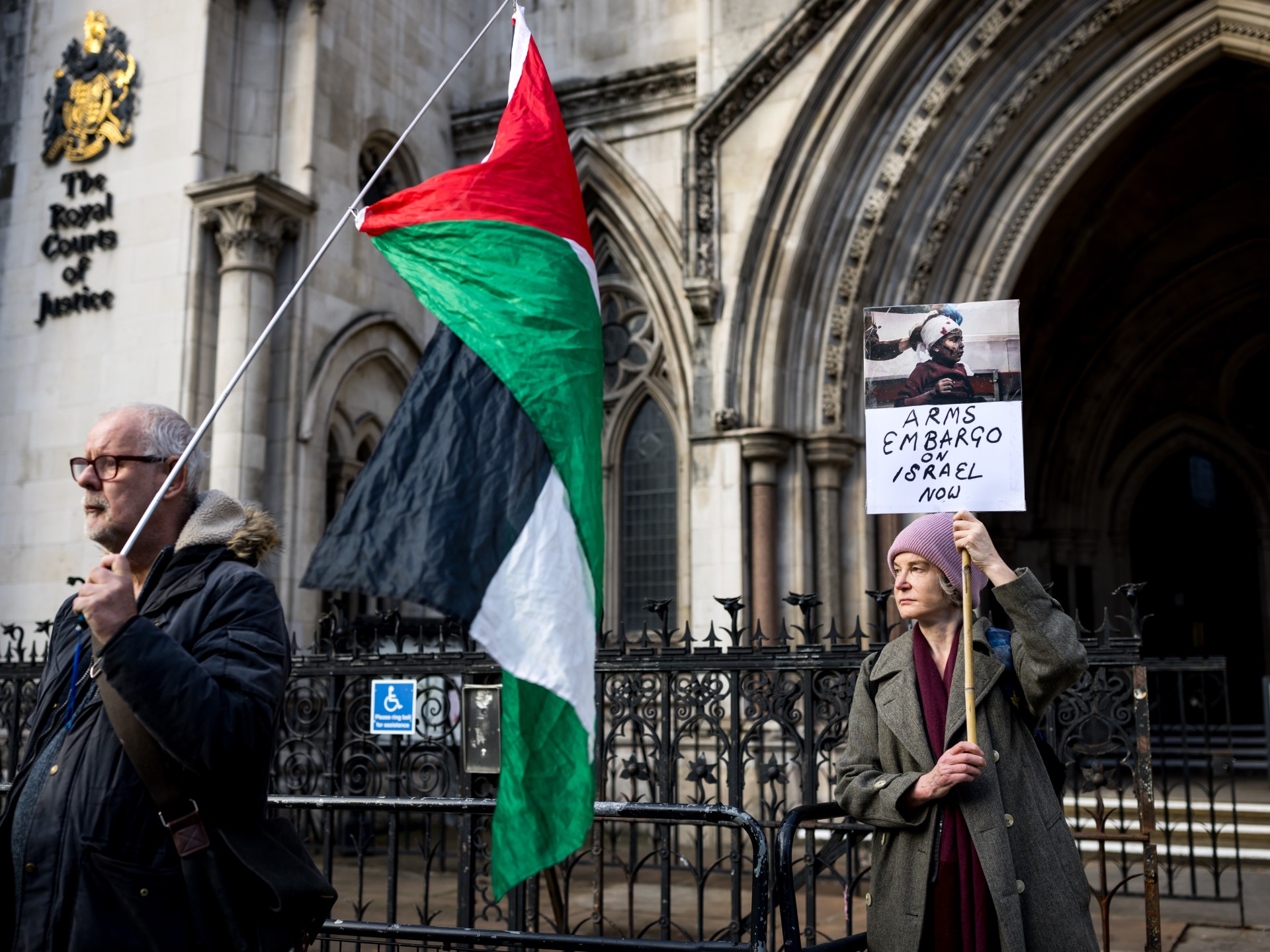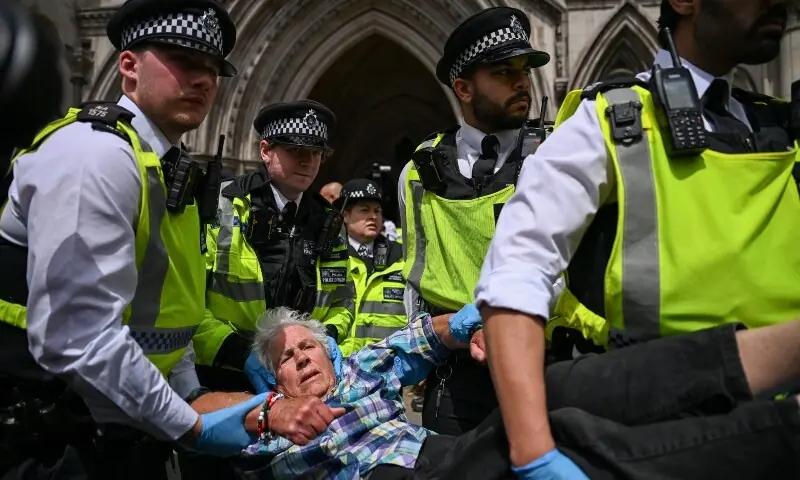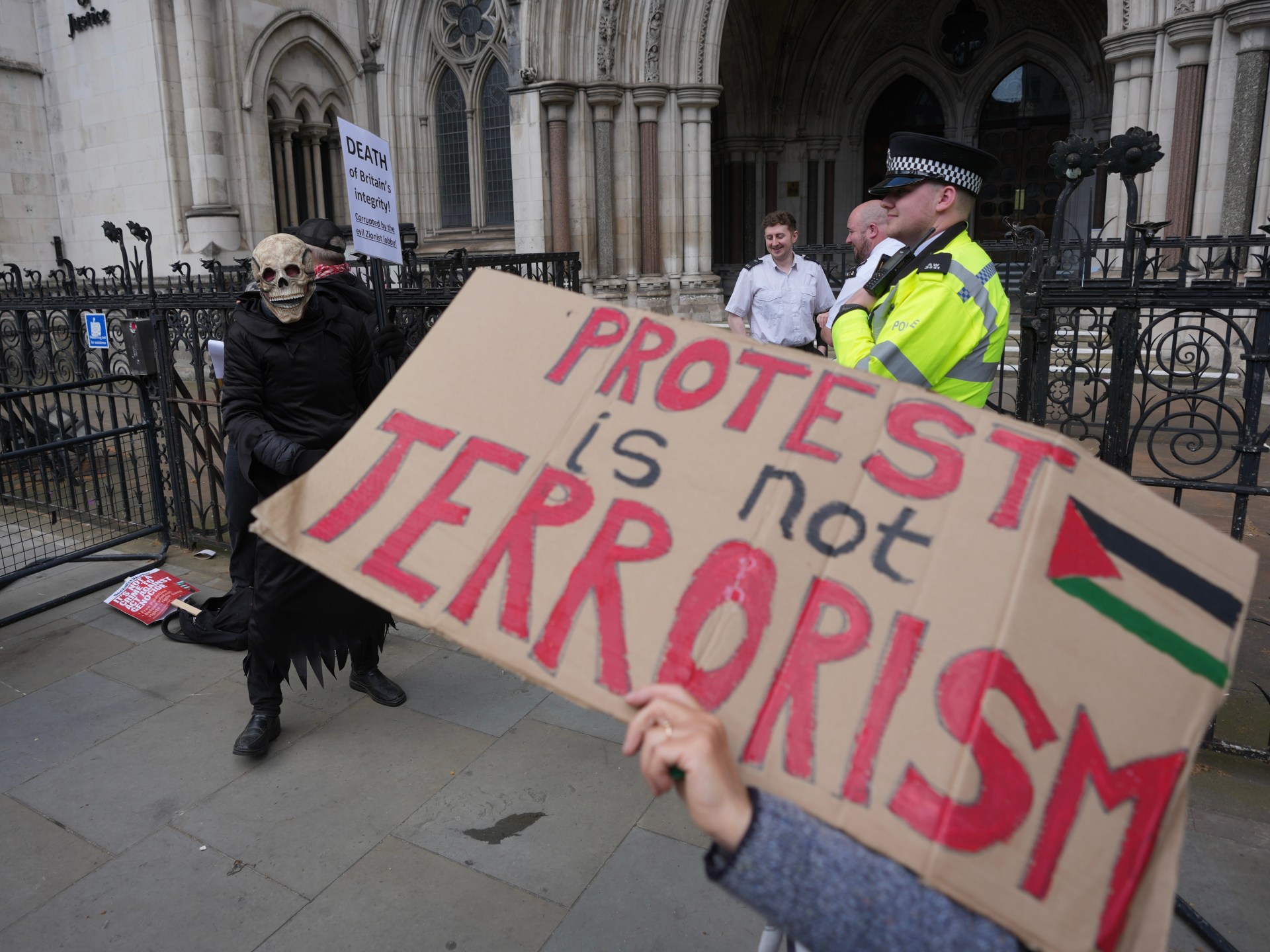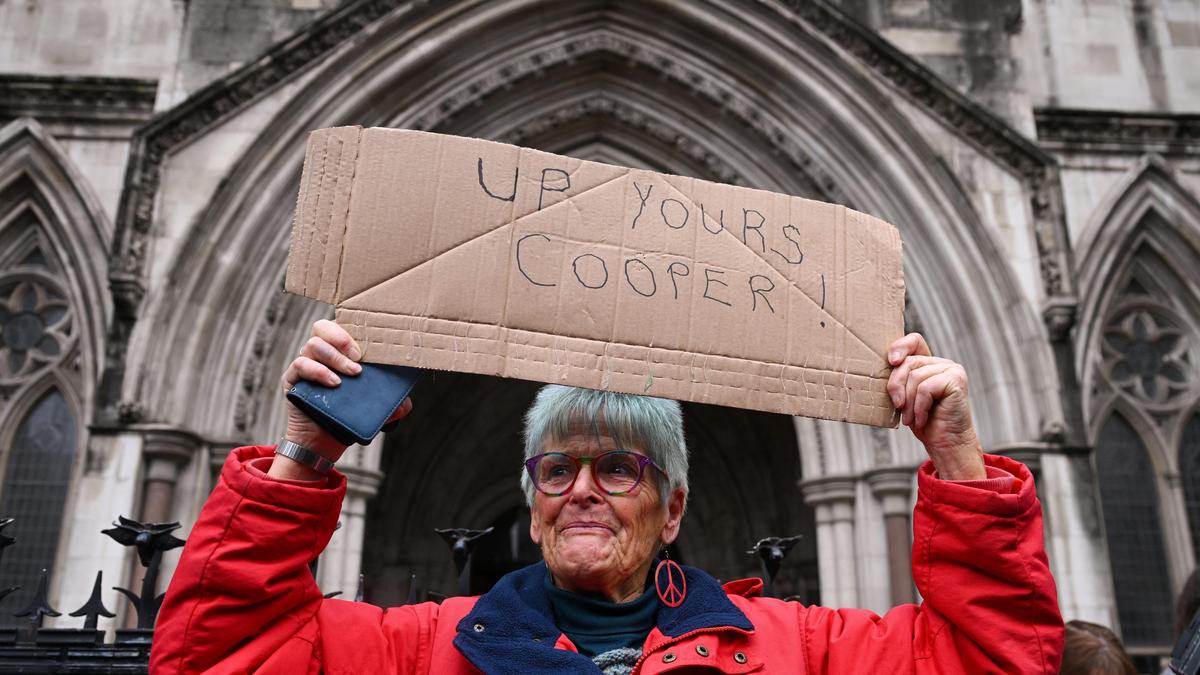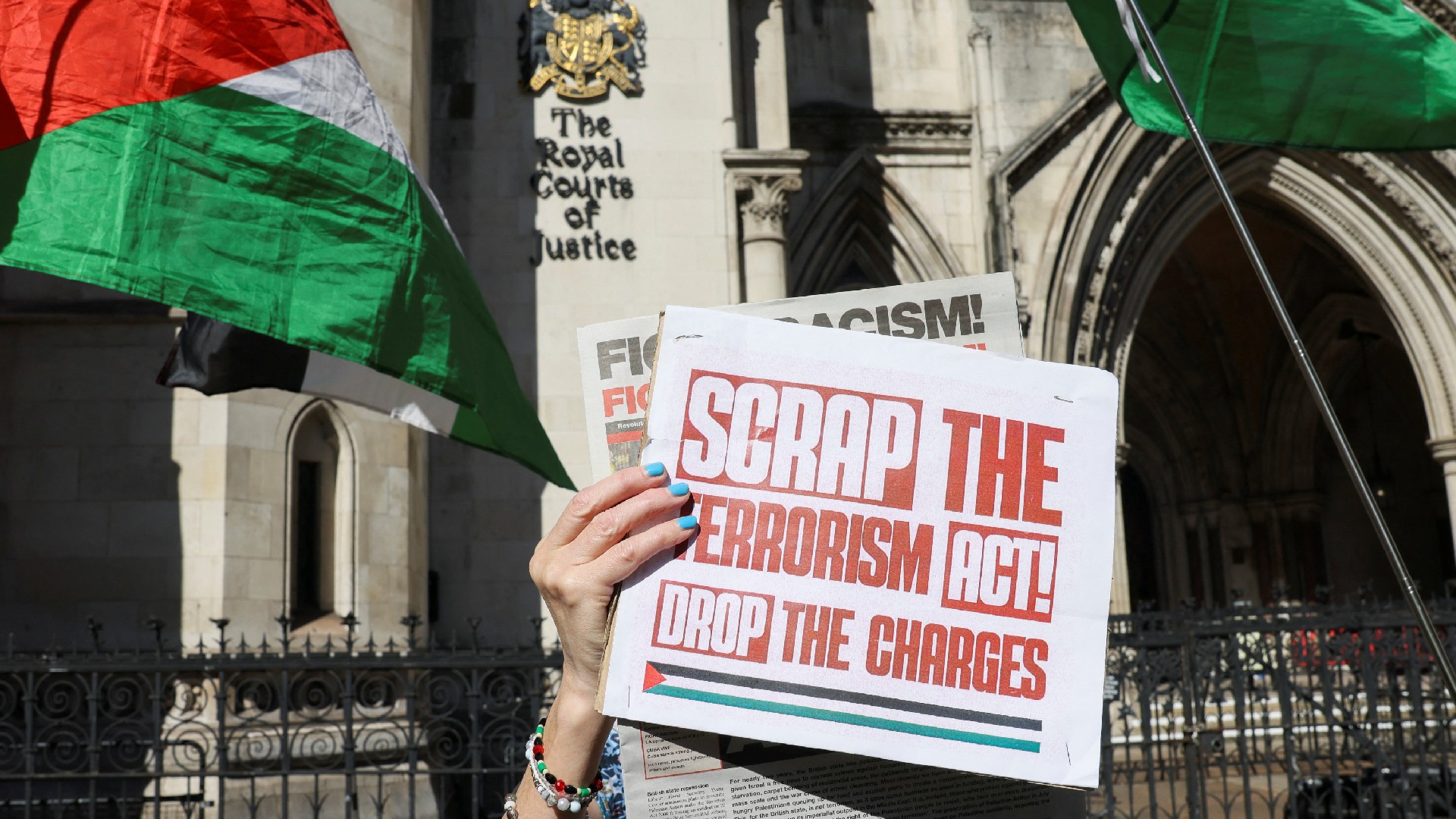
The UK government accused the courts of ignoring Britain’s democratic structures by blocking its attempt to designate the pro-Palestine, direct-action group Palestine Action as a terrorist organisation.
In an appeal lodged at the Court of Appeal on Tuesday, the Home Office argued that the initial judgment, which found the proscription unlawful, was legally flawed and undermined the government’s ability to respond to “escalating” activity.
The case centres on a judgment handed down by the High Court in February 2026, which ruled in favour of Huda Ammori, a co-founder of Palestine Action, who challenged the government’s move to ban the group under the Terrorism Act 2000.
The High Court ruled that the decision to proscribe Palestine Action breached the Home Office’s own policy and disproportionately interfered with fundamental rights to freedom of expression and assembly.
But in its appeal, James Eadie, representing the government, insisted that Palestine Action met the legal threshold of being “concerned in terrorism”, pointing to acts of property damage and other incidents that allegedly qualified as terrorism under UK law.