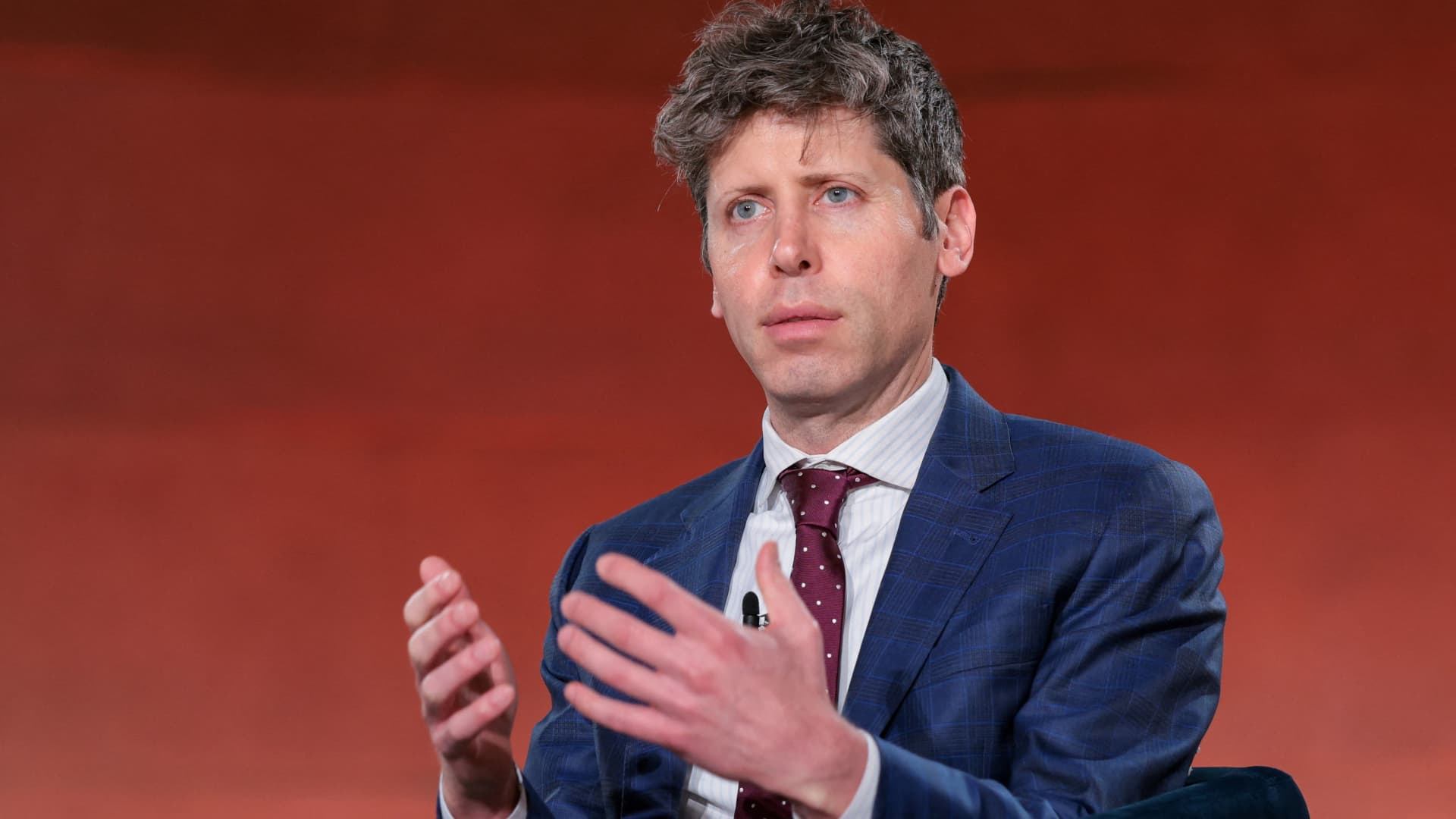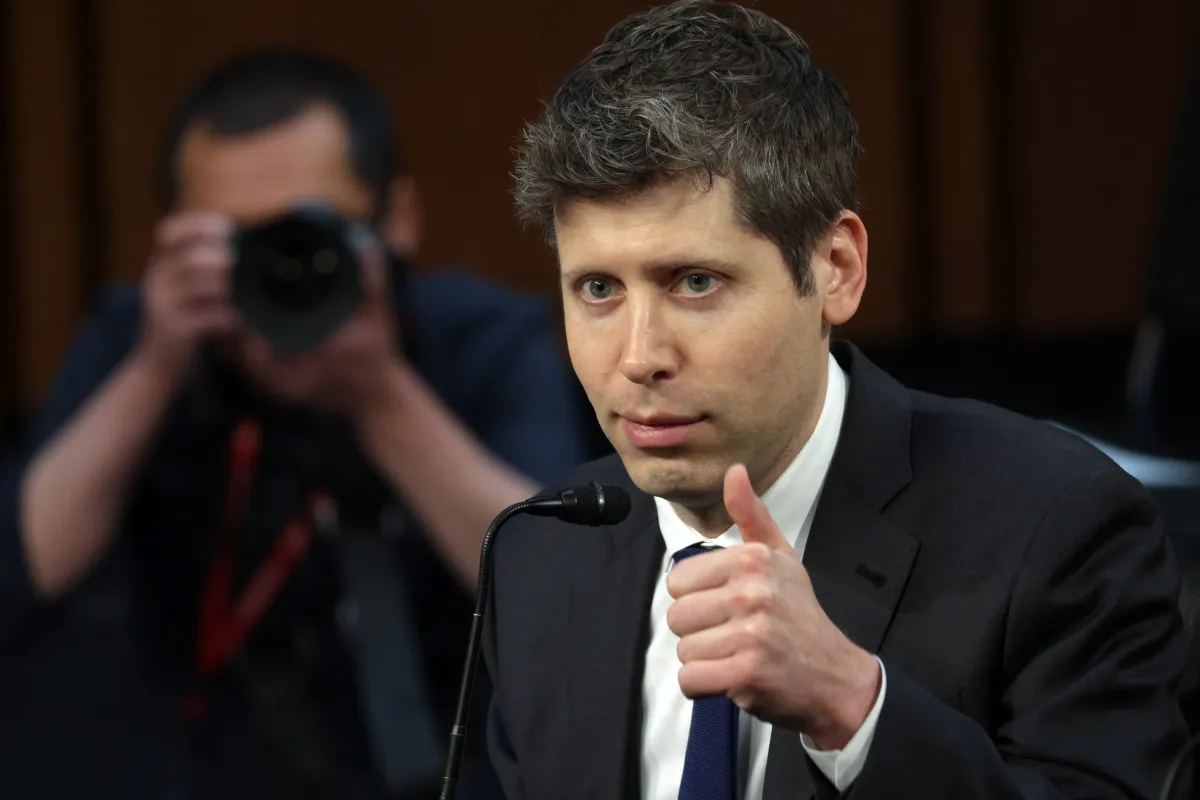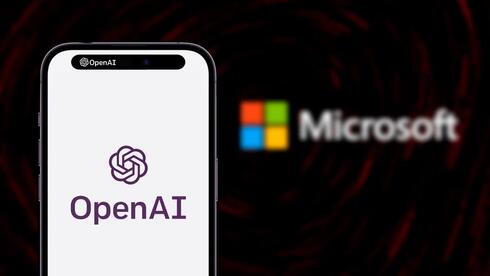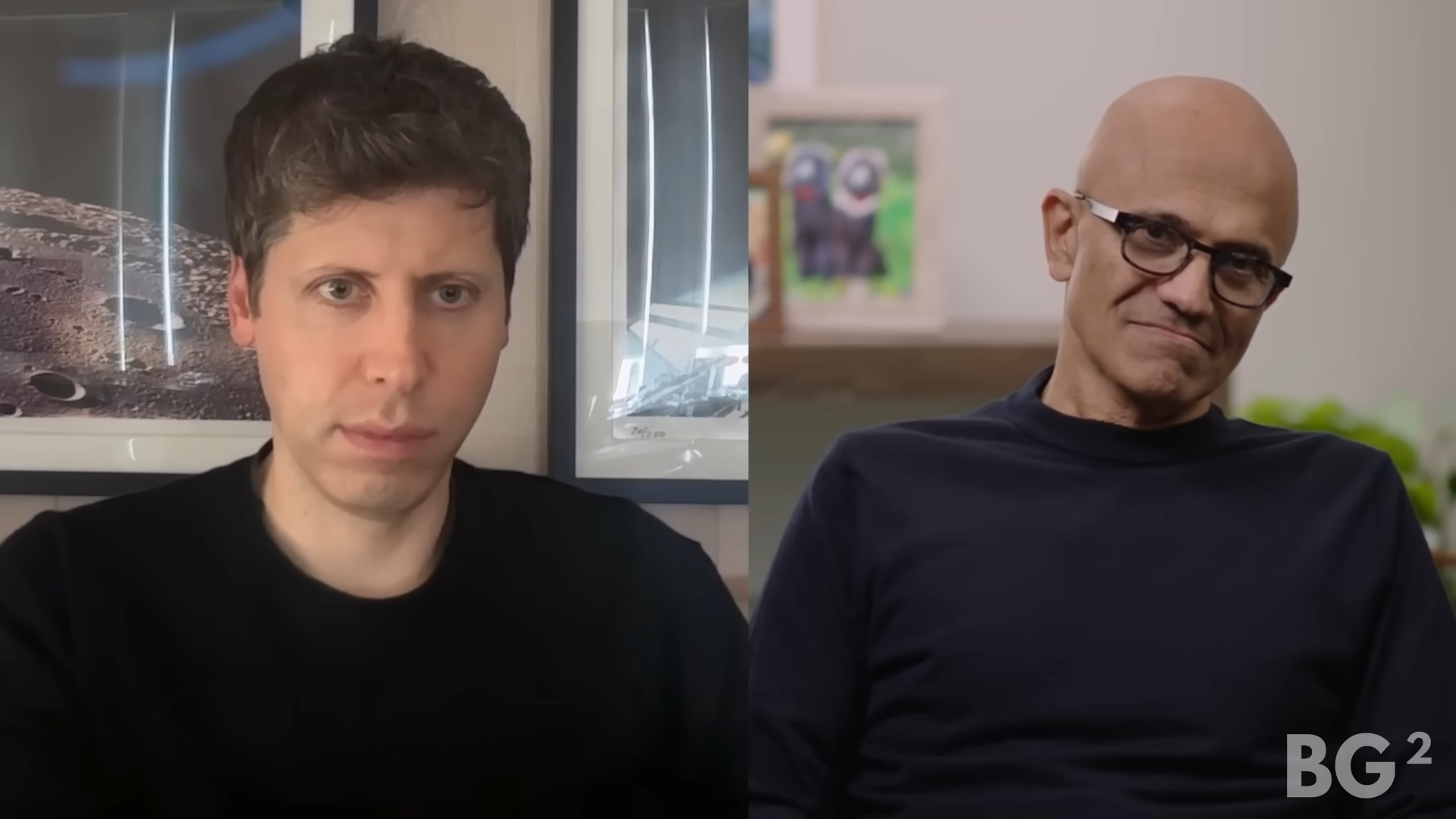
ToplineMicrosoft and OpenAI announced Monday the end to an exclusive partnership and revenue-share arrangement that has benefited both—securing Microsoft’s image as an early AI leader, and funneling key resources and compute power to OpenAI.(Photo by Samuel Boivin/NurPhoto via Getty Images)NurPhoto via Getty ImagesKey FactsAs part of the new agreement, OpenAI can license its models and products to any third party and on any cloud, including Microsoft’s competitors like Google and Amazon.In exchange, Microsoft will no longer need to share a cut of its AI revenue with OpenAI, and the money OpenAI owes Microsoft will be at a fixed ceiling rather than continuing indefinitely. The new agreement walks back on commercial terms announced last October when the ChatGPT maker restructured its for-profit arm to no longer cap its profits and gave Microsoft a 27% stake in its business. Microsoft shares dropped around 1% in early Monday trading. Key BackgroundMicrosoft and OpenAI have been the most consequential partnership in artificial intelligence since 2019, when Microsoft made a $1 billion investment into the newly created for-profit arm of what was then a small nonprofit research lab. The deal made Microsoft the exclusive seller of OpenAI's technology to businesses and made Microsoft's Azure the only cloud OpenAI was allowed to run on in exchange for providing the cash and resources OpenAI needed to train its models. In 2023, after ChatGPT exploded, Microsoft invested an additional $10 billion, bringing its total funding in OpenAI to $13 billion and expanding on previous exclusivity and profit-sharing agreements. The relationship grew increasingly strained, however, as OpenAI's computing demands outgrew what Microsoft could supply, and OpenAI sought partnerships with Microsoft's rivals including the $500 billion Stargate data center project with Oracle and SoftBank. After months of contentious negotiations, the two companies struck a major restructuring deal in October 2025. The deal converted OpenAI's for-profit arm, which was originally created in 2019 as a capped entity where profits made above a limit would flow into the original nonprofit, into a public benefit corporation, which removed the profit cap. The agreement gave Microsoft a 27% stake and ended the company’s exclusive right to provide OpenAI's computing power, though it maintained cloud and licensing exclusivity and the revenue sharing deal remained the same. Today's deal ends Microsoft's exclusivity over OpenAI and caps the revenue OpenAI must share with its longtime backer.Big Number$852 billion. That’s OpenAI's valuation after raising $122 billion in March 2026 in the largest private tech fundraise in history. The company is gearing up for a public debut, which could value the company at $1 trillion as early as this year. TangentThe timing of the announcement comes as a key legal battle heads to the courtroom today. Jury selection began this morning in Oakland, California, in a civil trial in which Tesla and SpaceX CEO Elon Musk, an early OpenAI co-founder and donor who left the board in 2018, is suing OpenAI CEO Sam Altman, co-founder Greg Brockman and Microsoft. Musk contributed roughly $38 million to OpenAI in its earliest years on the understanding it would remain a nonprofit dedicated to building AI for humanity's benefit, and is now alleging Altman and others illegally converted that charitable enterprise into a commercial juggernaut now valued at $852 billion. Musk is asking the court to unwind the conversion of its for-profit arm, oust Altman and disgorge profits to OpenAI's charitable foundation—seeking $150 billion in damages. Microsoft is named as a co-defendant on the premise that it helped enable the alleged breach of charitable trust. The trial is expected to run four weeks during which Altman, Musk and Microsoft CEO Satya Nadella are all scheduled to testify.
Microsoft And OpenAI End Exclusive Partnership
The two companies are overhauling an agreement central to OpenAI’s for-profit model.
604 words~3 min read