The logo of the World Health Organization is seen at the WHO headquarters in Geneva, Switzerland, June 11, 2019. ANJA NIEDRINGHAUS / AP
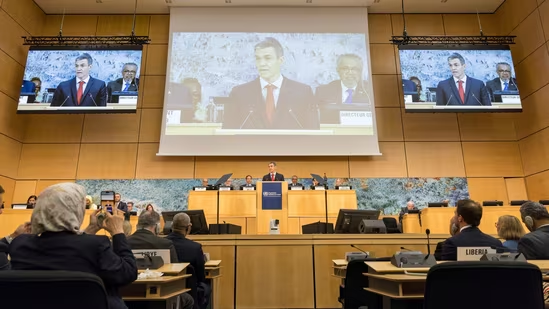
An extra week of negotiations to finalize an international agreement on handling future pandemics kicked off in Geneva on Monday, April 27, amid sharp divisions that are holding up an accord. Wealthy countries and developing nations are at loggerheads in the talks at the World Health Organization over how the pandemic treaty, adopted last year, will work in practice.
The agreement's Pathogen Access and Benefit-Sharing (PABS) system should regulate access to pathogens with pandemic potential, then sharing the benefits such as vaccines, tests and treatments. "The world cannot afford to lose this opportunity and risk being unprepared for the next pandemic," WHO chief Tedros Adhanom Ghebreyesus said at the start of the talks. "It will not be perfect; no agreement ever is. But it can be fair; it can be functional," he told negotiators.
In May 2025, WHO members adopted a landmark agreement on tackling future health crises, after more than three years of negotiations sparked by the shock of Covid-19. The accord aims to prevent a repeat of the disjointed international response that surrounded the coronavirus crisis, by improving global coordination, surveillance and access to vaccines. PABS, the heart of the treaty, was left out to get the bulk of the deal over the line.