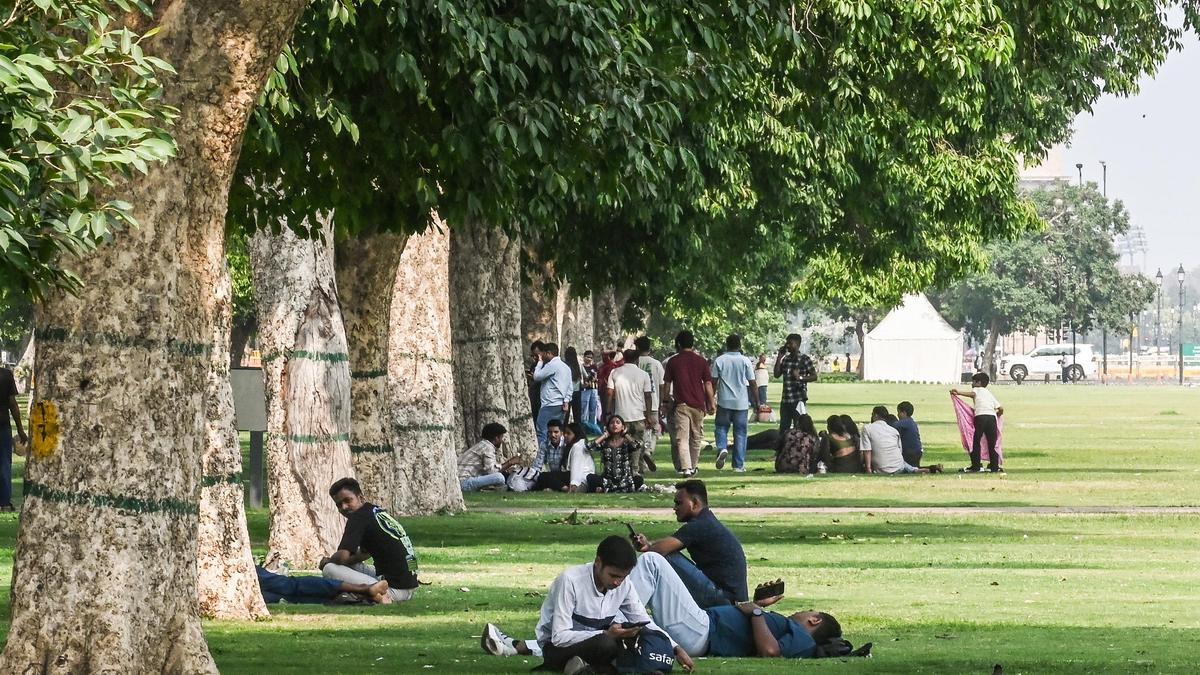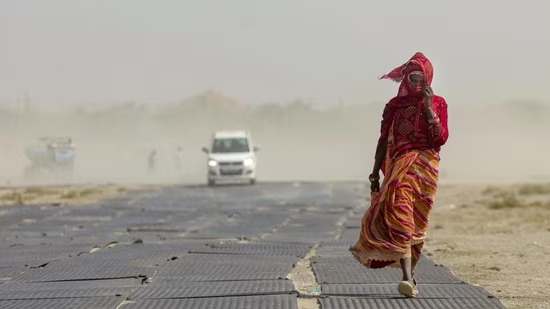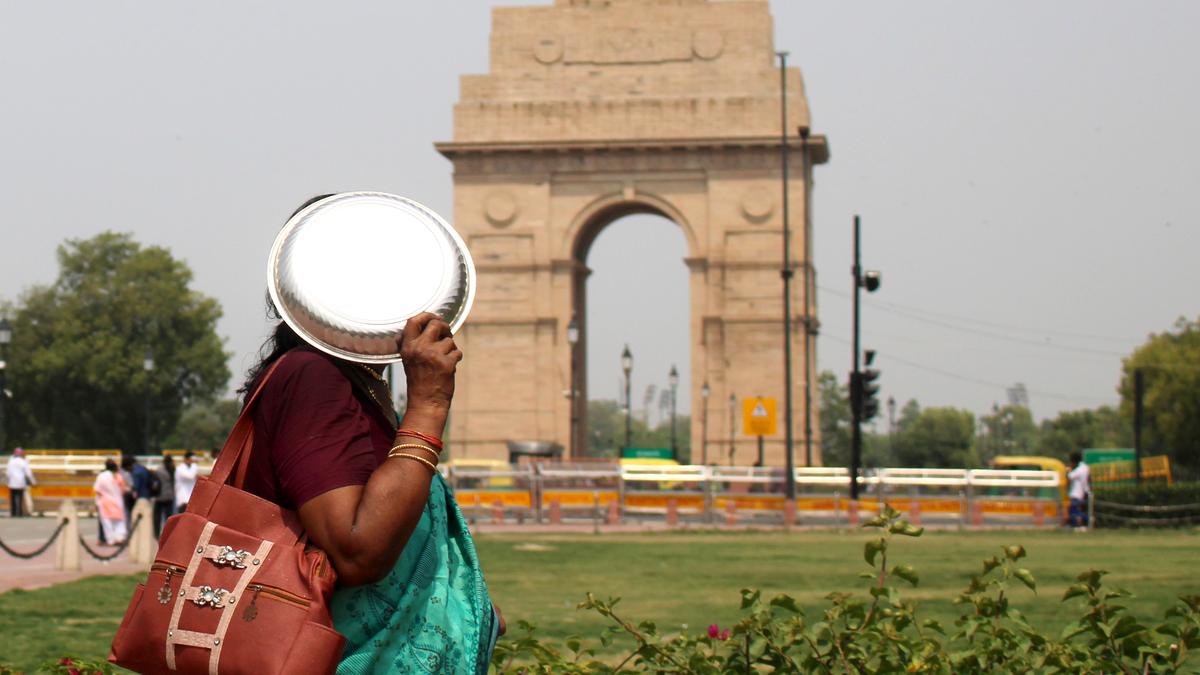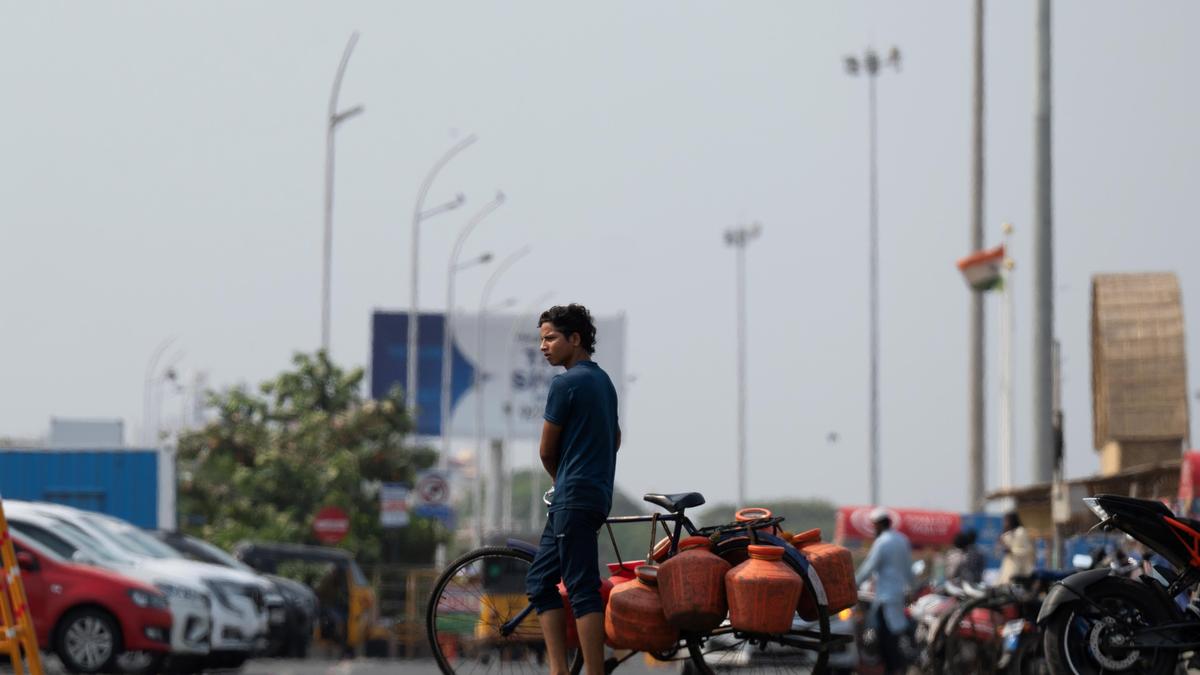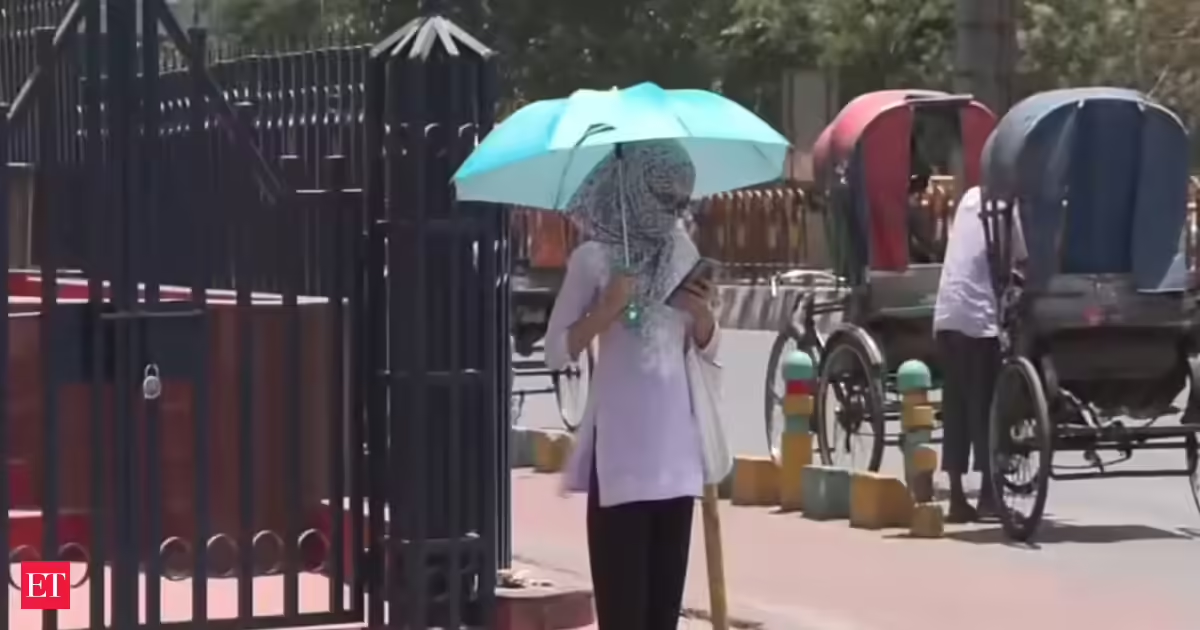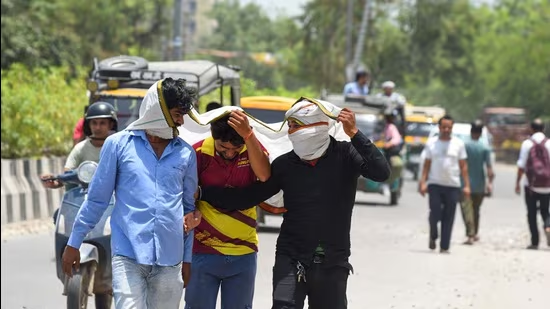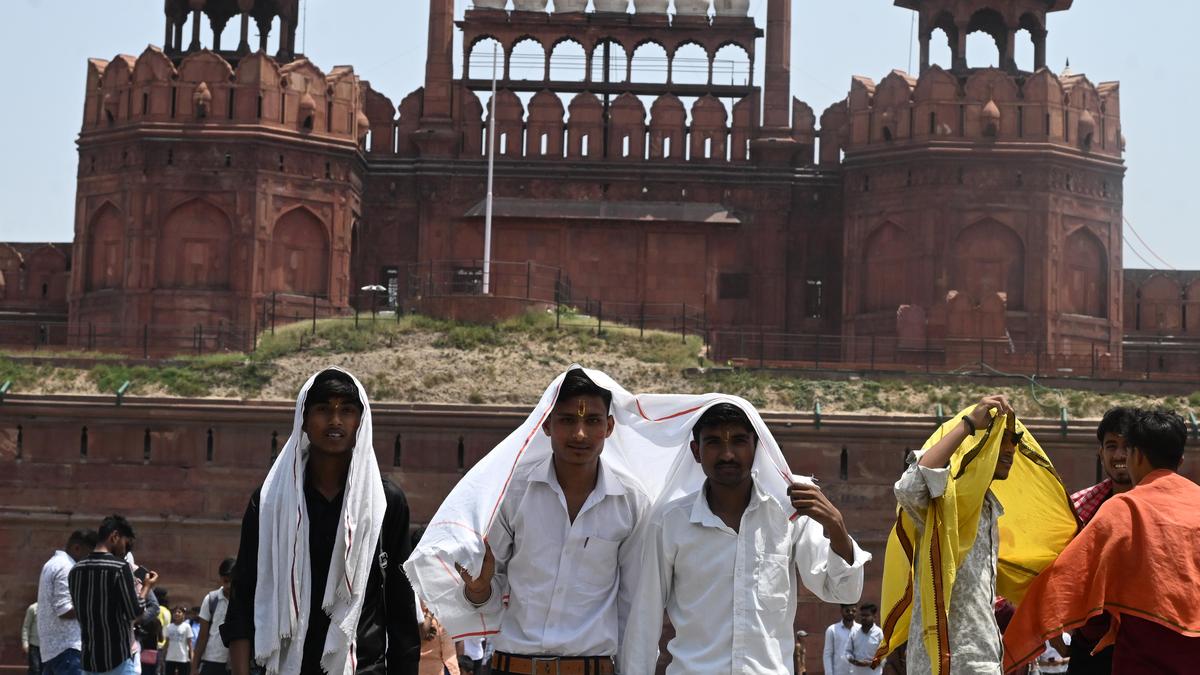
Amid a steady rise in daytime temperatures, Chief Minister Rekha Gupta on Sunday directed officials to implement the Heat Action Plan (HAP) 2026, adding that the government has conducted a detailed scientific assessment of the city using satellite data to identify high-risk zones and will focus on “thermal hotspots”.
However, despite the prevailing heatwave-like conditions, this year’s HAP is yet to be released by the government and is expected to take at least another week, according to sources.
Last year’s HAP, prepared by the Delhi Disaster Management Authority, had suggested that this year’s plan should be finalised before the onset of summer.
Ayanagar in south Delhi is among the most sensitive areas, having previously recorded temperatures as high as 45.5°C. Najafgarh (43.7°C in 2025) and Safdarjung (46.8°C in 2023) have also witnessed extreme highs and will be a focus as “thermal hotspots”, according to a statement issued by the CMO.
“In addition, densely populated fringe areas such as Sawda, Mubarakpur Dabas, Bhalswa, Nand Nagri, Gokulpuri and Bakkarwala are experiencing pronounced ‘heat island’ effects. Special protection measures have been designed for these zones, including increased oral rehydration solution (ORS) stocks at health centres, deployment of quick response teams, and additional water tankers,” the CMO statement read.