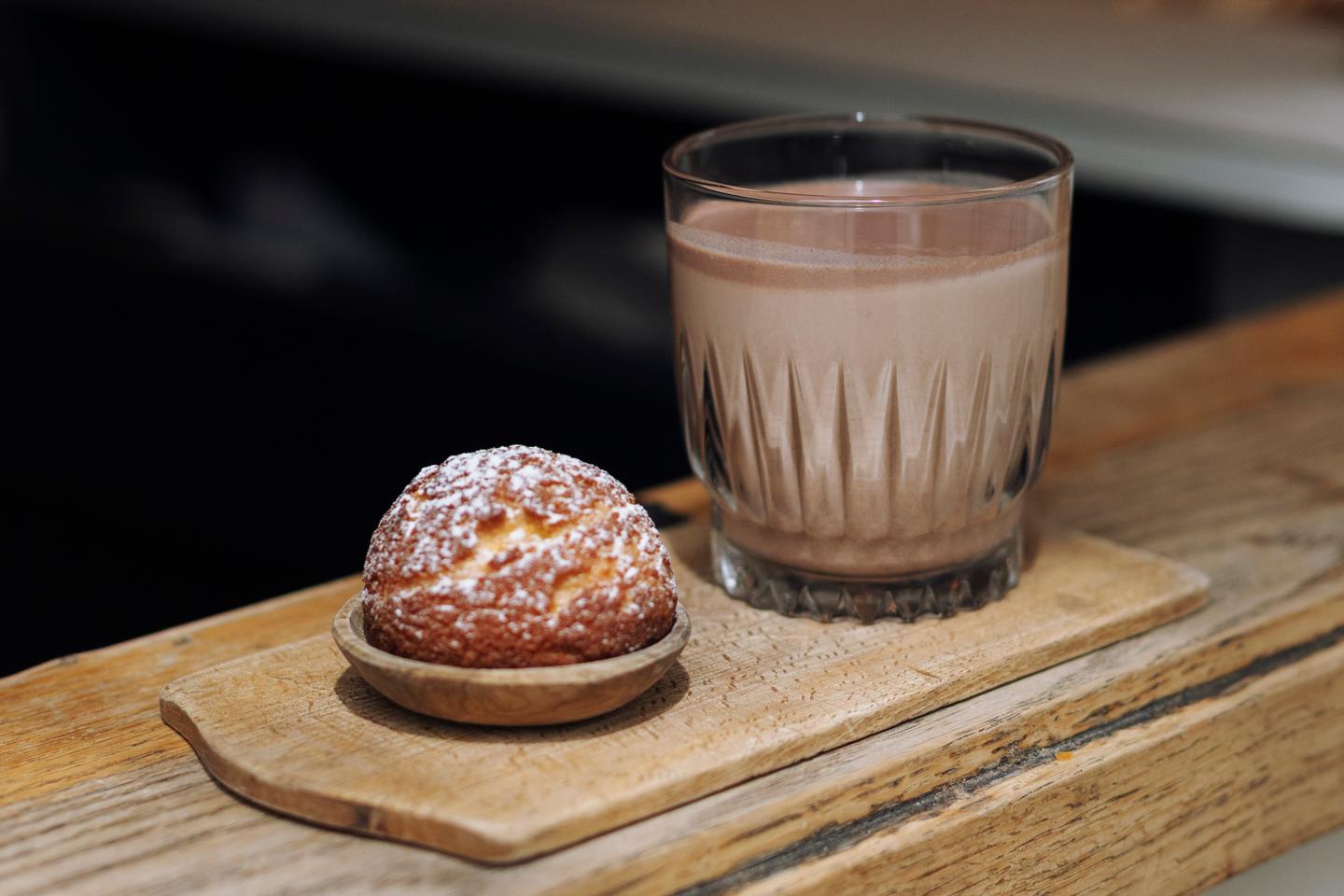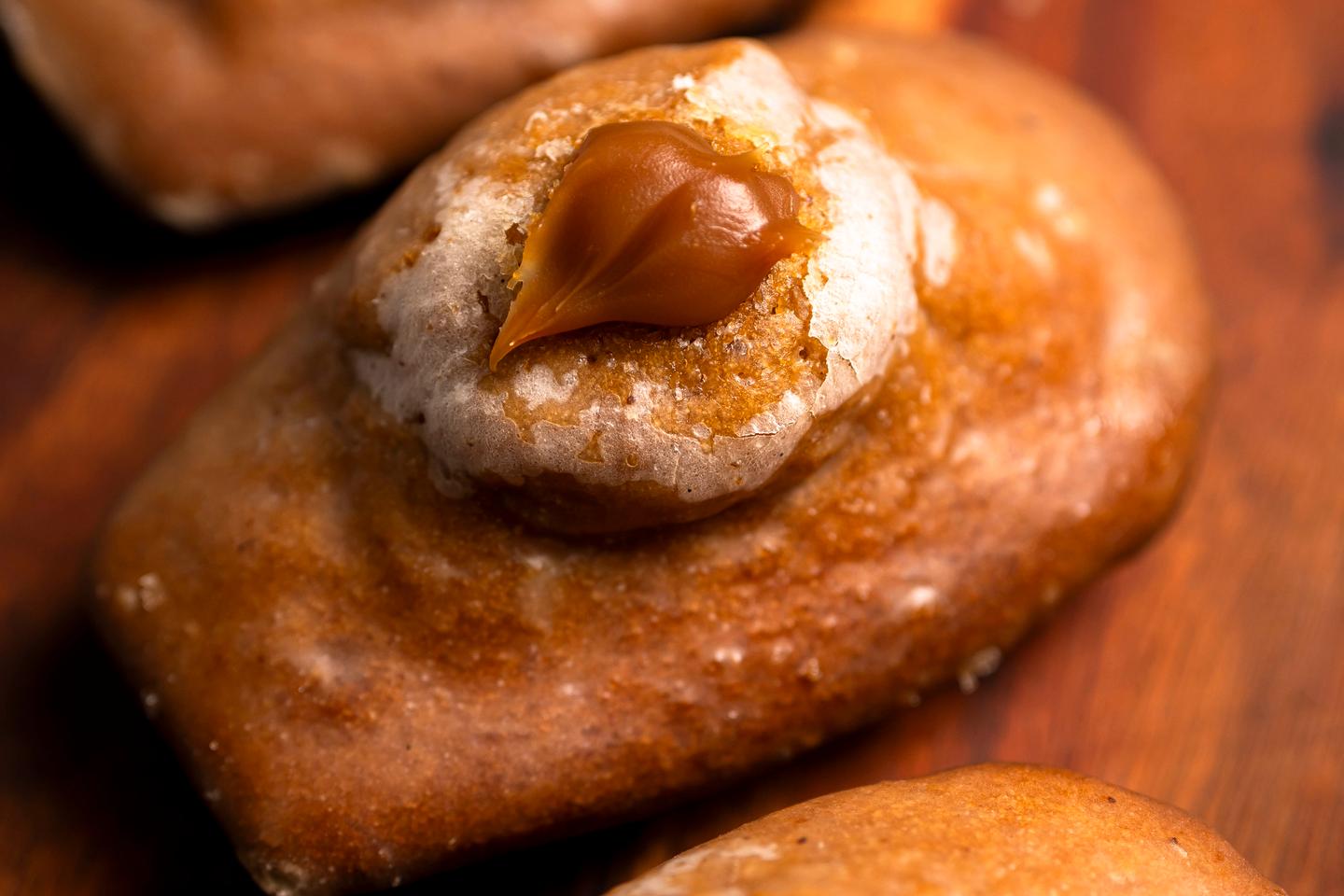
Eggs, sugar, milk, flour, butter, a little yeast, all poured into small shell-shaped molds: This is the madeleine, the quintessential childhood cake. As is often the case with iconic pastries, it is difficult to point to a single, certified version of its recipe.
In her Dictionnaire de la gourmandise (Robert Laffont, 2012), Anne Perrier-Robert explores the many supposed origins of the madeleine. She recounts the story of a young girl named Madeleine who is said to have offered pilgrims on the Camino de Santiago a cake baked in a scallop shell, the symbol of the pilgrimage. Perrier-Robert also mentions its possible Spanish and medieval origins, with a version made from olive oil that may have been brought to France by Napoleon.
The most widespread anecdote, however, takes place in the mid-18th century in Lorraine, northeastern France. The pastry chef of King Stanislas Leszczynski of Poland, fed up with the king's jester, is said to have thrown away the desserts he was preparing. The servant Madeleine Paulmier then offered to make a cake passed down from her grandmother, which was later named after her. Still, the author notes that other versions trace the cake's history in the region back even further.