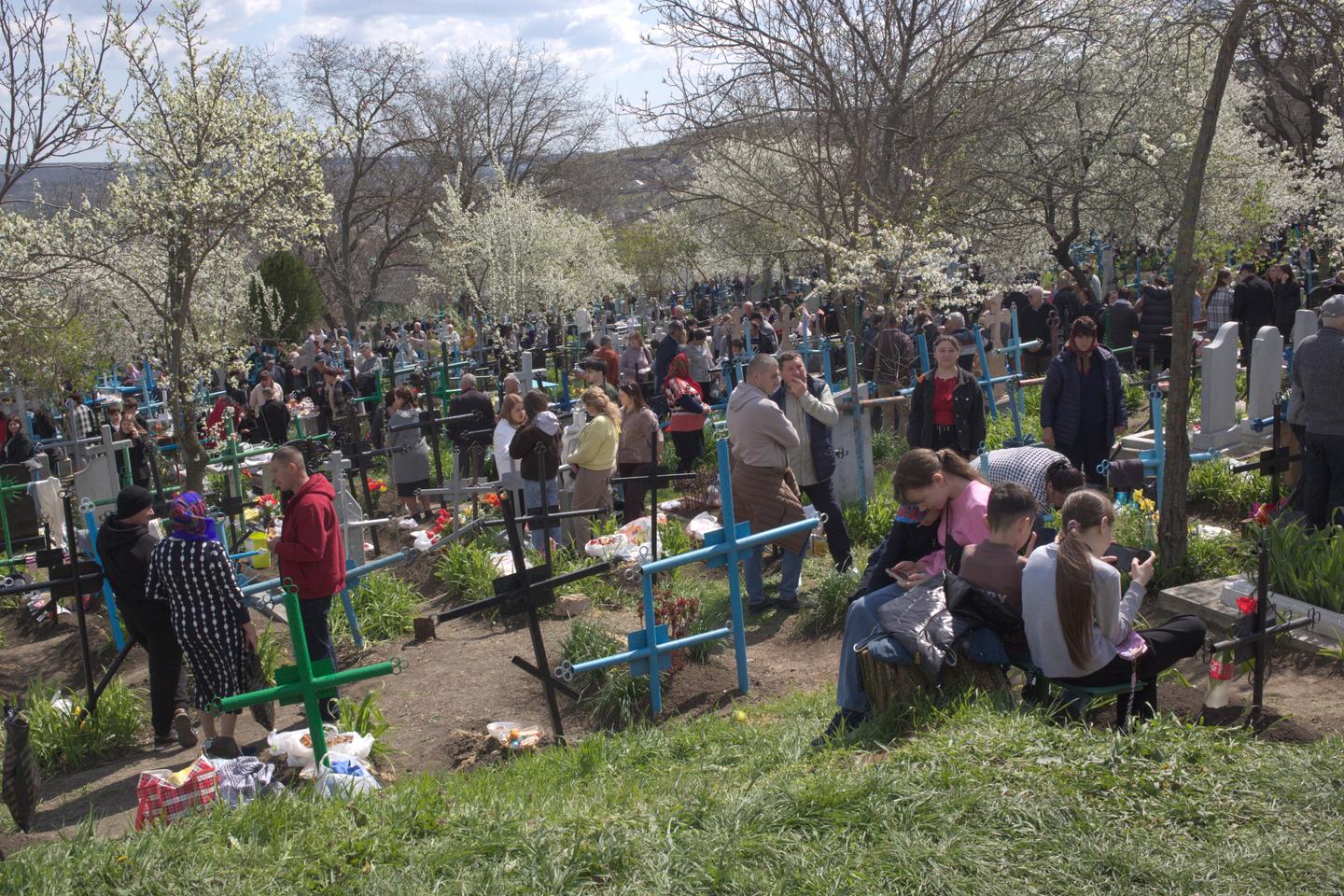
Families gather for lunch in the cemetery in Rusestii Noi, Moldova, on April 19, 2026. MARINE LEDUC/« LE MONDE »
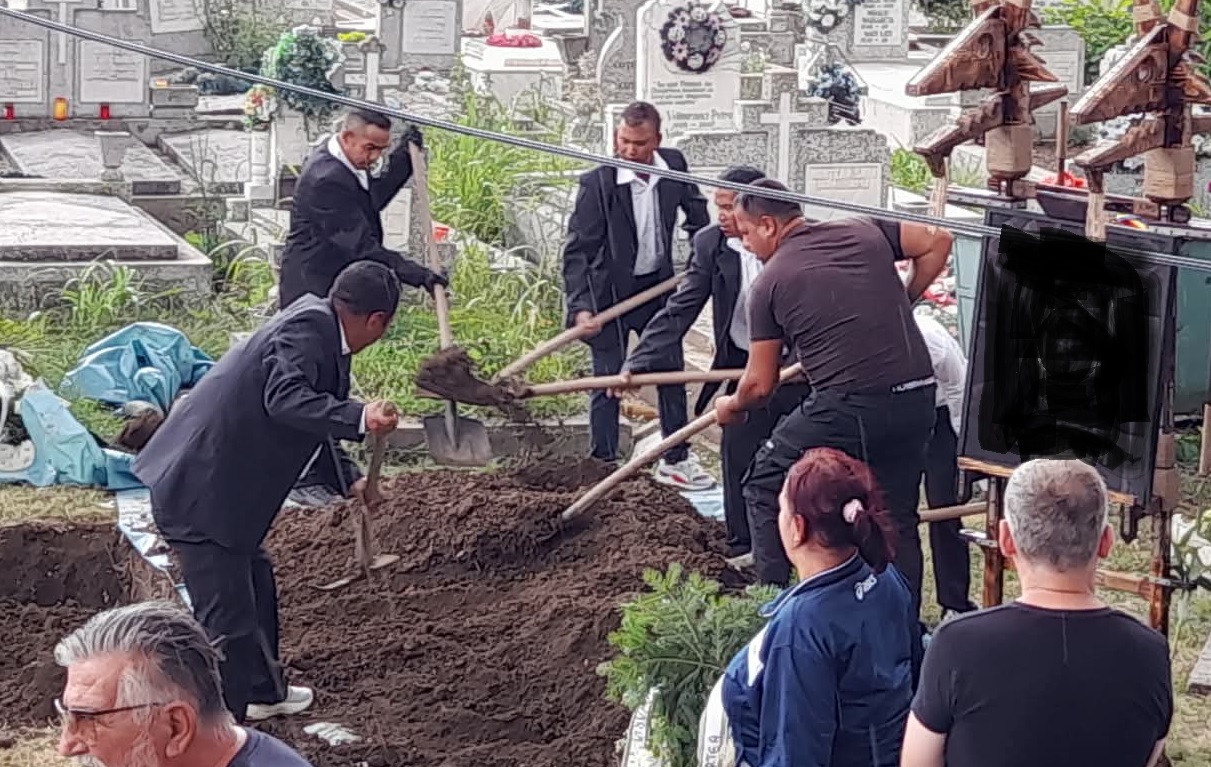
In the village of Rusestii Noi, near Chisinau, hundreds of families make their way up the road to the cemetery with bags and baskets overflowing with food. On Sunday, April 19, after the Orthodox mass, Moldovans celebrated Paştele blajinilor, "Easter of the Blessed," also called "Easter of the Dead," which, along with the following Monday, are public holidays celebrated across the country.
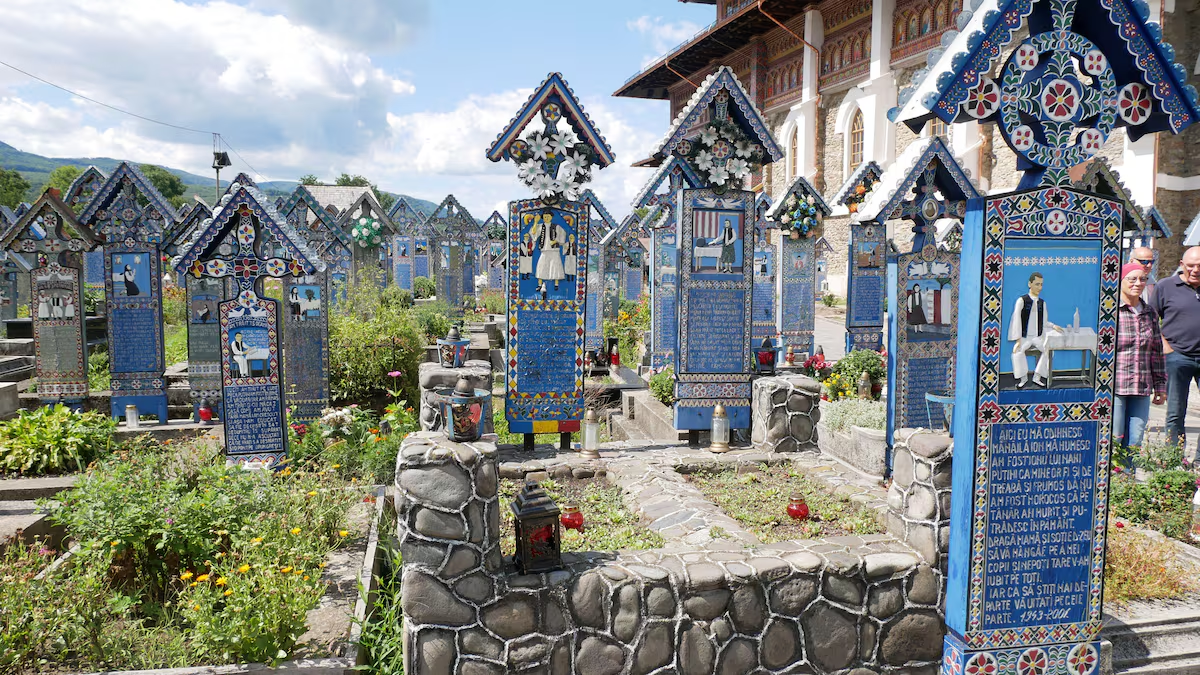
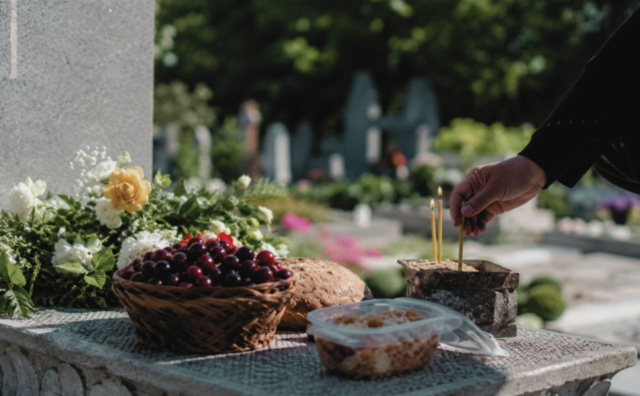
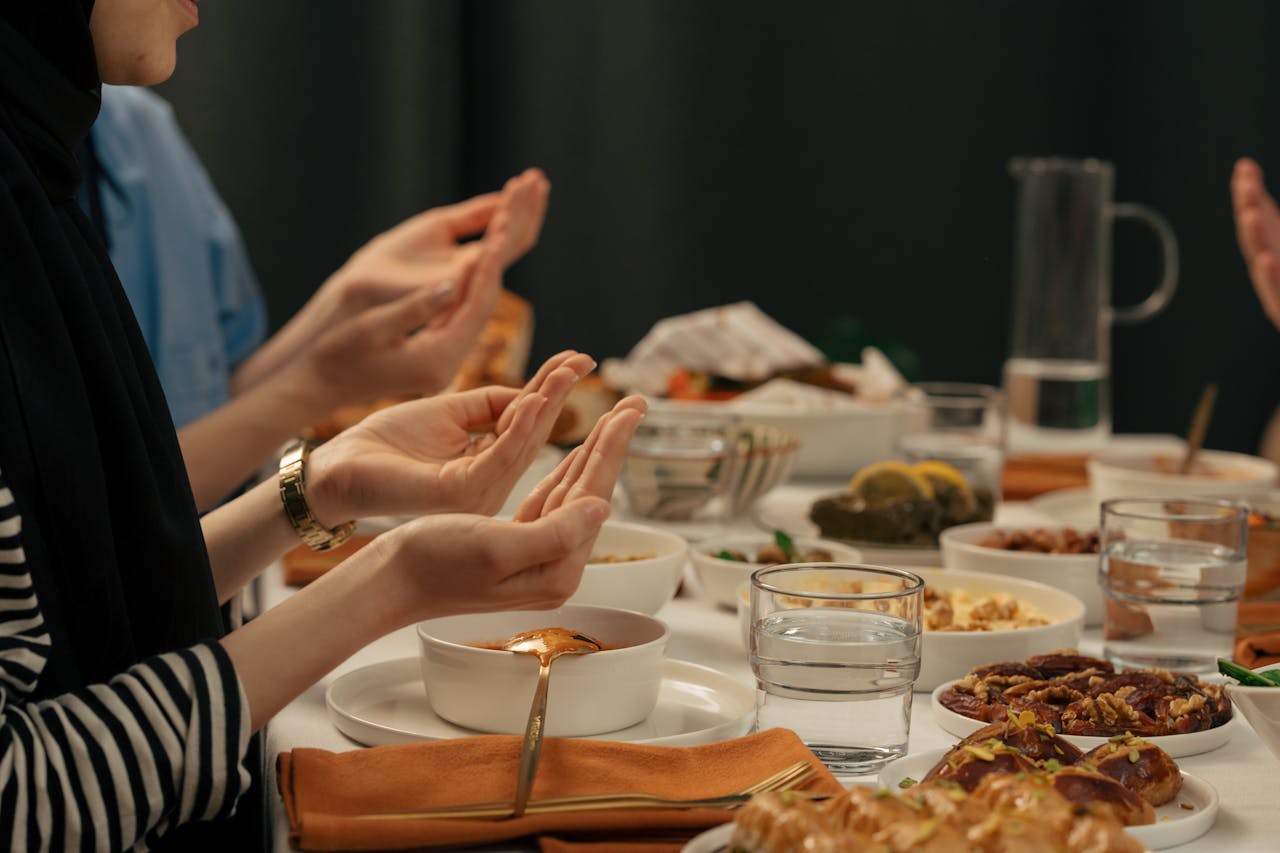
The cemetery in Rusestii Noi sits atop a green hillside, and like most Moldovan cemeteries, the graves, covered in tulips and marked by crosses painted blue, green and black, are arranged among fruit trees. There, the priest walks among the graves, blessing them. Tables and benches are set up for sharing the pomana – an offering in the form of food – exchanged by families to commemorate the departed.
Elena Bolocan, 30, prepared various dishes with her mother and grandmother – cheeses, tomatoes, flaky pies and breaded chicken – which she sets out on a small table under the blossoming apple trees. Children wander by, hoping for candy, while homemade wine is passed from hand to hand before half a glass is poured onto the grave of a loved one, serving them as well. Moldovans are renowned for their wine, and, for some, it is hard not to stagger between the graves before midday.