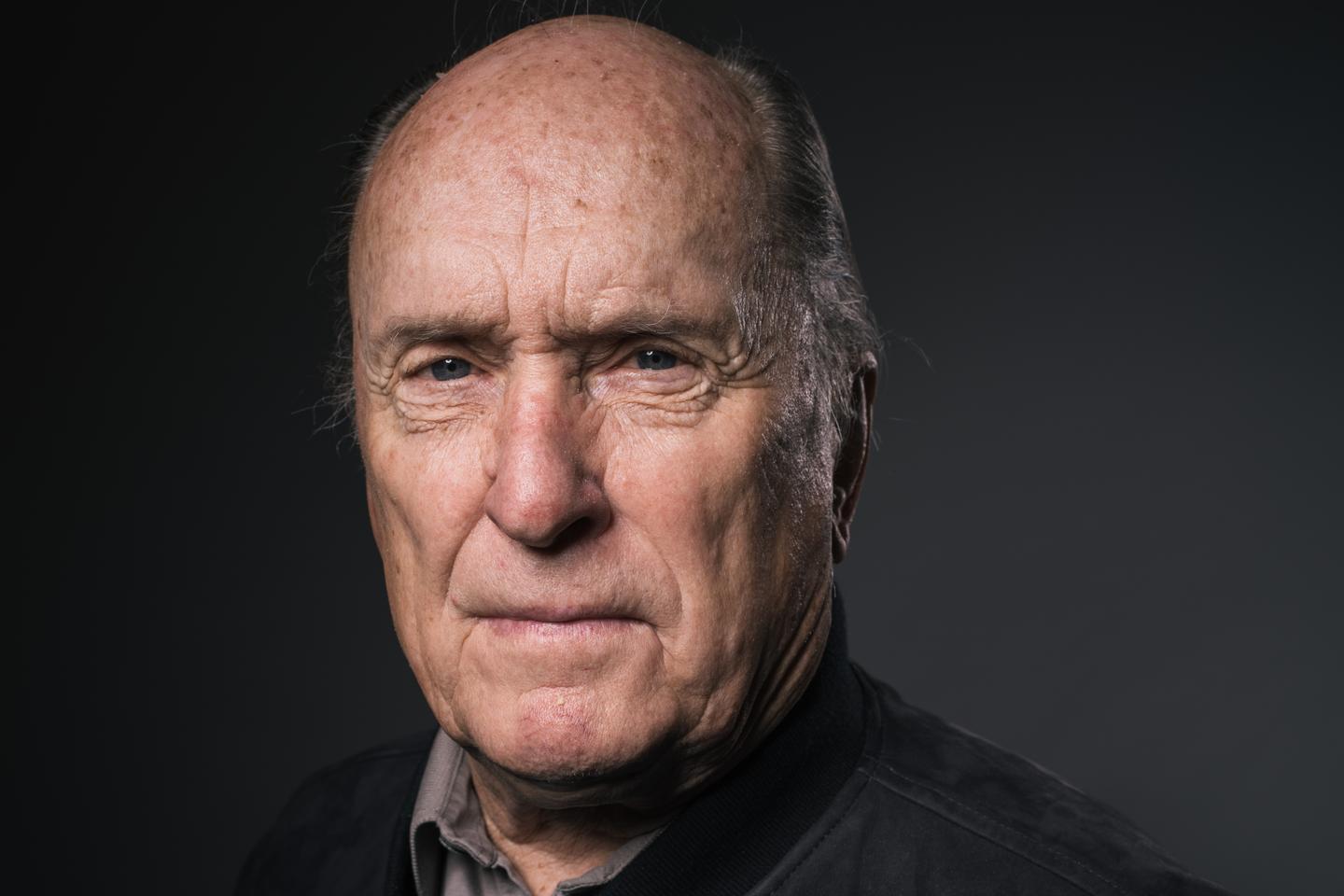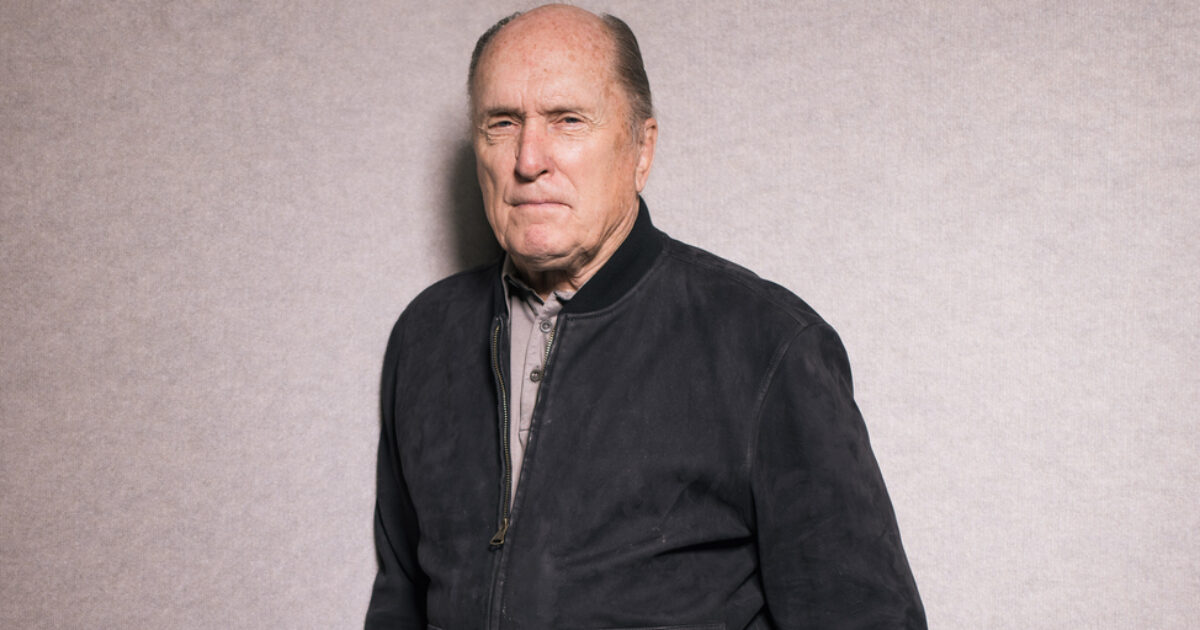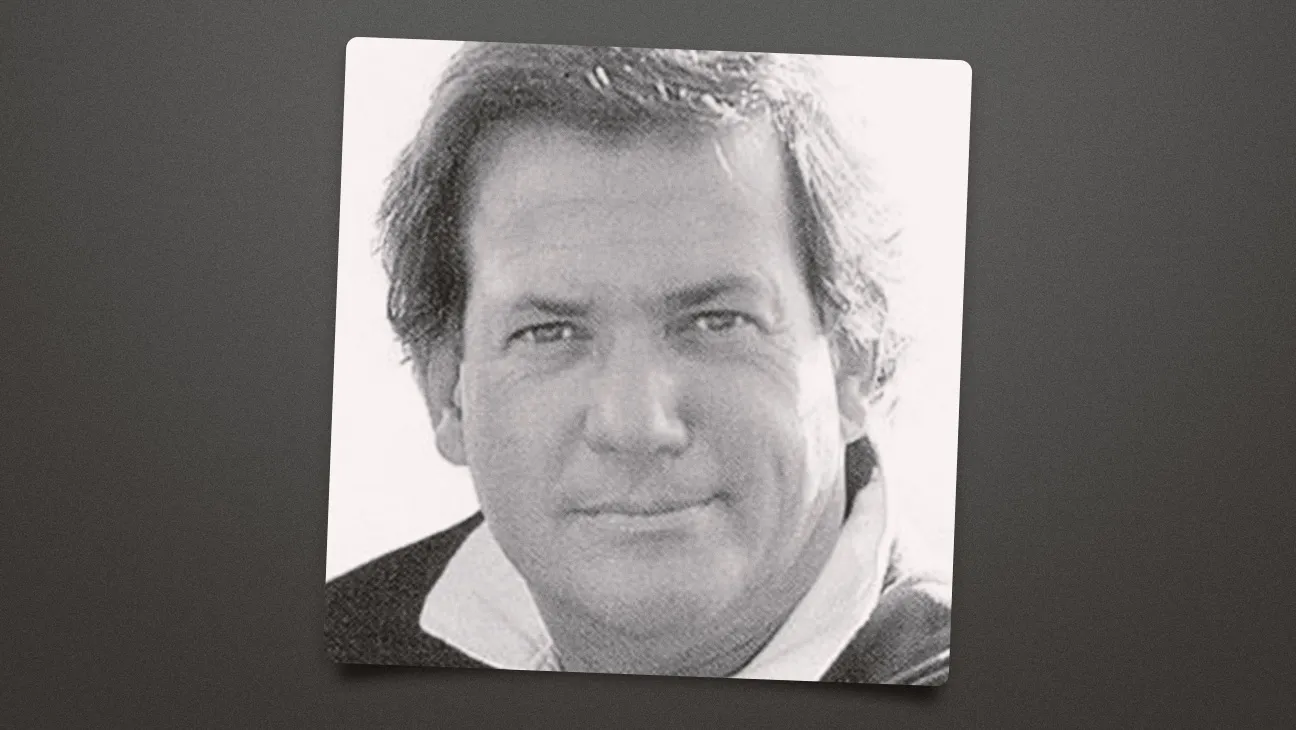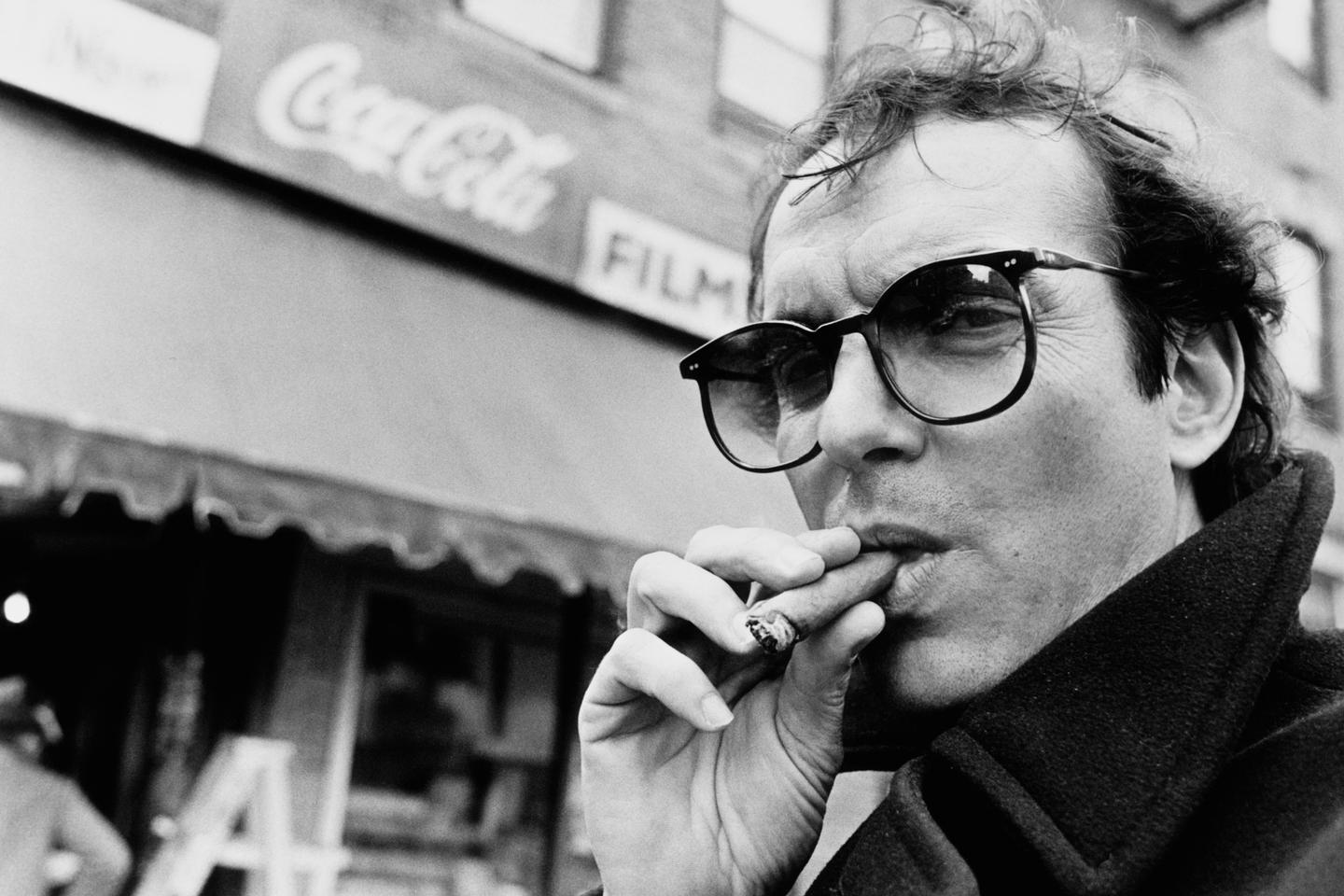
Dean Tavoularis on the set of the film "The Brink's Job," directed by William Friedkin, in Boston, United States, May 15, 1978. BARBARA ALPER/GETTY IMAGES
With the passing of Dean Tavoularis on April 23 in Paris at the age of 93, cinema lost one of its last great production designers. His loss is made even more poignant by the sense that, with him, a profession he elevated with extraordinary talent may be disappearing. While Dean Tavoularis's name was known mainly to film specialists, the worlds he created left a lasting impression on general audiences, defining what many came to see as a golden age of cinema that began in the late 1960s and continued into the early 1980s. Tavoularis served as the principal production designer for Francis Ford Coppola from 1972 to 1996, working on films from The Godfather to Jack, as well as The Conversation (1974), Apocalypse Now (1979) and One from the Heart (1981). He also designed the sets for Arthur Penn's Bonnie and Clyde (1967) and Little Big Man (1970); Michelangelo Antonioni's Zabriskie Point (1970); and Roman Polanski's The Ninth Gate (1999) and Carnage (2011), which was his final film.
Dean Tavoularis's career was closely intertwined with the story of Hollywood itself, a journey detailed in a remarkable book of interviews (Conversations with Dean Tavoularis, by Jordan Mintzer, 2022). His father ran a cafeteria in Los Angeles that was frequented by many employees of the prestigious Twentieth Century Fox studio. After studying art and architecture, Tavoularis patiently climbed the rungs of the studio system's demanding meritocracy, an environment built on apprenticeship and mentorship. He was hired in the mid-1950s at Disney, where he worked on Lady and the Tramp and Mary Poppins, before becoming an assistant set designer on 20,000 Leagues Under the Sea by Richard Fleischer, Guess Who's Coming to Dinner by Stanley Kramer and Inside Daisy Clover by Robert Mulligan, one of the rare Hollywood films to explore the darker side of the dream factory.