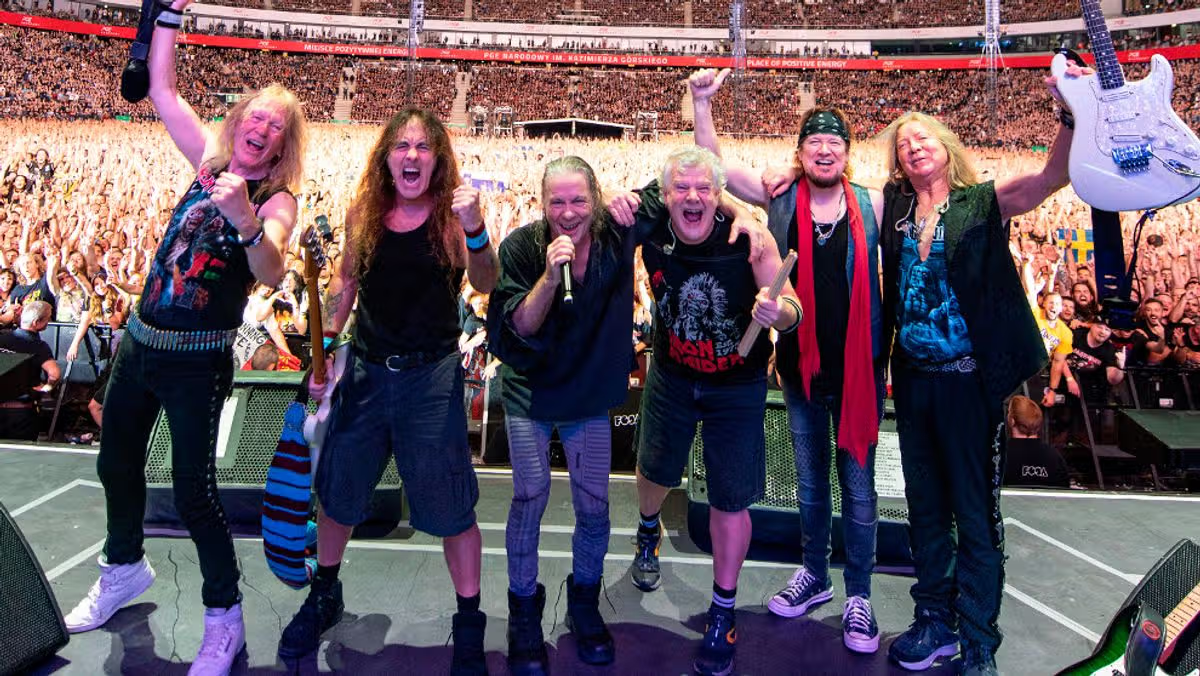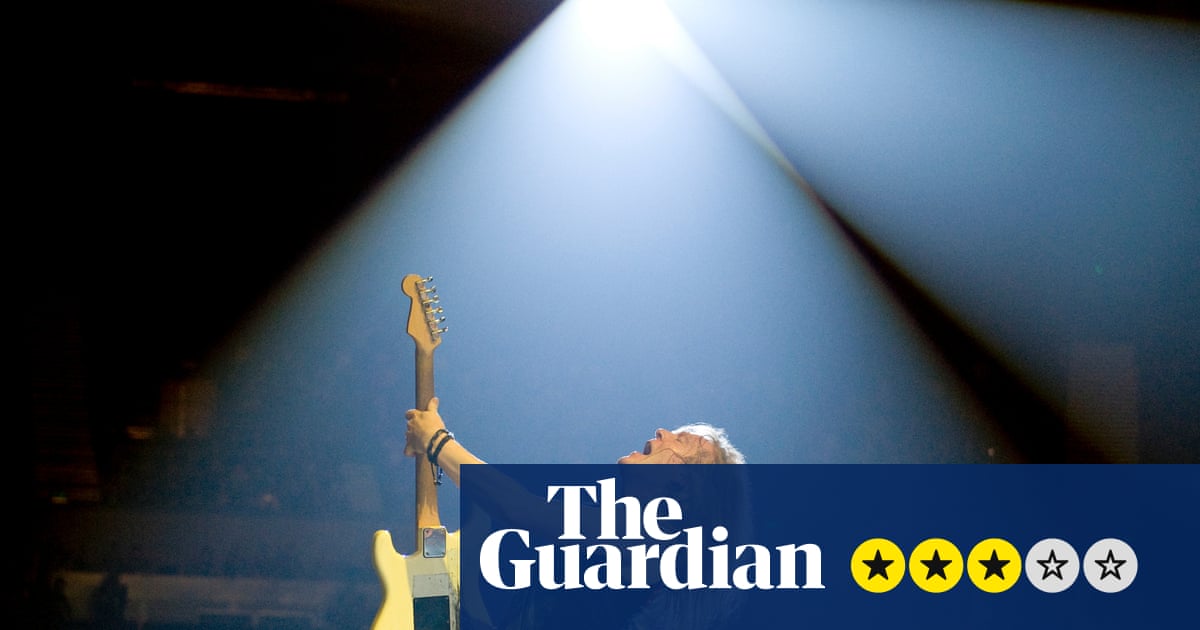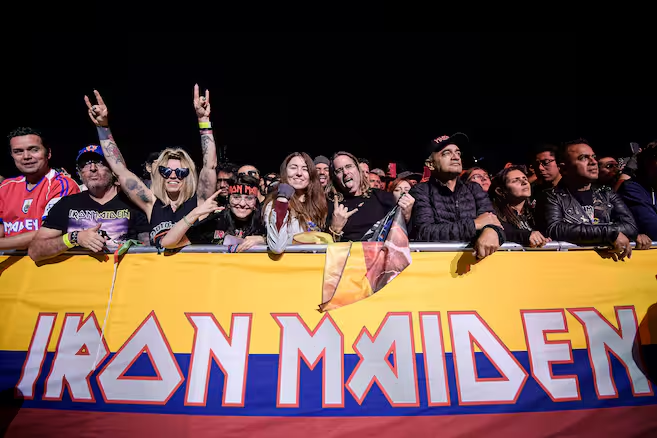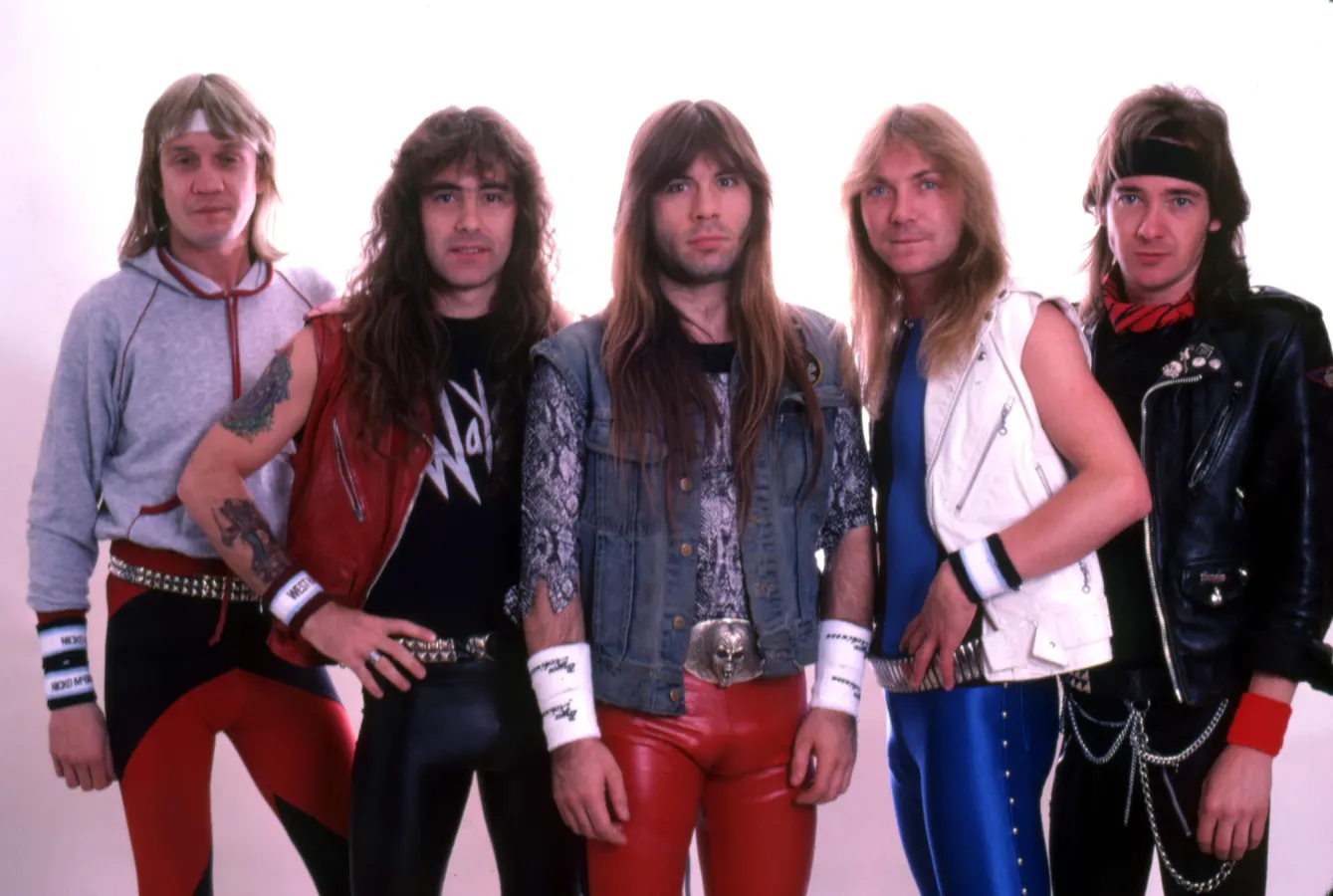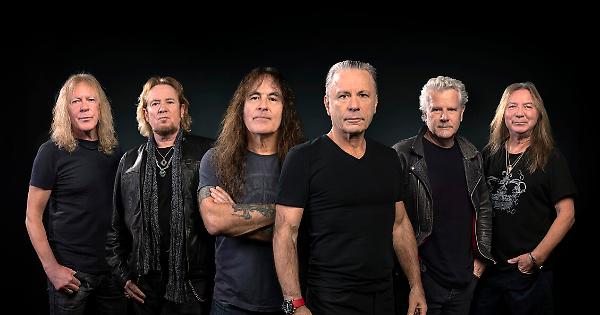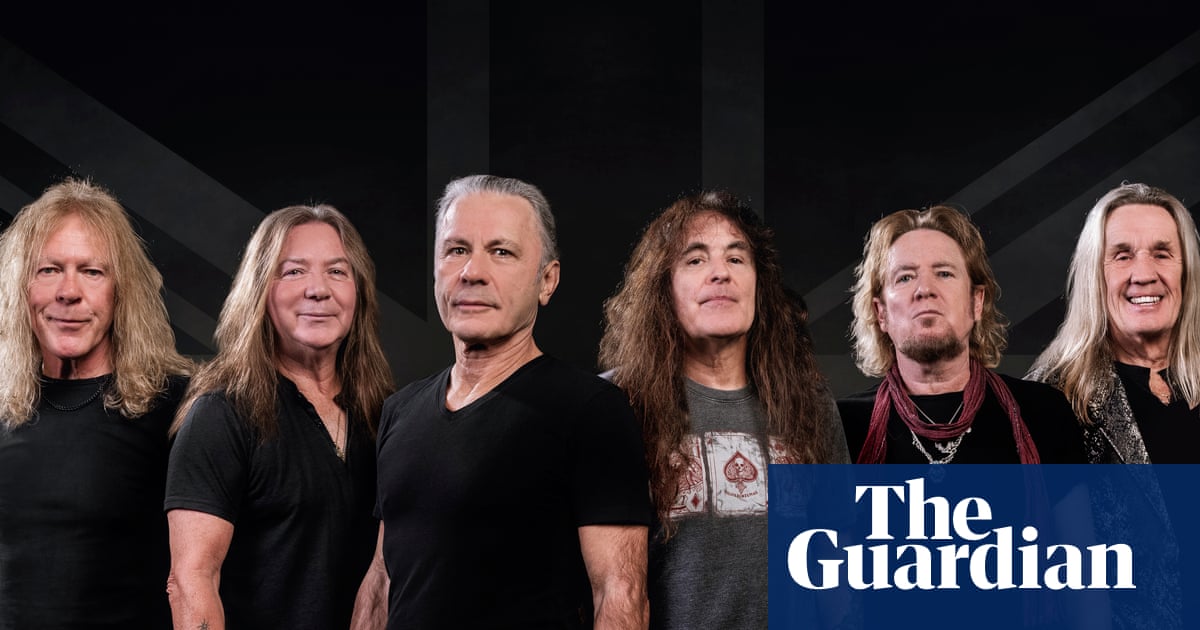
As a career-spanning documentary hits cinemas and the band eye two nights at Knebworth, they revisit their path from pubs to stadiums – but how did they get through their crisis-filled 1990s?
W
hen I ask Iron Maiden bassist and founder Steve Harris about the fact his band have lasted for more than half a century, he sounds bewildered, as if he’s put something down then forgotten where he’s left it. “It’s gone so quick. You go on tour for a few months and it seems to fly, but so much happens. Our whole career is an extension of that – for 50 years.”
He’s looking back on how he steered one of the most influential – and deeply idiosyncratic – British bands in history. Catapulted to the premier league of 80s metal on the back of galloping, theatrical, multi-platinum LPs including The Number of the Beast, Powerslave and Seventh Son of a Seventh Son, Iron Maiden not only survived the mid-90s slump that befell many metal bands, but got even more heavy and ambitious.
Last year they celebrated that 50th anniversary with the Run for Your Lives tour, which continues till this November and includes their biggest UK headline shows to date at their own two-day EddFest at Knebworth in July. Next month there’s also the cinema release of Burning Ambition, a through-the-decades documentary featuring rare archival footage spliced among talking heads including Tom Morello, Chuck D, Lars Ulrich and – less expectedly – Javier Bardem.