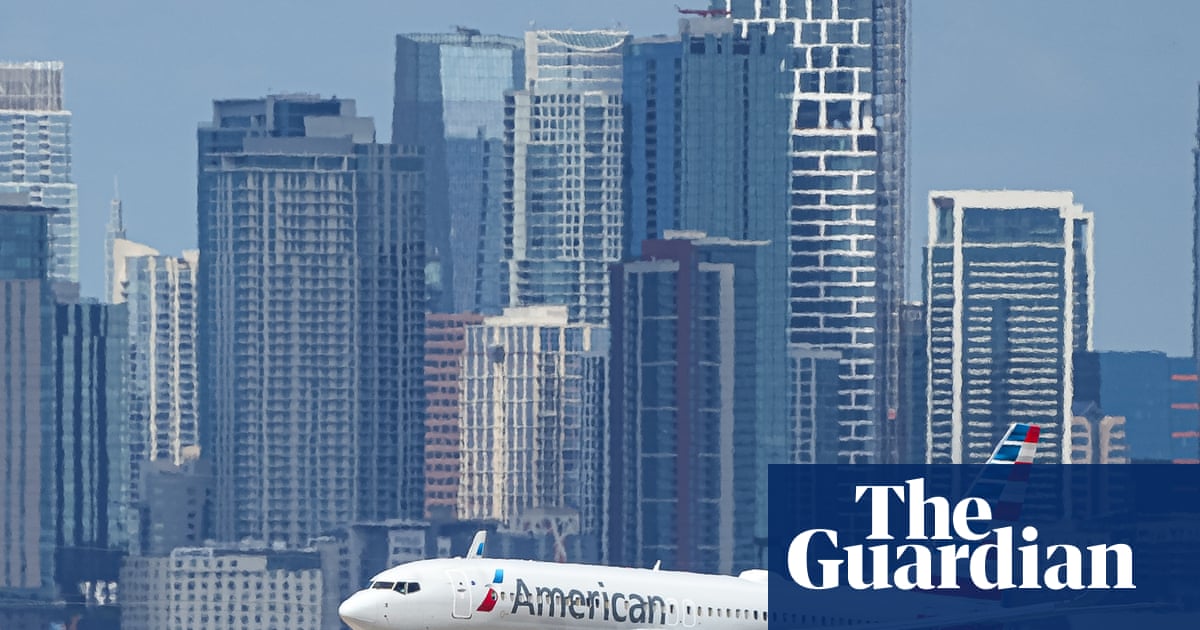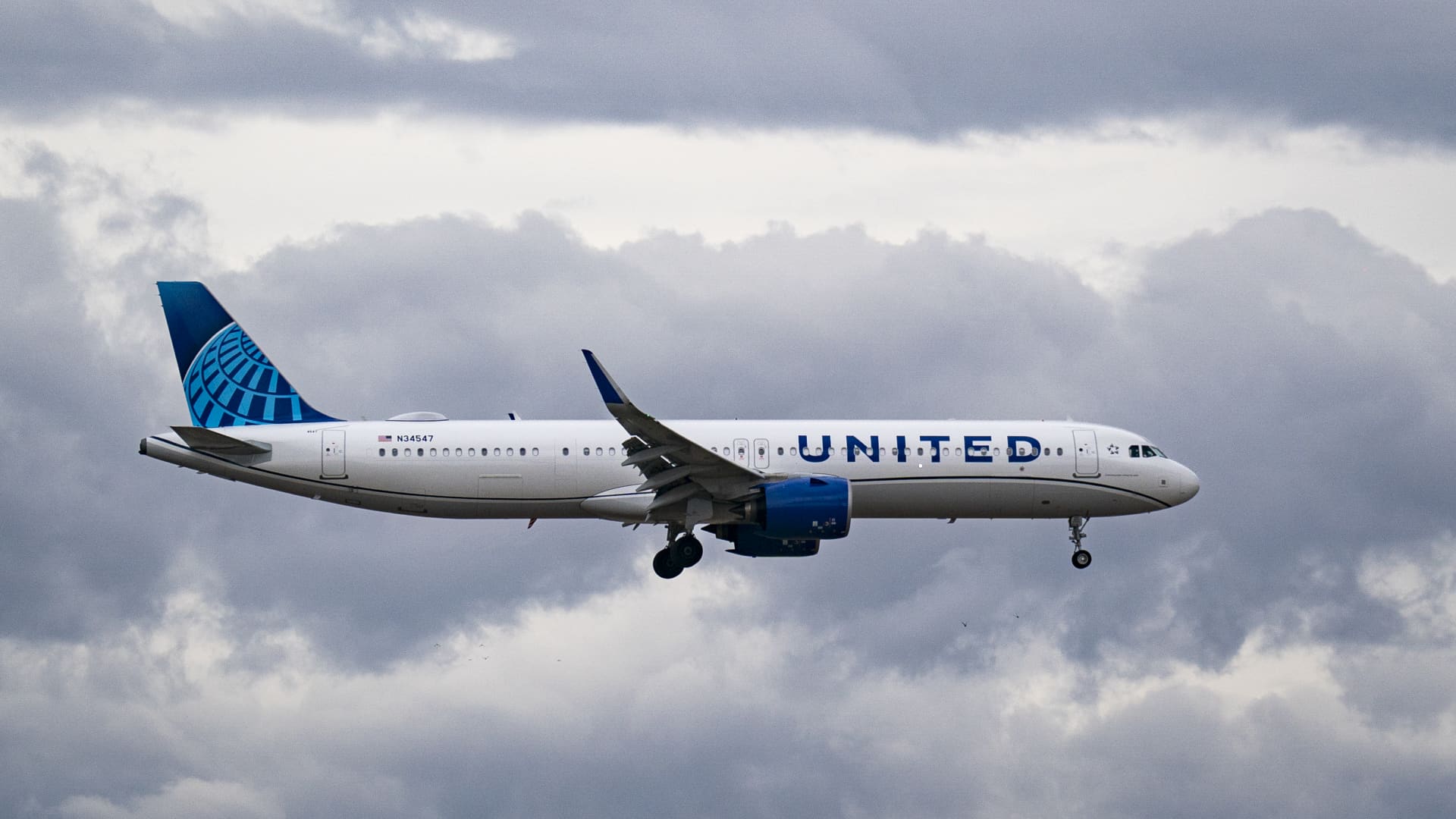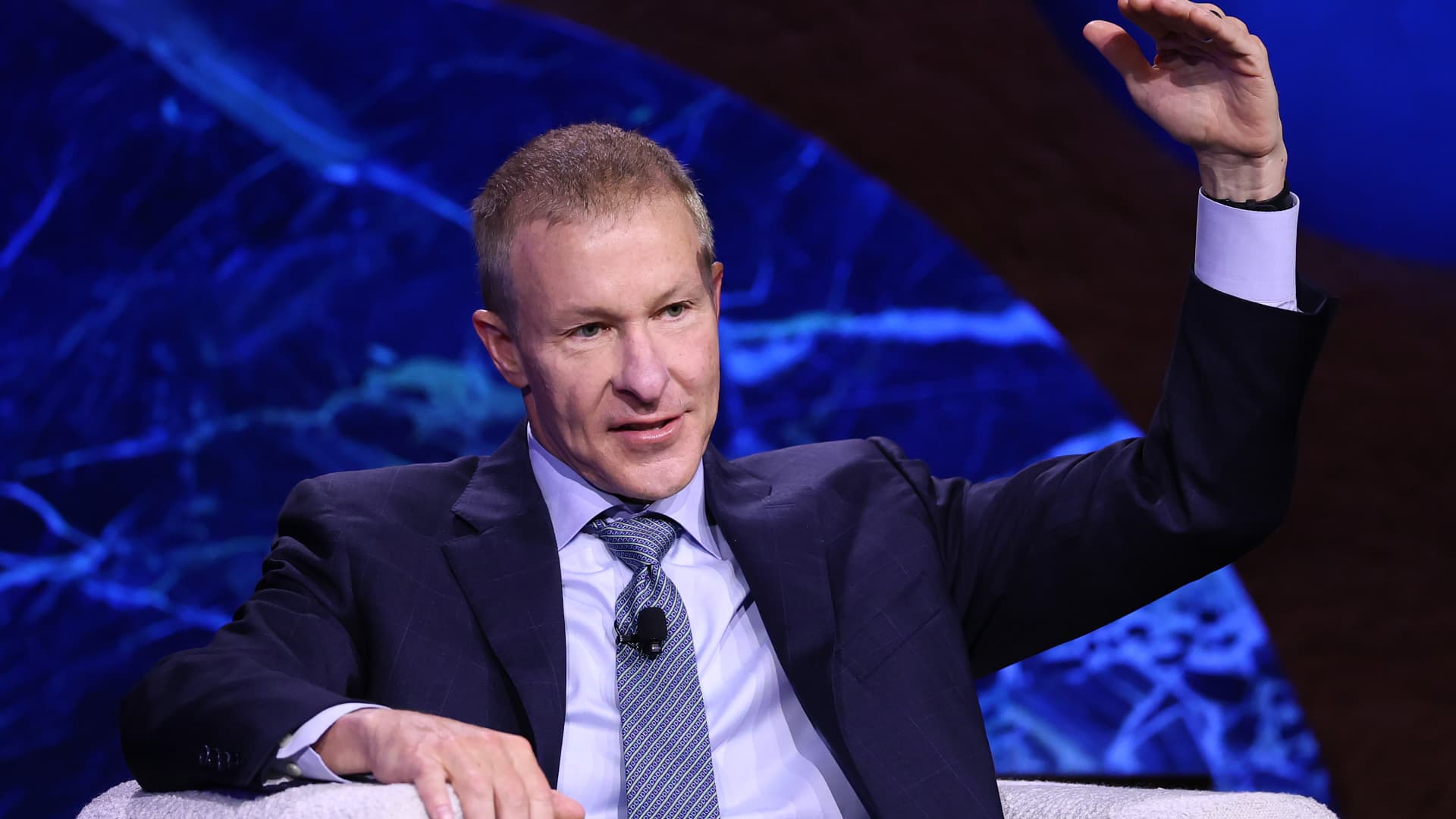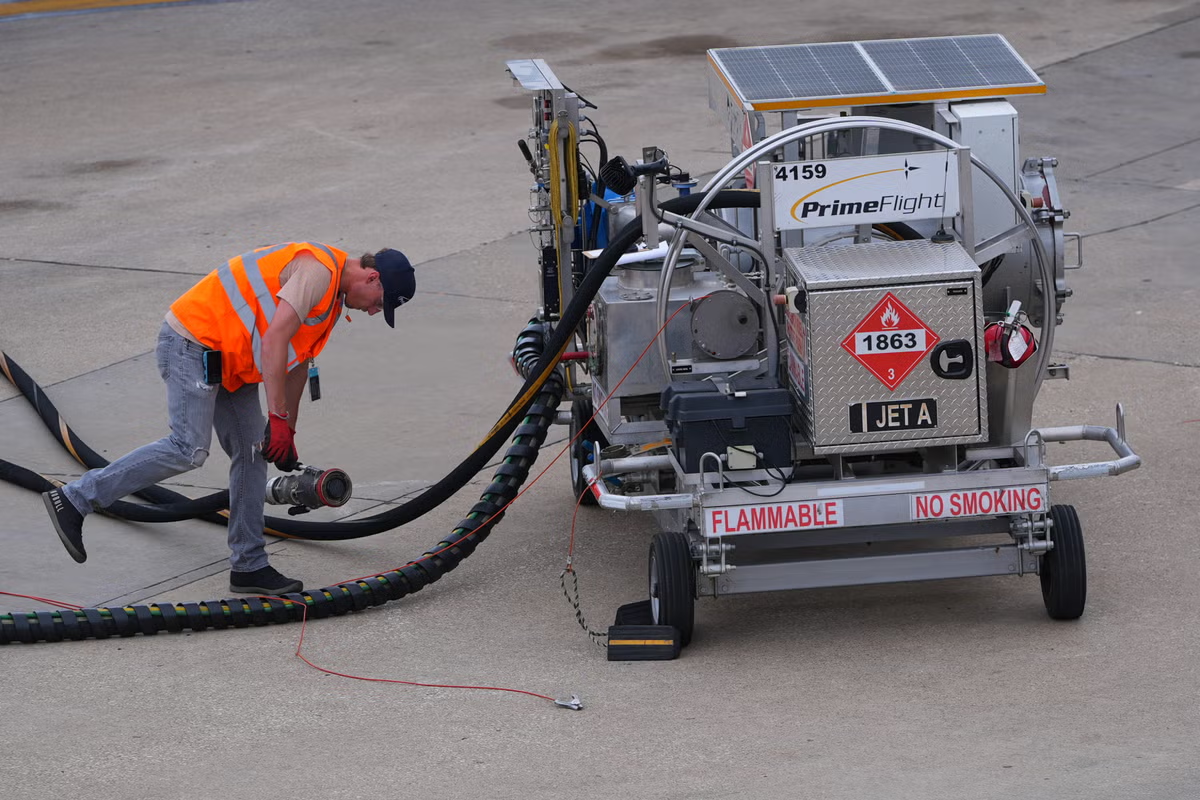
ToplineAirlines’ first-quarter earnings reports reveal how soaring jet fuel prices are draining billions from U.S. carriers, even as they post record revenue.Airline chiefs: United Airlines CEO Scott Kirby, American Airlines CEO Robert Isom, Delta Air Lines CEO Ed Bastian, JetBlue Airways CEO Joanna Geraghty and Southwest Airlines CEO Robert Jordan. (Photo by Win McNamee)Getty ImagesKey FactsAll the “big four” airlines—American, Delta, United and Southwest—reported record Q1 revenue, but the gains were offset by higher jet fuel costs and American and Delta ended up in the red.United Airlines and American Airlines this week cut their 2026 forecasts due to higher jet fuel costs, while Southwest Airlines held off updating its full-year guidance.American Airlines told investors its jet fuel bill will increase by $4 billion in 2026, while Delta Air Lines said its fuel bill will be $2 billion higher in the second quarter alone.Jet fuel will be “a billion dollar headwind” in the second quarter, Southwest Airlines CEO Bob Jordan told investors on Thursday.Jet fuel was $4.23 a gallon Wednesday on the Argus U.S. Jet Fuel Index—up 69% since the U.S. and Israel launched airstrikes on Iran more than seven weeks ago.The Dow Jones U.S. Airline Index was down 8% Thursday compared to before the Iran war began.Crucial Quote“The increase in jet fuel prices kept this from being a profitable quarter,” American Airlines finance chief Devon May told investors Thursday. The company reported spending an additional $400 million on jet fuel in the first quarter—an extra expense that landed almost entirely during the month of March, after the Iran war began.Big NumberSix. That’s how many “broad, industry-wide fare moves,” also known as airfare hikes, have happened since the Iran war broke out nearly eight weeks ago, according to Southwest Airlines.Survival Of The FittestDomestic airlines are “a bit more insulated” from jet fuel spikes than carriers in other countries because the U.S. produces 13 million barrels of oil a day and imports roughly four million barrels a day from Canada, Patrick De Haan, GasBuddy’s head of petroleum analysis, told Forbes. Even so, jet fuel costs are bleeding U.S. airlines’ bottom lines. The three most vulnerable carriers are budget airlines Frontier and JetBlue, which have struggled to be profitable since the Covid pandemic, and ultra low-cost carrier Spirit Airlines, which is operating under Chapter 11 bankruptcy and in “advanced stages” of negotiating a $500 million bailout with the Trump administration. Among the nation’s stronger carriers, Alaska Airlines on Monday pulled its 2026 forecast and reported a first-quarter net loss of $193 million, missing estimates, after being hit by over $100 million in higher fuel costs. United said it will trim as much as 5% of its schedule in the third quarter if fuel prices don’t come down. Delta Air Lines, the country’s most profitable carrier, said it expects to post $1 billion in pre-tax profit in the second quarter but would “meaningfully reduce” its capacity growth plans. Delta has a key advantage over rivals in that it owns a refinery, which the airline expects will deliver a $300 million benefit in the second quarter. “Delta has cut out the middleman, essentially, and has made very lucrative arrangements to basically trade gasoline for jet fuel,” De Haan told Forbes. Airlines Around The Globe Cut Their SchedulesAirlines everywhere are trimming routes, one of the few levers they can pull to economize fuel. Flight cuts have been especially prevalent in Europe and Asia, where energy experts have warned about running out of jet fuel within weeks if the Iran war drags into the summer. After China and Thailand stopped exporting jet fuel to meet their own needs, import-dependent markets including Vietnam, Myanmar and Pakistan began running out of supply. Many Asian airlines are flying with extra fuel—a practice known as tankering—as supplies have tightened, Reuters reported. In Europe on Tuesday, as German flagship carrier Lufthansa announced it would cut 20,000 short-haul flights from its schedule through October, the European Commission created a fuel observatory for its 27 member states to coordinate “national emergency measures” to monitor fuel availability and mitigate “possible fuel shortages on the [European Union] aviation sector.” TangentEarlier this month, United Airlines CEO Kirby floated a possible merger with American Airlines to government officials, including President Trump, who publicly opposed the idea Tuesday, telling reporters both airlines were doing fine and adding, “I don’t like having them merge.” American Airlines CEO Robert Isom dismissed a merger to investors on Thursday. “The idea of the two largest airlines in the world getting together, that is something we’ve viewed as being anti-competitive,” he said. “Everybody that has weighed in suggests the same thing—bad for customers, bad for the industry, and ultimately … bad for American Airlines.”Further ReadingAirline CEOs Hint At Mergers As Jet Fuel Prices Squeeze Industry (Forbes)Asia And Europe Are Running Out Of Jet Fuel—But ‘No Country Is Immune’ (Forbes)
Airlines Posted Record Revenue In Q1—But Lost Billions To Pricier Jet Fuel
U.S. airlines were heading for a banner first quarter until the U.S. and Israel attacked Iran, sending jet fuel prices spiking and profits sinking.
805 words~4 min read