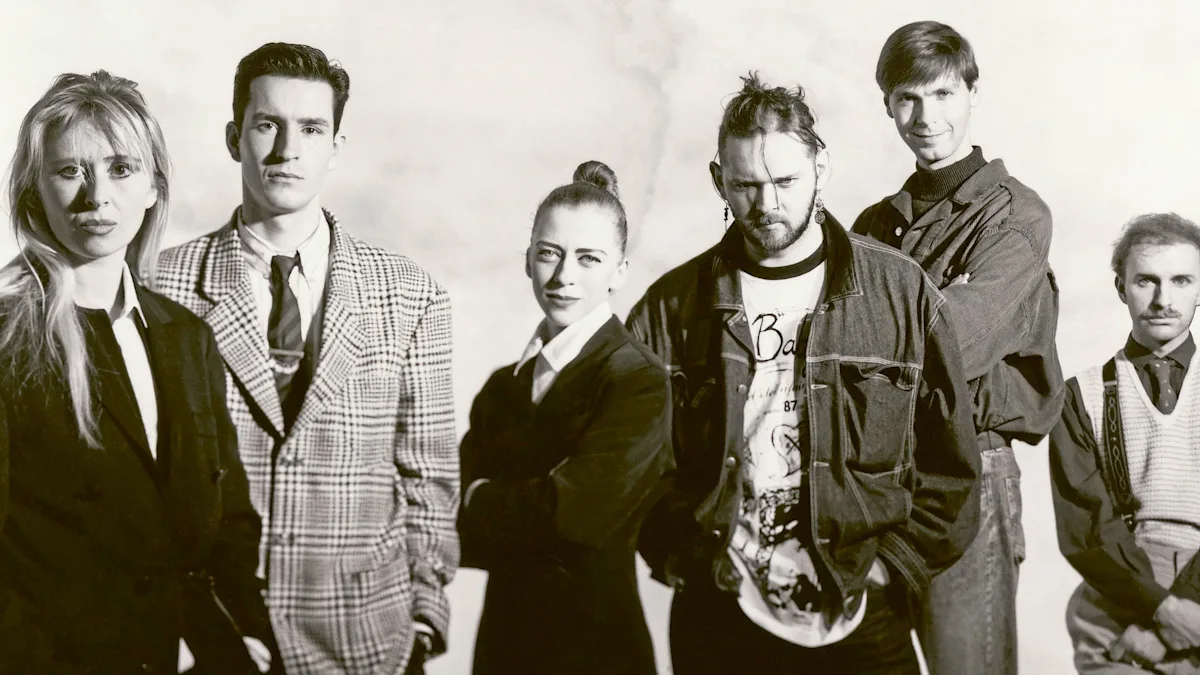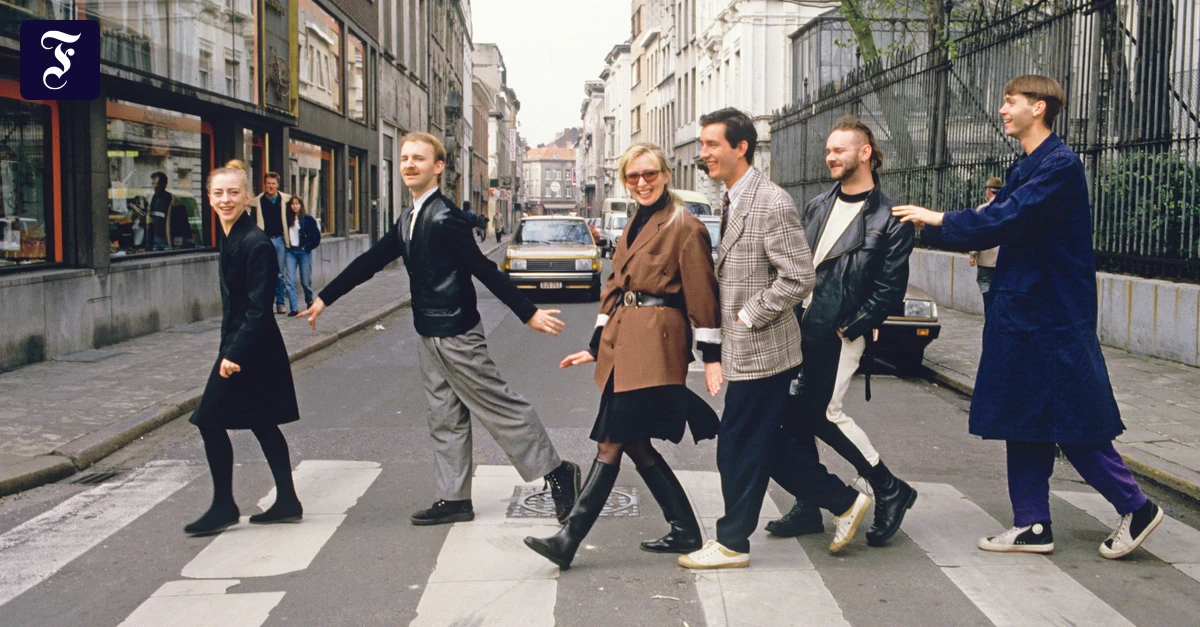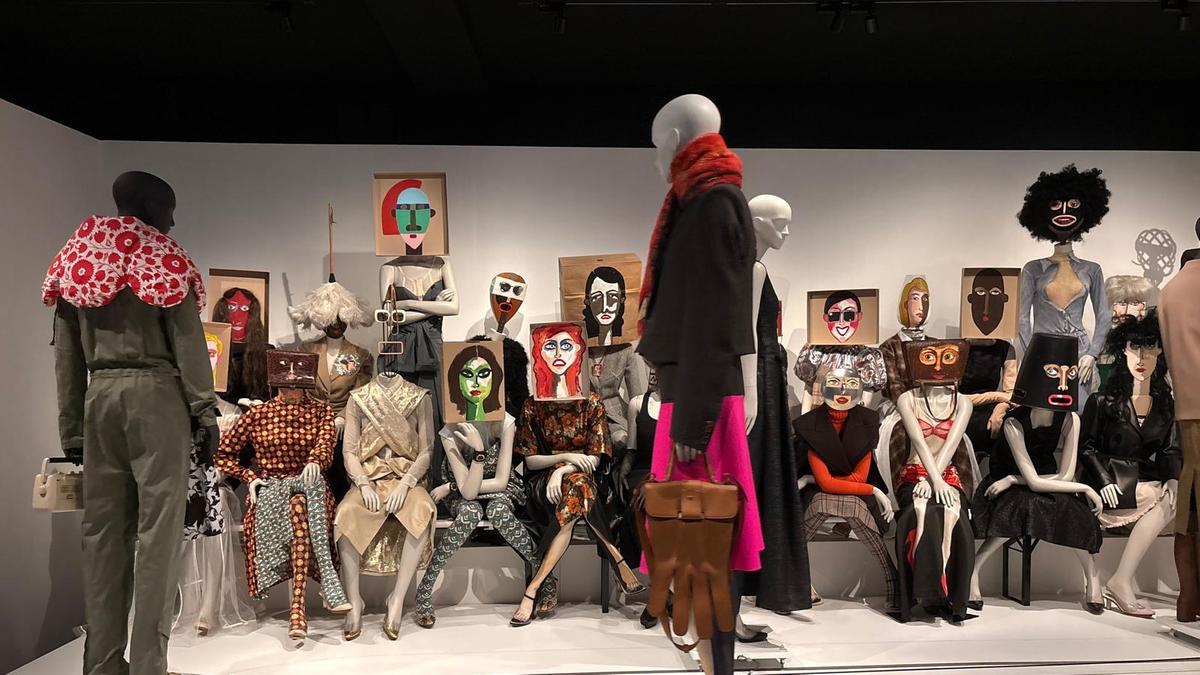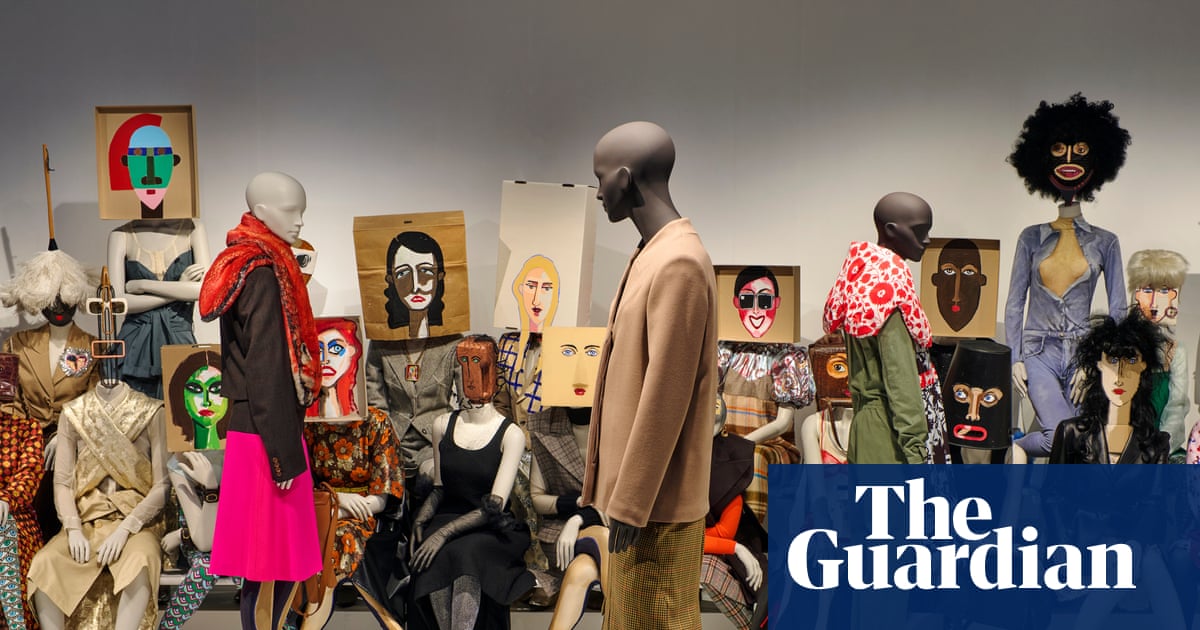
In the 1980s ‘the Antwerp Six’ put Flanders on the fashion map. Now a major new exhibition celebrates the designers’ legacy and provides the perfect excuse to visit Belgium’s vibrant second city
Y
ou know you’re in a city that takes its fashion seriously when even the Virgin Mary is dressed head to toe in couture. A short walk from Antwerp’s old town, with its ornate medieval guild houses and cobblestone streets, is the baroque church of St Andrews. Like many of the city’s Catholic churches, it has beautiful stained glass windows, an exuberantly carved wooden pulpit and more artworks by Flemish masters than you can shake an incense stick at. But we’re here to pay homage to an art form of a different kind.
In a quiet chapel, an elegant 16th-century wooden statue of the Madonna is clothed not in her usual blue cloak, but a dress of pale gauzy fabric, trimmed with a collar of white pigeon feathers, custom made by renowned Belgian fashion designer Ann Demeulemeester. It’s a bold statement but one that’s entirely in-keeping with a city where a love of fashion seems woven into the fabric of everyday life.
It wasn’t always so. In the 19th century this impoverished neighbourhood was known as the “parish of misery”– a reputation that endured well into the 1980s when a young designer named Dries van Noten took the plucky decision to open a shop on Nationalestraat, across the road from his grandfather’s tailor shop. Almost four decades on, the beautifully restored art nouveau building, with its curved windows, marble floor and chandeliers, is at the centre of Antwerp’s vibrant Fashion District (rebranded, presumably, because “Misery District” was a harder sell for the tourist board).