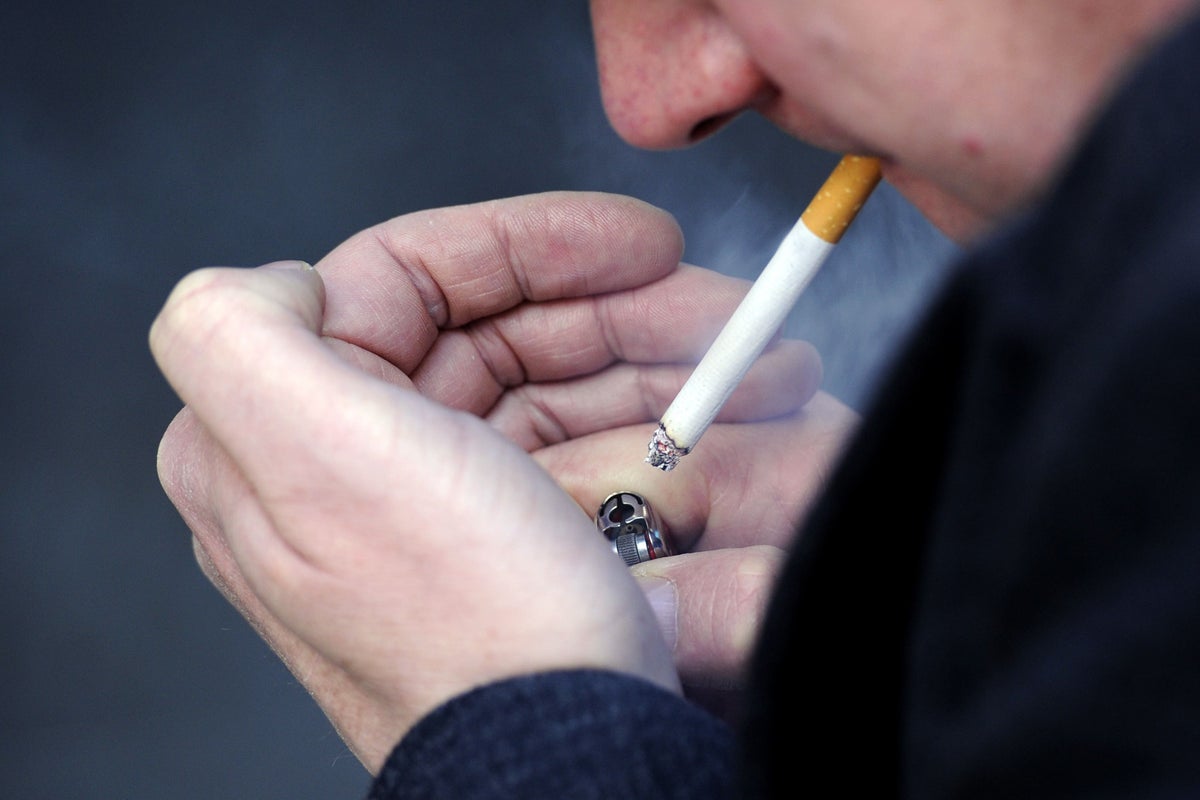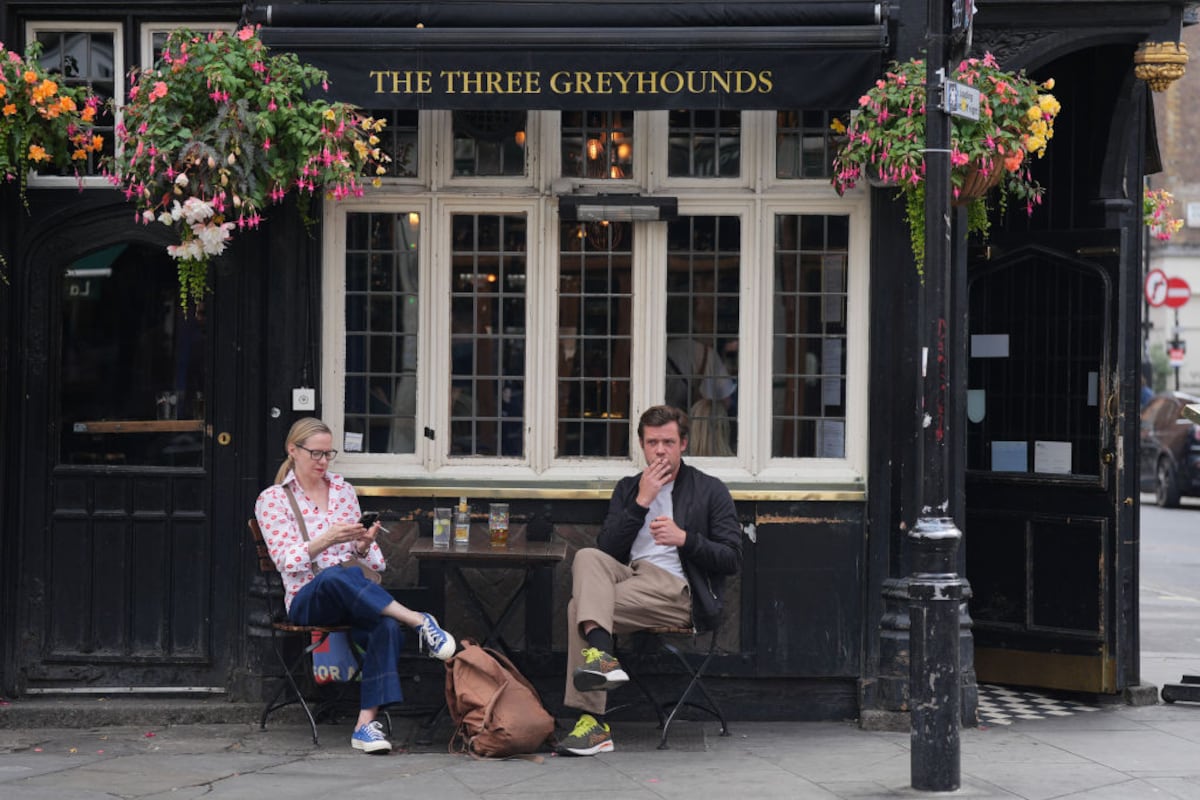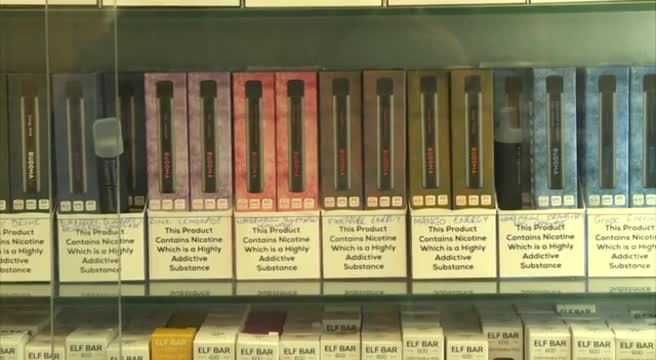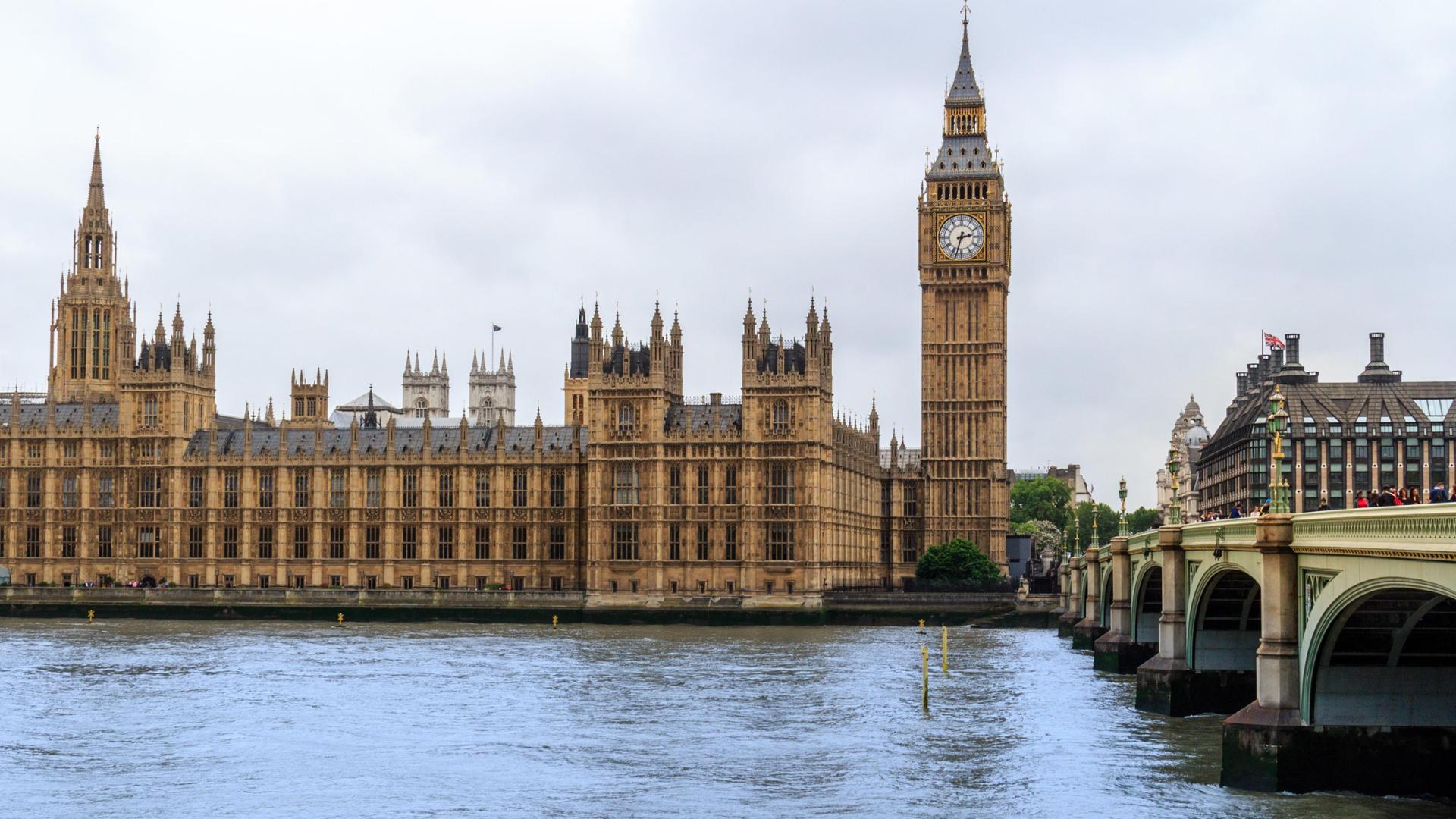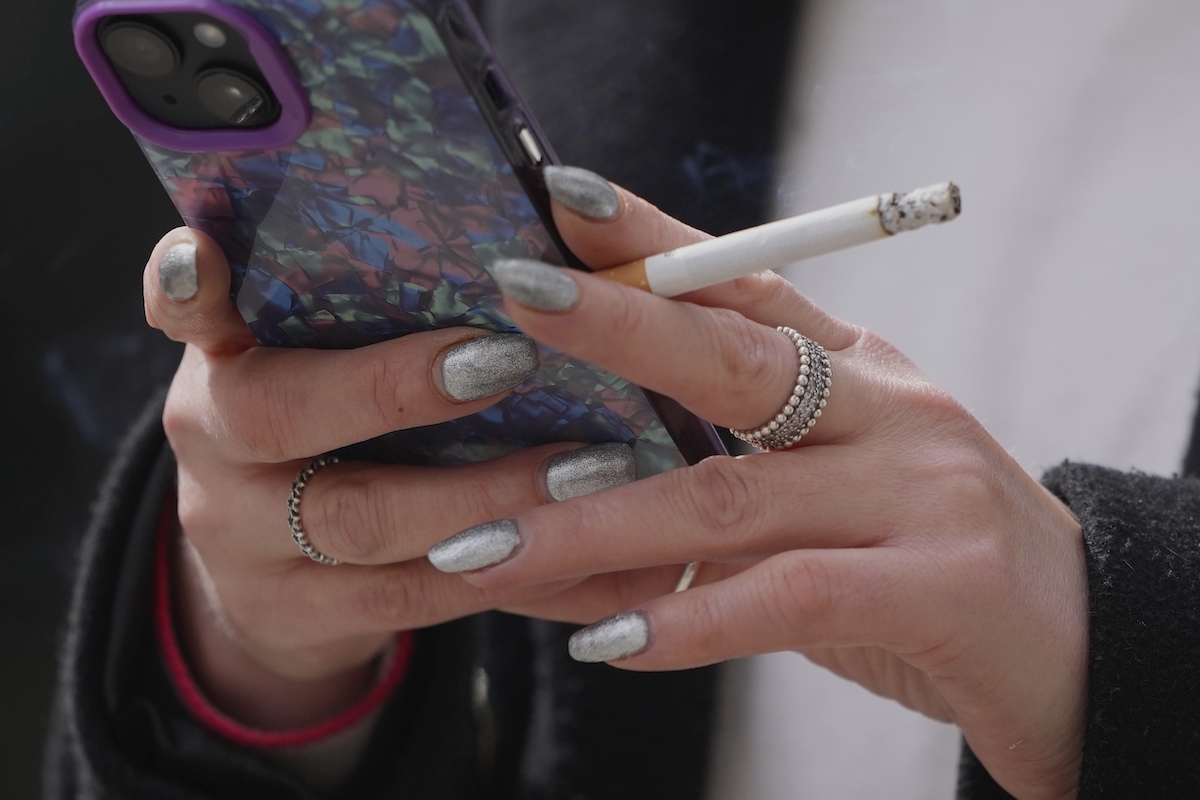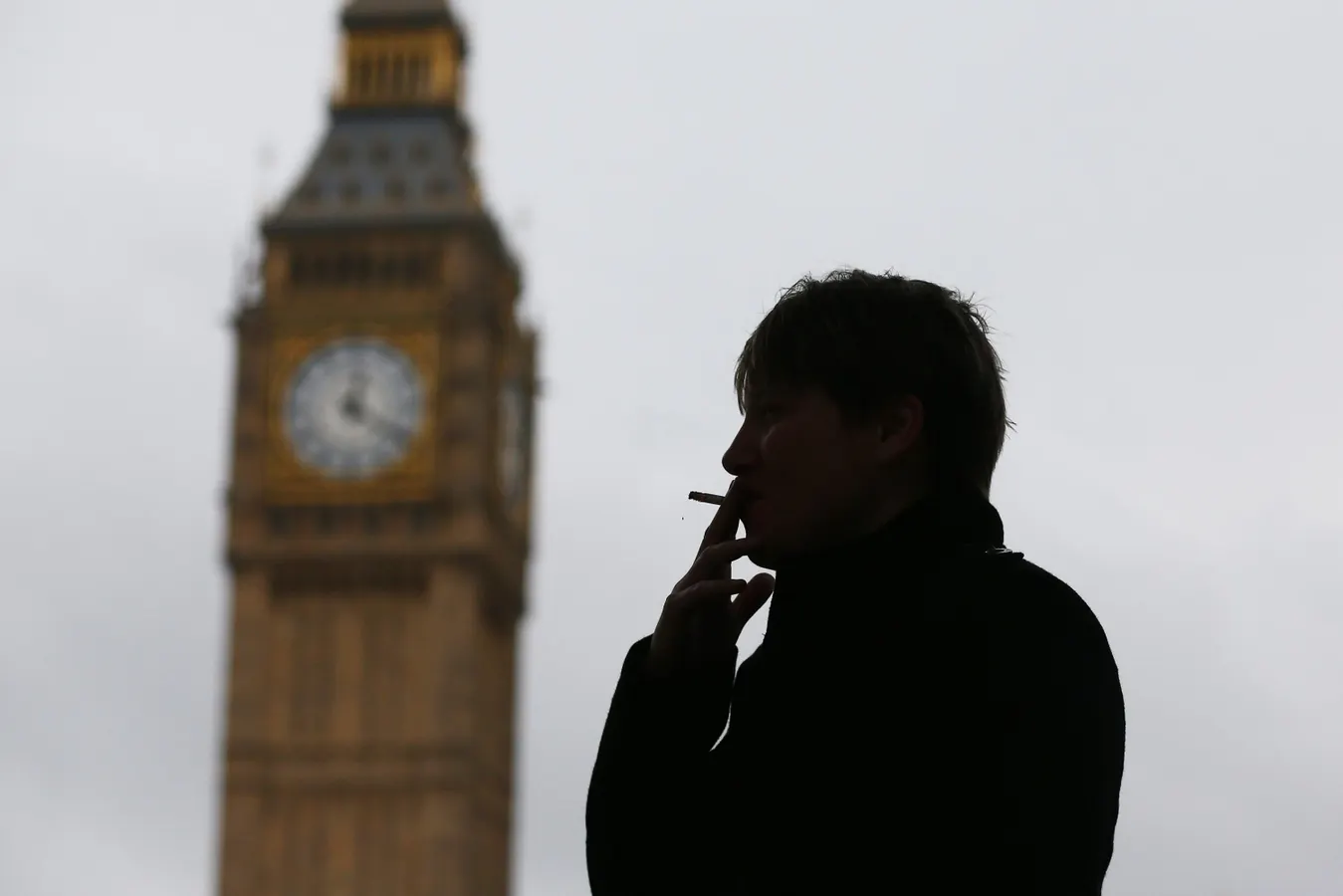
LONDON, ENGLAND - OCTOBER 15: A woman poses for a photograph as she smokes a cigarette on October 15, 2014, in Parliament Square in London, England. (Photo by Carl Court/Getty Images)Getty ImagesThe U.K. Parliament Tuesday passed the Tobacco and Vapes Bill, a landmark piece of legislation that will permanently ban the sale of tobacco products to anyone born on or after Jan. 1, 2009, ultimately phasing it out for the entire population. Health Secretary Wes Streeting called it a "historic moment for the nation’s health." The law takes effect Jan. 1, 2027.For Americans watching from across the pond, the question isn’t just whether this policy will work in Britain. It's whether anything like it could ever take root here in the United States.The short answer is no — not at the federal level. But the longer answer is maybe, and it's already unfolding in Massachusetts and other states.How the U.K.'s Smoking Ban WorksThe mechanics of the law are simple. The U.K.’s current legal smoking age is 18. Under the new law, it rises by one year annually. Those born after 2008 are permanently locked out of the legal tobacco market, regardless of their age at the time of purchase.For example, a 25-year-old born in 2009 won't be able to buy cigarettes in 2034. Same goes for a 50-year-old in 2059.The bill does not ban smoking itself, nor does it criminalize possession. Cigarettes won’t be confiscated from those who already smoke. The intervention is at the point of sale: retailers must verify birth dates. The bill also grants ministers new regulatory powers over vaping products including controls on flavors and packaging. These are popular among youth in both the U.K. and the U.S.The policy traces its lineage to New Zealand, which passed a similar Smokefree Environments amendment in 2022. But New Zealand’s incoming government controversially repealed it in 2023 before it was implemented. MORE FOR YOUWhy the U.K.'s Smoking Ban Is a Monumental Public Health WinSmoking is one of the U.K.’s leading causes of preventable death, disability and illness. Proponents argue correctly that nicotine addiction typically begins in the teen years. Few adults take it up later in life. By removing legal access for an entire generation, the policy bets that the social and commercial ecosystem around smoking will atrophy faster than the illegal market will fill the gap.Health organizations across the U.K., from Asthma + Lung UK to Cancer Research UK, lined up in support. Projections suggest the law will save hundreds of thousands of lives and relieve substantial pressure on the National Health Service. U.K. Health Minister Baroness Gillian Merron called it “the biggest public health intervention in a generation.”Yet critics have raised concerns. The most pressing is enforcement. As the years pass, legal and illegal cohorts of buyers will coexist in shops, pubs and tobacconists. This will create a complex verification burden for retailers and an incentive for illicit trade. There are also philosophical objections: the law creates a class of adults who, by birth date alone, hold fewer legal rights than their slightly older neighbors.The Current State of U.S. Tobacco PolicyThe United States has never enacted a nationwide federal smoking ban in workplaces or public places. Policies are set through state and local laws and ordinances. Thirteen states and Washington, D.C., have comprehensive smokefree workplace protections, while 12 have no general statewide smoking restrictions at all.At the federal level, the U.S. has been moving away restrictions on tobacco products. In January 2025, the FDA withdrew its proposed rules to ban menthol and flavored cigars. This effectively shelved what would have been one of the most consequential tobacco actions in American history. According to the American Lung Association’s State of Tobacco Control 2026 report, 2025 marked the 13th consecutive year in which no state passed a comprehensive smokefree law. Thirty-five states received F grades on tobacco tax policy.America Already Has Local Versions of the U.K. Smoking BanThe town of Brookline, Massachusetts, passed a 2020 bylaw prohibiting the sale of tobacco products to anyone born on or after Jan. 1, 2000. This was the first ordinance of its kind in the United States. The Massachusetts Supreme Court upheld it in 2024. By March 2026, 22 Massachusetts communities had adopted similar "Nicotine Free Generation" regulations, covering more than 632,000 residents, including Brookline, Newton, Somerville, Malden and Concord.This bottom-up public health strategy where communities act without waiting for state or federal movement offers a fragmented but real model of how such policies might spread in the U.S.Could the U.S. Pass Its Own Version of the UK Smoking Ban?No. Not at the federal level. A national generational tobacco ban is not in America’s near-term future. The structural barriers are enormous.Congress has shown no appetite for it. The Trump administration has moved to deregulate, not expand, federal health authorities. Tobacco industry lobbying is tremendously powerful and remains deeply embedded in Southern and rural state politics.There is also a cultural dimension. The U.K. has a single-payer health system with a direct institutional interest in reducing preventable illness costs. Every smoker who avoids lung cancer or heart disease is a fiscal win for the NHS. In the United States, health costs are diffused across insurers, employers, Medicaid and Medicare, complicating the politics of who wins financially from tobacco control.Then there is the “Make America Healthy Again” paradox. The movement, which is tightly linked to Health and Human Services Secretary Robert F. Kennedy Jr. and, in turn, to the current administration, has promoted aggressive positions on food dyes, ultra-processed foods and pharmaceutical regulation. But it’s has been largely silent on tobacco. Nicotine pouches have attracted some interest as a harm-reduction alternative, and even some MAHA influencers are even embracing nicotine as a health hack. Nevertheless, the political will to take on Big Tobacco is absent.Ultimately, the path toward generational smoking bans like the U.K.’s will be incremental and led by local communities and states. Massachusetts has long been the leader. California banned flavored tobacco products in 2022. Denver voters overwhelmingly upheld a flavored tobacco sales ban with nearly 70% support in a November 2025 referendum.Whether other communities and states will move on what could be the biggest public health win in a generation remains an open question. But for now, the answer to "Could America be next?" is this: Think Brookline. Not Washington.
The UK Passes A Lifetime Smoking Ban. Could America Be Next?
The U.K. just banned cigarette sales to anyone born after 2008. A doctor explains what the landmark Tobacco and Vapes Bill does — and whether the U.S. could follow suit.
1,047 words~5 min read