From mega hit Clair Obscur to the genius Blue Prince, the winners at this year’s event help me refocus on why games really matter
T
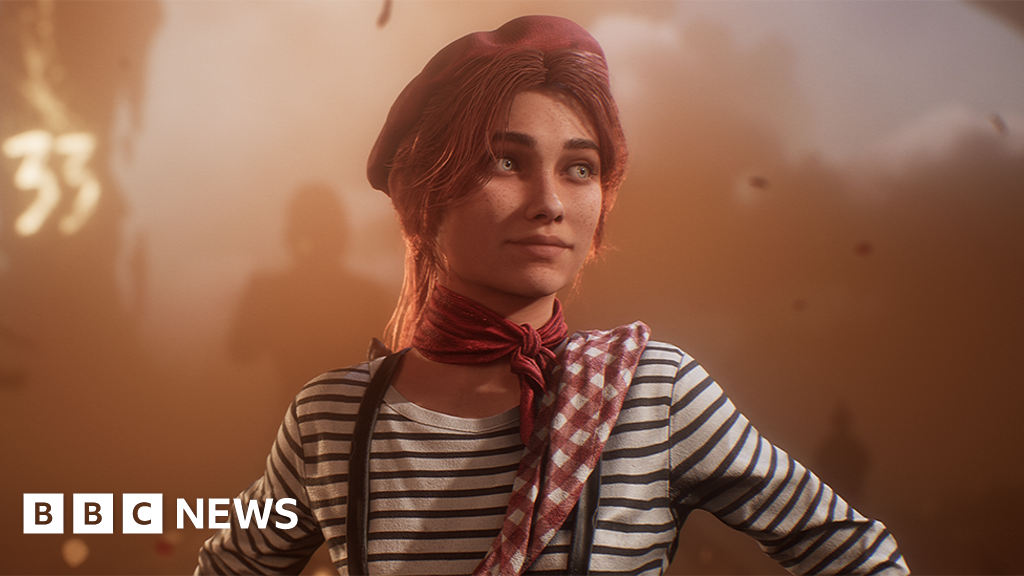
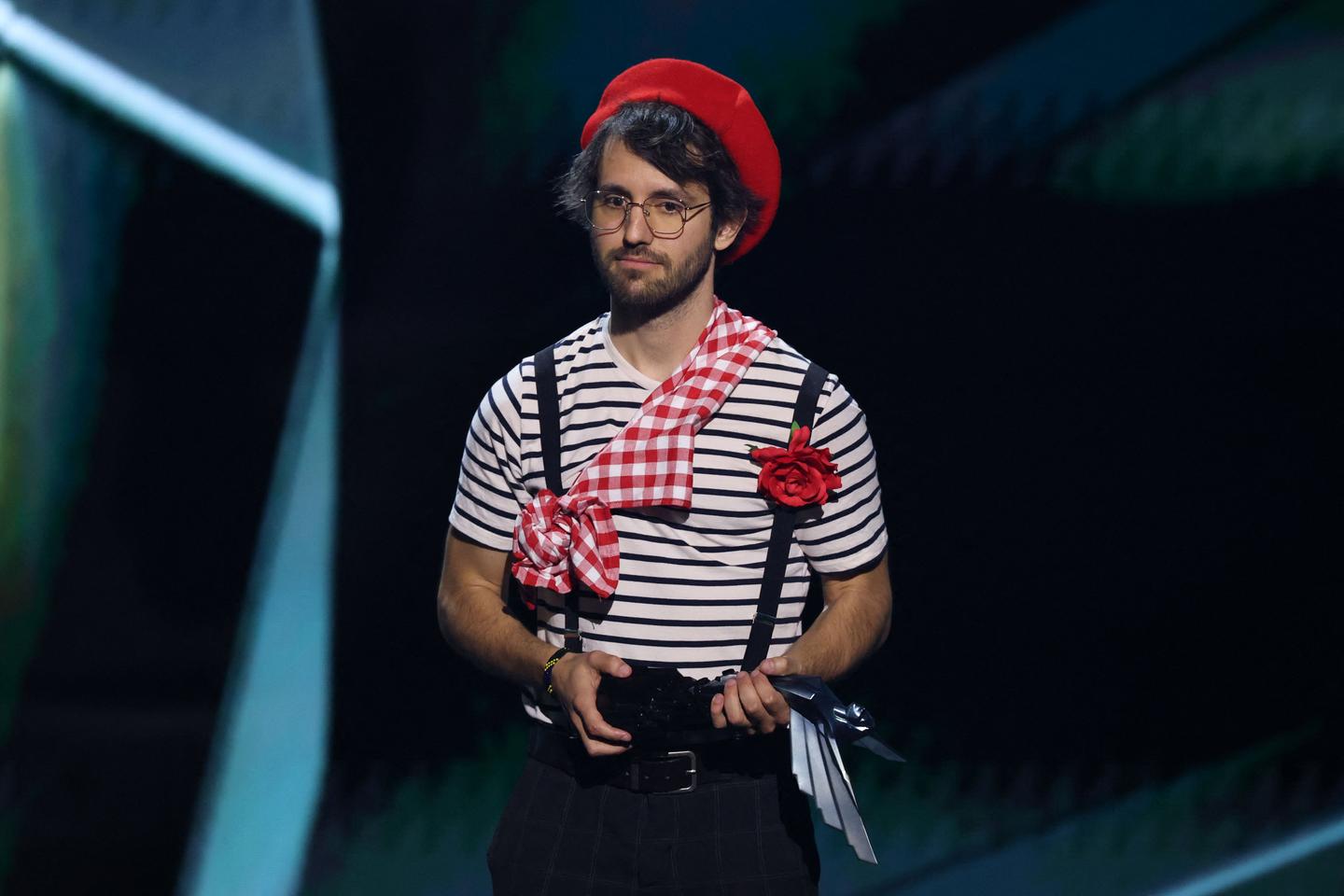
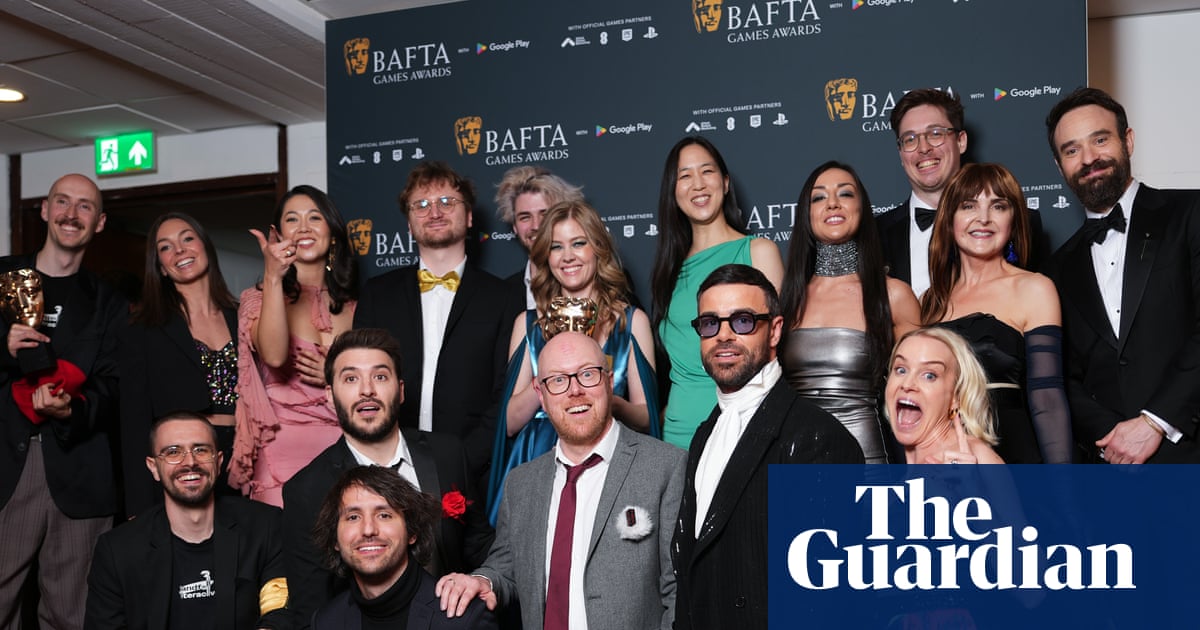
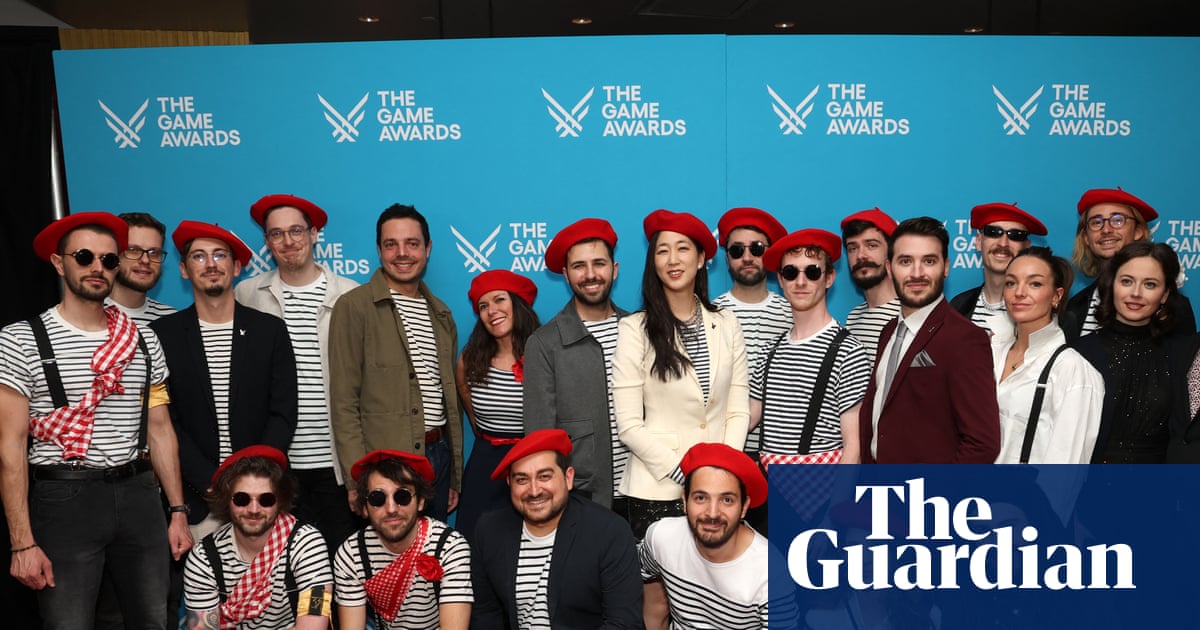
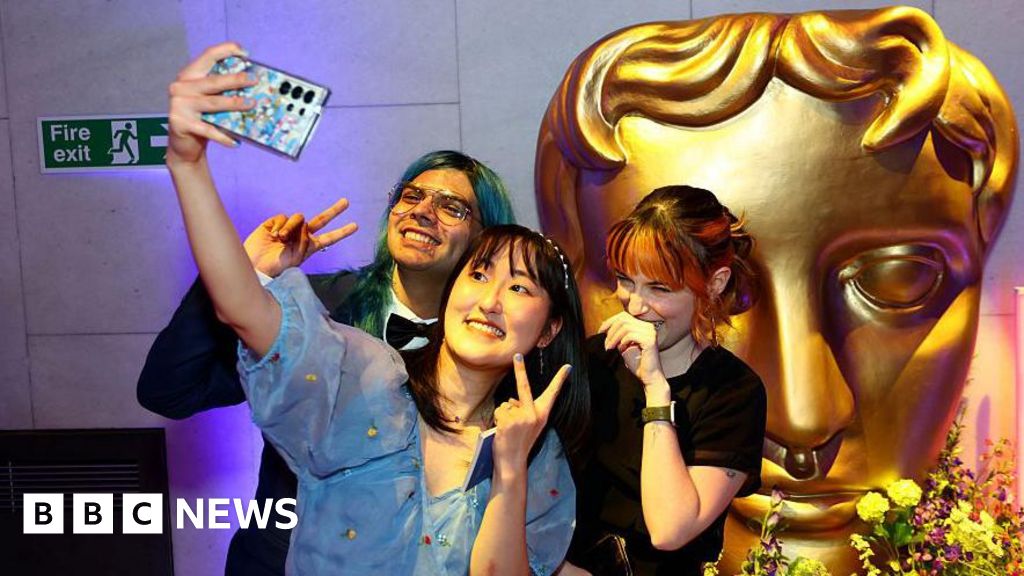
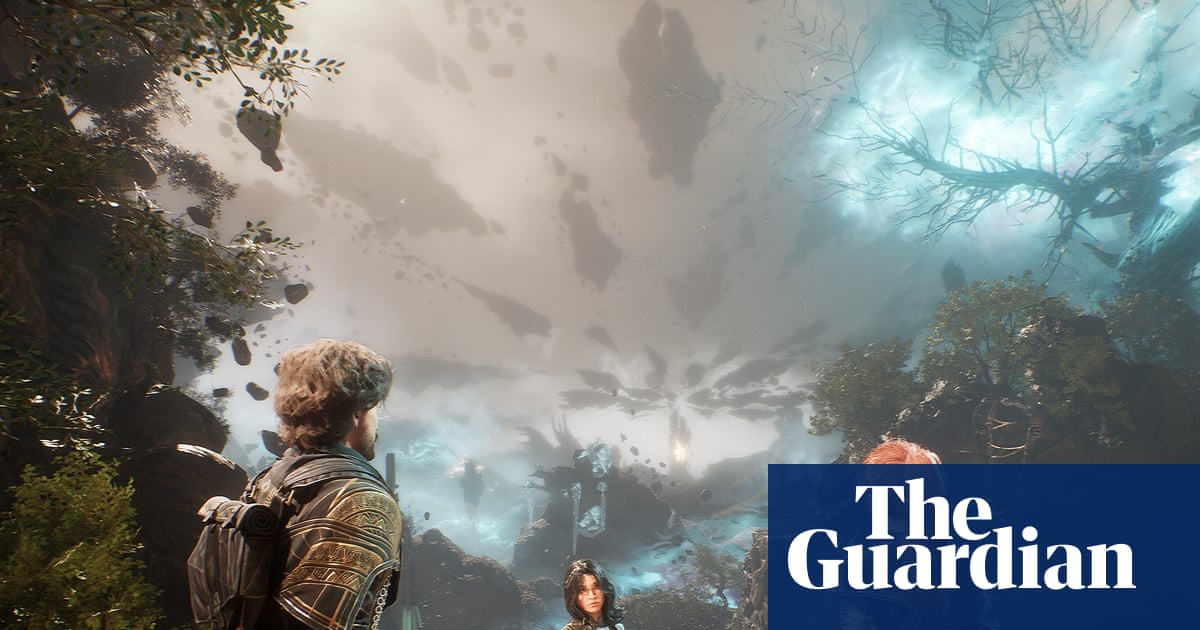
he 22nd Bafta game awards were on Friday, and Clair Obscur: Expedition 33 took the biggest game prize. This makes it only the second game ever (after Baldur’s Gate 3) to win top prize at all five of the main awards shows: the Dice awards in Vegas; the Game awards in LA; the public-voted Golden Joysticks in the UK; the Game Developers Choice awards in San Francisco; and now London’s Baftas, the final event to celebrate the gaming output of 2025.
I’ll be honest: I was hoping for a different winner. Blue Prince, an eight-year project by the visual artist and former film-maker Tonda Ros, is the most extraordinary thing I played last year. It’s the game where you inherit a sprawling mansion that changes shape every day, and you must navigate its ever-shifting blueprint to find its secret room. I went so deep on this game that I was still playing it and thinking about it weeks after solving its initial mystery, piecing together bits of opaque lore from Reddit threads. I think it deserved at least one best game award (apart from ours).
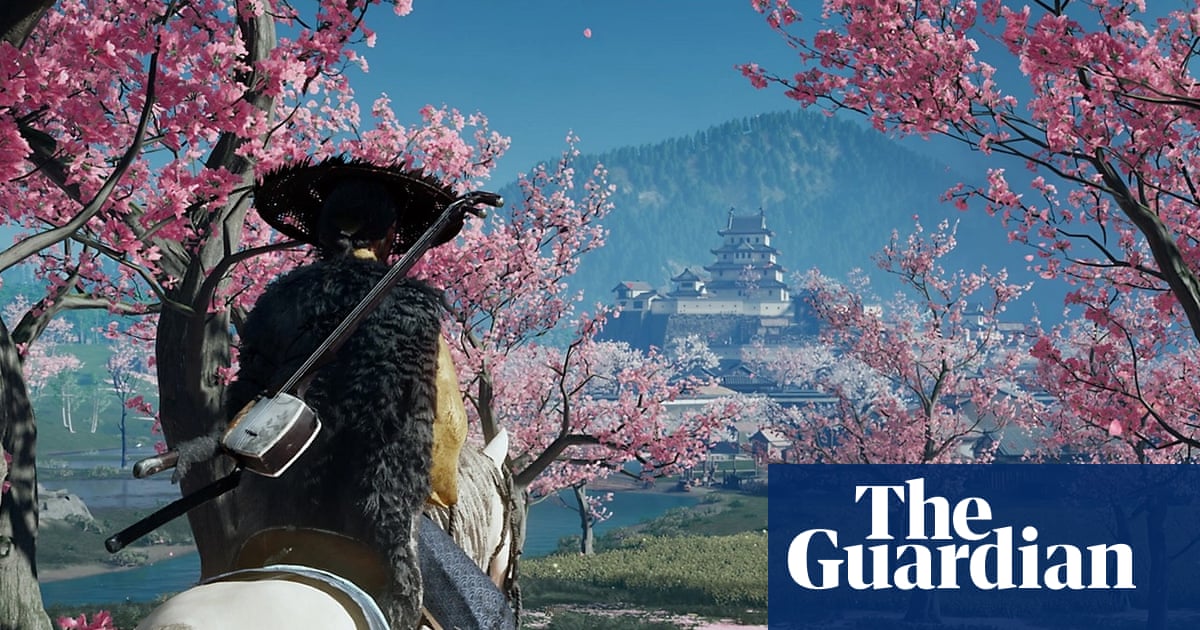
At least it won the game design award, and seeing Ros pick up his trophy was rather moving. A late convert to video games, in his acceptance speech he thanked everyone else in the room for making things that showed him how interesting games could be. Indeed, as is the case most years, due to its unique shortlisting process, the Baftas showcased the widest range of games of all the year’s awards shows. I always enjoy seeing less celebrated fare such as And Roger (an extremely sad game about navigating dementia) and Despelote (winner of the Game Beyond Entertainment award) on the same nominations lists as Indiana Jones and the Great Circle, and Ghost of Yōtei.