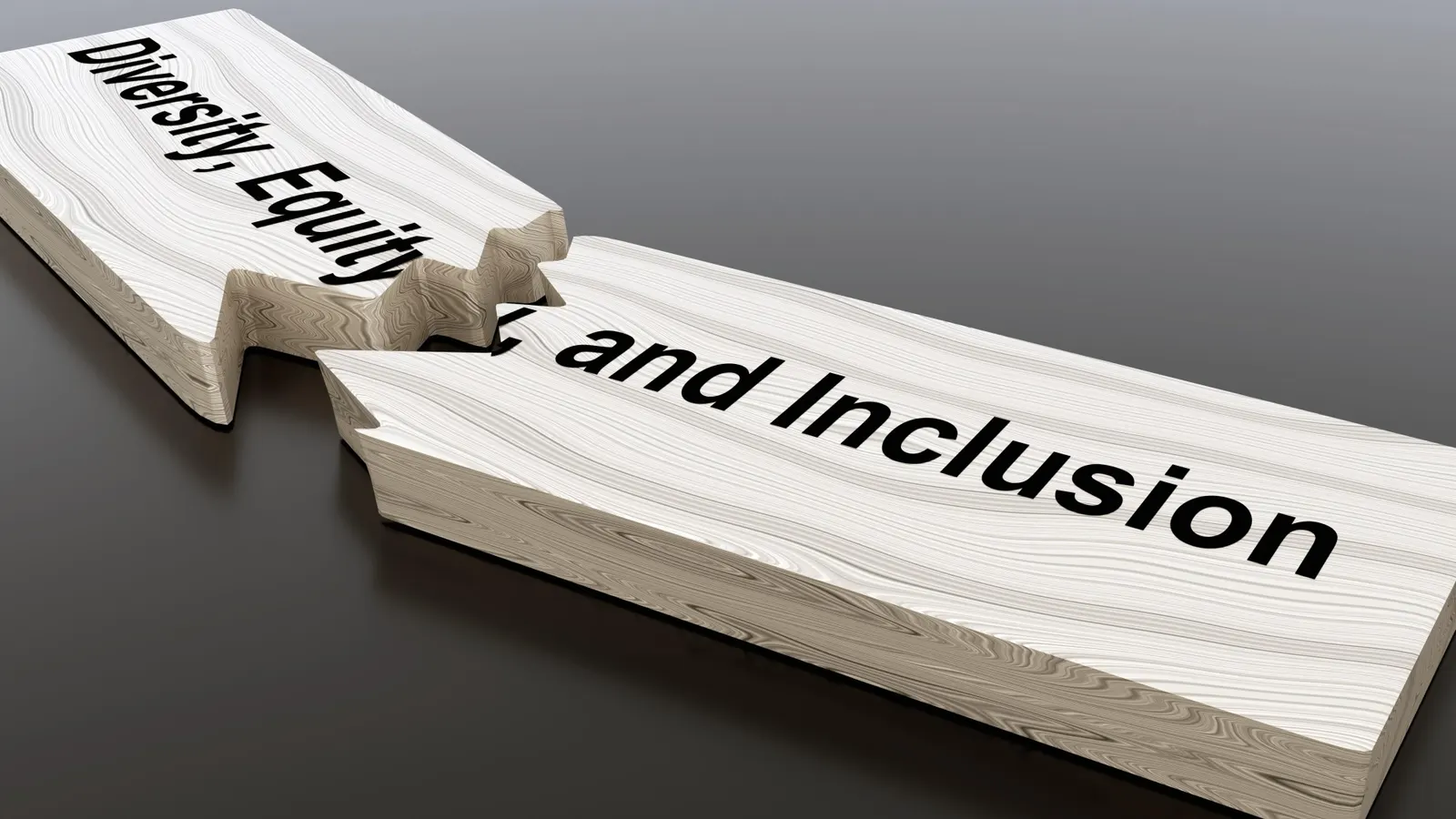
Three higher education groups are among the plaintiffs filing a federal lawsuit against President Trump's latest anti-DEI executive order.gettySeveral higher education groups are among the plaintiffs that filed a federal lawsuit this week challenging a March executive order from President Donald Trump that requires federal contractors to agree that they will “not engage in any racially discriminatory DEI activities” or face the risk of losing their eligibility for federal contracts are well as facing possible civil or criminal prosecution. The plaintiffs include the National Association of Diversity Officers in Higher Education, the American Association of University Professors, and United Academics of Maryland-University of Maryland, College Park. The lawsuit was filed in the Federal District Court of Maryland.In their brief, the plaintiffs contend that Trump’s recent executive order “equates most mentions of ‘race or ethnicity’ to ‘racially discriminatory DEI activities.’” As a result, the order represents “an unlawful attempt by the Administration to erase the realities of race, ethnicity, and a history of discrimination in this country, and to dismantle the architecture of equality.”“The Administration views discussion of race and ethnicity as unlawful, and the very concepts of diversity, equity, and inclusion as discriminatory. But that is flat wrong,” claims plaintiff’s brief. “The Contractors Order sanctions legal, and laudable, expression on race or ethnicity, and in doing so, violates the free speech, free association, and due process rights of Plaintiffs and their members.”By equating expressions concerning race and ethnicity with DEI, Trump’s order “reaches a substantial amount of protected expression, including lawful remedial efforts, that touches on race without excluding or classifying individuals based on race,” plaintiffs argue. They add that “neither the Supreme Court nor the Fourth Circuit have held that activities promoting inclusion or studying race are improper, or that those receiving federal funds are prohibited from discussing or expressing themselves on topics related to race (or ethnicity)." MORE FOR YOUAnd plaintiffs further contend that “even activities that do classify individuals by race are nevertheless lawful so long as they seek to remedy discrimination and are narrowly tailored to that interest.” According to the lawsuit, the order’s definition of racially discriminatory DEI activities is both “overbroad and imprecise” because it includes “practices that may routinely, necessarily, and legally recognize and vary based on race, such as recruitment designed to expand access to opportunities open to all, training or programming that raise awareness about or take steps to avoid racial or ethnic discrimination, spending on programs aimed at certain communities, or discussion forums open to the public but focused on particular groups.”Plaintiffs argue that the order would appear to forbid “voluntary associations or non-exclusive gatherings of employees if they are connected to race or ethnicity, even if such groups are open to all…contractors or subcontractors hosting a speaker who discusses challenges they faced navigating their industry because of their race or ethnicity; targeted recruitment and advertising designed to expand access to non-exclusionary opportunities; or any resource allocation that highlights a particular race or ethnicity, even where the legality of such activities is well established.”“This executive order is a direct attack on academic freedom and the First Amendment—an attempt to coerce silence by threatening faculty, students, and federal partners who confront the realities of race and discrimination. In a democracy, higher education must be free to pursue truth, foster debate, and expand opportunity for all. Instead, this administration is using the power of federal contracts to impose ideological conformity. The AAUP has defeated these attacks before, and we are proud to stand with this coalition to do so again,” said Todd Wolfson, President of the American Association of University Professors, in a statement. The White House defended the legality of the executive order. "President Trump promised the American people to eliminate the scourge of DEI from American society and he is delivering on that promise every single day by ensuring that every American, regardless of race, is treated equally,” said Abigail Jackson, a White House spokesperson, in a comment to HR Dive. One of the plaintiffs in the new lawsuit — the National Association of Diversity Officers in Higher Education — had previously challenged another of Trump’s anti-DEI executive orders in 2025. The Maryland district court ordered a preliminary injunction against that order, but the 4th U.S. Circuit Court of Appeals later vacated that injunction, finding that the plaintiffs were not likely to succeed with their claims.
Higher Ed Joins Coalition Filing Suit Against Trump’s Latest Anti-DEI Order
Several higher education groups are among the plaintiffs that filed a lawsuit this week challenging the latest anti-DEI executive order from Donald Trump.
726 words~3 min read