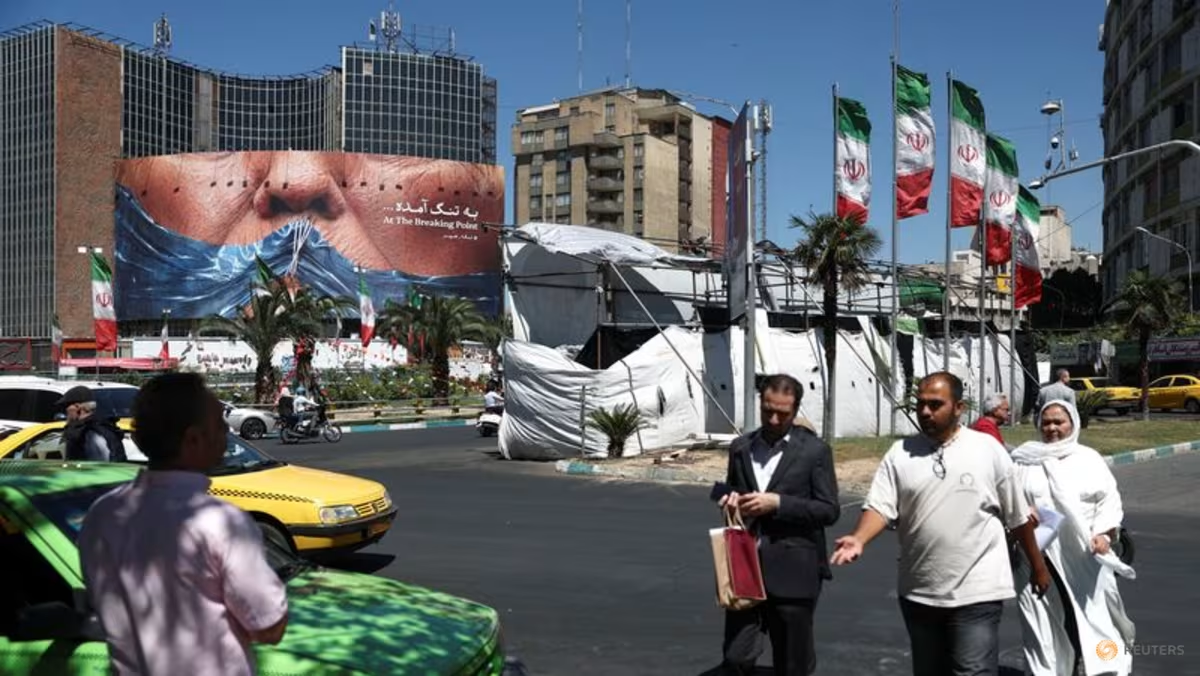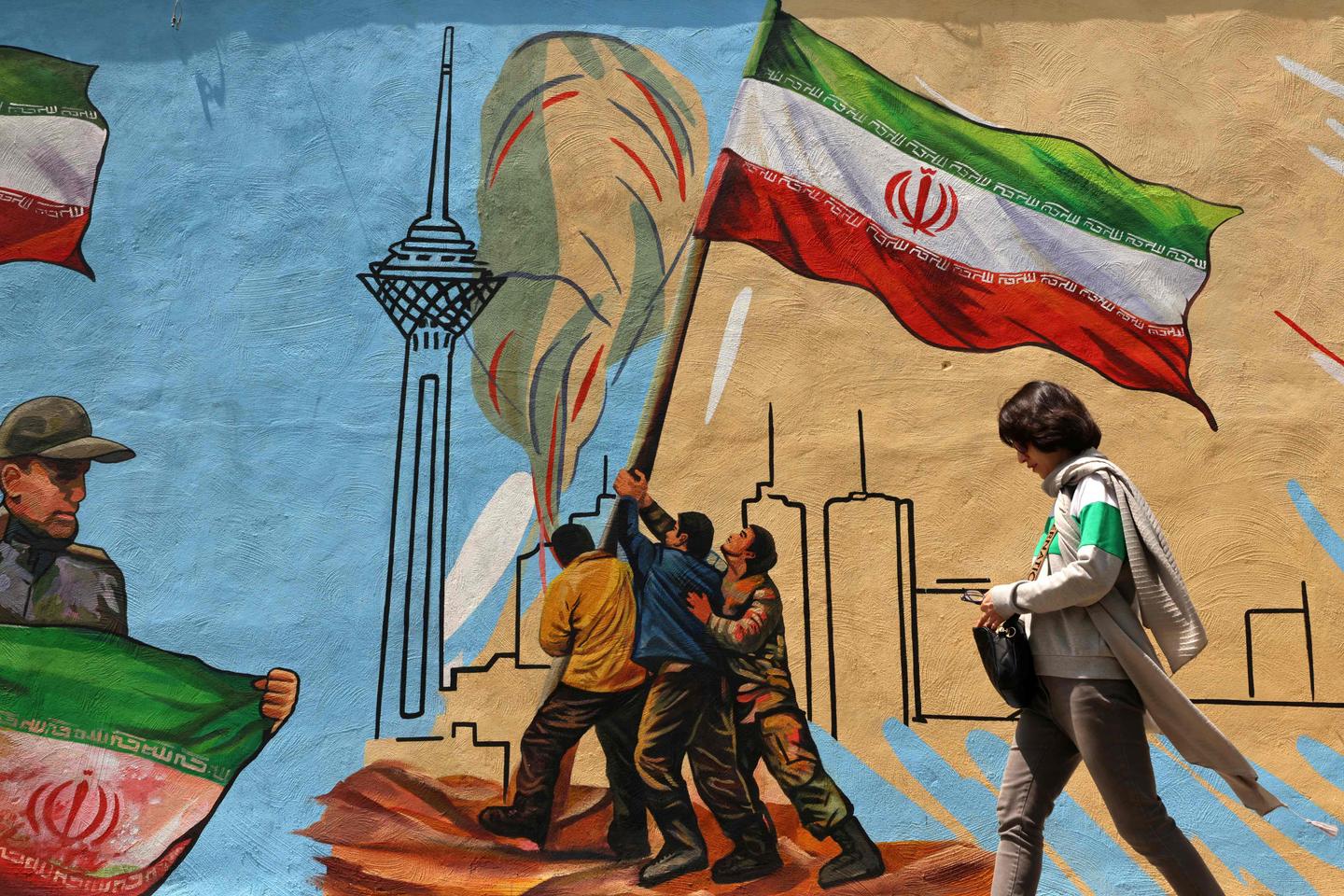
An Iranian woman walks past an anti-American and anti-Israeli mural in Tehran during the ceasefire on April 21, 2026. ATTA KENARE/AFP
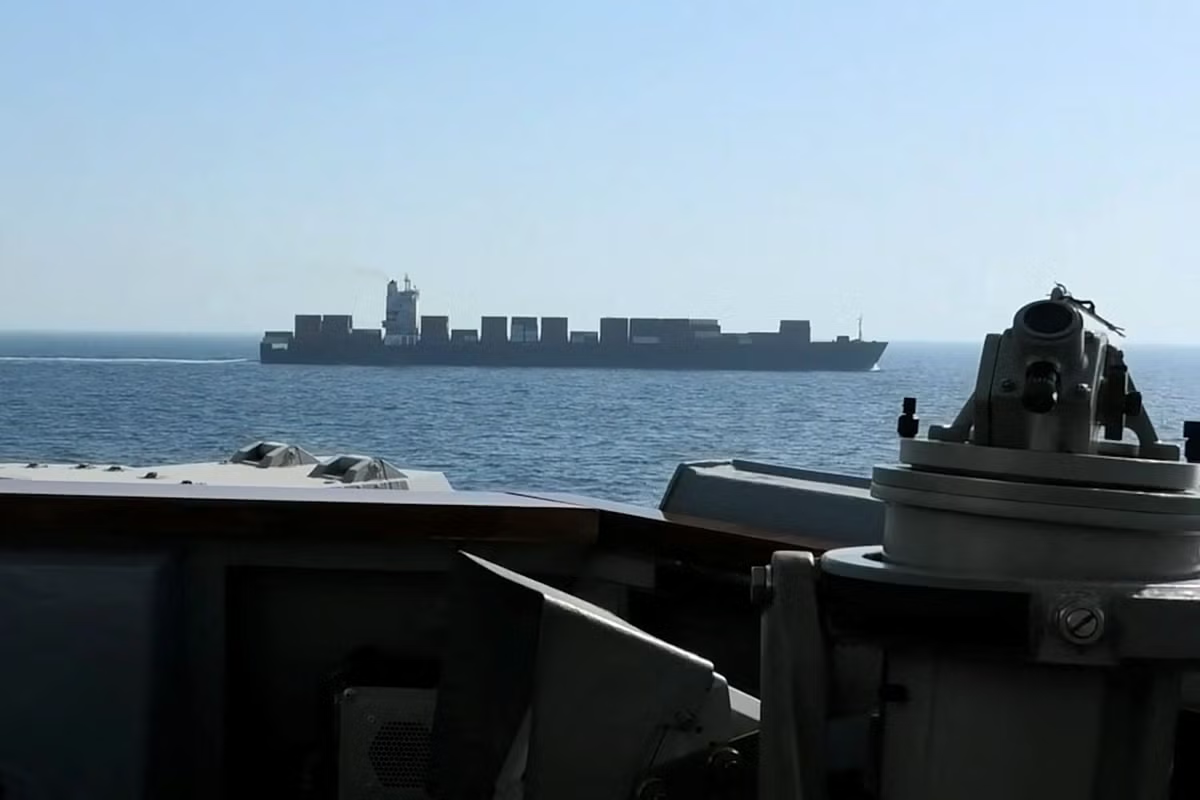
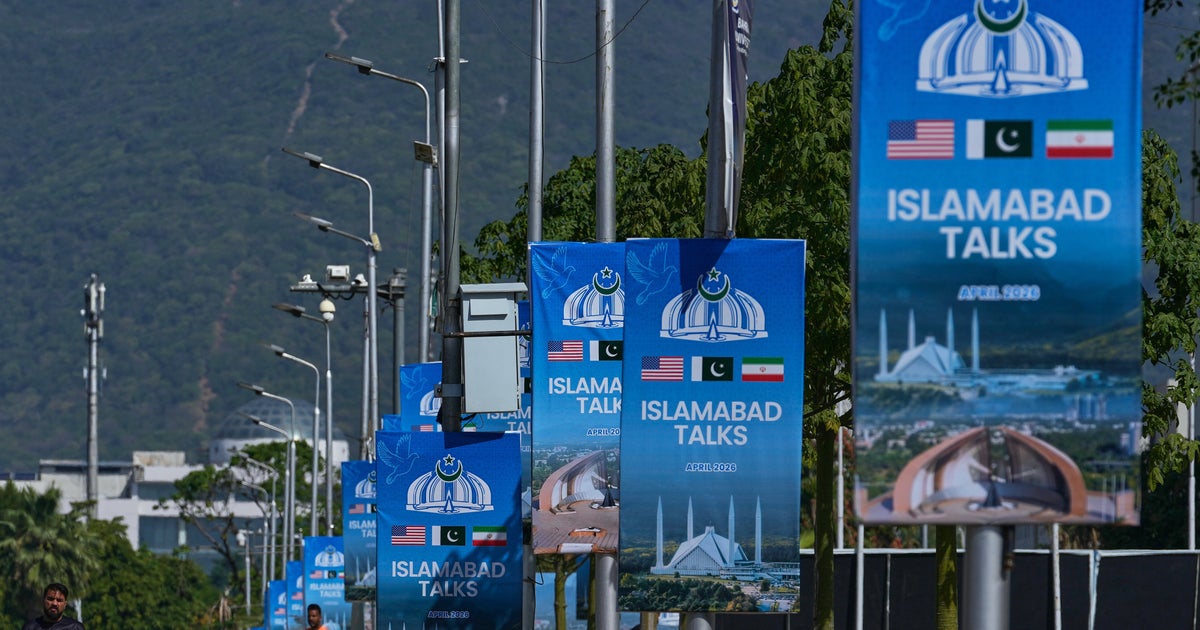
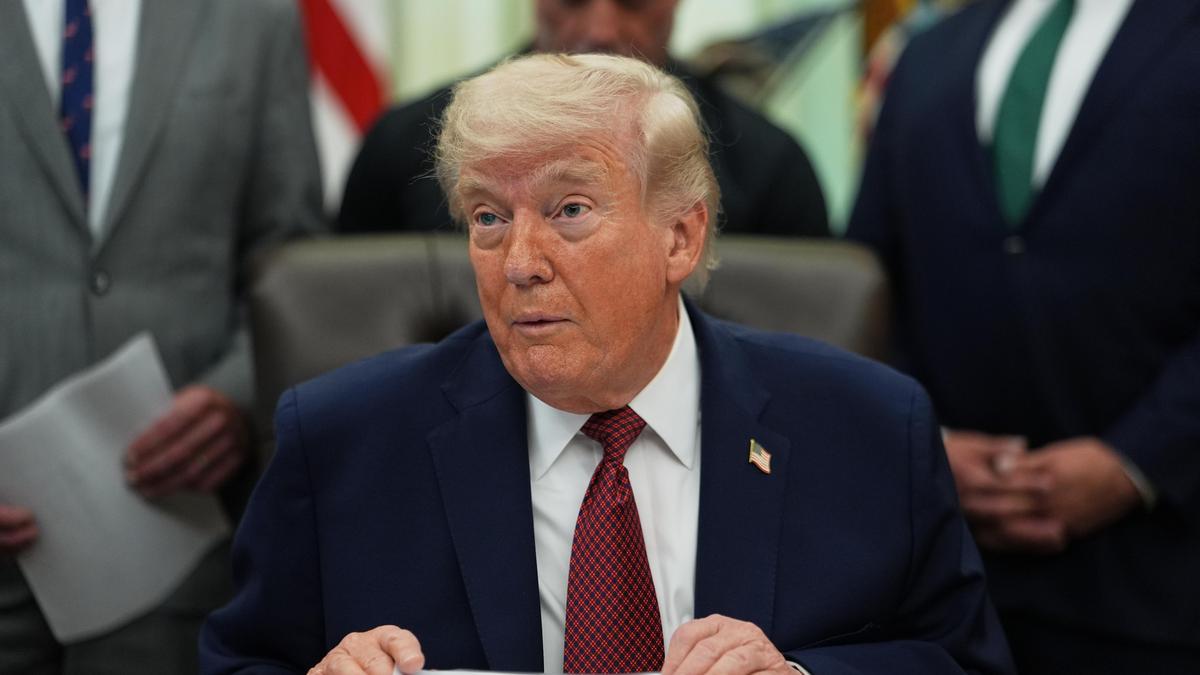
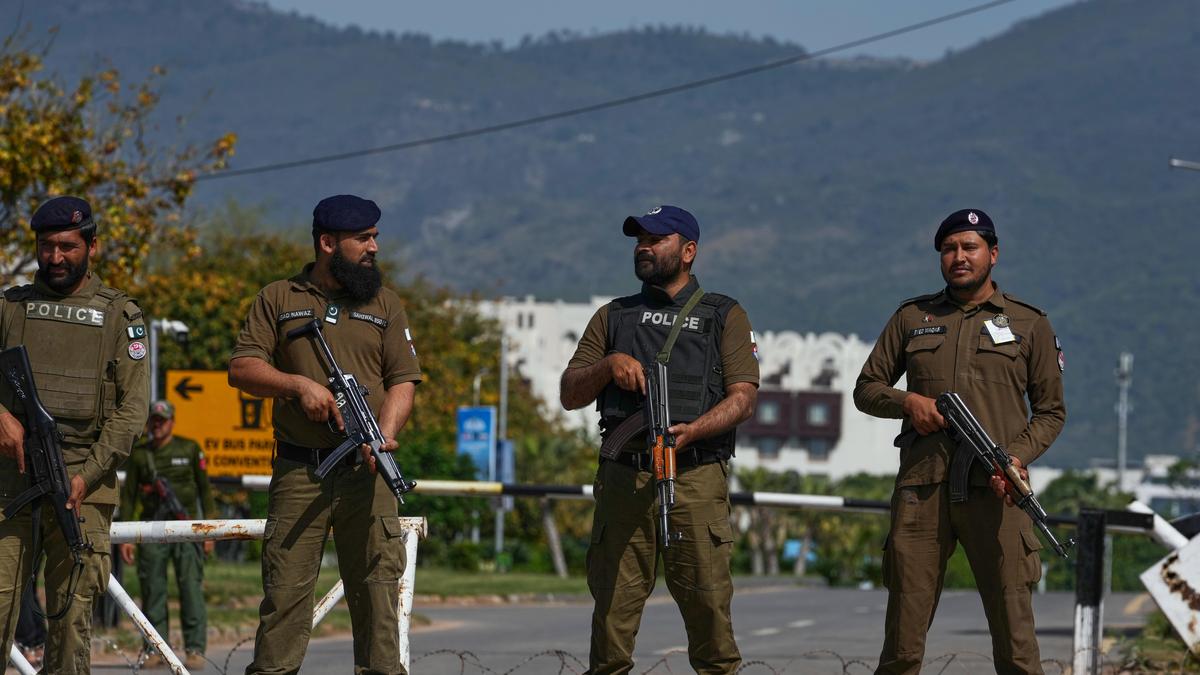
Just hours before the ceasefire between Iran and the United States was set to expire on the night of Tuesday, April 21, to Wednesday, April 22 (Tehran time) – later extended by US President Donald Trump to allow more time for talks –, the Iranian delegation had still not confirmed its attendance in Islamabad for a new round of negotiations between Washington and Tehran. Iranian authorities stalled and made their participation conditional on a concrete gesture from the US, particularly the lifting of the maritime blockade in the Strait of Hormuz.
"By imposing a blockade and violating the ceasefire, Trump is trying to turn the negotiating table into a table of surrender or to justify a resumption of hostilities," wrote Mohammad Bagher Qalibaf, president of the Iranian Parliament and head of delegation during the first round of talks on April 11 and 12 in Islamabad, Monday on X. "We do not accept negotiations under threat and, over the past two weeks, we have prepared to unveil new cards on the battlefield."
The message was clear, and it is indeed Qalibaf who conveyed it: a refusal to negotiate under pressure and a demand for prior guarantees. Contrary to some speculation, the Iranian establishment did not show major divisions over the stance to take toward the US.