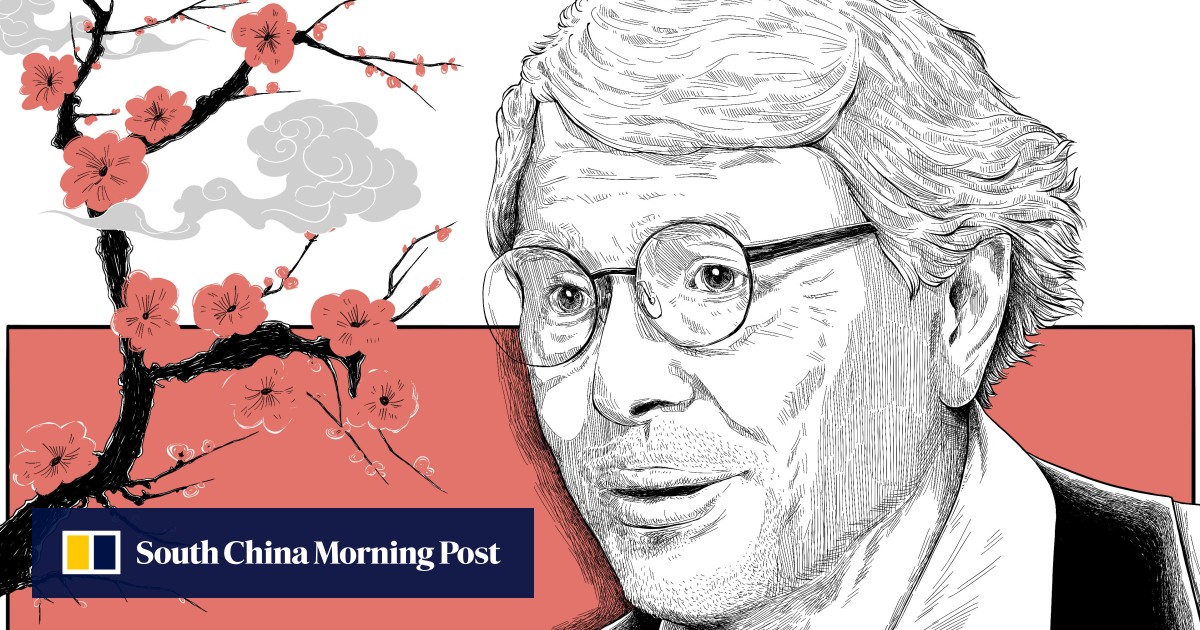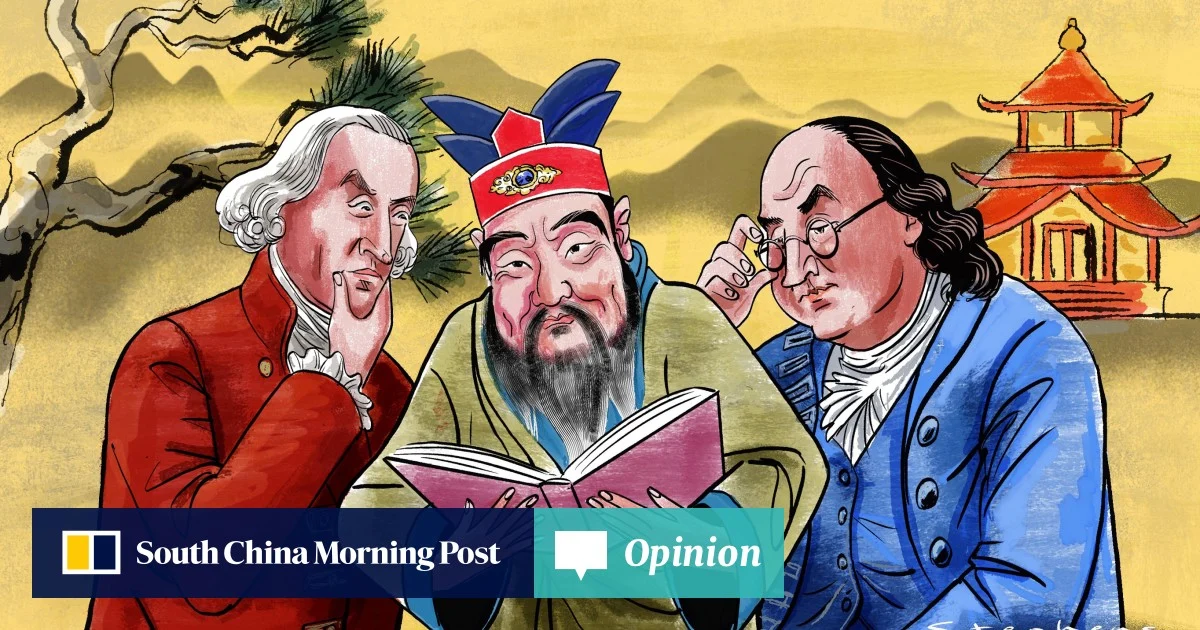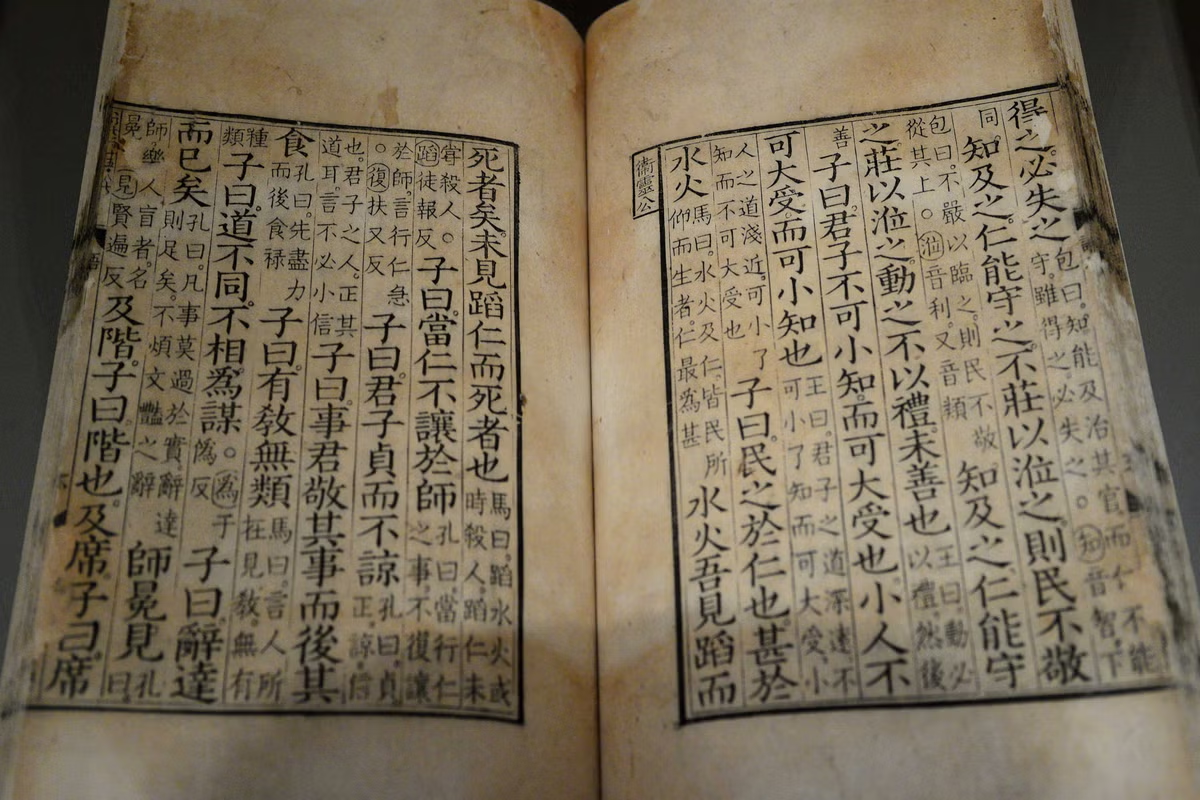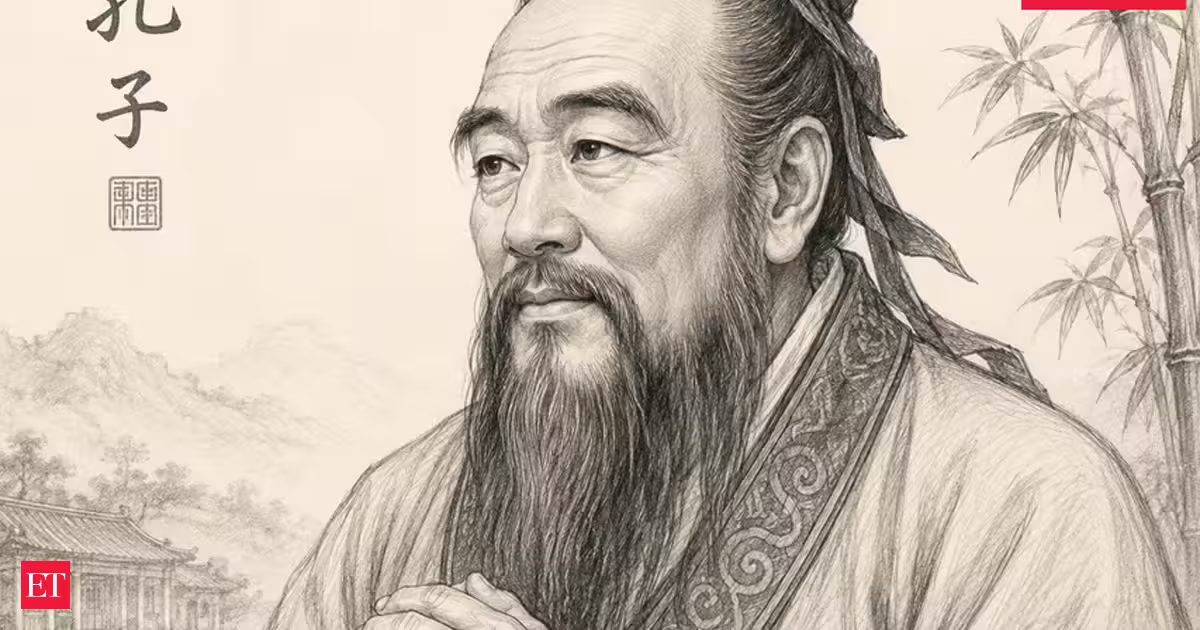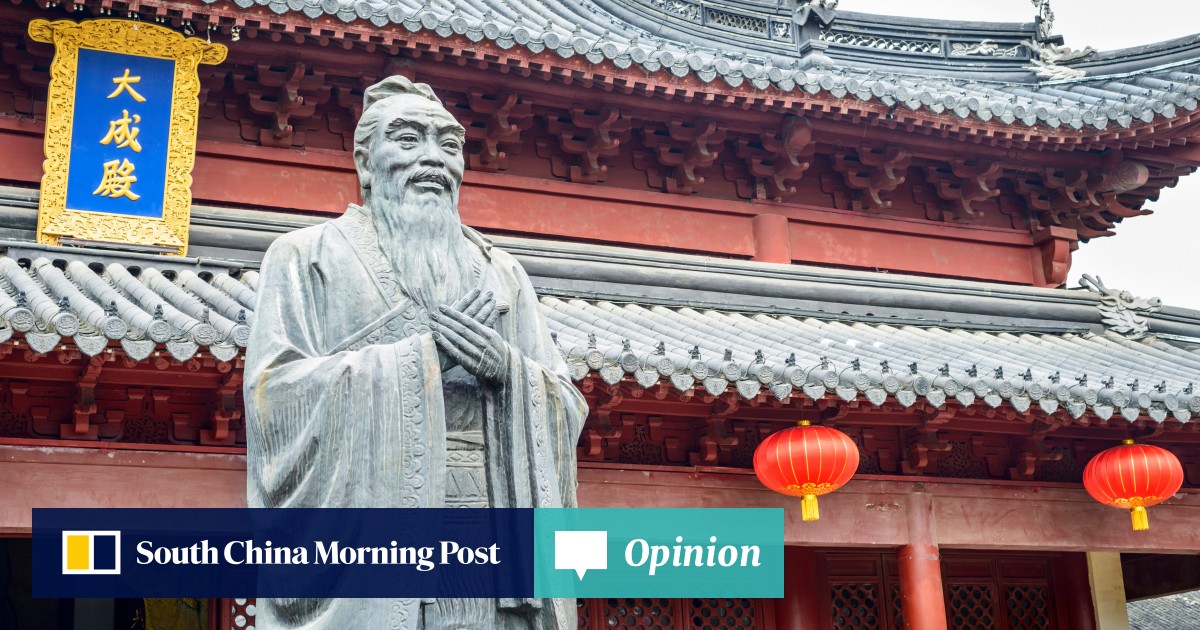
Few contemporary academics have played a more important role than Daniel Bell in explaining the philosophical and cultural roots of modern Chinese rule to a foreign audience. It’s not for nothing that he was once named a “cultural leader” by the World Economic Forum. Our city is privileged that he joined the University of Hong Kong’s law faculty as the chair professor of political theory not too long ago.Equally important is his post as the founding editor of the China book series with the Princeton University Press that translates and publishes original and influential works from China. His latest book, Why Ancient Chinese Political Thought Matters: Four Dialogues on China’s Past, Present and Future, has been published under its auspices.I was originally excited, thinking it could be a summational work after a distinguished career interpreting classical Chinese thought. As it is, the book is an introduction to the subject and has the general reader in mind. It has the virtue of being entertaining, even funny, in some places.I especially love how two contemporary representatives of Confucius and Zhuangzi debate the meanings of harmony and freedom while drinking fiery rice wine at a bar on an outlying island of Hong Kong. My own experience in such settings is that it usually ends in incoherence and unconsciousness, so it’s a wonder that the participants in the debate managed not only to articulate their positions perfectly but even reached some definitive conclusions.Alcohol figures in three of the four debates in the book, bringing to mind that some of China’s most famous philosophers and poets were really falling drunks. The philosophers usually claimed they could hold their liquor; they would say that, of course.10:54Confucius makes comeback under communismFor example, in the debate between figures representing the Legalist Han Feizi and the Confucian Xunzi, rituals are defended by the latter as the glue that brings a community together, especially when an abundance of alcohol is made available. That seems to be a far cry from the kind of rituals usually associated with the Confucian school where people just fall asleep from the tedium.
As I see it | How ancient Chinese philosophers make sense of modern headaches
Scholar Daniel A. Bell has written an entertaining new book, exposing a new generation to ancient Chinese wisdom on the issues of our day.
348 words~2 min read