To survive, the house of Windsor must maintain with a straight face the elaborate illusions it once sustained. That is clearly no longer possible
T
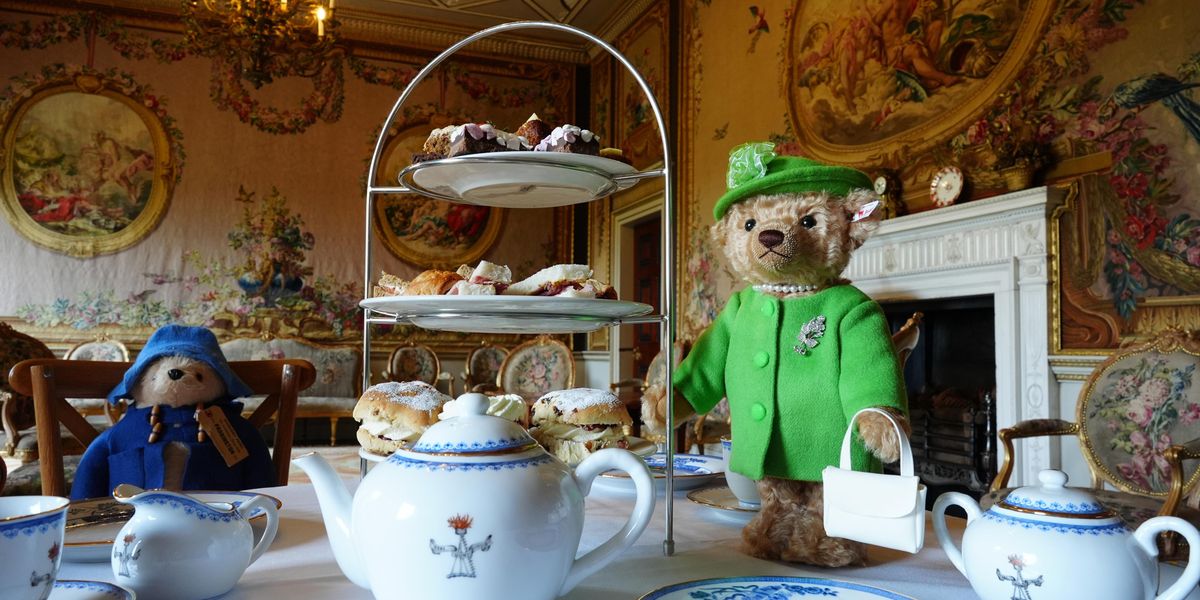
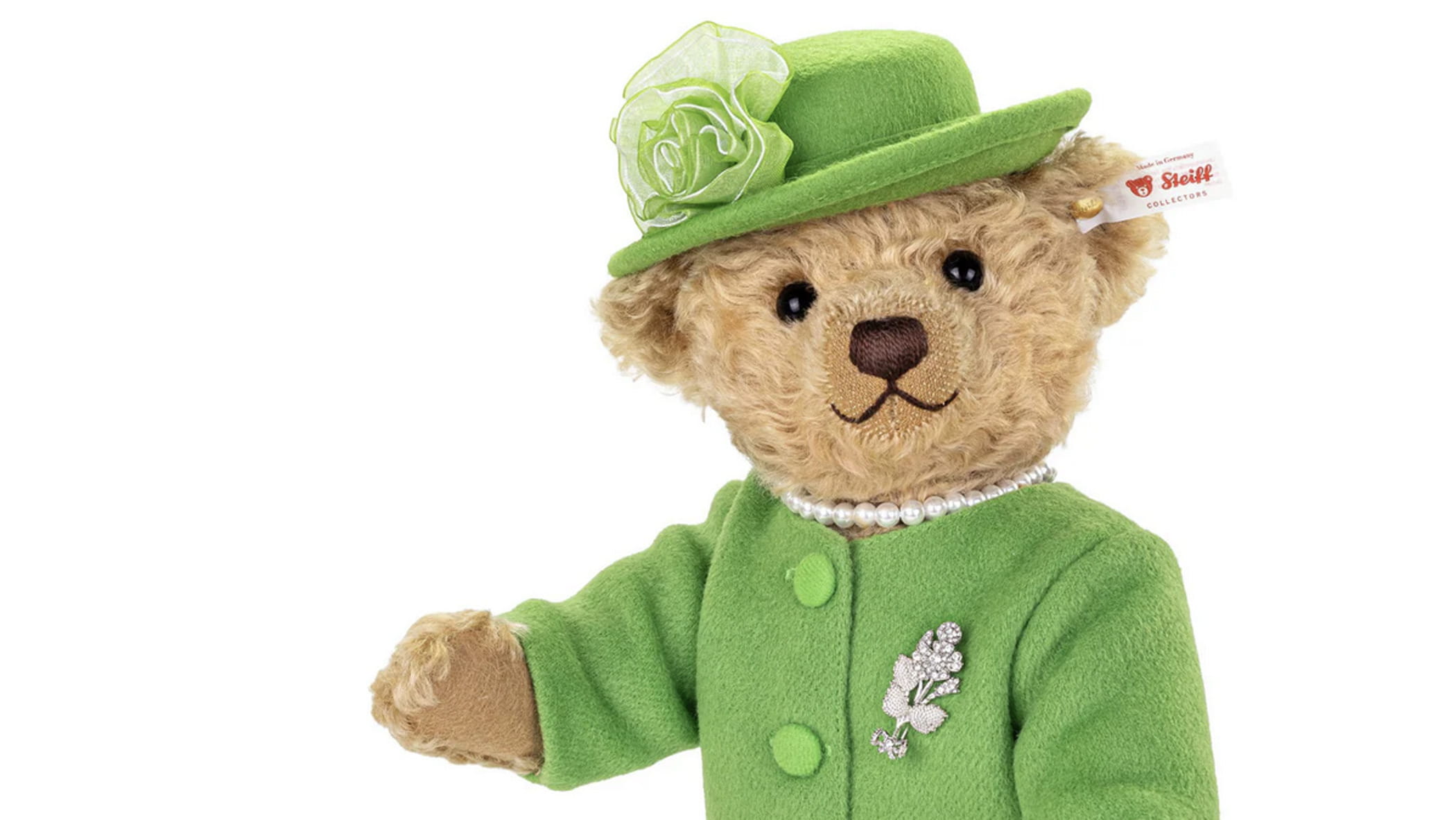
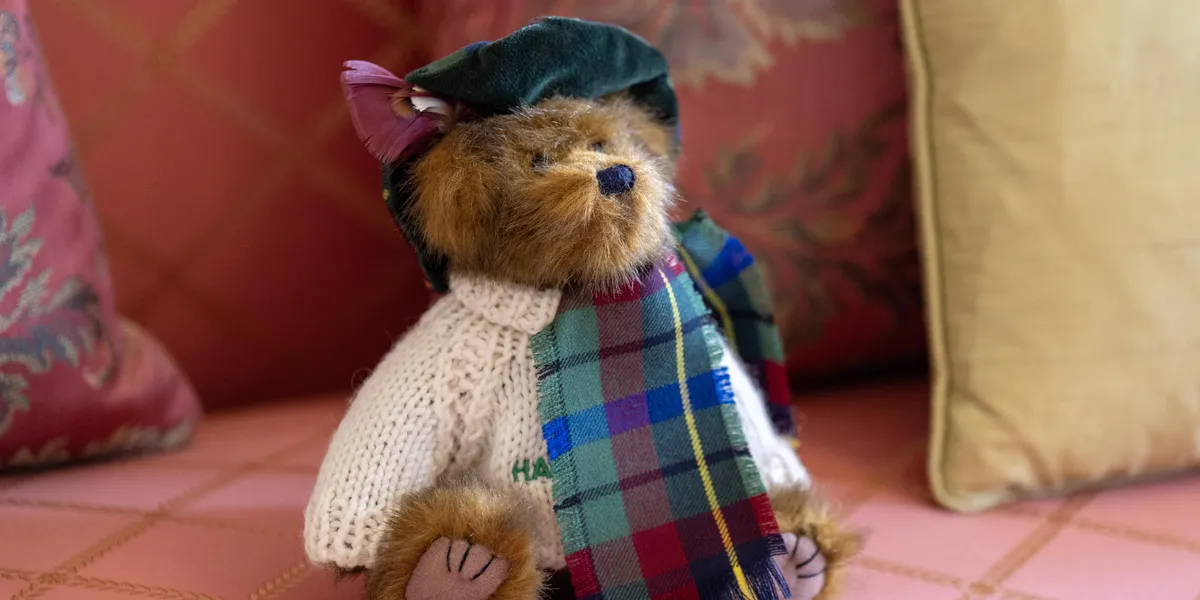
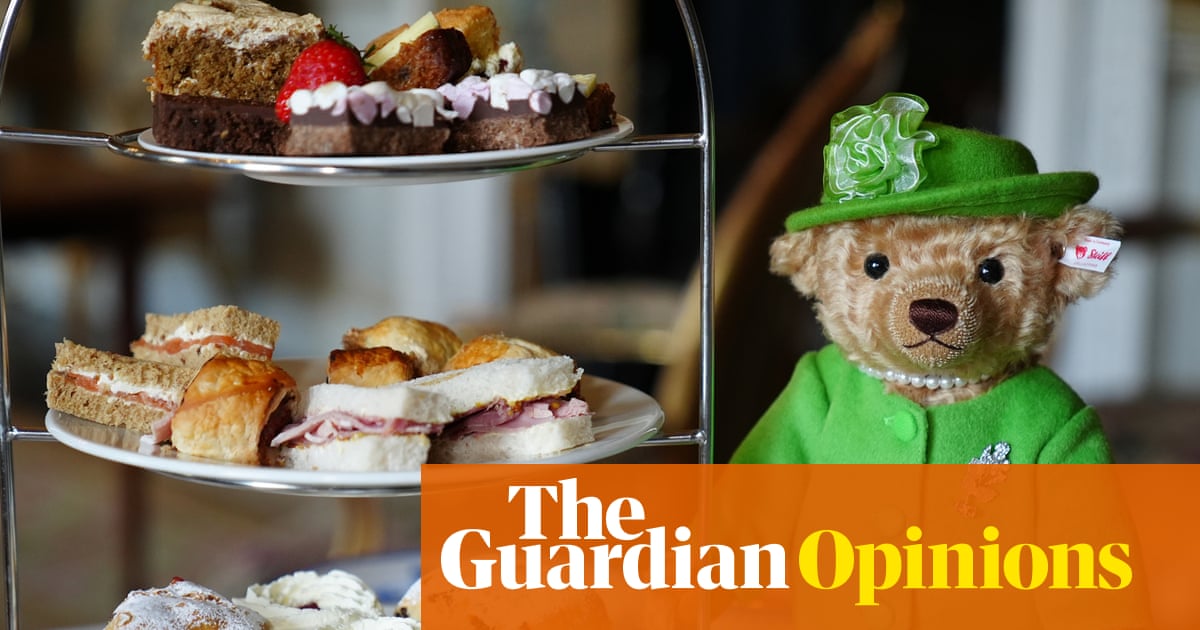
he commemorative Queen Elizabeth II centenary teddy bear stands 30cm tall, is made from finest mohair and retails for £289, payable in three interest-free instalments. It comes dressed in the queen’s classic lime-green ensemble with a white handbag draped over its left paw, which, according to Nicolas Metz, the managing director at the collectibles retailer Galerista, “is how we all remember her”.
And once you get over the basic category absurdity of seeing a toy bear dressed up to look like a nonagenarian constitutional monarch, you realise he’s right. What better way to commemorate our late queen than with a piece of premium souvenir anthropomorphism: cuddly, relatable and yet entirely inanimate, a vessel for our unthinking veneration and overactive imagination?
At the very least, we still underestimate the extent to which – for the millions of humble subjects who neither knew nor met her – the queen was an effortless source of content, a blank canvas upon which to project our rolling national psychodrama. In a sense, she was our original parasocial relationship, a relationship that expressed itself in death as richly as it did in life.