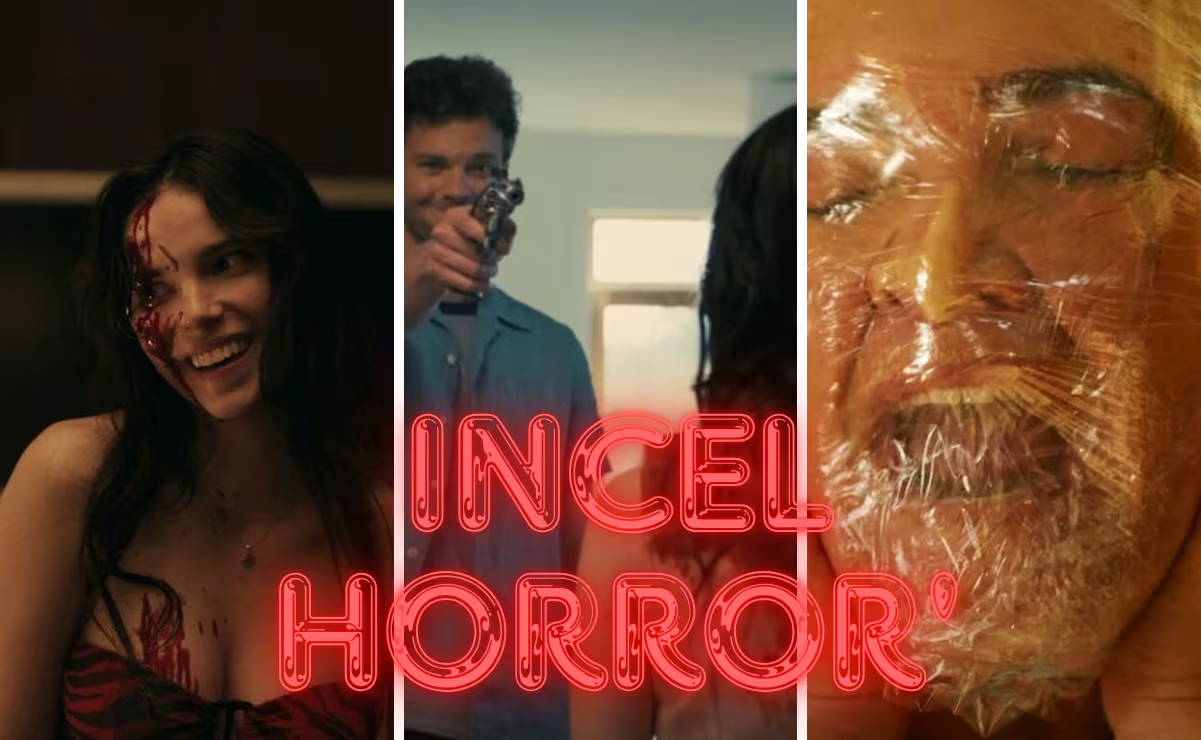
Male incels have been plentifully depicted on screen, while few film-makers have explored the varied controversies of toxic female radicalisation and the ‘womanosphere’. But a handful of movies have been treading a brave path
M
ost people would agree that mainstream media has now comprehensively (if not entirely successfully) covered “incel” culture. The small screen has delivered the likes of Adolescence and Louis Theroux: Inside the Manosphere; the movies have offered multiple meditations on male radicalisation such as The Beast, Manodrome, Don’t Worry Darling, Joker and even Barbie’s Kens.
The irony of women being overlooked feels almost too obvious to flag, yet we are definitely suffering a dearth of onscreen “femcels”. This lack of representation is all the more glaring amid the rise of tradwife culture and the wellness to “alt-right” pipeline – largely made up of female influencers dubbed the womanosphere – and the fact that around 50% of white US women voted for Donald Trump in 2024.
Of course not all female Trump voters can be considered femcels. Nor does femcel culture indicate the same behaviour as incel culture, since women in the alt-right tend to take less aggressive platforms. It is often pink-pilled female influencers who promote more palatable versions of right-wing ideals (such as traditional lifestyles), serving as recruiting agents for further radicalisation. By continually erasing these key participants in favour of their louder male counterparts, cinema is stuck presenting a limited view of the alt-right and the many, easily-accessed pathways to extremism.