AUSTIN — Cars without drivers. Deliveries without couriers. Health care without ... doctors?
It seems far-fetched. Impossible, even. But in the era of democratization of health care, where you can access endless data points about your health via your smartphone, it's teetering closer to reality than you think.
Pranitha Patil, the co-founder and chief business officer at Function, touted the company's health care model of the future a panel at SXSW in March. For $365 per year, her company runs more than 160 lab tests on you beyond a typical blood panel: thyroid function, exposure to environmental toxins, biological age. Function's clinicians then flag issues, and patients can seek additional care, undergo in-house full-body MRIs or return again for more lab work.
But "there are many of our patients, our members, who use Function and actually can manage some of what they're dealing with at home," Patil said on a panel at the conference. The point? "Your physician's actually no longer your first opinion." To be clear, it's not that medicine as a profession is growing obsolete. But it's changing, and fast.
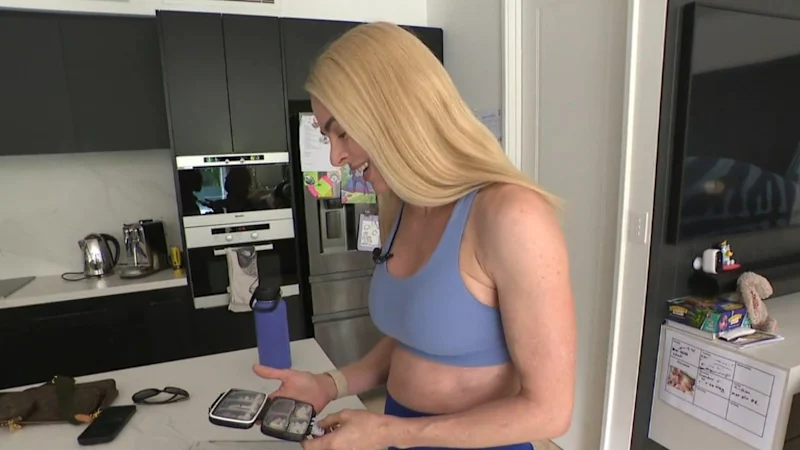
We are in the age of the "biohacker." What exactly does that mean? Picture a biohacker as someone who gathers a ton of health data about themselves to try and improve their longevity, separate from the care they're receiving from their primary doctors. But that's not all it is.