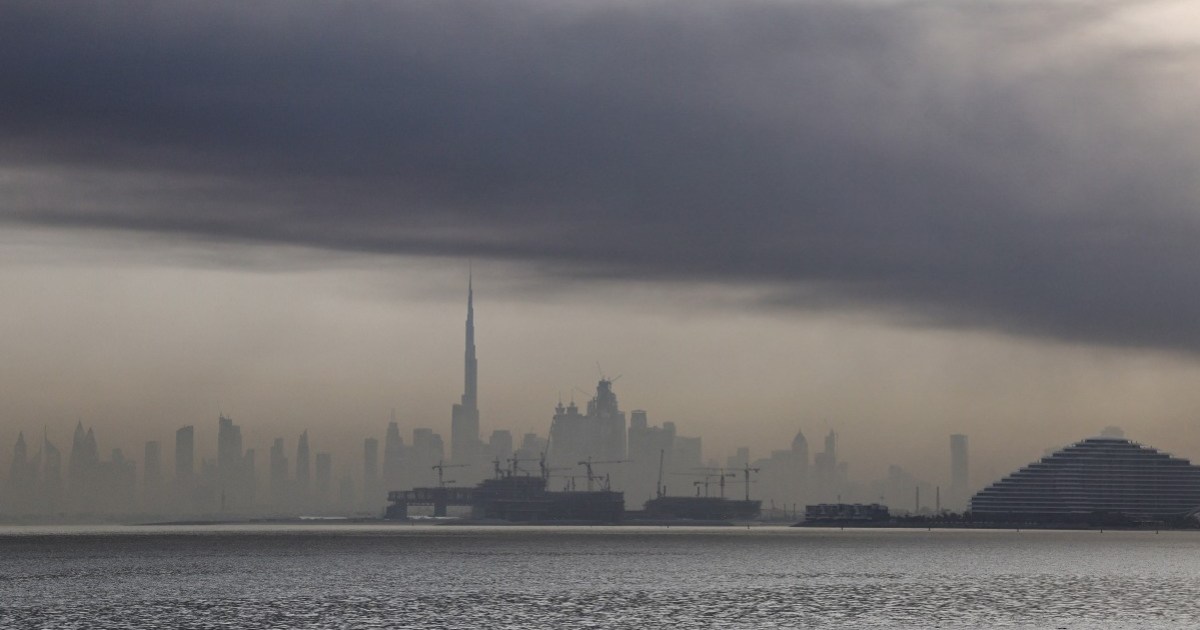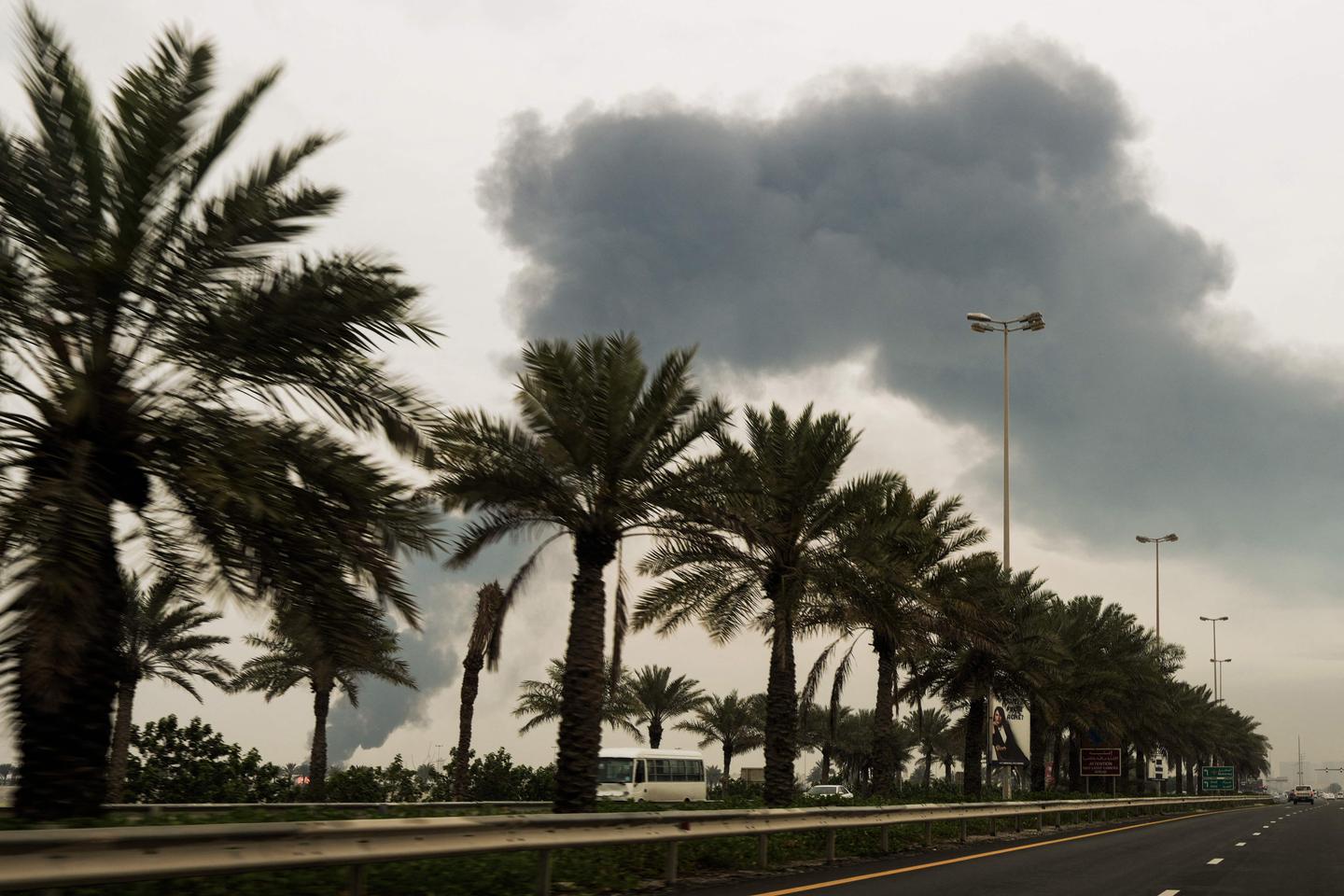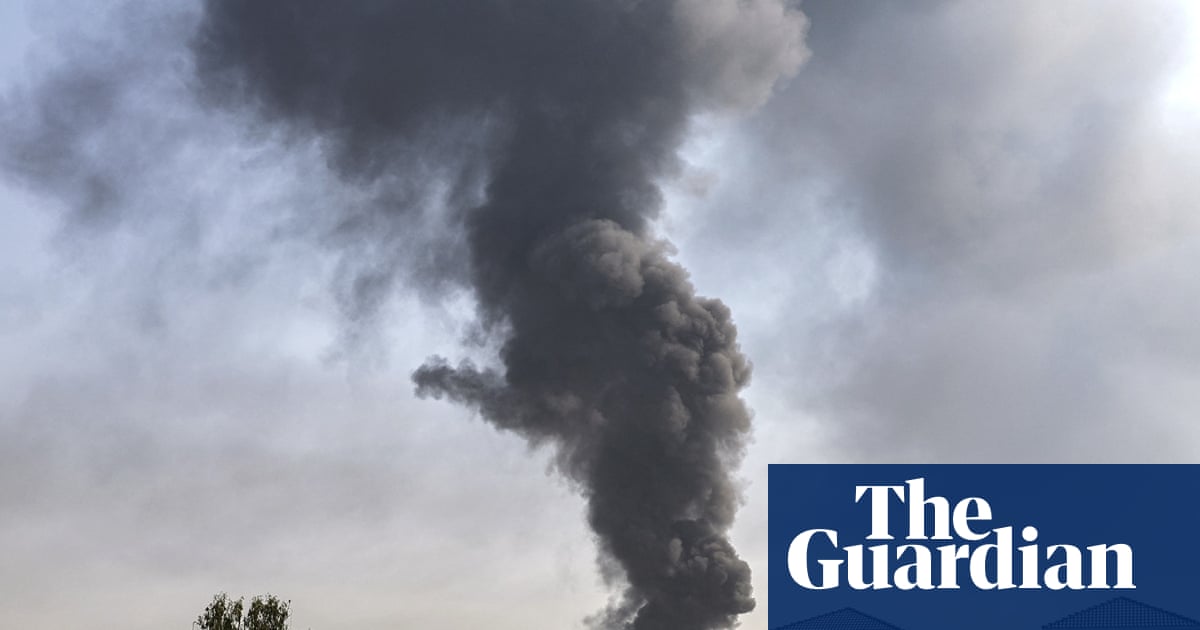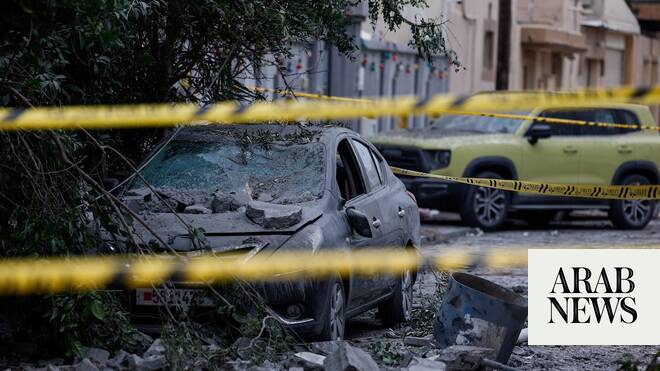
LONDON: Reverberations of the conflict in the Middle East are being felt across the region both physically and metaphorically. The booms and jolts of missile interceptions over Gulf cities and industrial sites may have halted since President Donald Trump announced a two-week ceasefire on April 8, but the economies are hurting, some sectors more acutely than others.
Gulf central banks have moved quickly to keep money flowing through their economies, no matter how long the conflict lasts. They have pumped extra liquidity into banks, made it easier for banks to access funds, and temporarily relaxed some rules so lending to businesses and households can continue despite the disruption.
The approach is to act early to steady the economy — helping firms stay afloat, protecting jobs, and avoiding a deeper downturn caused by what is seen as a temporary shock.
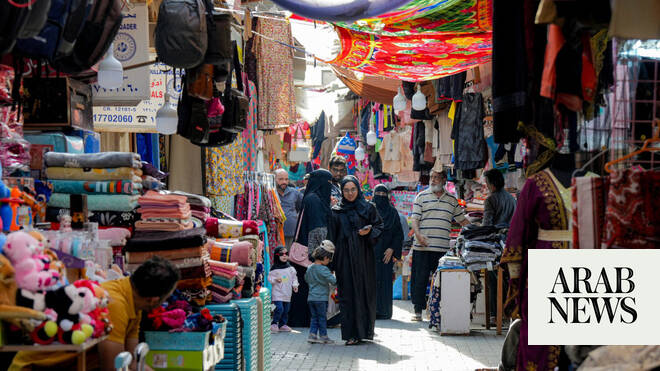
In Bahrain, the strain is falling disproportionately on small and medium-sized businesses and the workers they employ, even as the Gulf state rolls out policies to cushion the blow for citizens.
Emergency personnel work to extinguish a fire in a building after an Iranian strike in the capital Manama on February 28, 2026. (AFP)