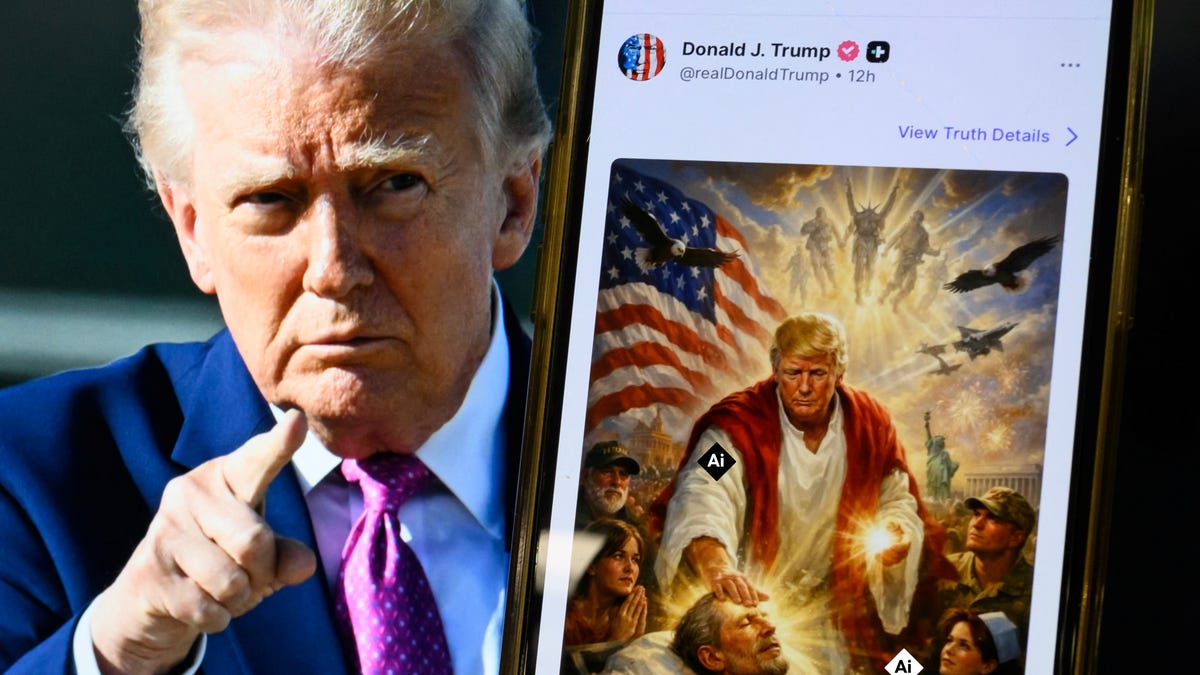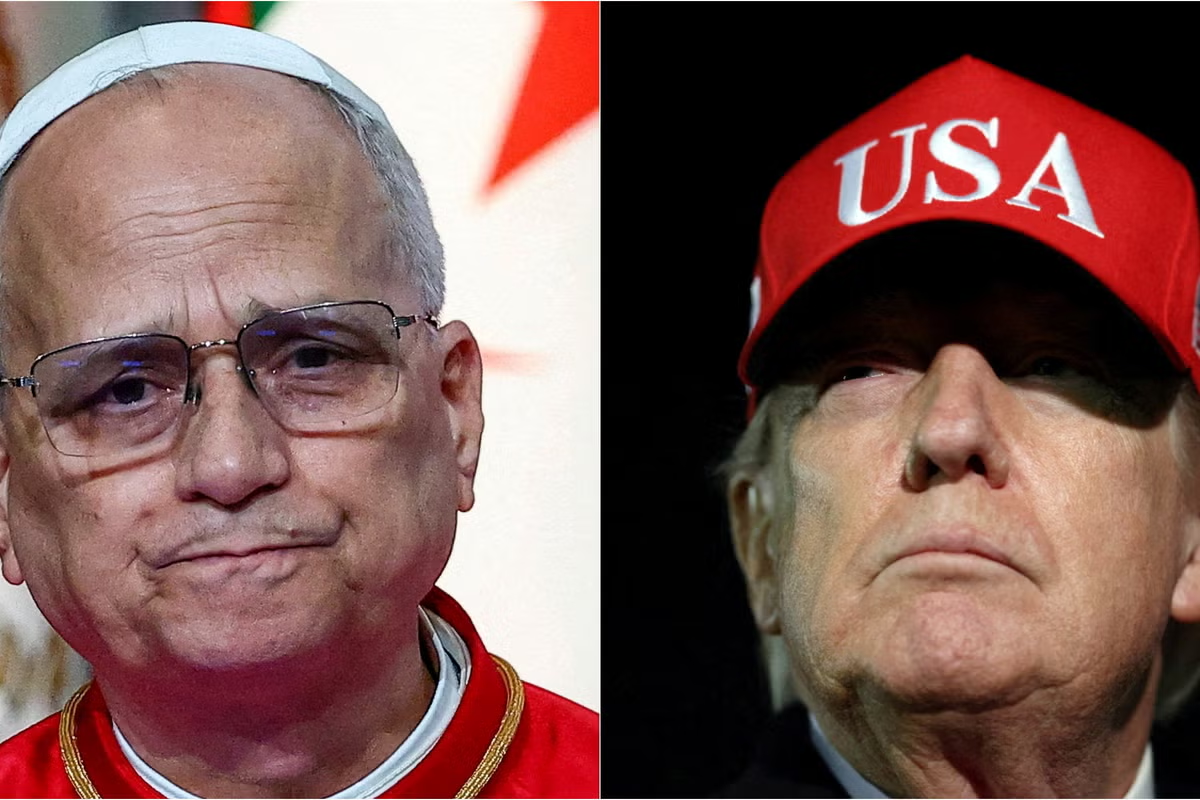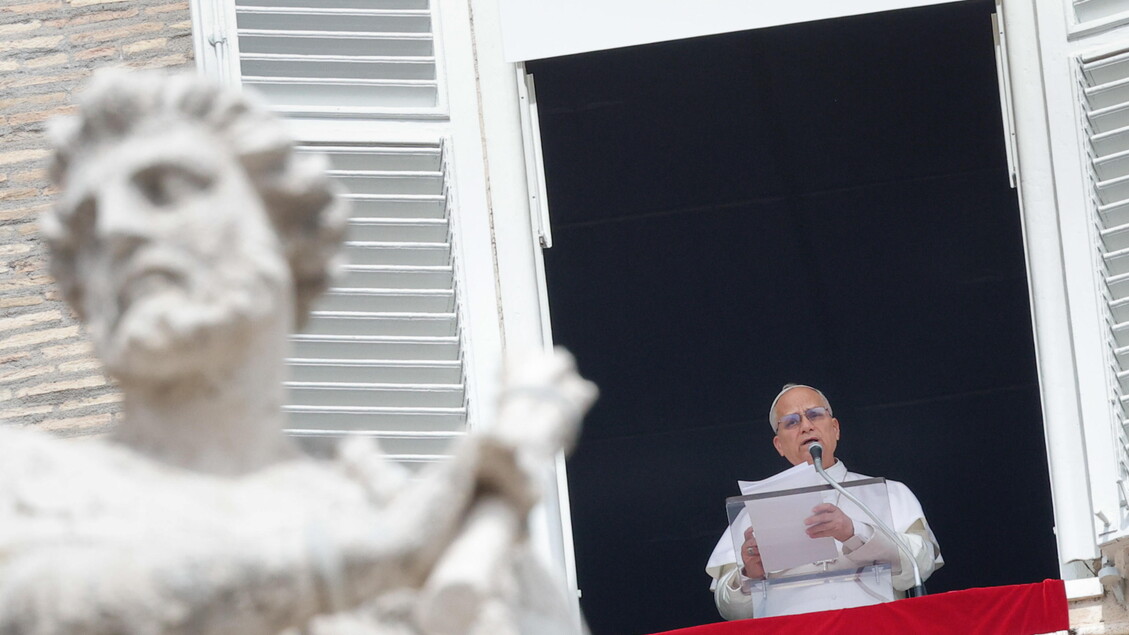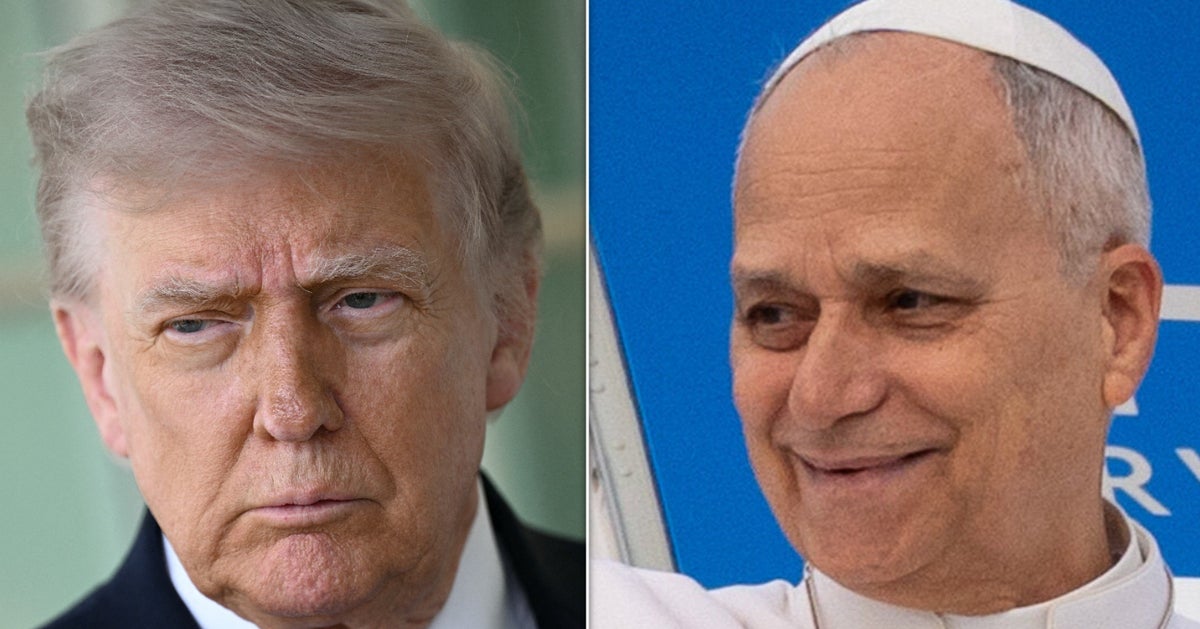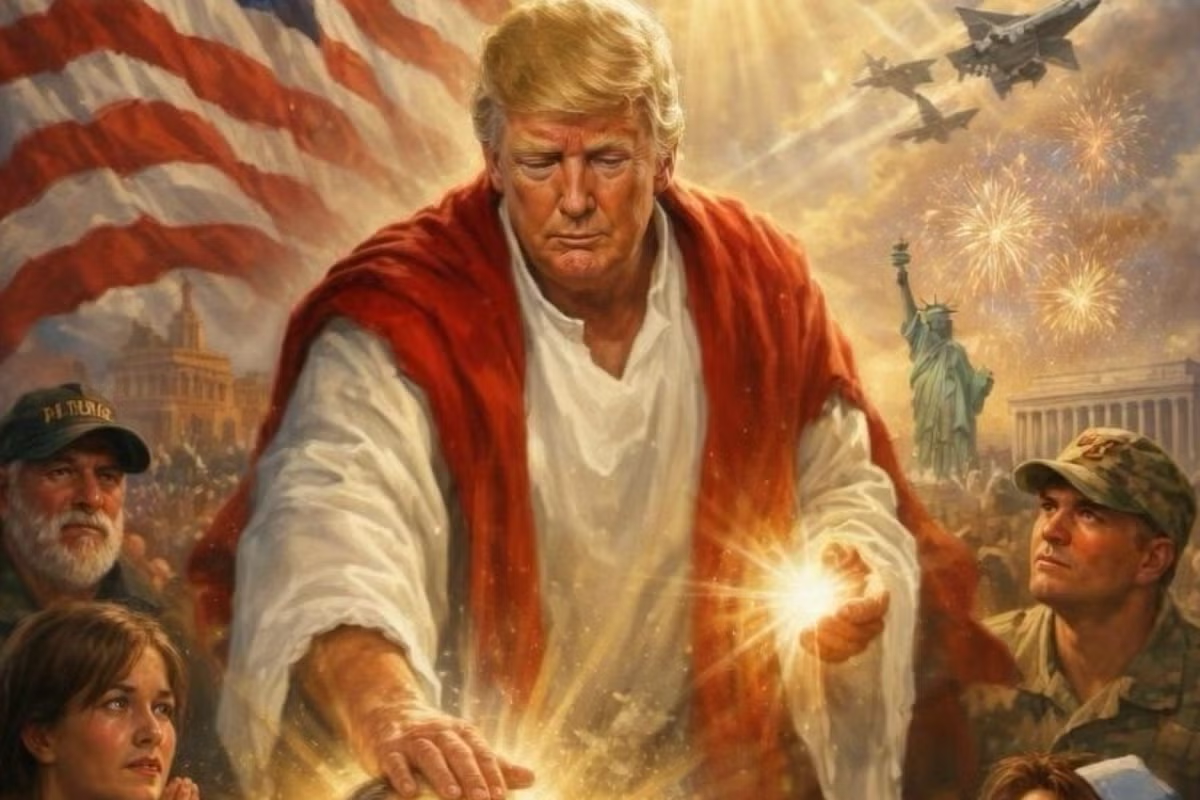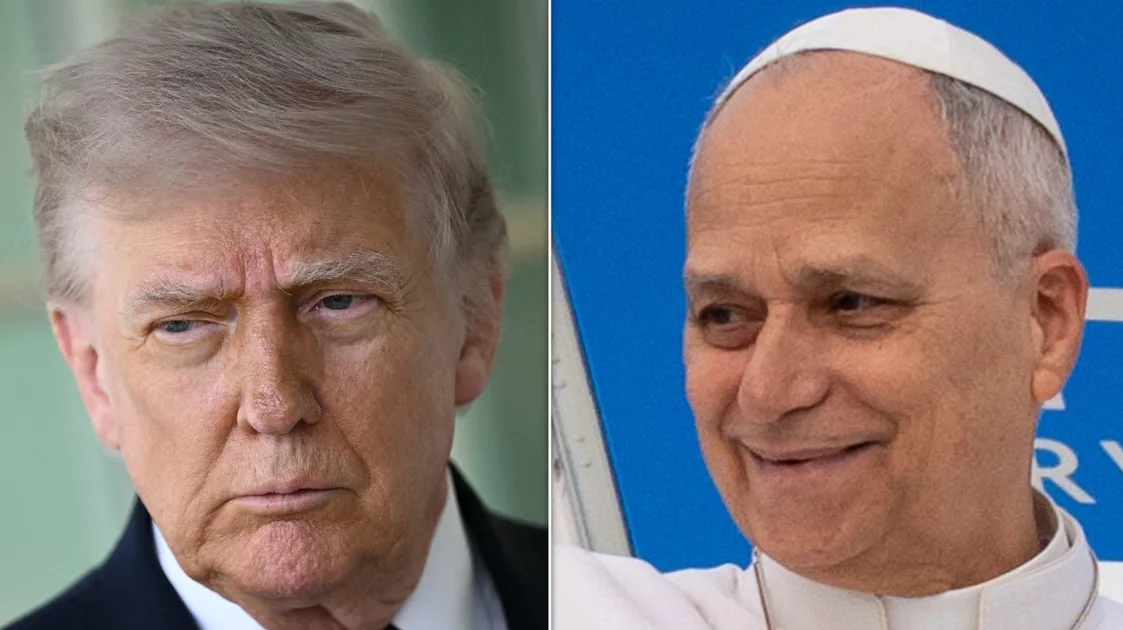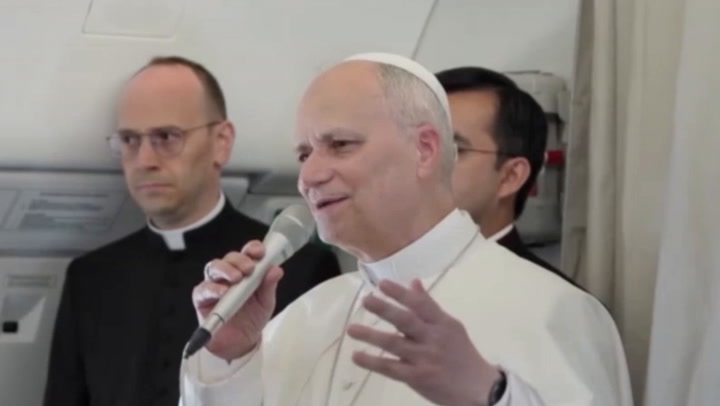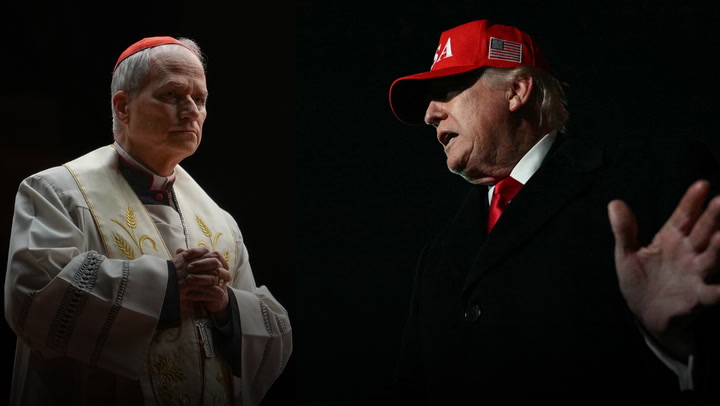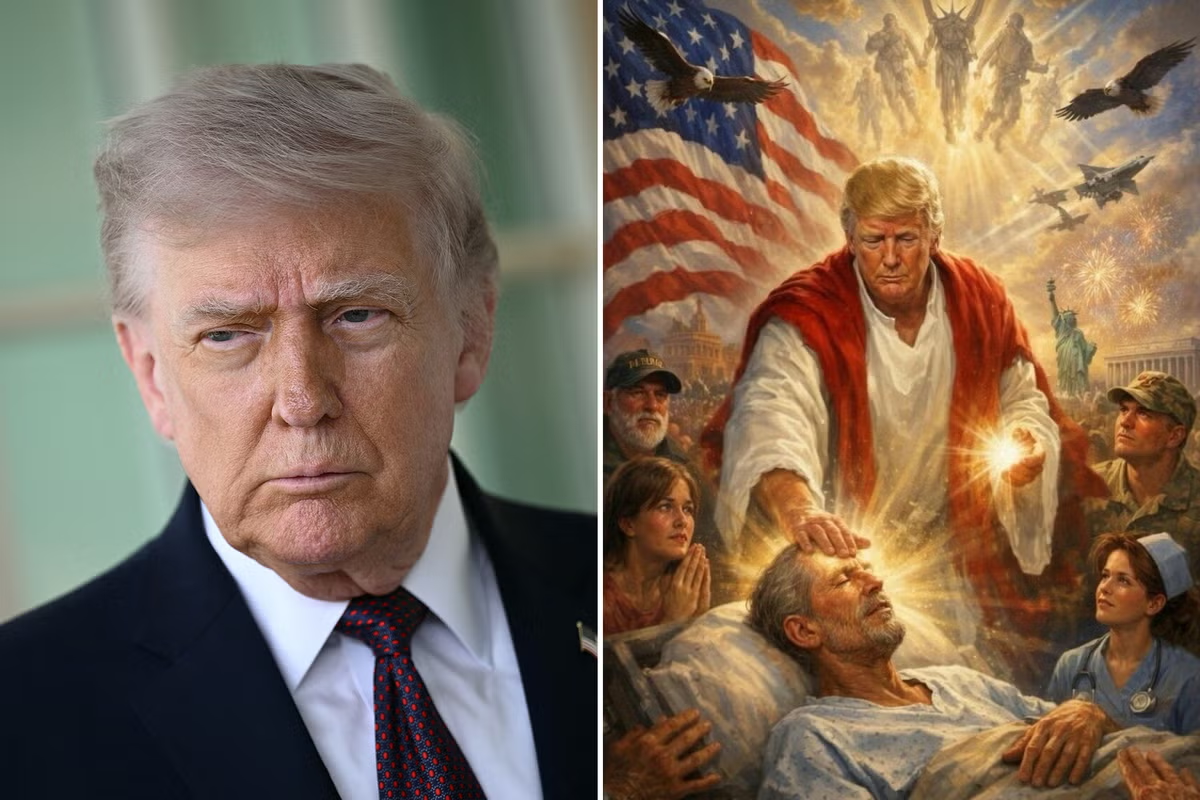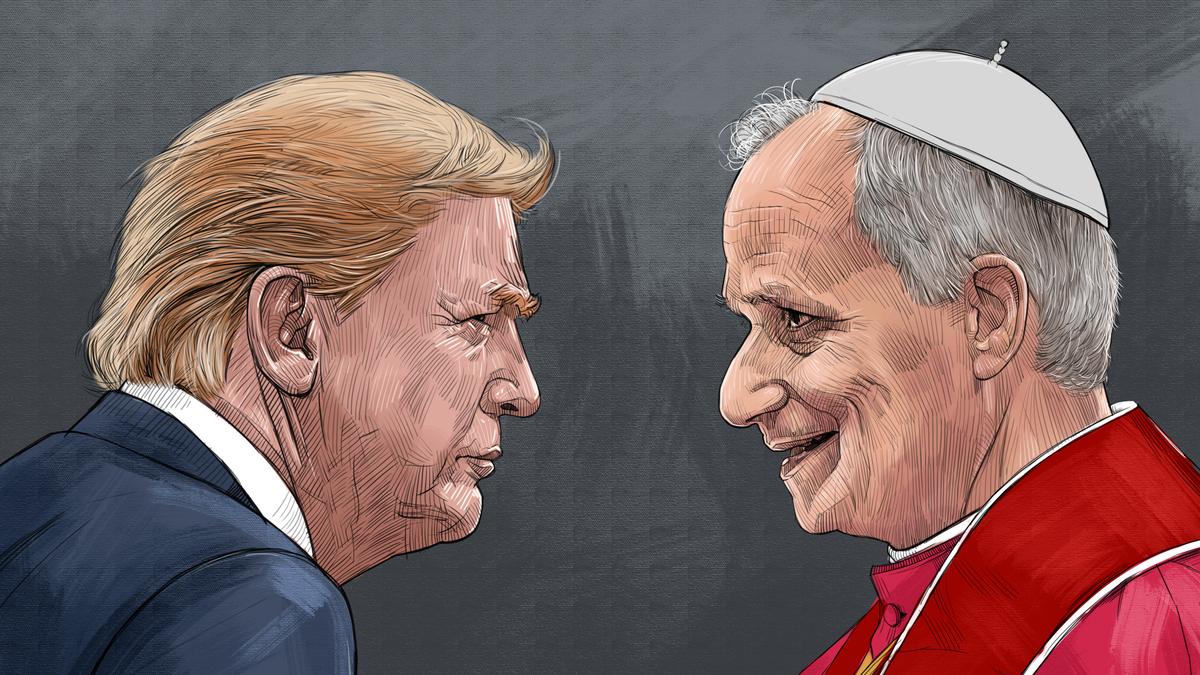
On April 12, U.S. President Donald Trump launched a lengthy broadside against Pope Leo XIV. In a social media post, he described the head of the Catholic Church as being “weak on crime”, “weak on nuclear weapons”, and “terrible for foreign policy”. As he went on, the tirade became a personal attack, with Mr. Trump taking credit for Leo – born Robert Francis Prevost – getting picked to be the Pope. “He [Prevost] wasn’t on any list to be Pope, and was only put there by the Church because he was an American, and they thought that would be the best way to deal with President Donald J. Trump. If I wasn’t in the White House, Leo wouldn’t be in the Vatican,” he wrote.Mr. Trump ended by urging ‘Leo’ to “get his act together as Pope, use Common Sense, stop catering to the Radical Left, and focus on being a Great Pope, not a Politician.”Conflict between the Church and the state is not uncommon in Western history. But this was the first time in the modern era that the Commander-in-Chief of the most powerful Christian-majority state got into a public war of words with the pontiff. What made it more unusual was they were both Americans. To Mr. Trump’s annoyance, Pope Leo is the more popular American. A recent NBC News poll found the Pope to enjoy a 34-point net favourability rating, in contrast to Mr. Trump’s minus 12-point rating. Mr. Trump’s irritation with Pope Leo was not without grounds. He has faced little political resistance to ‘Operation Epic Fury’, the joint military operation with Israel that he launched against Iran on February 28. The Congress was under Republican control, and Democrat politicians were equally committed to unconditional military support for Israel. With very little pushback from establishment voices, the Trump administration sought to dress up what was essentially a war of choice as a quasi-religious mission of Christian righteousness – a so-called ‘just war’.For instance, Secretary of War Pete Hegseth started evangelical worship services at the Pentagon. On March 25, he prayed for “overwhelming violence of action against those who deserve no mercy... We ask these things with bold confidence in the mighty and powerful name of Jesus Christ.” There was a concerted effort to portray the assault on Iran as a ‘holy war’ against “God’s enemies”. For Pope Leo, spiritual leader of 1.4 billion Catholics, remaining silent in the face of an attempt to enlist Jesus on the side of what he has described as an “unjust war” was not an option.Moral condemnationAs early as March 1, on Day 2 of the war, he warned of a “tragedy of enormous proportions”. From March through early April, as the war escalated, his public pronouncements gradually shifted in tenor from calls for dialogue and expressions of sadness at civilian deaths, to outright moral condemnation of the war. When Mr. Trump threatened to annihilate the Iranian civilisation, the Pope, in a direct rebuke, said it was “truly unacceptable”.Opinion | Pope Leo and Trump, the battle for America’s soulFinally, on April 11 during a Prayer Vigil, Pope Leo spoke out explicitly against religious justification for the Iran war. He issued an appeal to the “overwhelming majority who want peace” to use prayer as a “bulwark against that delusion of omnipotence that surrounds us and is becoming increasingly unpredictable and aggressive”. He further called out those who make “themselves and their own power into a mute, blind and deaf idol, to which they sacrifice every value, demanding that the whole world bend its knee”. Less than 24 hours later came Mr. Trump’s diatribe on Truth Social. He followed it up by posting an AI-generated image depicting himself as Jesus Christ healing the sick, deleting it after it provoked a public outcry.Political observers have pointed out that it was politically unwise for Mr. Trump to get into a public confrontation with the Pope, especially with the mid-term polls around the corner. Catholics form 20% of the electorate in the U.S. Traditionally, their votes have split evenly between the Republicans and Democrats. But in the 2025 Presidential race, 55% of Catholics voted for Mr. Trump. The evidence on social media and pronouncements by influential Catholic clerics in the U.S. indicate that public sympathy is with the Pope, not Mr. Trump.Even as the Pope continued to debunk his administration’s religious justifications of the Iran war, saying, earlier this week, “God does not bless those who drop bombs,” Mr. Trump was forced to go on the defensive, clarifying, “I’m not fighting with him,” and that it’s fine for the Pope to express his views and for them to disagree. However, two of Mr. Trump’s lieutenants, Vice-President J.D. Vance and House Speaker Mike Johnson, took on the Pope. Mr. Vance, who converted to Catholicism seven years ago, averred that the Pope should restrict his comments to matters of theology and morality. Mr. Johnson countered the Pope’s statement that “Jesus does not listen to the prayers of those who wage war” by invoking the ‘Just War Doctrine’, which has long been a part of Christian theology.The Pope’s spokespersons debunked both these arguments, noting that war is not merely a political or foreign policy issue but, fundamentally, a moral issue. Second, they pointed out that the ‘Just War’ doctrine has a long history of being abused by military aggressors, and unless there was an “immediate threat”— there was no immediate threat from Iran – such a claim does not hold. The Iran war was not the first instance of the Pope censuring Mr. Trump. In 2025, he had criticised Mr. Trump’s anti-immigrant actions, labelling them as “inhuman”. In a veiled reference to Mr. Trump, he said, “Someone who says I am against abortion but I am in agreement with the inhuman treatment of immigrants... I don’t know if that’s pro-life.”Dangerous moral voidPope Leo, the first-ever American Pope, has much in common with his predecessor, Pope Francis, the outspoken Argentinian priest who was also critical of American foreign policy and Mr. Trump’s immigration politics. Like Francis, Pope Leo, too, has a strong Latin American connection, having spent two decades in Peru on the frontlines of political violence between the government forces and Shining Path, the far-left guerrilla group. Even as a foreign cleric in the country, he did not shy away from criticising the then-Peruvian President for his failure to prevent atrocities in the conflict.Christian principles of pacifism are not new. But unlike earlier pontiffs who were reluctant to wade into geopolitics or to criticise unprovoked American military aggression, Pope Leo sees the present moment, especially after the Gaza genocide, as a dangerous moral void that obliges him to speak up for the value of human life. As analysts have pointed out, it is also possible he views it as an opportunity to restore the Catholic Church’s moral authority, which has suffered serious erosion in recent decades over clerical sexual abuse scandals.Faced with an opponent against whom his trusted toolkit — tariffs, sanctions, bombs, and regime change — are useless, Mr. Trump was forced to switch from instinctive bluster and intimidation to calm calculation, especially with reports of his Catholic followers’ base increasingly torn between their President and their Pope. As for Pope Leo, he is clear that in a world “being ravaged by a handful of tyrants”, peace “is everyone’s responsibility”, including the Pope’s. As he put it in a post on X on April 16, “Woe to those who manipulate religion and the very name of God for their own military, economic, and political gain, dragging that which is sacred into darkness and filth.”
Trump vs Pope | Two Americans, two paths
The clash between President Trump and Pope Leo XIV, two influential Americans navigating moral and political divides.
1,265 words~6 min read