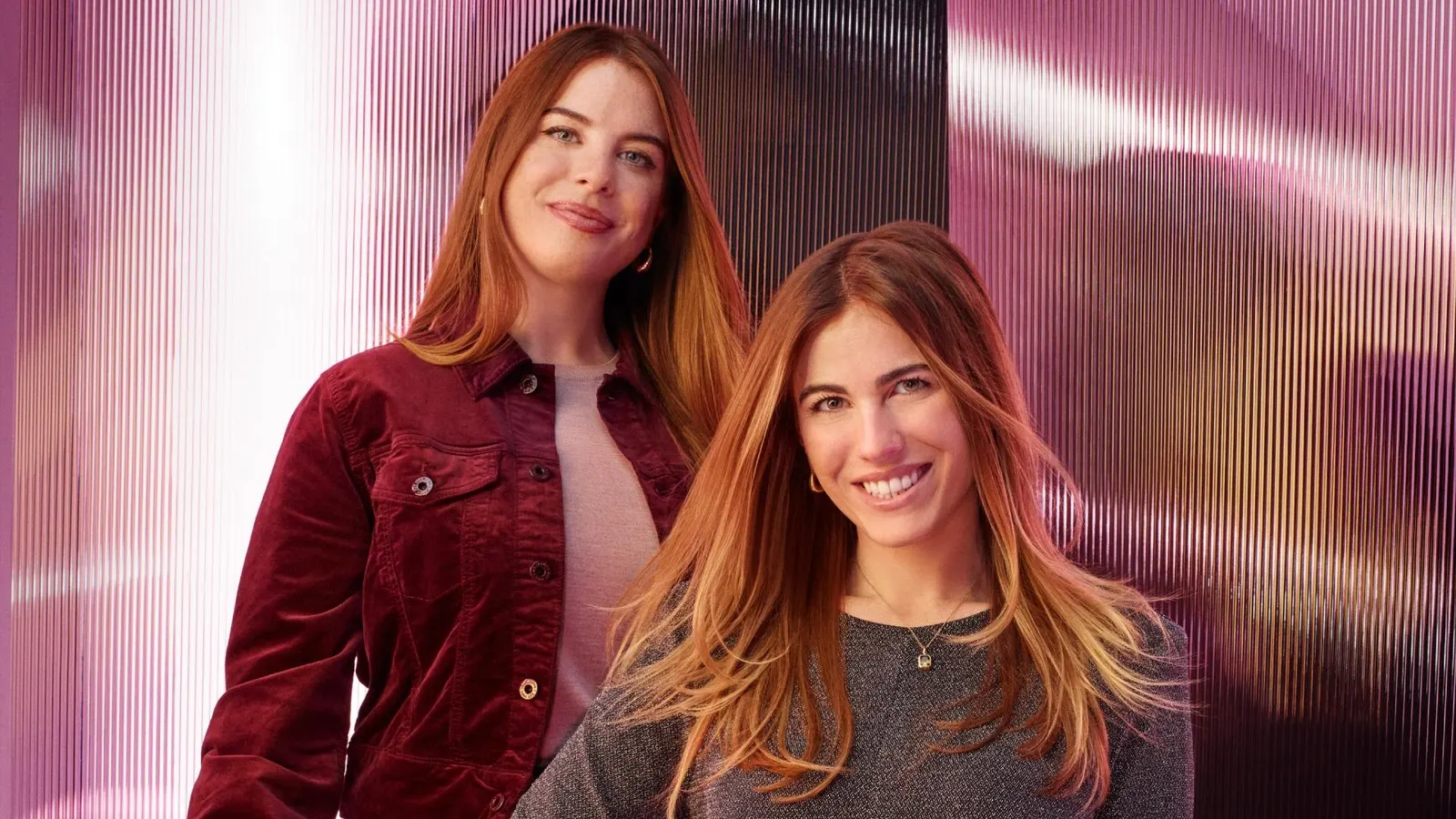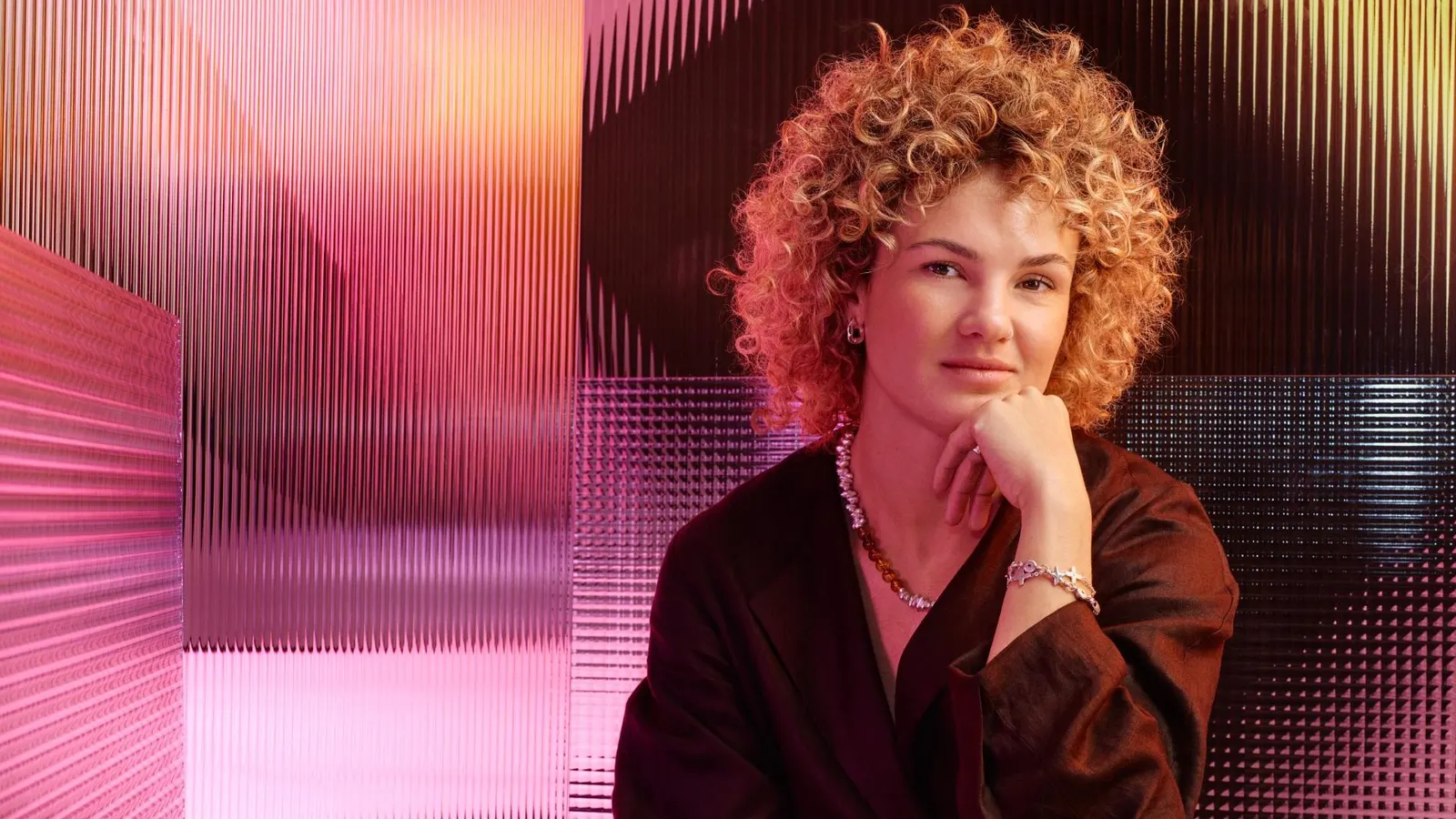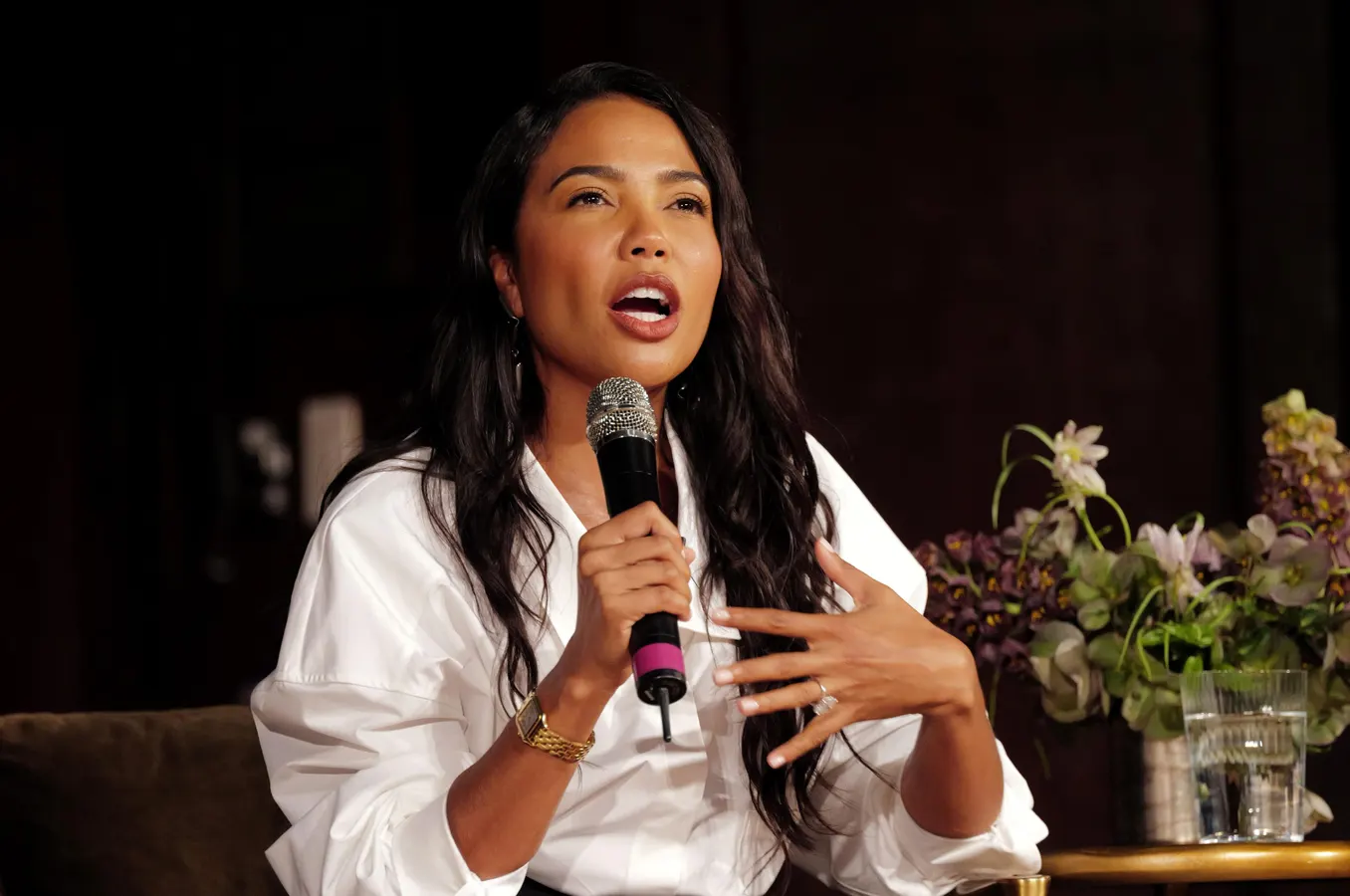
Think this is nice? It’s a version of the weekly Under 30 newsletter and would be even better in your inbox.Ellie Kildunne, Mau P, and Chloe and Olivia Ferro (left to right)U30 Europe photography by Sebastian Nevols and Cody PickensEurope might be known for its work-life balance, long summer holidays and chill cafe culture. But for the founders and leaders on this year’s Under 30 Europe list, they’re bucking that stereotype.In fact, Europe has sneakily become a hub for some of the fastest-growing companies on the market. There’s ElevenLabs, the $11 billion AI voice company founded by two Poland-natives, Mati Staniszewski and Piotr Dabkowski—which made the 2026 Forbes AI 50 list as one of today’s most promising privately-held AI companies. Or generative AI video startup Synthesia, another AI 50 honoree worth a whopping $4 billion. Synthesia generates human (enough)-like AI avatars for HR training, onboarding and safety videos. We flew to London earlier this year for some boots-on-the-ground reporting. You can watch the video feature here.But Under 30 alumni aren’t the only ones making it big. This year’s Under 30 Europe class includes those like Mau P, the Dutch DJ who has taken his dance music global with shows across the U.S., Australia, India and, of course, Europe. He’s not stopping there, either. Between intercontinental flights, he’s also busting out his entrepreneurial chops: Mau P’s Baddest Behaviour Records will back dance music artists who he thinks have what it takes to be the next big thing. And other stars on the entertainment list include Marisa Abela of HBO’s Industry, musician Sienna Spiro and the youngest-ever Emmy winner Owen Cooper. (See the Entertainment list here.)Meanwhile, rugby superstar Ellie Kildunne isn’t just known as the best women’s player in Europe. She’s also serious about business: Kildunne hosts a Spotify podcast called Rugby Rodeo, and counts brands like Canterbury as partners. Our Sports & Games list includes other leaders across athletics and gaming—like Violette Dorange, a sailor and ocean racer who made history last year as the youngest person ever to finish the Vendée Globe. That’s a solo, non-stop, unassisted race around the world. She did it in 90 days. Or Denny Calovi, who is building a consumer tech platform called Mountain Maps, which combines AI, immersive 3D mapping and offline navigation to help hikers and skiers navigate the mountains. He’s raised more than $1.1 million in funding and his app has roughly 400,000 users. (See the Sports & Gams list here.)And like any Under 30 list, there’s bound to be some billion-dollar brands. This year, Olivia and Chloe Ferro, the sisters behind SheMed, take the top spot for funding. Their $75 million-backed startup is worth $1 billion, and connects women across the U.K. with health testing and clinical support to gain access to GLP-1s. But they’re not just in it for the money. Olivia’s own experience living with PCOS (a common reproductive disorder) led her to GLP-1s to curb her symptoms—like intense pain and bloating. Now they’re on a mission to help more women manage other health issues that GLP-1s can benefit. Also on the Science & Healthcare list is Angelica Iacovelli, the cofounder and CEO of Nucleo Research. Her Y Combinator-backed startup automates CT scan analysis to accelerate cancer diagnosis and treatment. And there’s Siyuan Guo, the AI scientist at Prior Labs whose Ph.D research at Cambridge used physics to accelerate scientific discovery and create a framework that eliminates guesswork from AI models. (See the Science & Healthcare list here.)Across the board, these Under 30s aren’t only making money (and a lot of it, this year’s class counts $900 million in cumulative funding), but change, too. Their influence runs far and wide (291 million+ followers combined, in fact). From London to Zurich to Berlin and beyond, you can learn more about the data behind this year’s Under 30 Europe class here; and see the full list here.See you next week (when we’ll be reporting live from our Under 30 Summit!),Alex & ZoyaWhat's New At The 2026 Under 30 SummitThere’s less than one week to go until the iconic Forbes Under 30 Summit in Phoenix, AZ—and this year’s lineup is stacked. We kick off April 19 with a special live performance from Don Toliver, then dive into two full days featuring Uber investor Bill Gurley, Airtable’s Howie Liu, Wonder’s Marc Lore, Olympic legend Michael Phelps, NBA champion Dwyane Wade, and stars including Madelyn Cline, Haley Lu Richardson, Audrey Nuna and Ashley Graham.Are you ready? It’s not too late to join us—register now. Can't join us in person? Register for the virtual experience today.AI 50Forbes.comThe 2026 AI 50 list highlights the most promising privately-held AI startups in the world. It’s no shocker that Anthropic and Harvey returned to the ranks. But list newcomers—like Reflection, Gamma and Rogo, to name a few—make up 20 of the 50 mentioned. See the full list here. Lister Lowdown-After raising a $1.2 billion Series D round, self-driving software startup Wayve announced a $60 million extension this week. Founded by Alex Kendall, U.K.-based Wayve is creating software that aims to make any car a self-driving car—and it’s been backed by the likes of SoftBank, Nvidia and Microsoft. (Read the story here on how Kendall got big-name backers to fund his somewhat wild idea.) The latest raise has brought in investors such as AMD, ARM and Qualcomm. -Whoop has a whopping new valuation. Whoop, the startup that makes health-tracking wearables, this month announced it raised $575 million in a round that tripled the company’s valuation to $10.1 billion. The round was led by Collaborative Fund and includes participation from a variety of other investors, including Qatar Investment Authority and celebrities like LeBron James and Niall Horan. Whoop has now raised a total of nearly $900 million.-Valar Atomics, a nuclear startup that’s backed by U30-turned-billionaire Palmer Luckey, raised $450 million at a $2 billion valuation, according to Bloomberg. Founder Isaiah Taylor made the Under 30 list in December, when his startup had just broken ground in Utah on pilot project building its helium-cooled reactor using TRISO fuel and graphite moderators. At the time, it had raised some $150 million. The new round includes $340 million in equity and $110 million in debt.The Local Spotlight: Forbes Under 30 ArizonaCourtesy of Ahmad AlatrashWe’re bringing you the scoop on a new Under 30 Local community member. Up this week: 2026 Under 30 Arizona lister Ahmad Alatrash. He runs Mesquite Fresh Street Mex, a Mexican restaurant serving tacos, burritos, bowls and more. Since launching its first, to-go only storefront in Old Town Scottsdale in 2015, Mesquite Fresh Street Mex has expanded to more than ten dine-in restaurant locations around Arizona and brought in $13 million in revenue last year. The following has been edited for length and clarity.You went from one to-go storefront to now operating more than 10 dine-in restaurants. What have you learned about scaling?When we started with a single to-go storefront, we thought scaling simply meant repeating what worked in more places. What we learned is that real scaling isn’t repetition, it’s discipline. You don’t expand what you hope works; you expand what’s already proven to hold up, consistently, under pressure. As we moved into dine-in restaurants, the challenge became keeping the experience consistent across different teams, volumes and environments. That required building strong systems and a clear culture before we ever opened the next door.Going from one storefront to more than ten wasn’t about doing more. It was about doing the right things consistently enough that they could be trusted anywhere. That’s the real lesson. Growth isn’t about moving faster. It's about building something that canstand anywhere and still feel like the same brand.How did you decide when it was the “right time” to open your second and thirdlocations?For us, it was never about a calendar or hitting a certain number. It was about readiness. We didn’t open the second location until the first one could run the way we believed it should run without us constantly stepping in. That meant the food was consistent, the team understood the standards, and the systems could hold up on a busy day without breaking.But there was also another factor that mattered just as much: the community. We started hearing from people in other areas who were waiting for us, asking when we’d come closer to them. That told us the demand was real, but we still had to make sure we were ready to deliver it the right way.What’s unique about running a restaurant business in Arizona compared to other states?Running a restaurant in Arizona is unique because the environment and community truly shape how you operate. The desert heat pushes us to be extremely disciplined about freshness and food quality every single day. Arizona also has strong local pride and high expectations for Mexican food. Guests know flavor, so authenticity and consistency are everything. With the state’s rapid growth and competition, we’ve learned that standing out isn’t just about great food. It’s about hospitality, community involvement and building real relationships.Arizona can have extreme seasonality with tourism. How does that impact yourbusiness?In Arizona, seasonality plays a big role because tourism and snowbird traffic can really shift demand throughout the year. Our busiest months line up with the cooler season and spring training, when visitors are in town. In the hotter summer months, when traffic slows down, we focus more on our local community and introduce strategic LTOs to create excitement and give guests a reason to come in. We also lean into fundraisers, school partnerships, and loyalty programs to stay engaged. Overall, seasonality has taught us to be very proactive.You made $13 million in revenue last year. What’s been the biggest revenue driver for the business? The biggest revenue driver for us has been consistent demand for our core menu and strong repeat customer traffic. We’ve focused heavily on building a product that people come back for regularly. Fresh ingredients, bold flavors and a fast-casual experience that works for both everyday meals and group orders. A big part of growth has also come from community engagement, like the fundraisers and local partnerships, which have helped us expand our reach and bring in new guests who often turn into repeat customers.If you had to build the entire business around just one menu item, which one would it be?If we had to build the entire business around one item, it would be tacos. Tacos are the foundation of what we do. They’re versatile, approachable and let the quality of the ingredients really speak for themselves. They also give us flexibility to offer a variety of proteins and flavor profiles while keeping the experience simple and consistent for guests. On top of that, tacos work for almost any occasion. Quick lunch, catering, groups or everyday dining, making them a strong driver for both volume and repeat business. What’s your one piece of advice for fellow young entrepreneurs trying tobreakthrough in the crowded food space?My advice would be to rise above the noise by standing out and making a meaningful impact through gratitude and giving back. Stay in tune with evolving trends, as they’re constantly changing. In today’s digital world, attention spans are shorter than ever, so it’s important to understand shifting consumer habits and adapt your marketing accordingly. Just as important, make sure your operations are solid. Stay true to your food, maintain consistency and execute at a high level every time.
Mau P, Ellie Kildunne And Billion-Dollar Healthtech Startup SheMed Make The Under 30 Europe List. Meet The Class Of 2026.
From global entertainers to sports legends to healthcare startups worth $1 billion, this year's Under 30 Europe class is shaping industries from across the pond.
1,896 words~9 min read