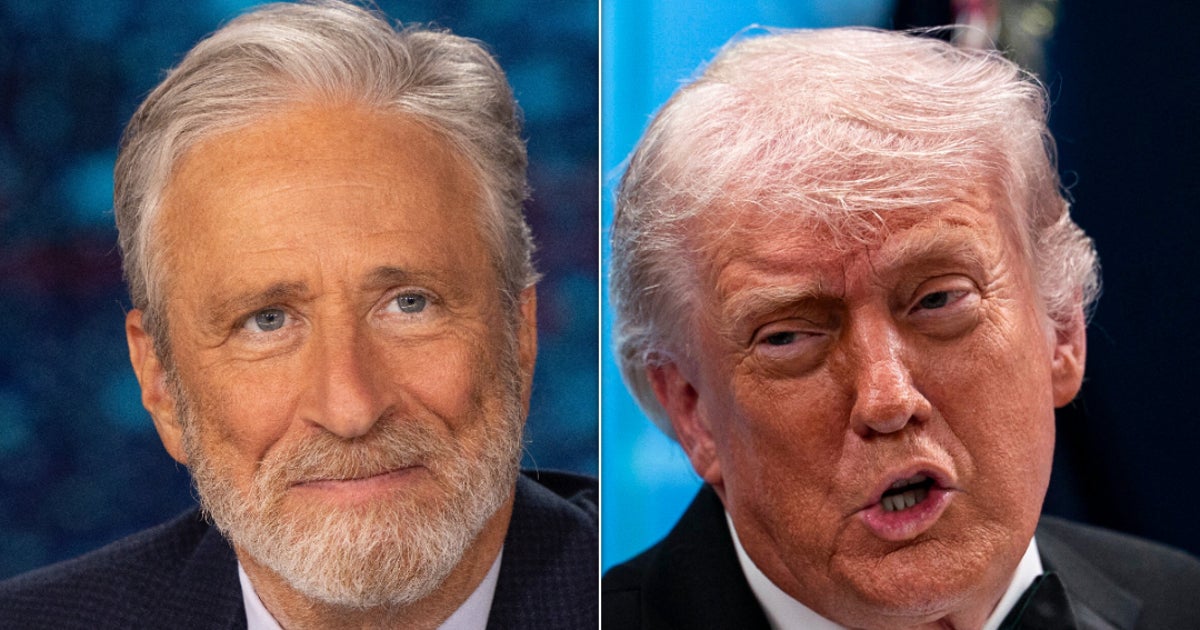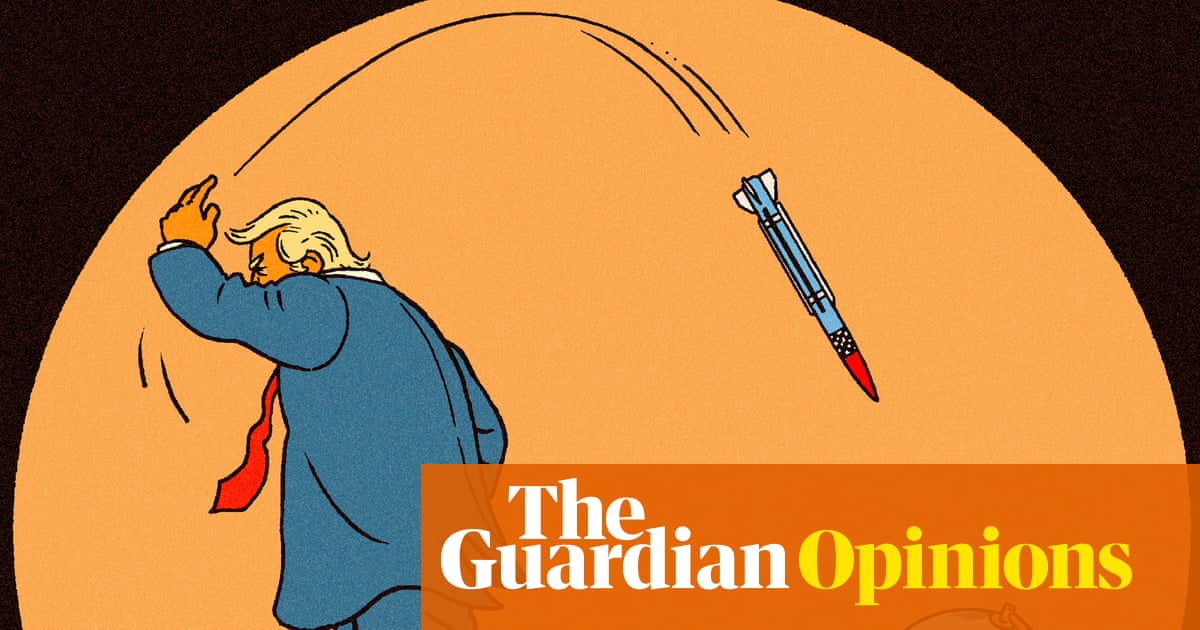
As the president’s second term has wrought new horrors, comedians reflect on whether humor can still ‘deflate the strongman’s image’
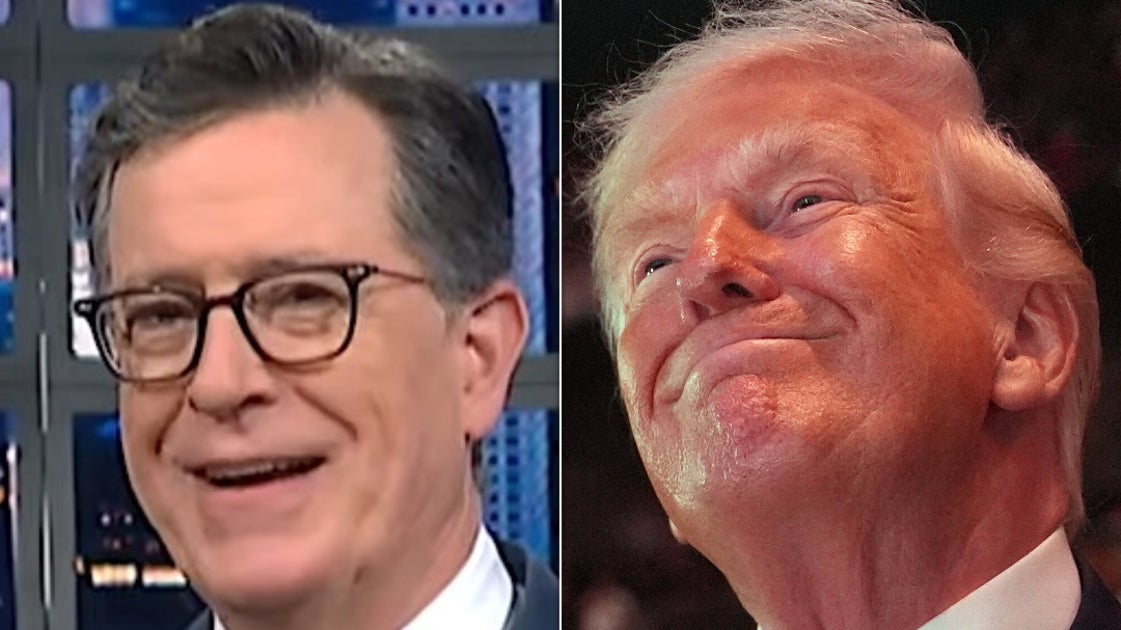
During Donald Trump’s first term, as his lies distorted reality and gaslighted Americans, Stephen Colbert said his goal was to remind his audience: “Hey, you’re not crazy.”
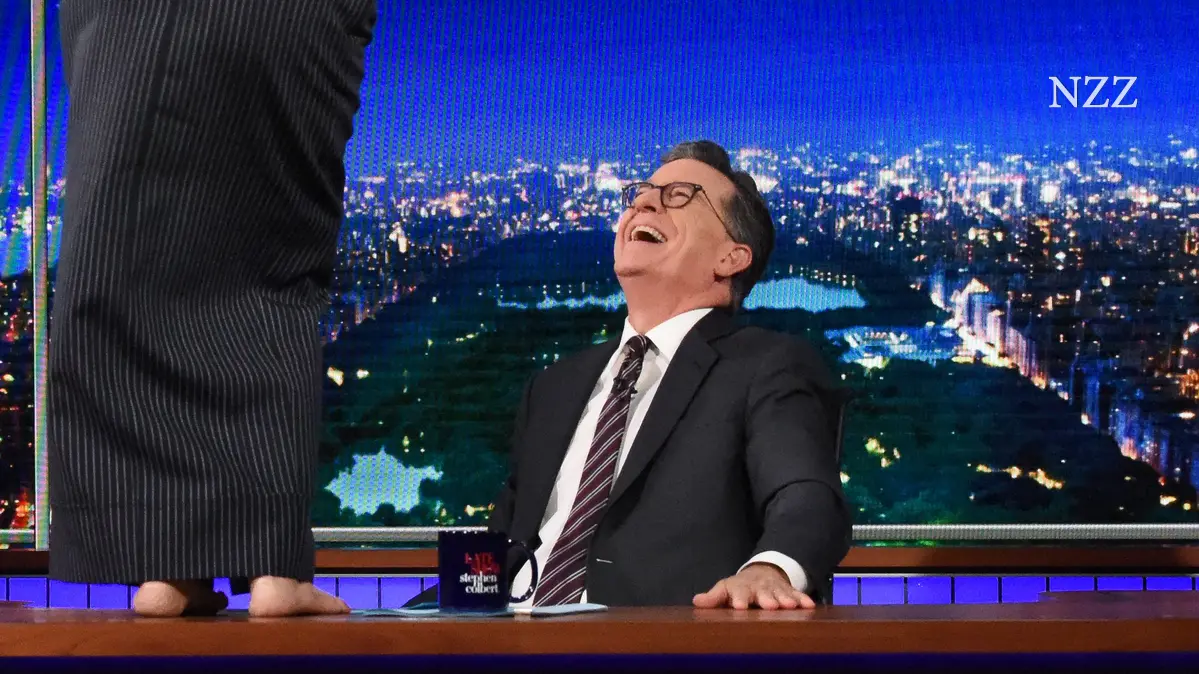
But watching political comedy during Trump’s second term – be it a deranged Saturday Night Live impression of a cabinet member, or a rapid-fire late-night monologue full of ICE jokes – it’s hard not to wonder: are we placating ourselves from the enormity of Trump-induced horror?
It’s not a new concern, of course. Weak mockery of Nazi leaders may have allowed Germans to “let off steam” while the regime solidified its power. Decades later, as The Daily Show was taking off, some pundits feared it encouraged apathy by rolling its eyes at the political sphere. As the US inches closer to autocracy, how can comedy work against repression, rather than sanitizing its targets – call it “clownwashing”?
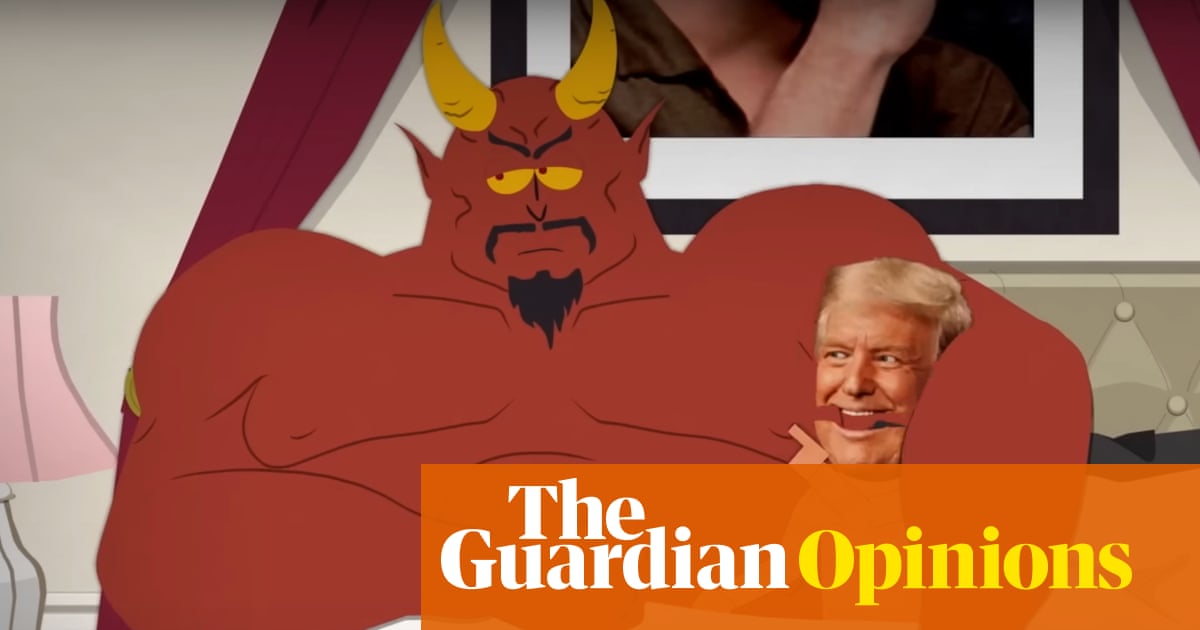
“We are in a hyper-individualistic, transactional, consumerist kind of culture. So for us, entertainment is something to be consumed,” says the Los Angeles comedian and writer Jenny Yang, who is a former political organizer. “Sometimes it might spur you into action, but a lot of times it feels like a good laugh is a safety valve” – a way to release the discomfort. “There is a normalization when you take the buffoonery of something that’s actually really insidious and evil and package it into something funny.” But it doesn’t have to be that way. “The comedian’s and jester’s job is to say that the emperor has no clothes,” says Yang. “The power of humor and the biting joke is the ability to say, ‘No, this person is not as important or powerful as you think they are.’” If a joke can cut a ruler down to size, that can ease the path toward fighting back.