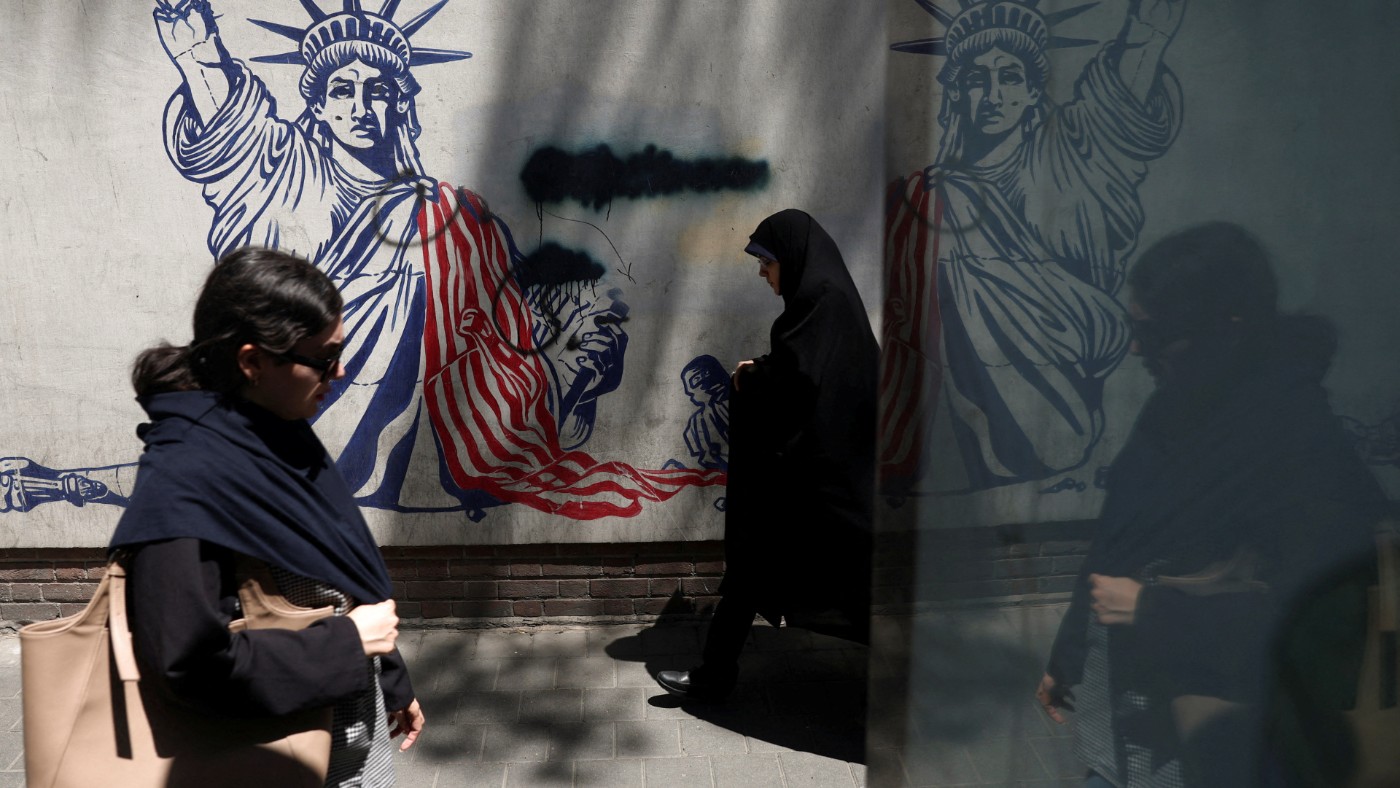
Many in the Iranian capital feel trapped between war with the US and the brutality of the regime’s repression
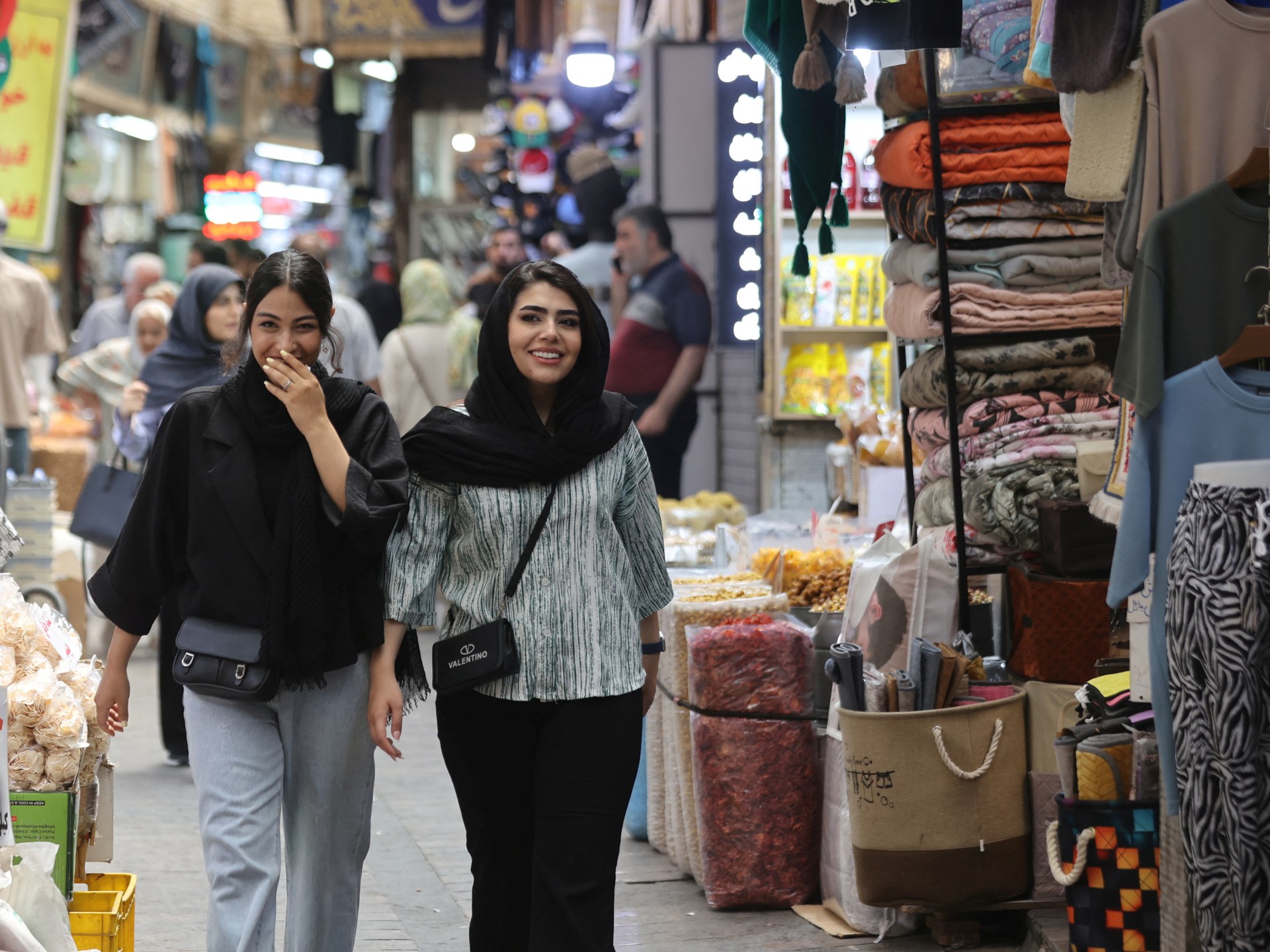
Like many in Tehran, Mehdi, 36, an IT professional, had fled the capital in the early days of the war to stay with relatives in the north.
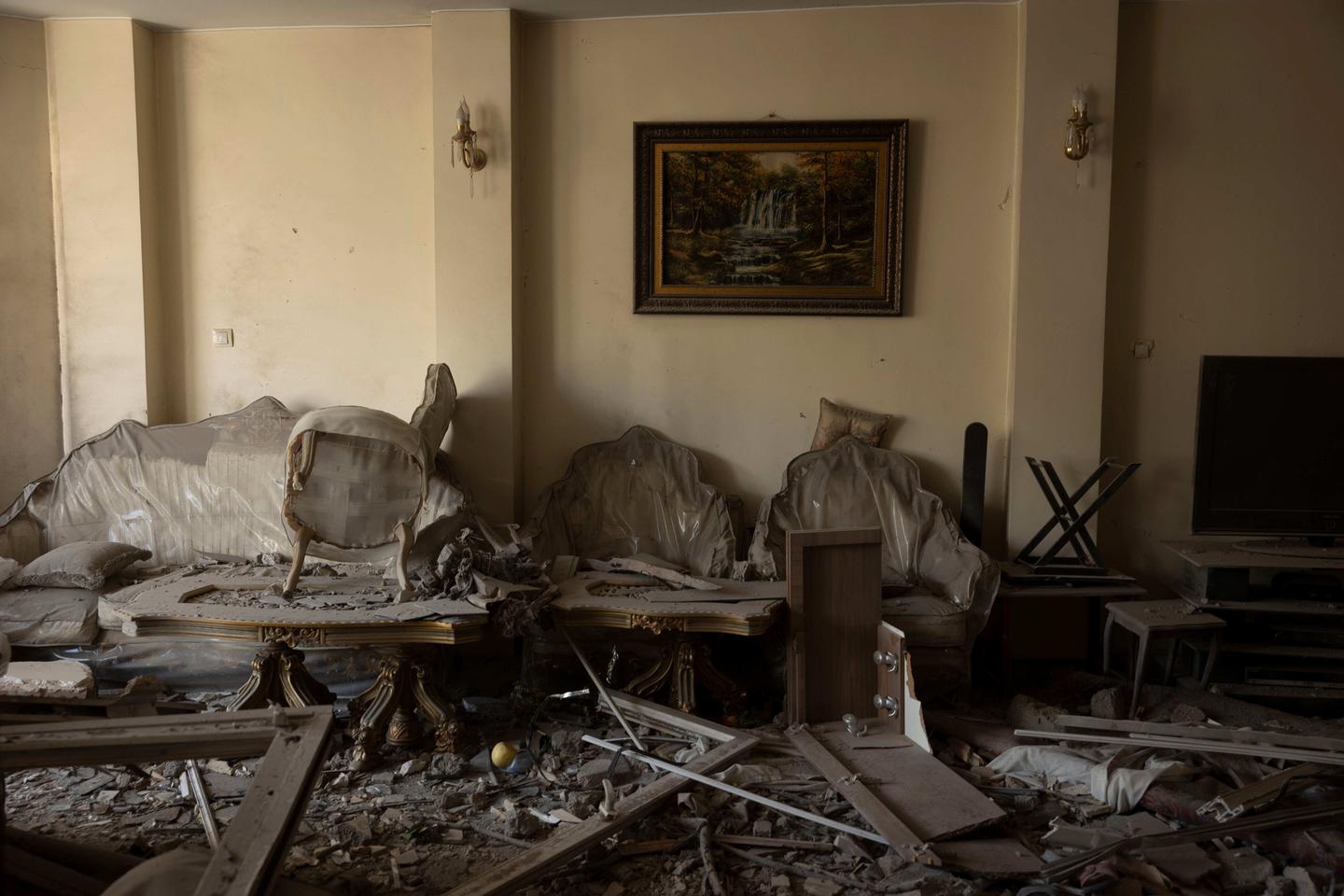
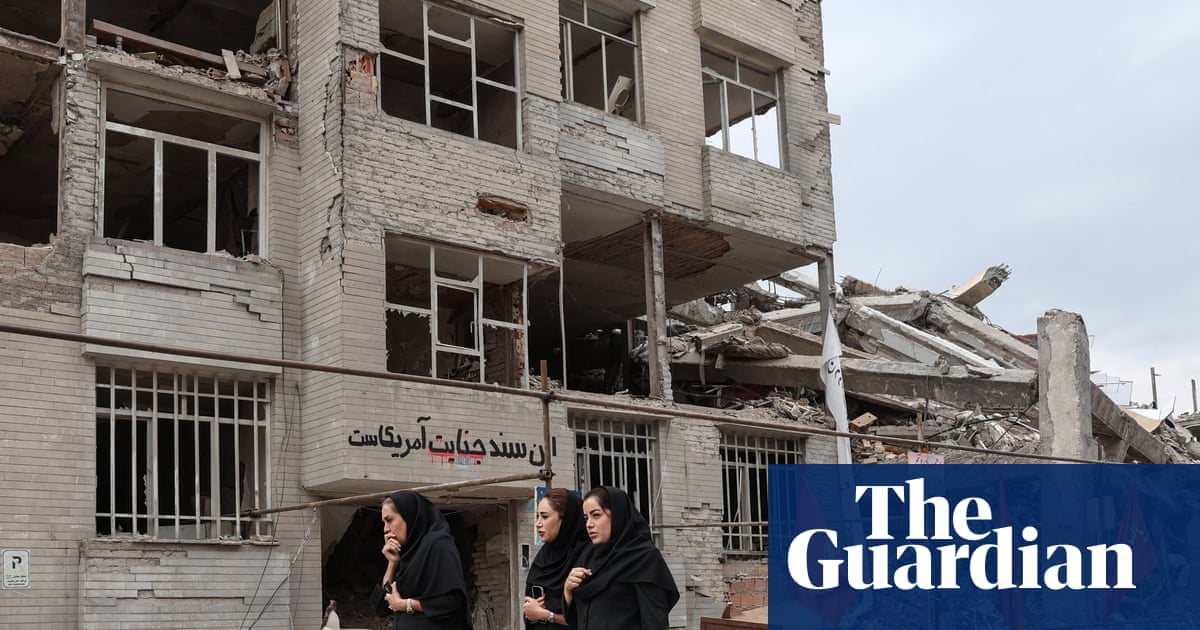
Returning to the city, he was confronted by bombed-out buildings, debris and rubble still scattered across the roads. His home has been damaged by the blasts, the glass shattered and bedroom window frames blown out. In his first days home – just before the ceasefire was agreed – a series of explosions sent him scrambling for shelter.
“There’s a whistling sound I hope you never hear … a missile so close that you don’t know if it’s going to hit your house or your neighbour’s,” he says. Three missiles hit the street in a matter of seconds.
Now Mehdi, along with thousands of other Iranians who have filtered back to their homes or workplaces during the fragile truce, is navigating a city riddled with ruined buildings, destroyed infrastructure, an economy in turmoil and looming anxiety over the approaching ceasefire deadline.