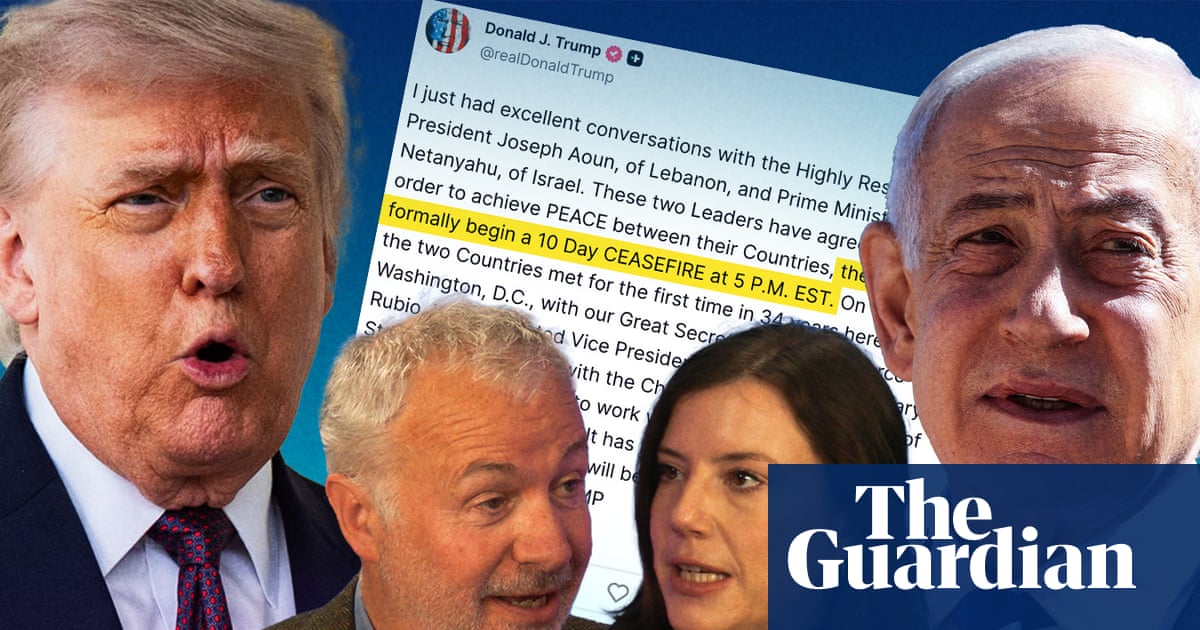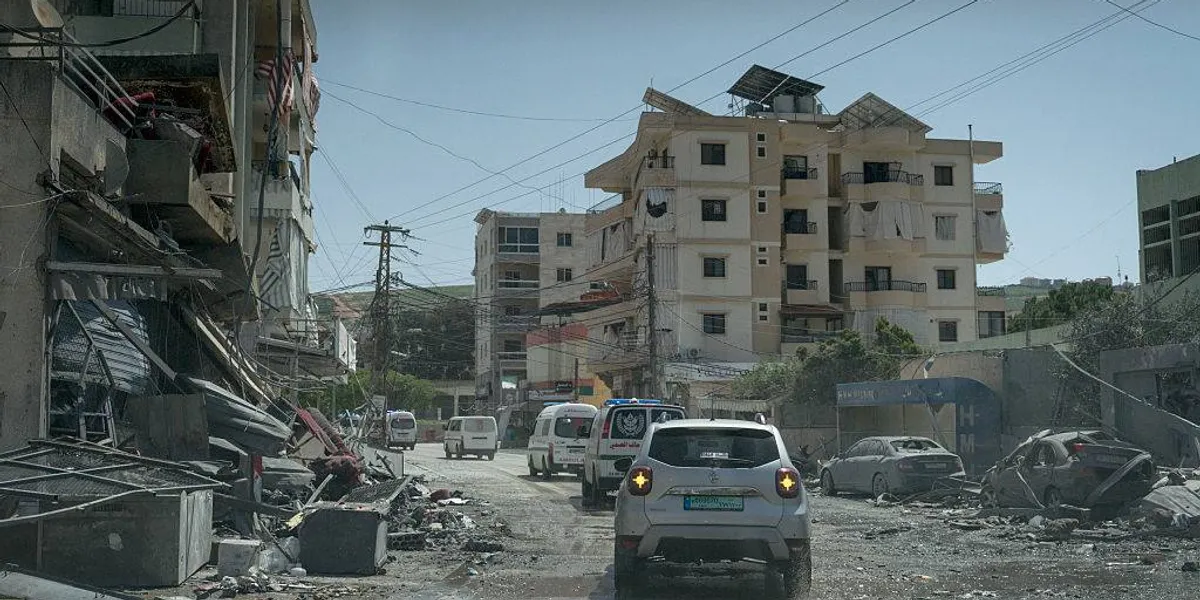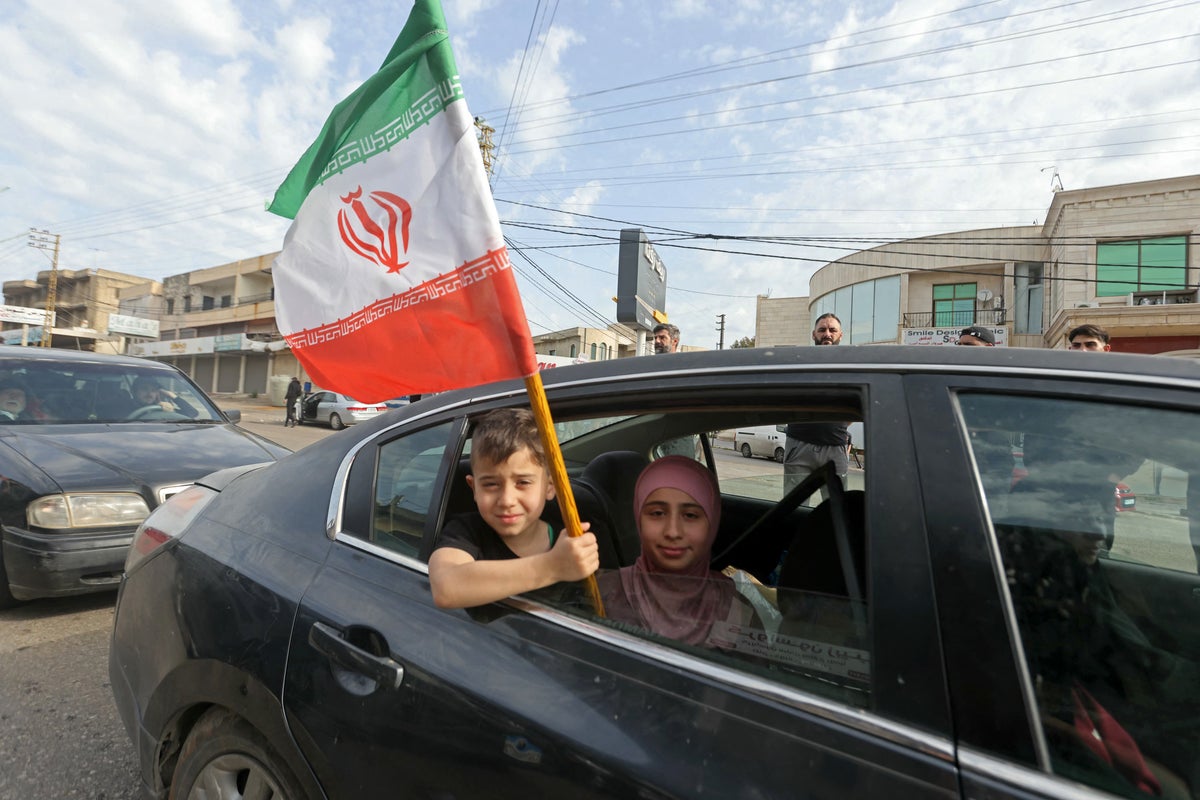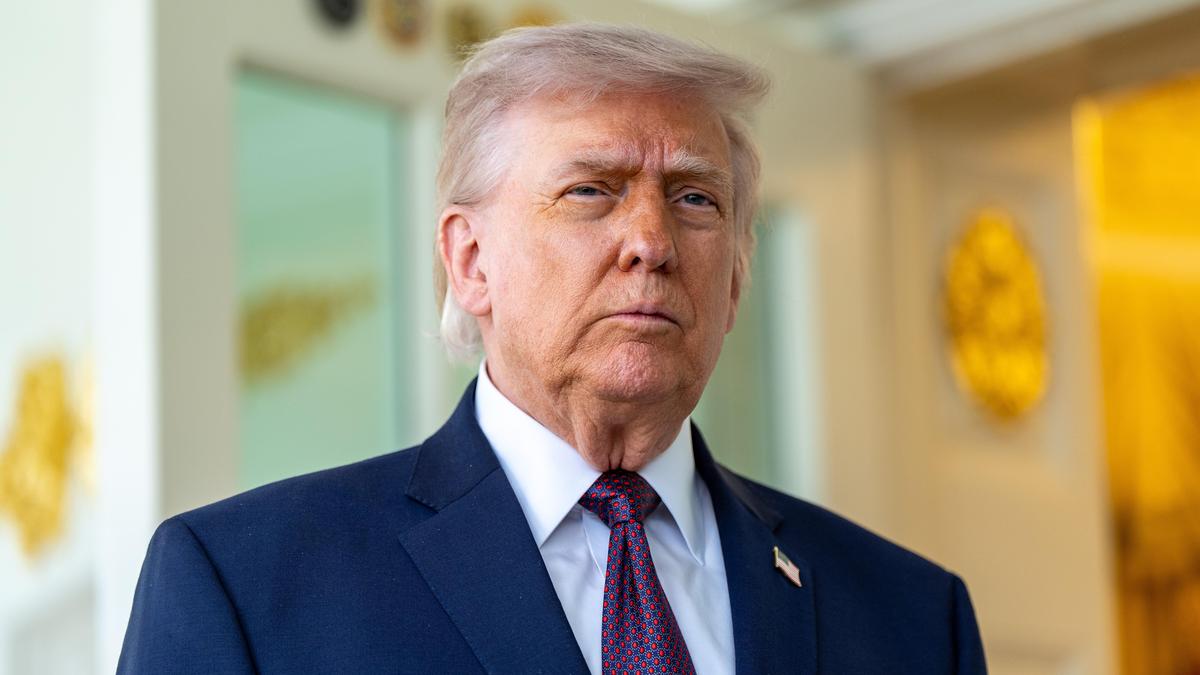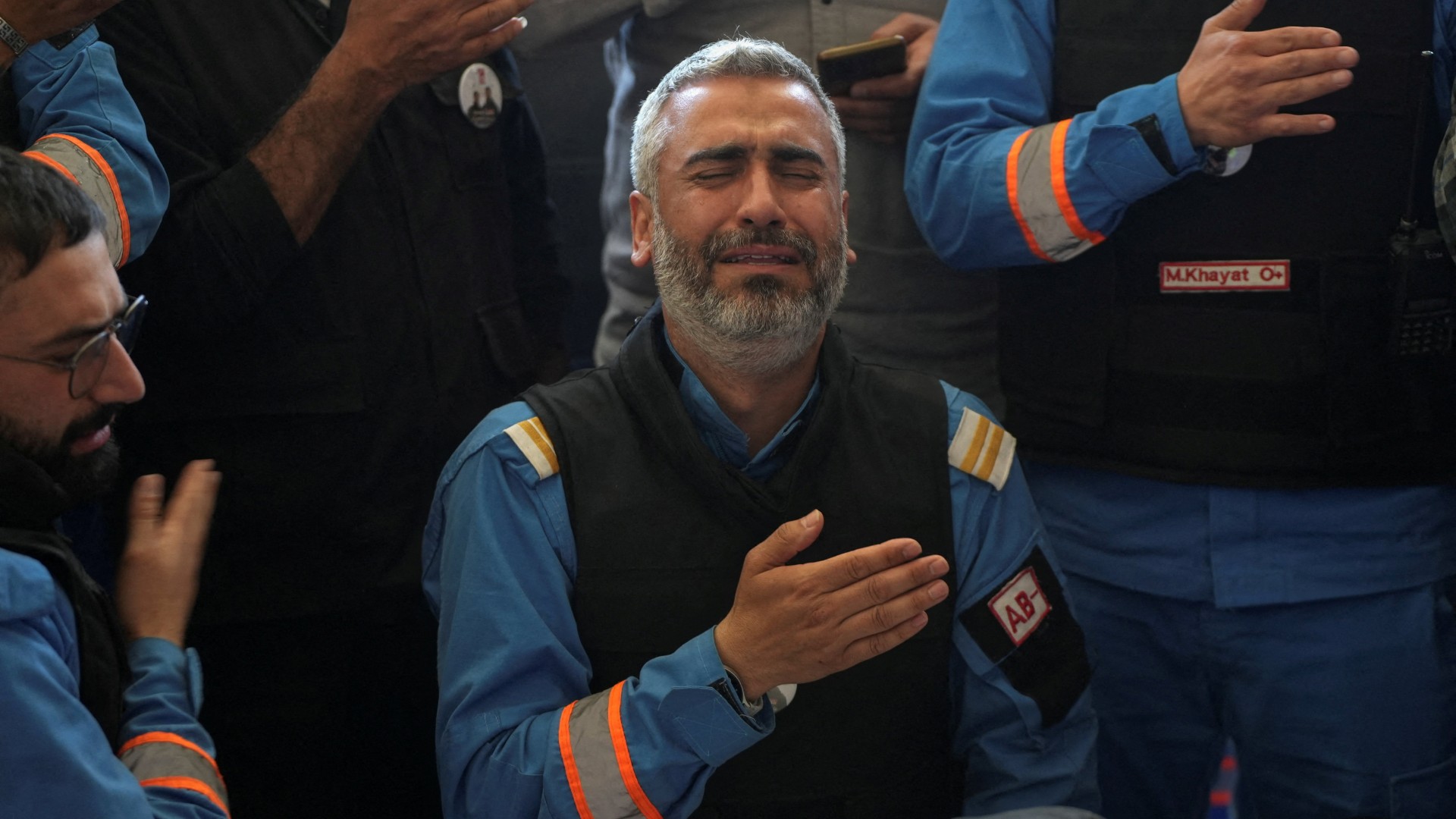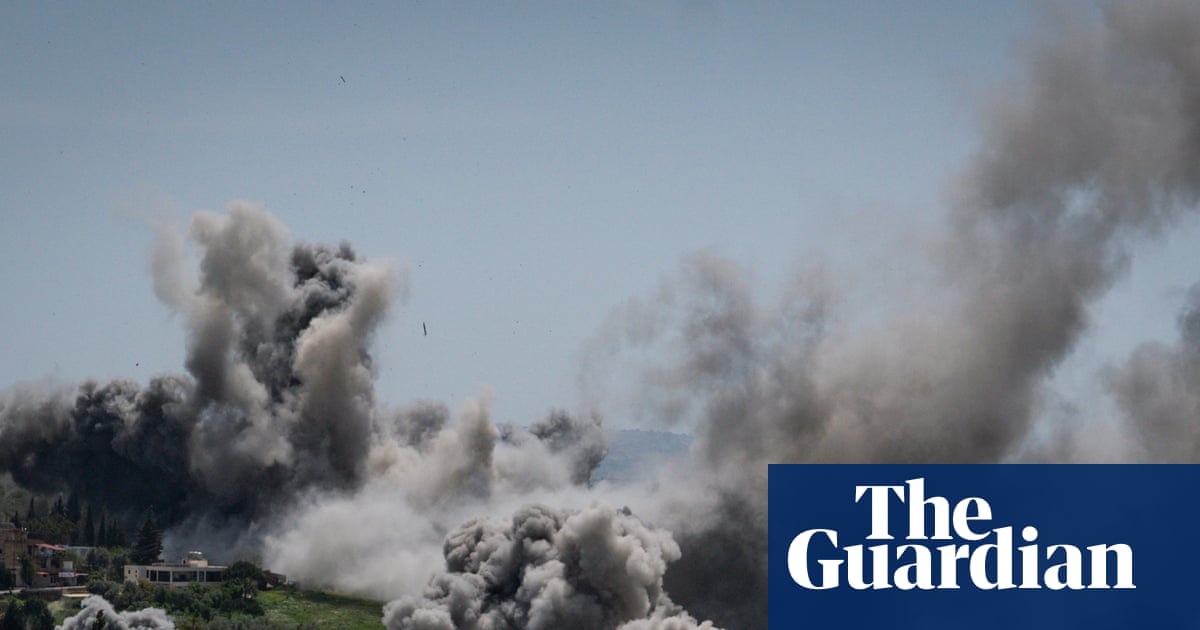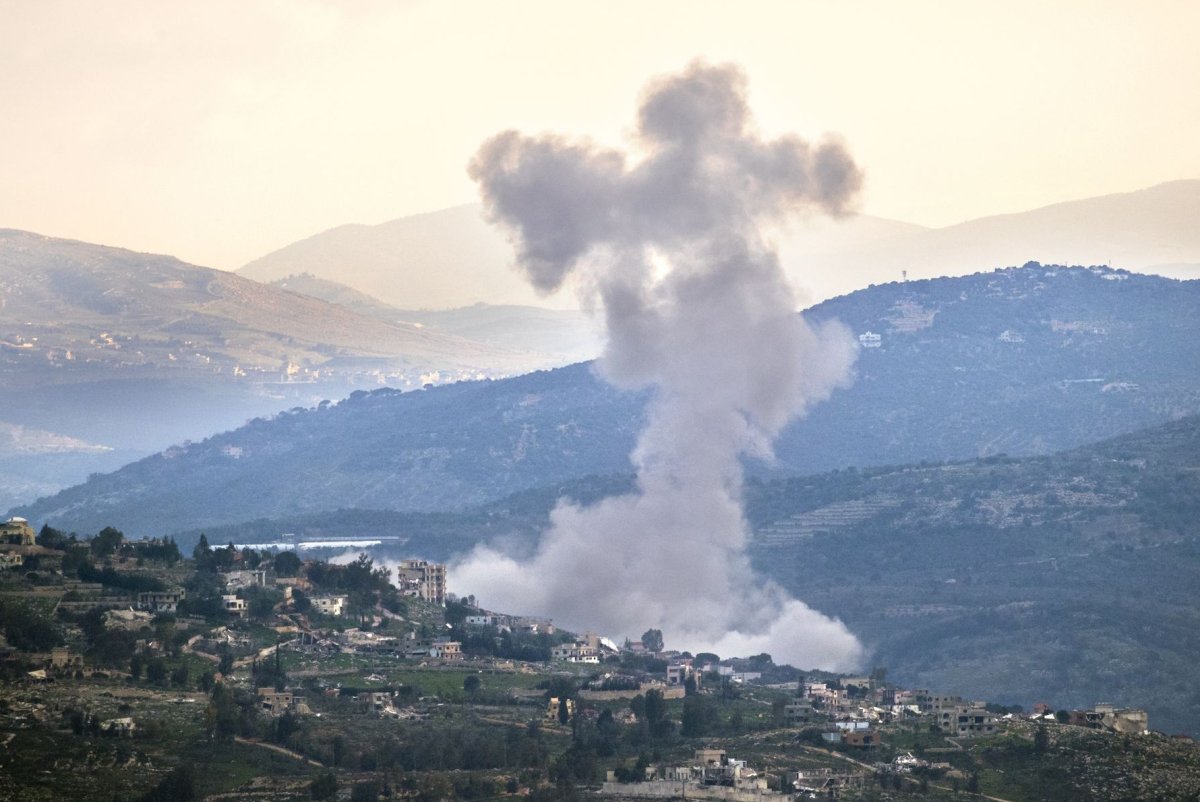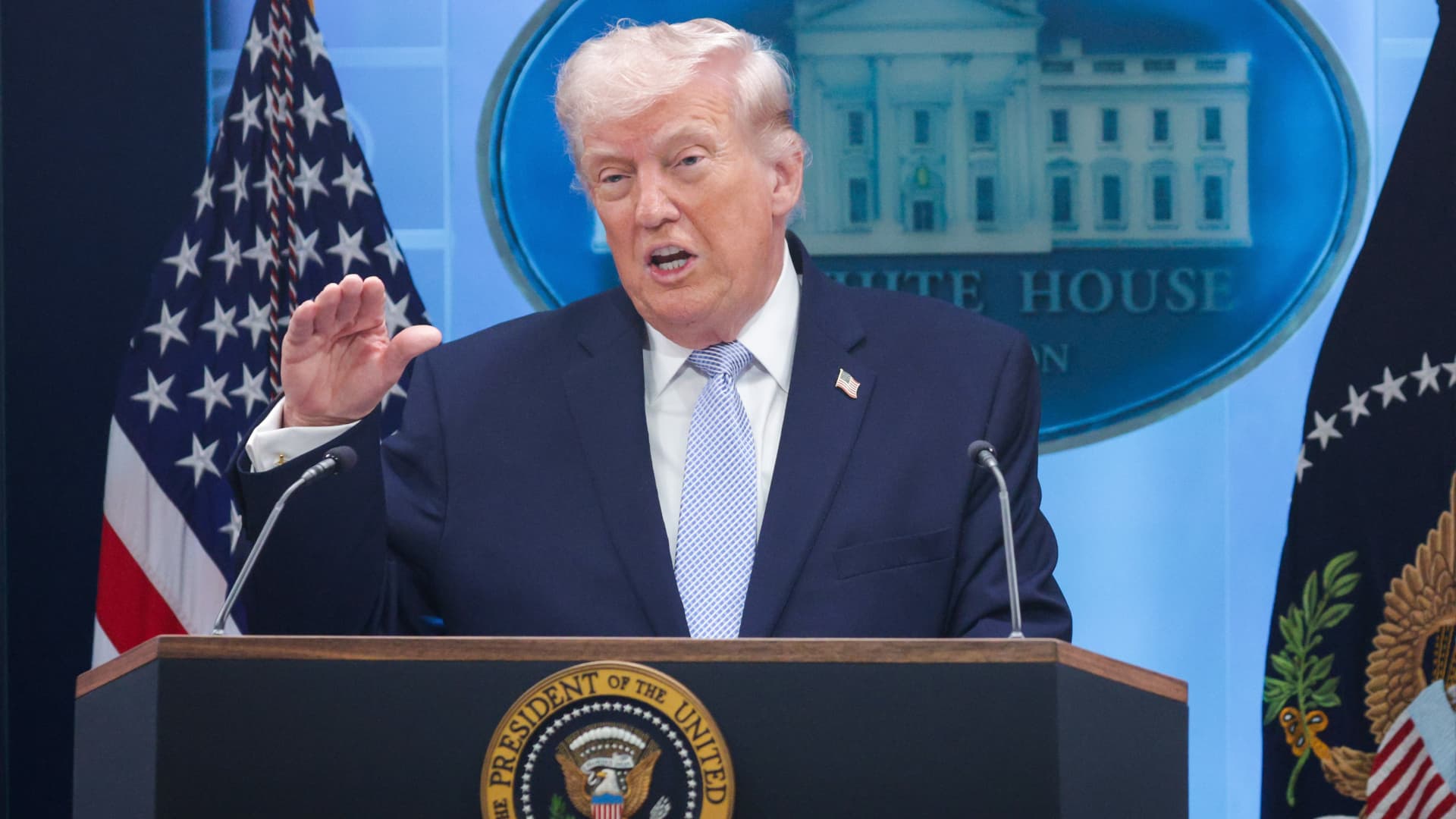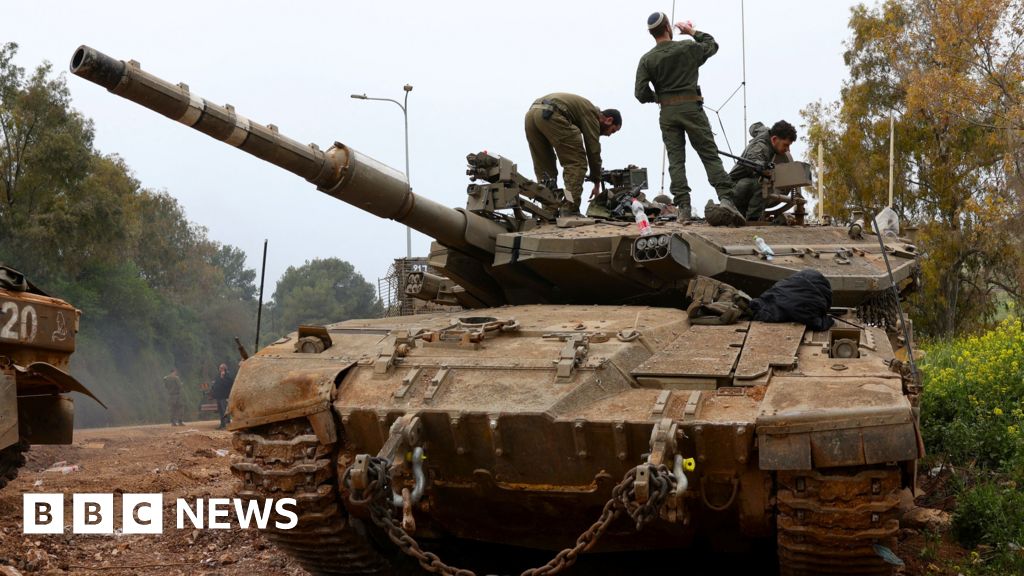
Israel and Lebanon have agreed to a 10-day ceasefire, Donald Trump said on Thursday, as he claimed credit for solving his “10th war”.The truce follows a month-long bombing campaign by Israel against targets it says are linked to the Iran-backed Hezbollah militant group.Lebanon, which has insisted on a ceasefire before engaging in more talks, says the Israeli army has killed more than 2,000 people in its country, including health workers and journalists, since the start of last month.The president invited the leaders of both countries to the White House for the first such high-level talks since 1983.He wrote on Truth Social: “It has been my Honor to solve 9 Wars across the World, and this will be my 10th, so let’s, GET IT DONE!”Ursula von der Leyen welcomed the 10-day ceasefire as “a relief”, adding that the war had “already claimed far too many lives”.Lebanon and Israel signed an agreement in 1983 saying Lebanon would formally recognise Israel, and Israel would withdraw from Lebanon. The deal fell apart during Lebanon's civil war and was formally rescinded a year later.Israel and Hezbollah on Thursday exchanged fire across the border, with Hezbollah targeting towns in northern Israel with rockets and drones. Israeli fire against southern Lebanon intensified, especially around the cities of Tyre, Nabatieh and the strategic town of Bint Jbeil near the border with Israel.Israel and Lebanon have technically been at war since Israel was established in 1948, and Lebanon remains deeply divided over diplomatic engagement with Israel.Israeli troops have pushed deeper into southern Lebanon to create what officials have called a “security zone”, which Israeli PM Benjamin Netanyahu has said will extend at five to six miles into Lebanon.Earlier, Pentagon chief Pete Hegseth warned that American forces are “locked and loaded” to attack Iran again if it does not agree to a deal after its current ceasefire.The US defence secretary warned the Iranian regime to “choose wisely”, as Pakistani mediators work to bring officials from Washington and Tehran back to the negotiating table. “We are reloading with more power than ever before, and better intelligence,” he told a news briefing. “We are locked and loaded on your critical dual-use infrastructure, on your remaining power generation, and on your energy industry. We’d rather not have to do it.”Officials from the US, including President Trump, have launched repeated threats against Iran in their attempts to push the regime towards accepting a deal on its terms. Pete Hegseth speaks during a briefing on the Iran war at the Pentagon in Washington (Reuters)High-level talks on Saturday, mediated by Pakistani officials, failed to produce an agreement with both sides appearing to remain far apart on key issues. A delegation from Pakistan arrived in Iran on Wednesday to convey a message from the US, but no date has been set for a resumption in talks, nor confirmation that they will actually take place.Continuing his warning, Mr Hegseth said: “You, Iran, can choose a prosperous future, a golden bridge, and we hope that you do for the people of Iran. But if Iran chooses poorly, then they will have a blockade and bombs dropping on infrastructure, power and energy.”At the centre of the ongoing gap in position between the US and Iran is the issue of the Strait of Hormuz, the critical waterway through which one-fifth of the world’s oil supply typically flows. The US imposed a blockade of the Strait earlier this week, seeking to ramp up pressure on the Iranian economy. But Washington has expressed optimism that the war is nearing an end, believing that the blockade could push Tehran to its limit. General Dan Caine speaks during a briefing on the Iran war, with a map in the background showing a blockade line on the Strait of Hormuz (Reuters)Addressing the Iranian leadership, Mr Hegseth said that the blockade “is the polite way that this can go”. General Dan Caine, the chair of the US military’s Joint Chiefs of Staff, who was present at the press briefing, said American forces are “ready to resume major combat operations at literally a moment’s notice”. On Thursday, China’s foreign minister Wang Yi said the priority was to push the two sides back towards the negotiating table, noting the “serious impacts the protracted conflict has had on international energy security and the security of shipping routes in the Strait of Hormuz”.Beijing had told Iran earlier on Thursday that it must reopen the Strait of Hormuz. One fifth of the world’s oil supply typically passes through the Strait of Hormuz (Reuters)It came one day after Trump vowed to reopen the strait “for China” in an unusual concession to a trade rival, promising the “situation will never happen again”. He claimed Xi Jinping would “give me a big, fat hug when I get there in a few weeks”, referring to a planned visit to Beijing. In the press conference, Gen Caine said that US Navy ships would pursue any Iranian-flagged vessel that attempted to provide material support to Iran. Such ships would be intercepted, and he warned that “if you do not comply with this blockade, we will use force”. Enforcement, Gen Caine added, would occur inside Iran’s territorial seas and in international waters.
Trump claims credit for 10-day Lebanon ceasefire as Hegseth threatens Iran
‘I have solved nine world wars and this will be my 10th’ says president
863 words~4 min read