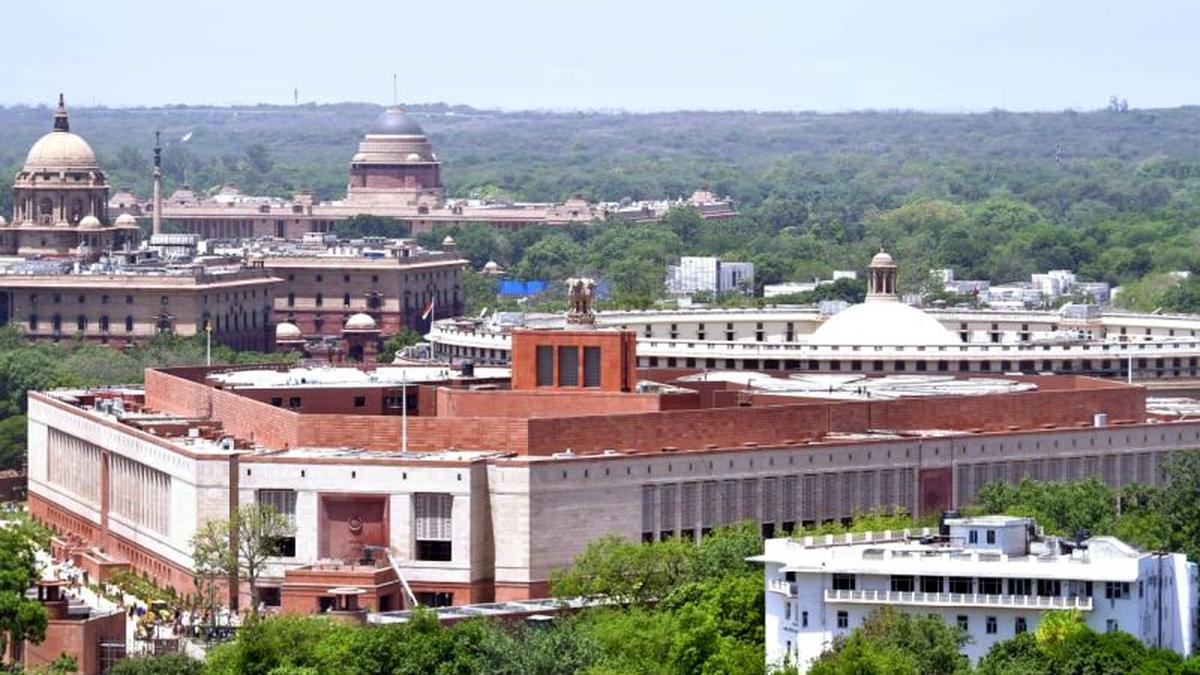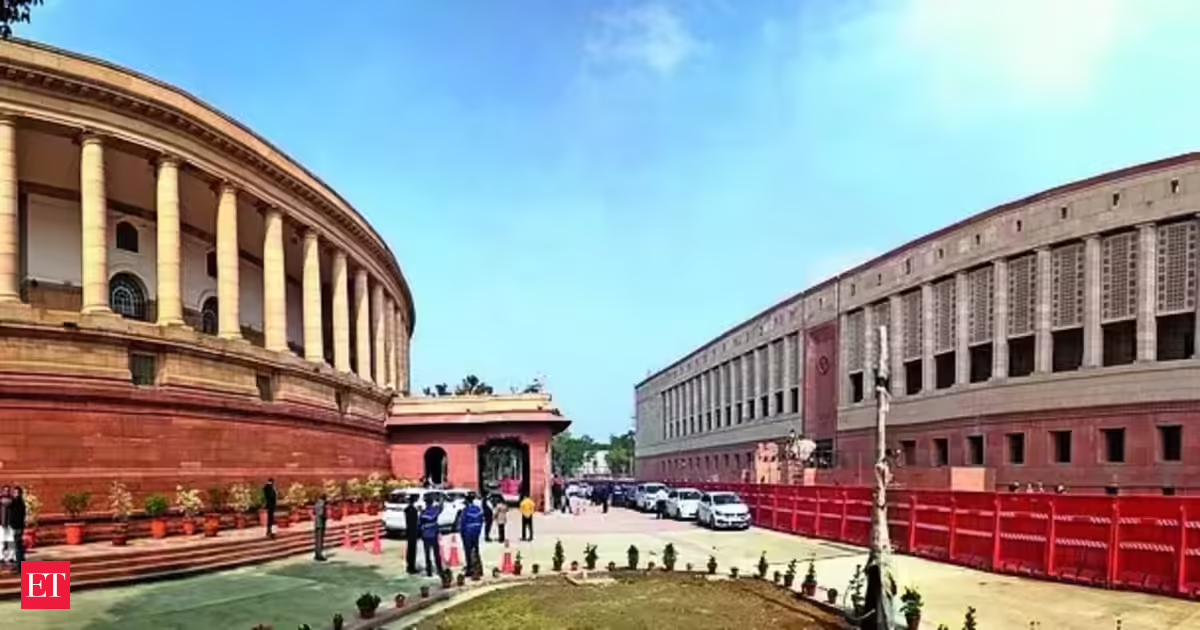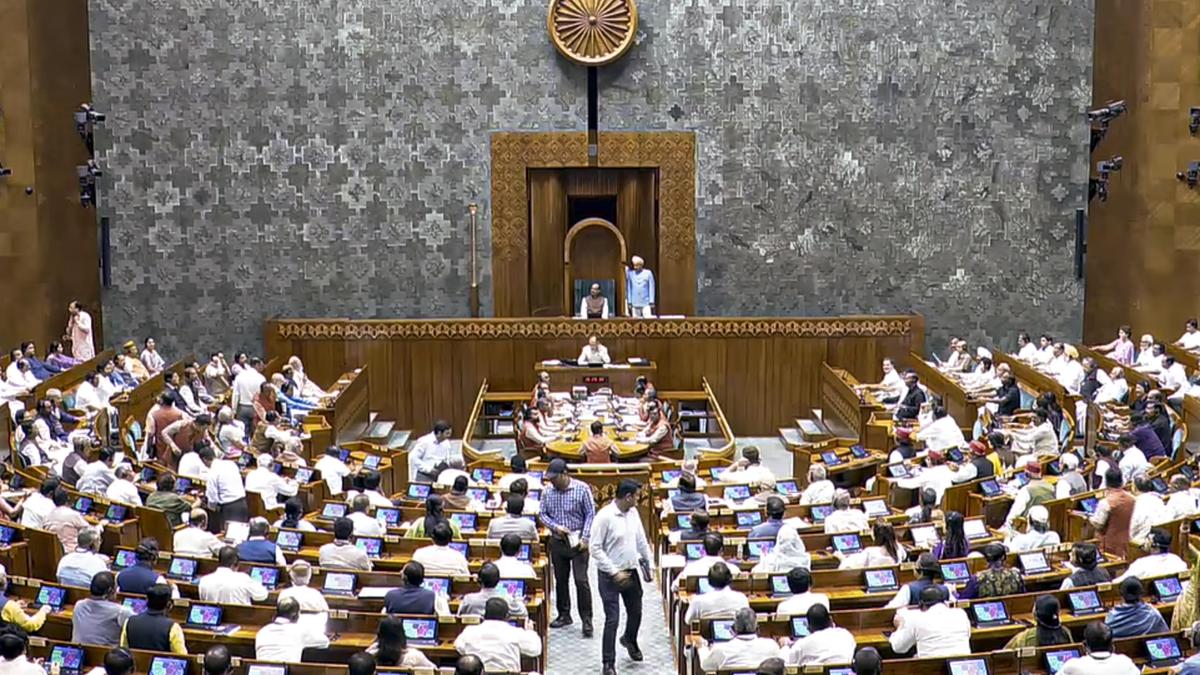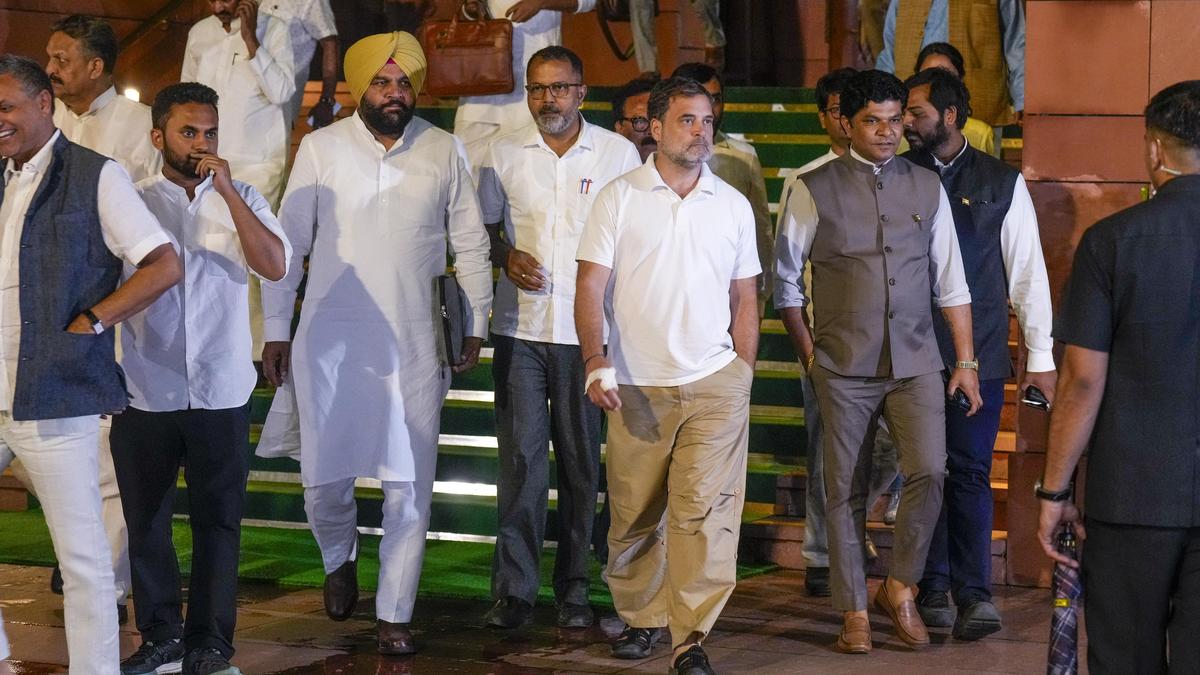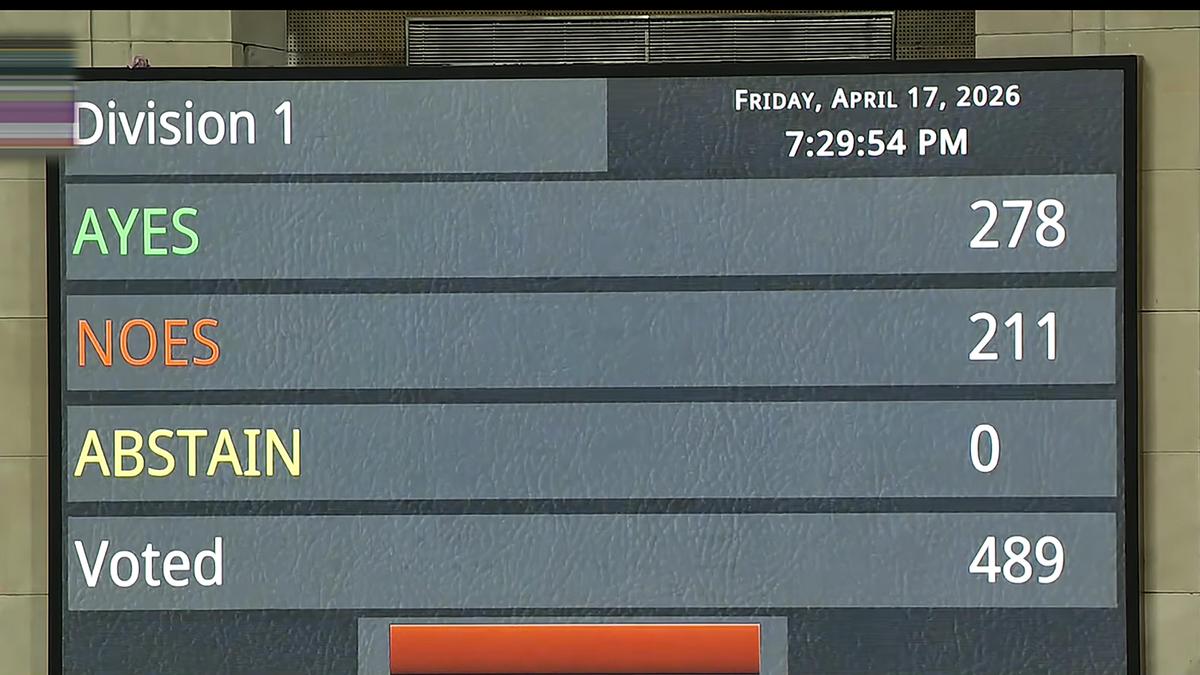
With the Lok Sabha discussing The Constitution (One Hundred and Thirty-First Amendment) Bill, 2026, seeking to increase the size and composition of Lok Sabha and State Legislative Assemblies, government is reaching out to Opposition parties to gather support. Several opposition parties, including All India Trinamool Congress (TMC), Dravida Munnetra Kazhagam (DMK), Biju Janata Dal (BJD), and Congress have lodged vehement protest against the proposed change, and have reached out to ruling party allies to oppose the Bill.
How delimitation based on 2011 Census will redraw India’s political map
In a bid to effect these changes, the ruling Bharatiya Janata Party (BJP) would seek to amend the bill in both houses of the parliament. By which, it would supersede the existing allocation, connected with the 1971 Census, with an open-ended formula enabling parliament to choose Census by ordinary law.
The process of passing a Bill that amends the Constitution is slightly different from the passage of government or a private member Bill.
The power to amend the Constitution is vested upon the Parliament. A Constitution Amendment bill can be introduced in either House of Parliament.