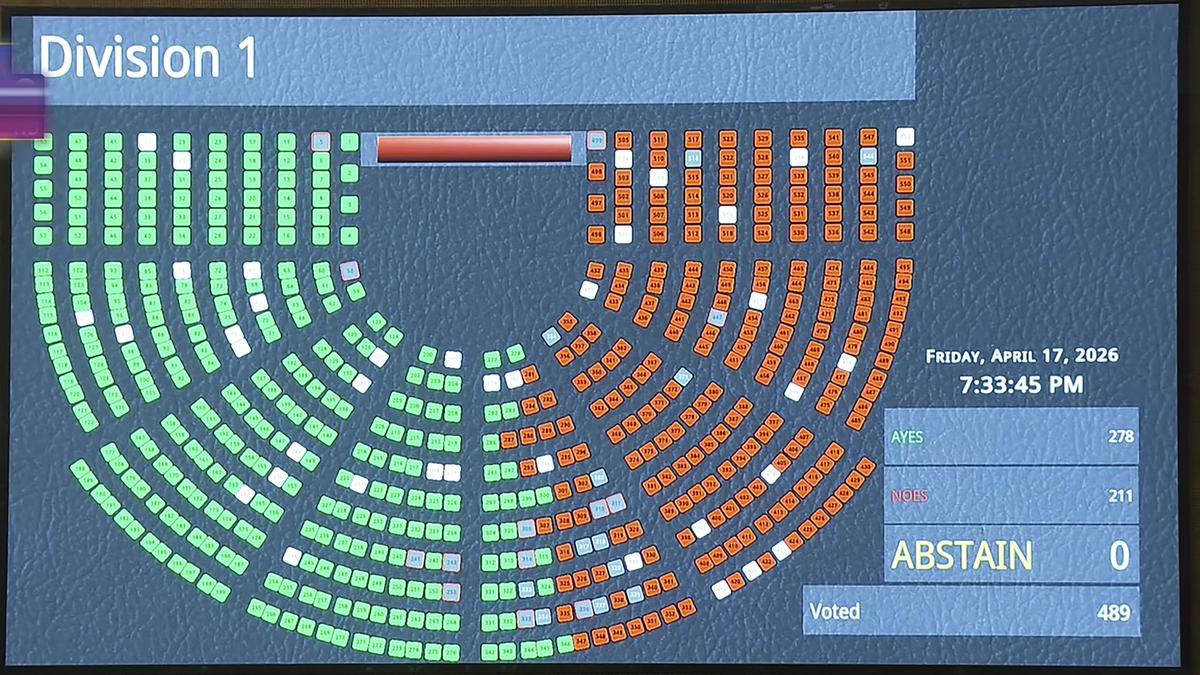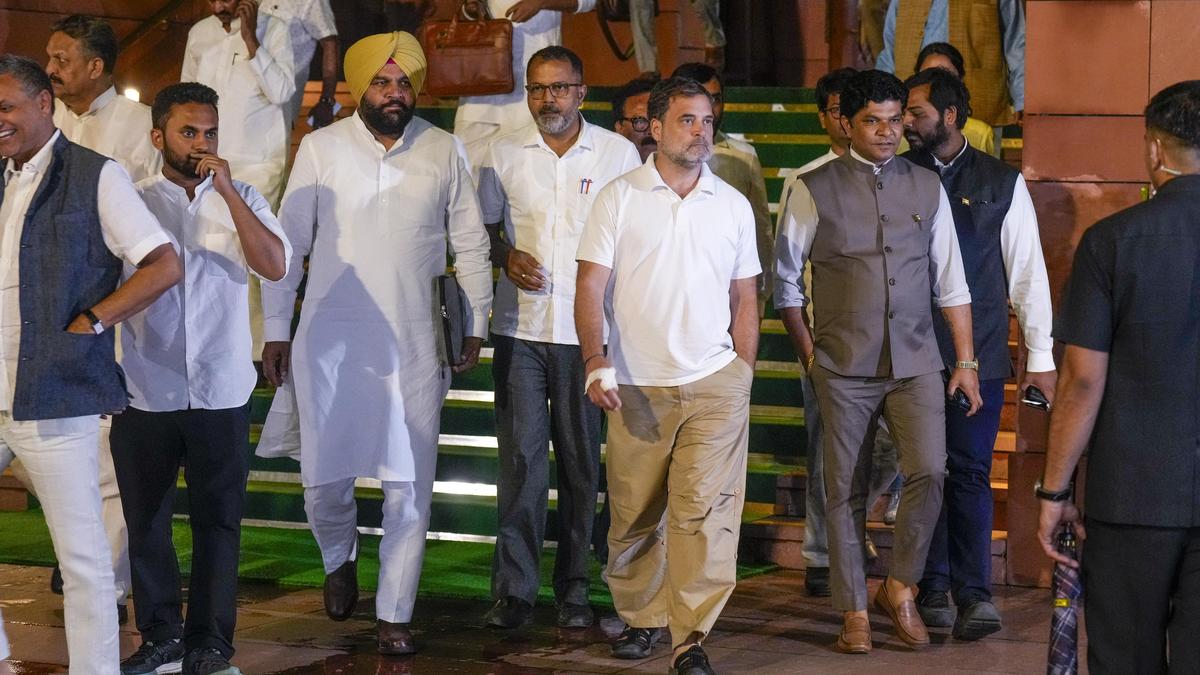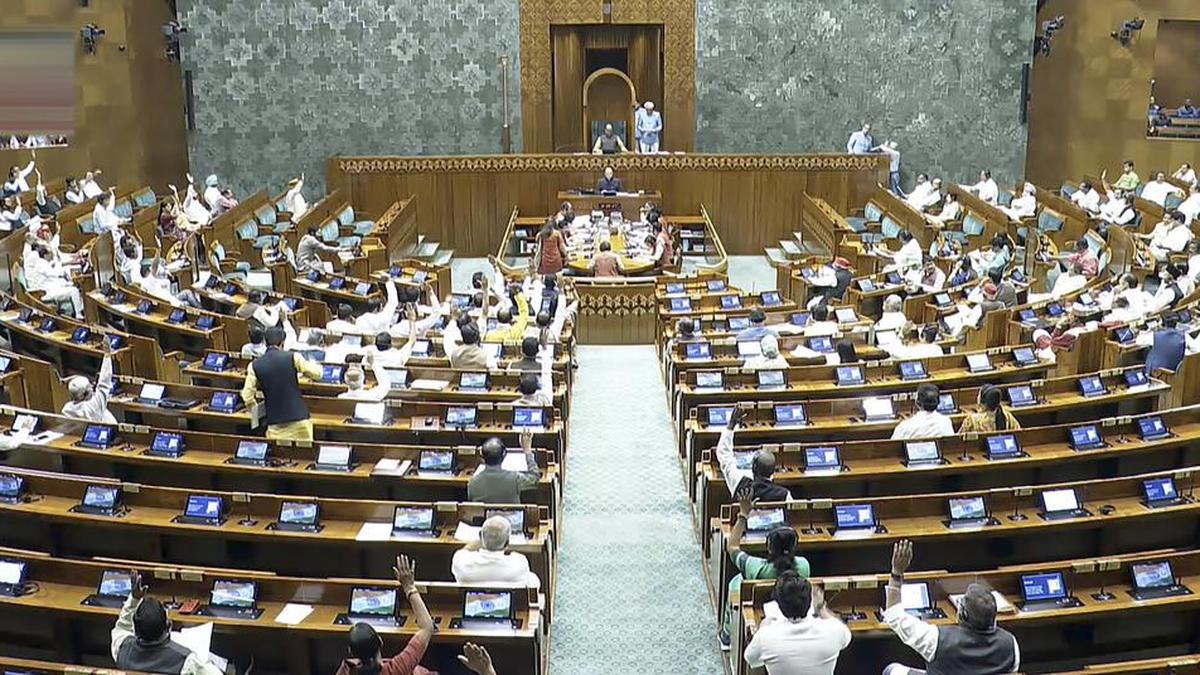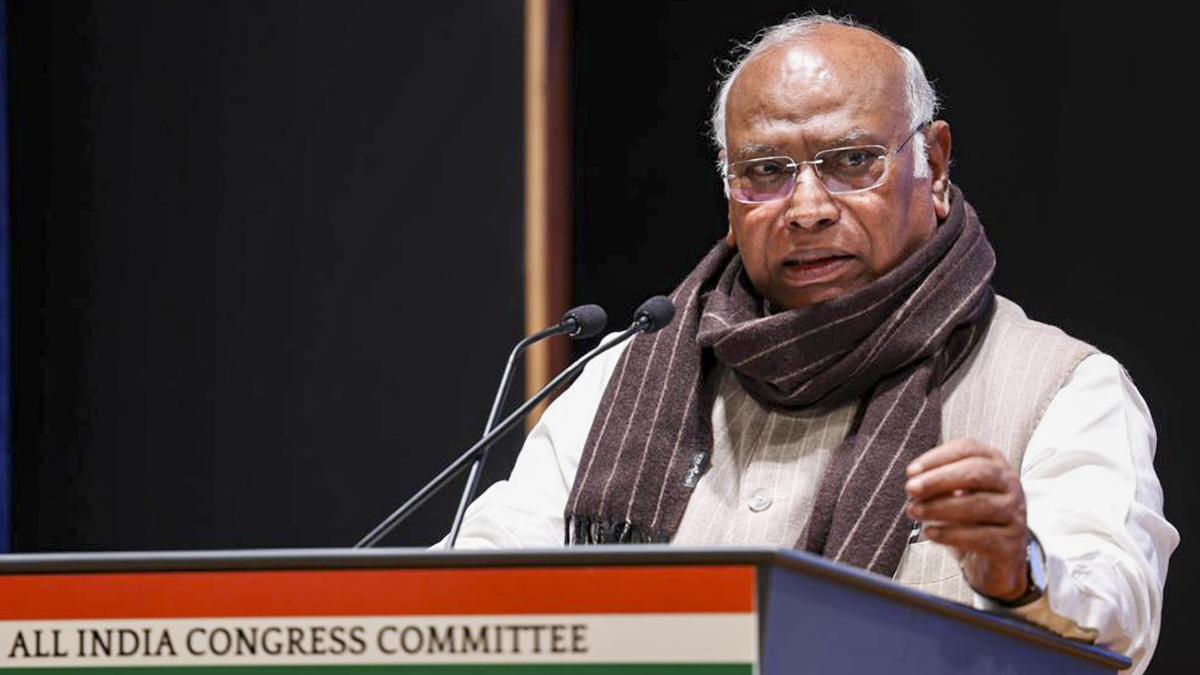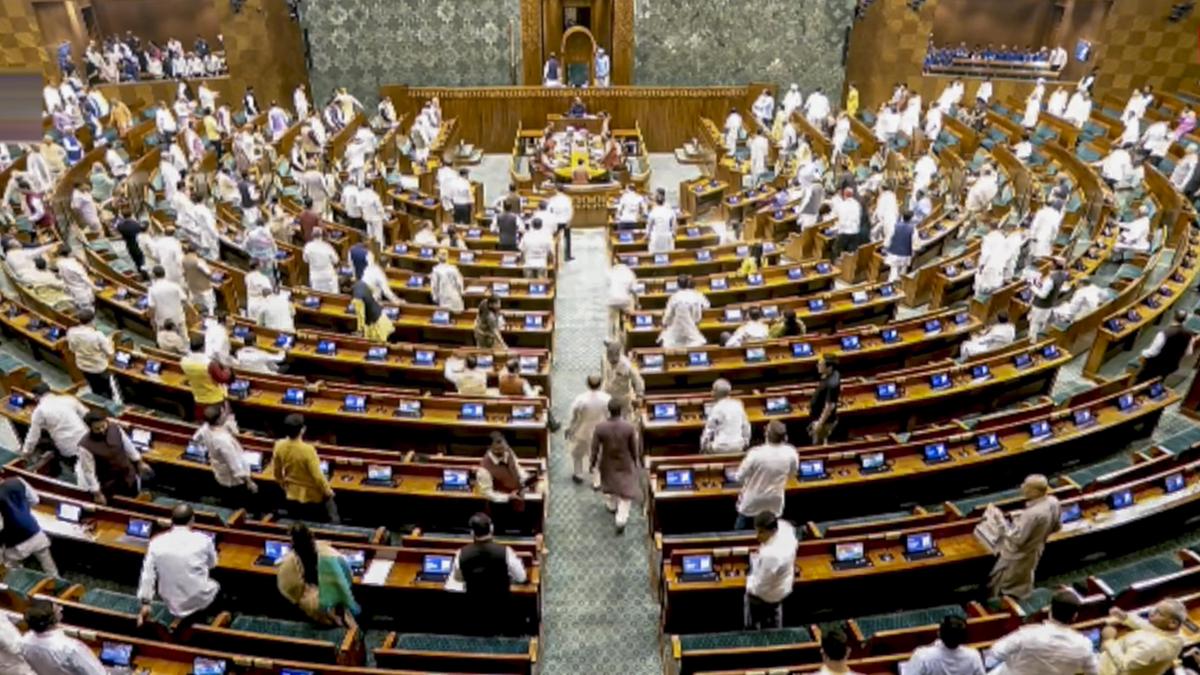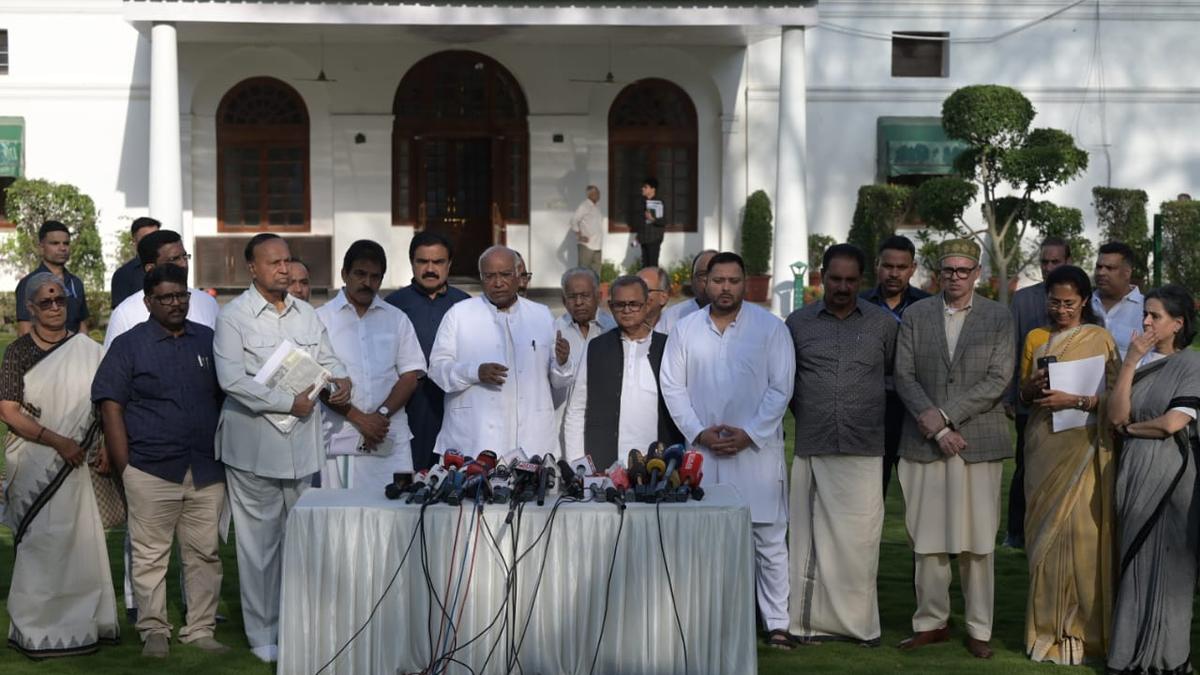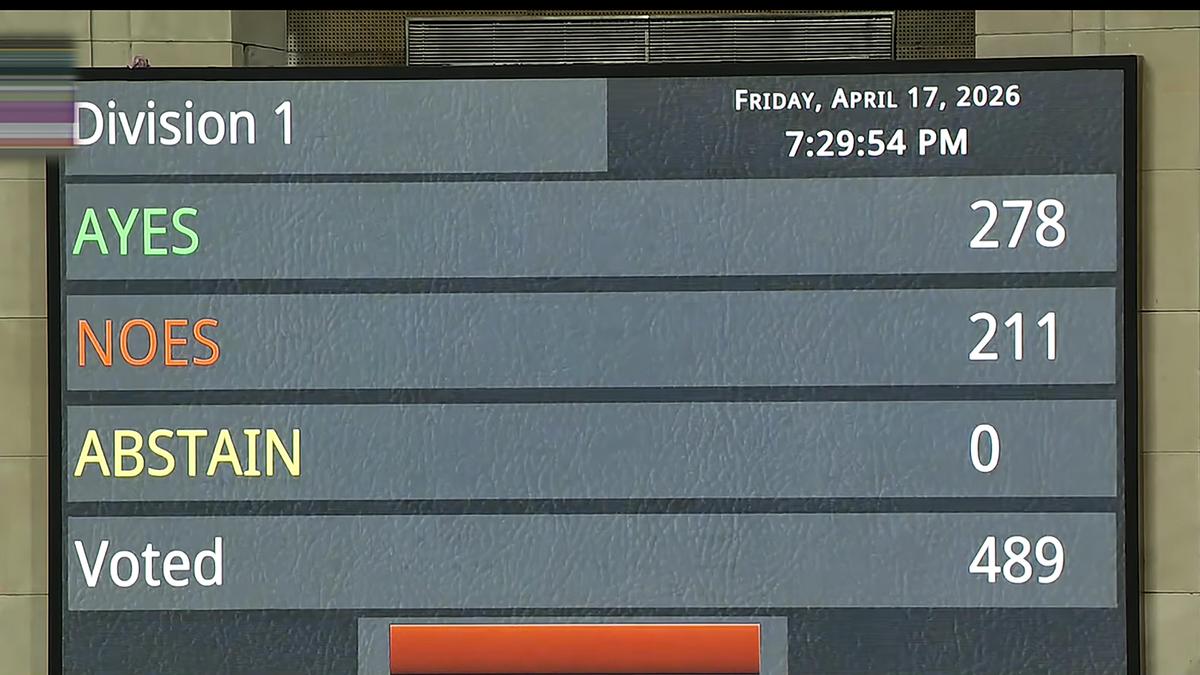
A unified Opposition scored a victory in Parliament on Friday (April 17, 2026), when they defeated the Constitution (131st Amendment) Bill, 2026 — a legislation that sought to increase the strength of the Lok Sabha by 50% and redistribute seats based on the 2011 Census to expedite the implementation of women’s reservation.
This unity, however, was neither automatic nor obvious.
Can women’s quota be implemented before 2029 general elections?
The government began consultations in the third week of March. On March 19 and 20, Home Minister Amit Shah held two separate meetings with senior leaders of the Dravida Munnetra Kazhagam (DMK) and the Samajwadi Party (SP). Considering the delimitation as inevitable, the two delegations initially came away largely convinced of the legislation, given especially the government’s promise of a uniform 50% increase in each State’s share of Lok Sabha seats.
On March 24, Tamil Nadu Chief Minister M. K. Stalin reiterated in a post on X that “current proportional representation of States should not be disturbed under any circumstances”. His objection to the government’s plan was the timing of the extended Budget session in the middle of the election campaigns and, therefore, he requested that the session be called in early June to “enact these historic constitutional amendments for delimitation, increase of seats and continuation of the current share of representation of States.” In addition, he wanted a guarantee that such representation would continue for the next 30 years.