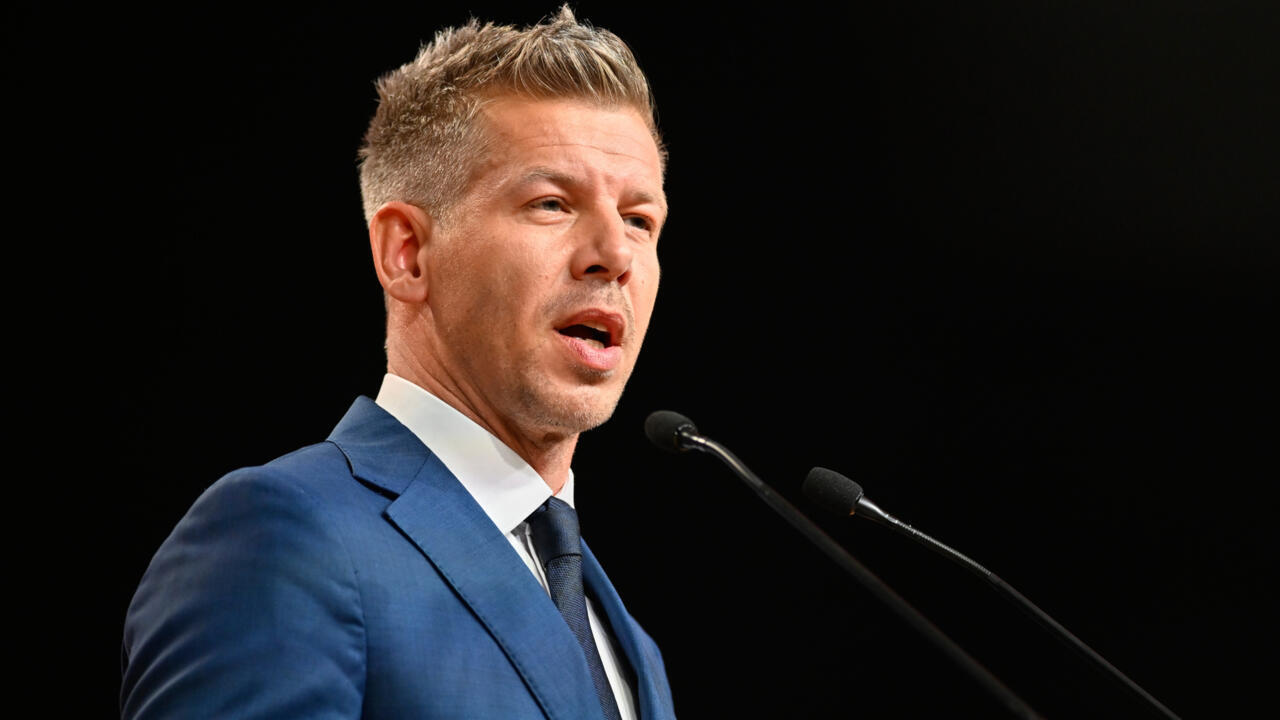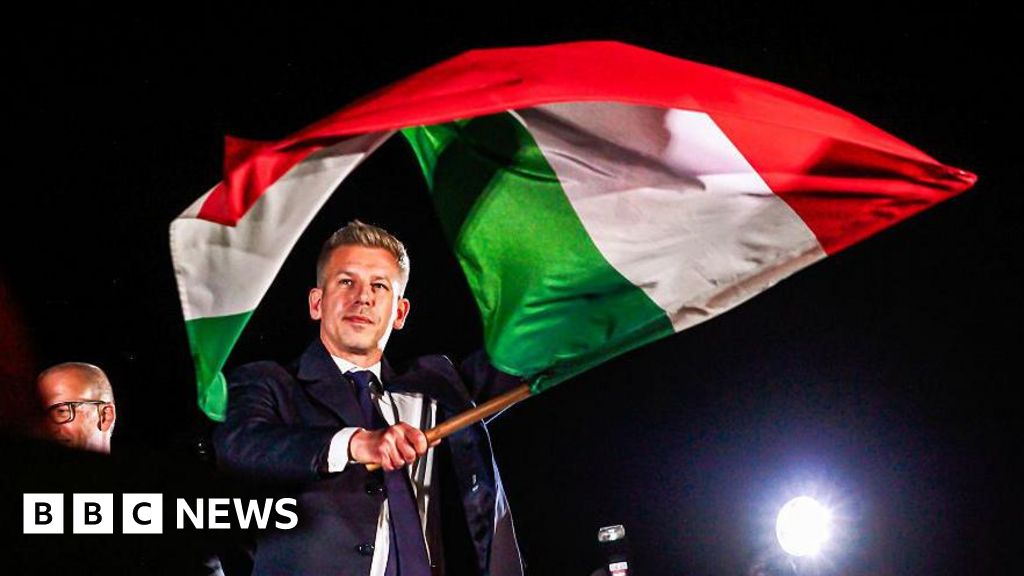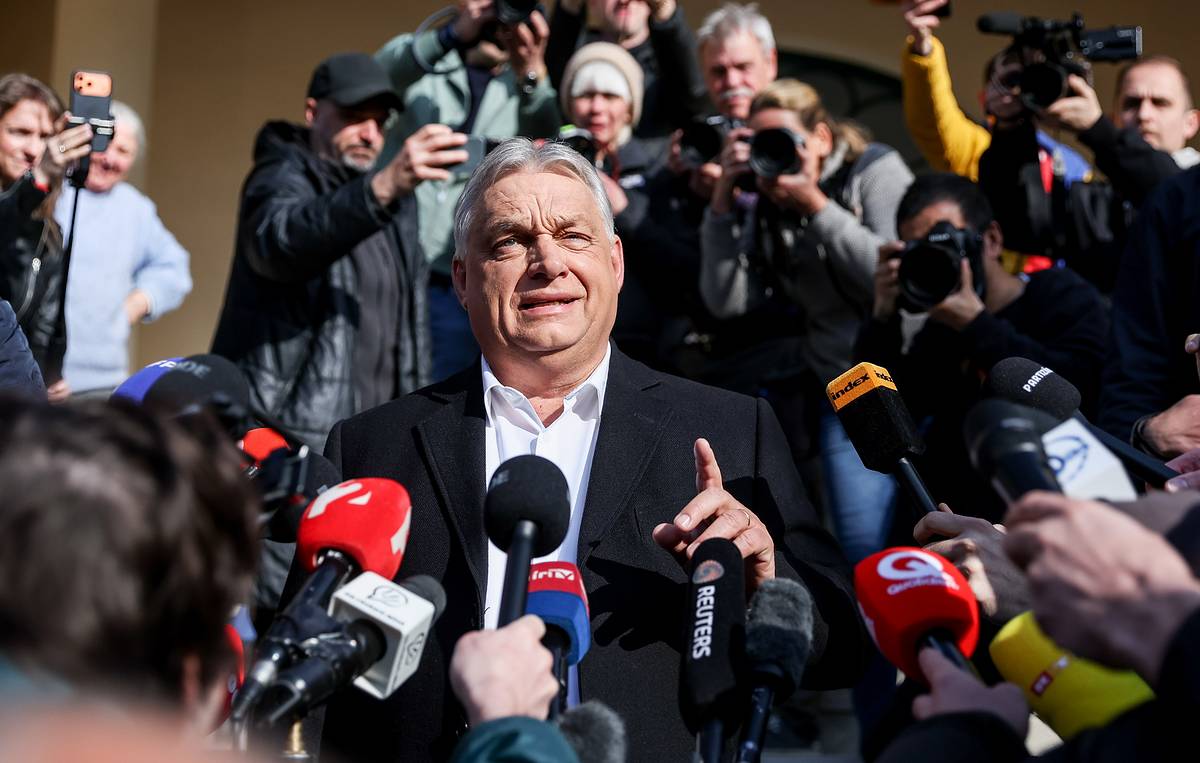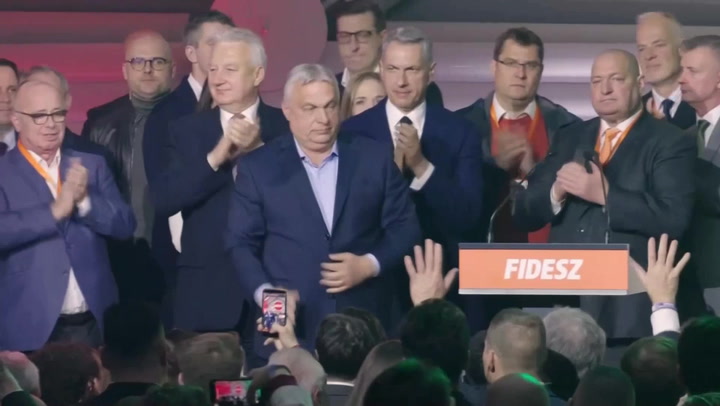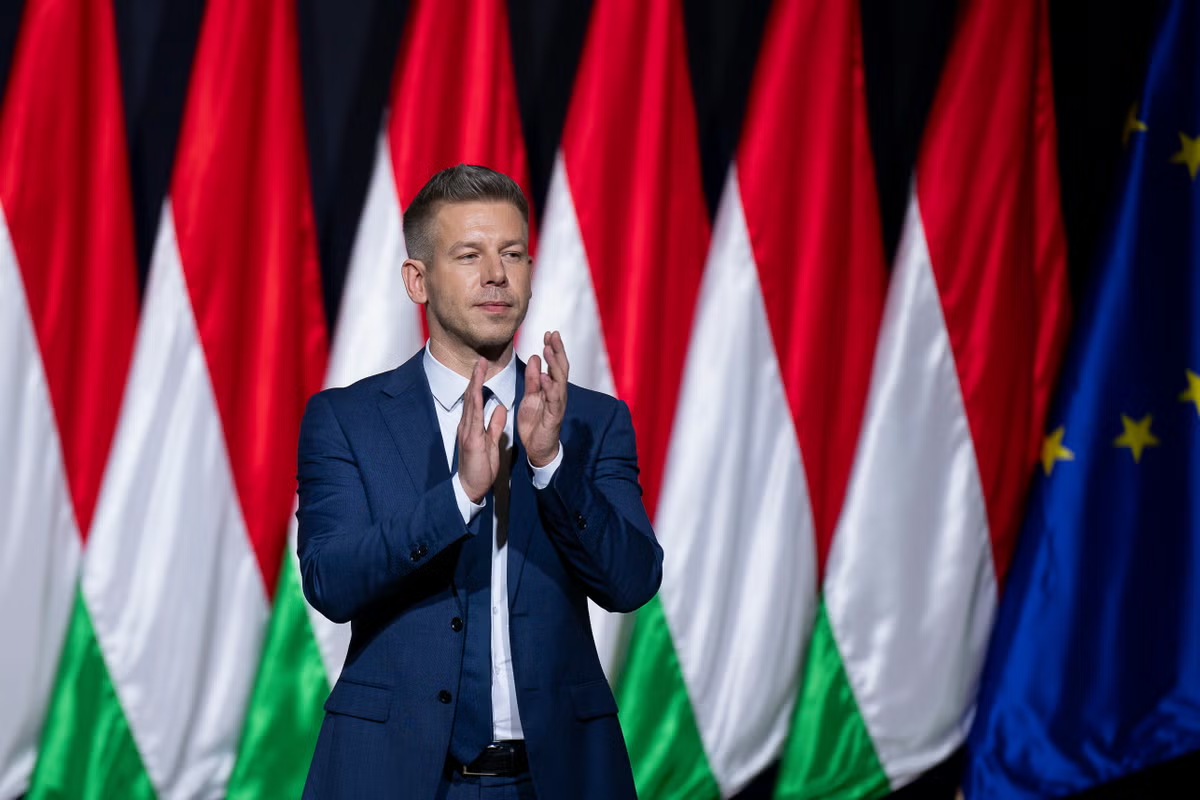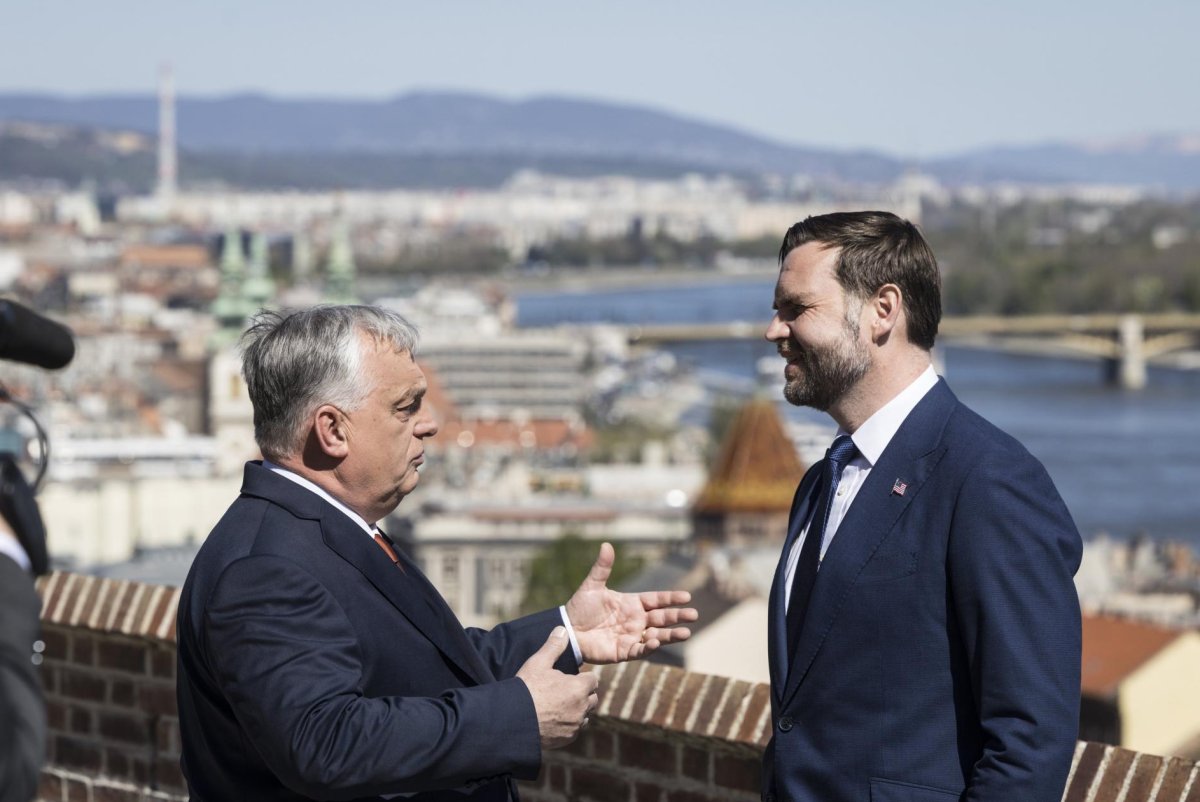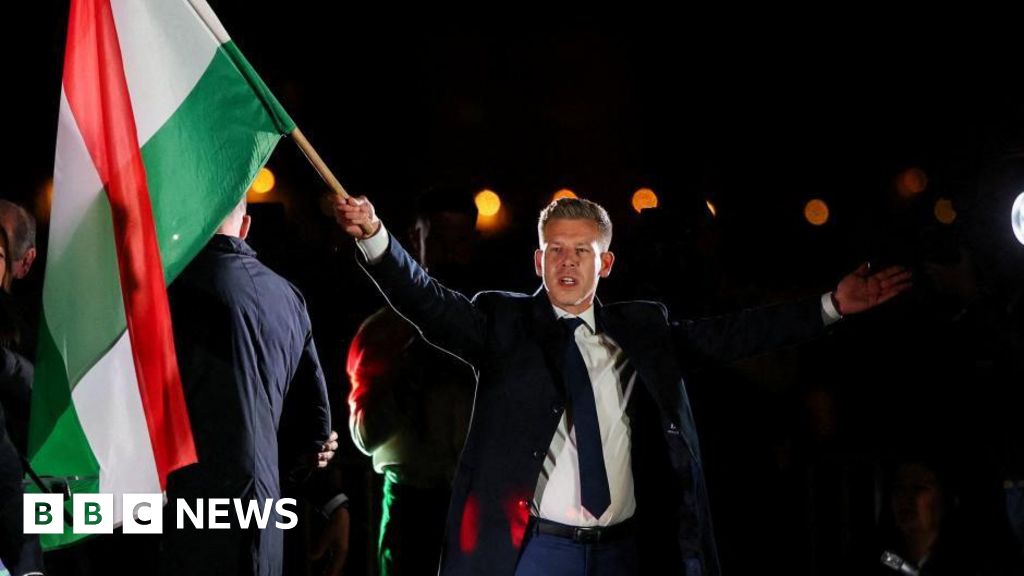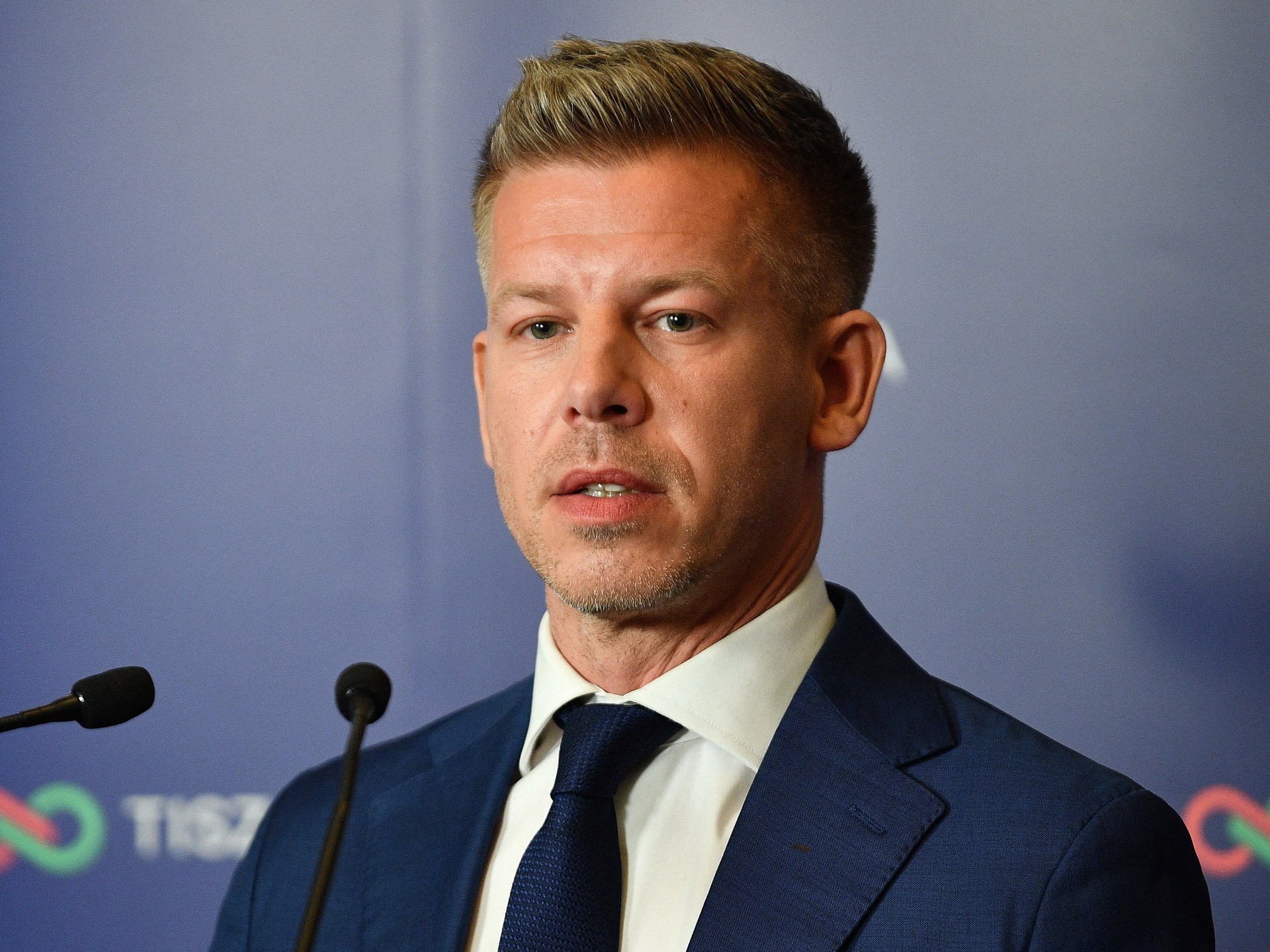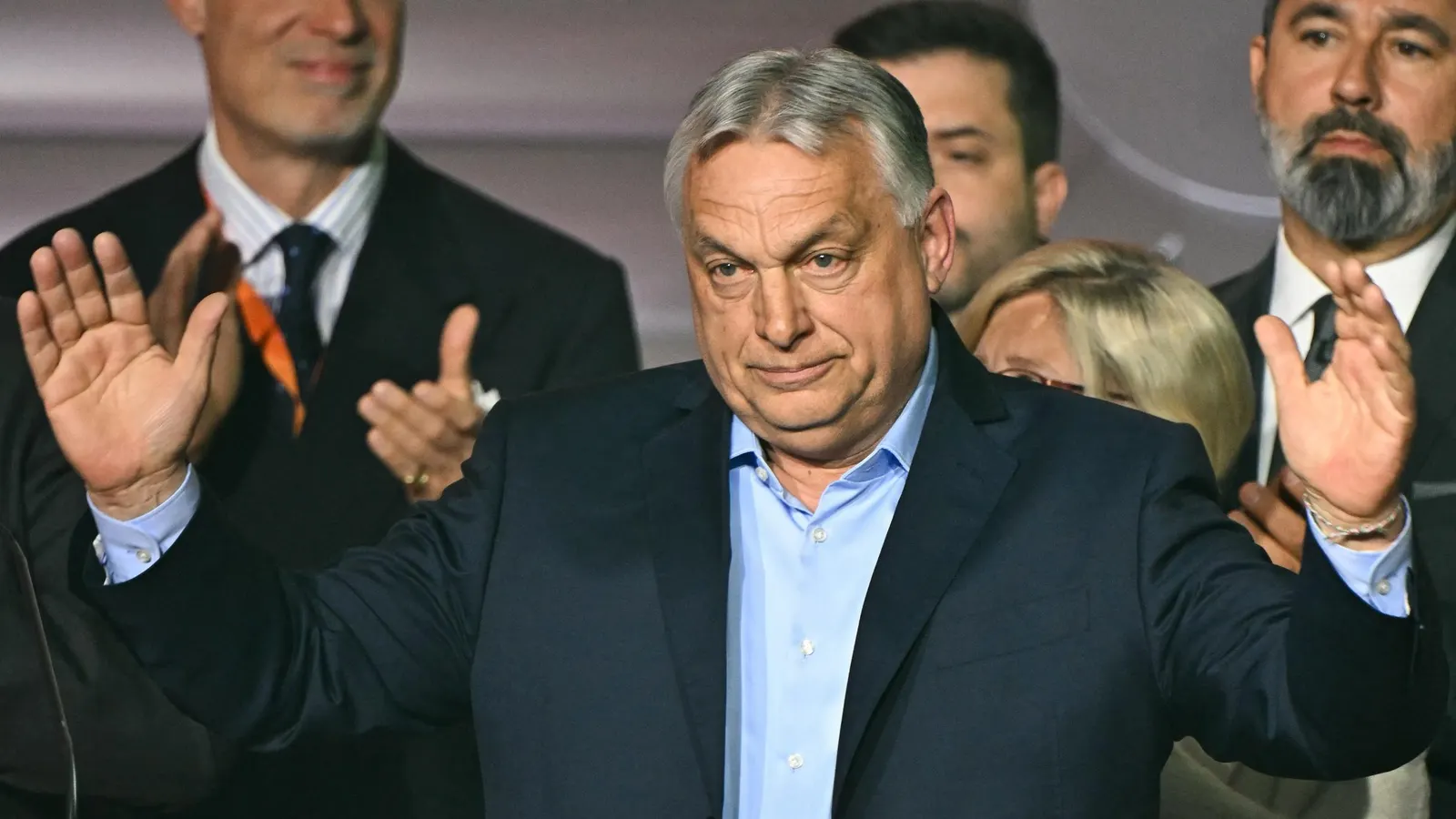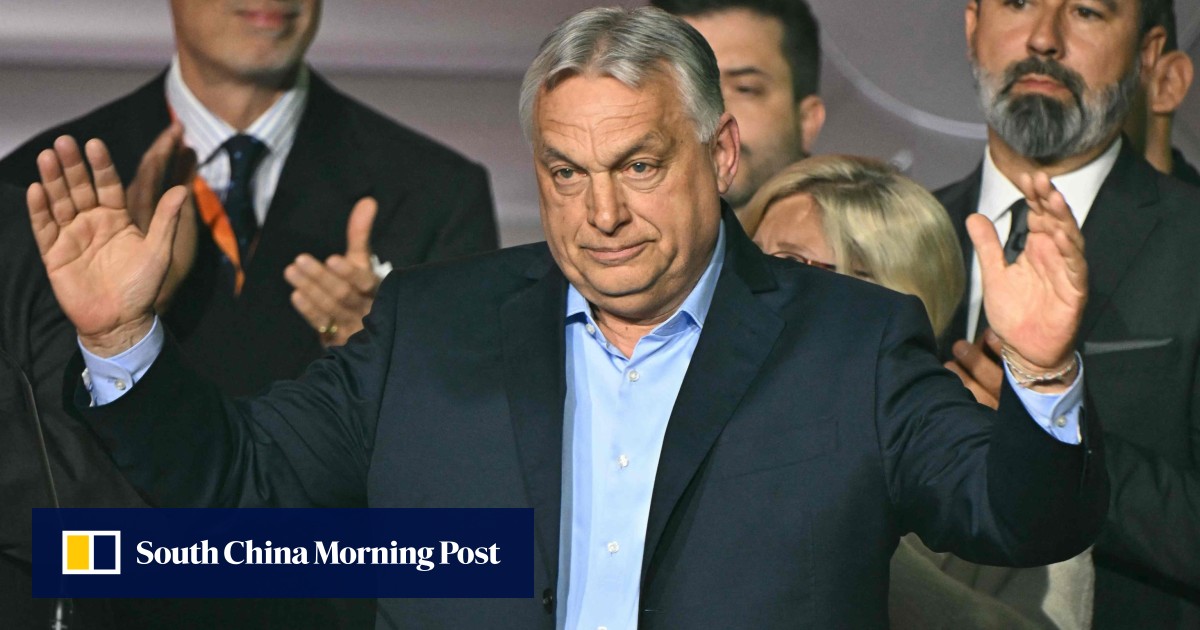
The story so far:In Hungary’s general elections held on April 12, Viktor Orban (63), the Christian nationalist Prime Minister who had been in power since 2010, slumped to a shock defeat. His party, Fidesz, won only 55 seats (37.8% vote share) in the 199-member National Assembly. The Opposition Tisza Party, led by Peter Magyar (45), a former Fidesz leader, secured a two-thirds majority with 138 seats (53.6% of the vote), while the far-right Mi Hazank (Our Homeland Movement) won six seats (5.8% vote share).What is the significance of Orban’s defeat?Under Mr. Orban, Hungary had effectively become an electoral autocracy. In 2011, he used his two-thirds majority in the National Assembly to pass a new Constitution that centralised power and eroded democratic checks and balances. A new law forced hundreds of judges to retire, who were then replaced by Orban loyalists, weakening judicial independence. He secured near-complete control over the media by selectively channelling government advertising and ensuring that critical outlets were either shut down or taken over by his loyalists.He also manipulated Hungary’s electoral system to his advantage through various means that favoured large parties like Fidesz, including granting voting rights to non-resident ethnic Hungarians in Central Europe and gerrymandering (redrawing electoral constituency boundaries to suit his party). These changes helped him win consecutive elections. With pollsters predicting another term for Mr. Orban, his loss came as a shock to the world.Given how he had altered Hungary’s democratic landscape and foreign policy and sought to project Hungary as a model for ‘illiberal democracy’, his exit assumes historic significance.What were the reasons for his defeat?Political analysts have flagged four major reasons: a stagnant economy, high unemployment, a broken healthcare system, and a strong anti-corruption campaign led by Mr. Magyar. The rise of Gen Z voters also played a part. It was a key factor in the 76.5% voter turnout — the highest since Hungary’s post-1990 democratic transition — indicating a widespread sentiment that this was a high-stakes election.A growing public perception that Mr. Orban was running a ‘kleptocracy’, along with a stuttering economy — its GDP growth rate of 0.4% in 2025 was the lowest of all its eastern European neighbours and well below the EU average of 1.4-1-6% — was a double blow that led to mass discontent and a yearning for change.Who is Peter Magyar?A former ally of Mr. Orban, Mr. Magyar broke away from the party and resigned from all government positions in 2024 following a political scandal in which the then-President had pardoned the head of a children’s home who had been convicted of covering up child sexual abuse.Mr. Magyar utilised the scandal to reposition himself from a system insider to an Opposition leader. He amplified it by releasing a politically damaging audio recording of his ex-wife, Judit Varga, who was Justice Minister at the time and had countersigned the pardon. The recording was made secretly when they were still married.Founding a new political party would have taken time and posed administrative hurdles, so Mr. Magyar joined the little-known Tisza party to contest the European Parliament elections. He won, becoming a Member of the European Parliament (MEP) in 2024. Soon after, he conducted a series of high-decibel media interviews and public rallies in which he accused the Orban regime of rampant corruption, repeatedly claiming that “a few families own half the country”.Ahead of the 2026 elections, he campaigned extensively across Hungary, advocating urgent change with the slogan, “Now or never”. His mass mobilisation efforts paid off.Does Magyar represent a clean break with the Orban era?Yes and no. Mr. Magyar has the two-thirds ‘supermajority’ needed to roll back the anti-democratic constitutional changes made by Mr. Orban, and he has promised to do so. He has also called on all of Mr. Orban’s ‘puppets’ in the government to resign. Hungary’s institutions, especially the judiciary and academic institutions, could regain some of their lost autonomy.On the foreign policy front, there will be a clear break from Mr. Orban’s pro-Russia, anti-EU stance, with Mr. Magyar going the other way — pro-EU and anti-Russia. In fact, his election rallies were marked by chants of “Ruszkik, haza!” (“Russians, go home!”) — a reference to the Hungarian revolution of 1956, when the country was under Soviet occupation, and an expression of resentment at Mr. Orban’s close ties to Moscow. However, while he is likely to reduce Russian influence in government and support the EU’s $103 billion loan package to Ukraine — which Mr. Orban had blocked — he is not in favour of accelerating Ukraine’s EU membership and is wary of being seen as overly pro-Kyiv. At the same time, he aims to reduce Hungary’s dependence on Russian energy.On immigration, Mr. Magyar could end up being tougher in material terms. He wants to cut back on the guest worker programme to protect Hungarian wages.Does Orban’s defeat mark the limits of populism?Mr. Orban’s populism had served as an ideological inspiration for similar political formations across the world, including the MAGA movement. Vice President J.D. Vance even visited Hungary to lend his weight to Mr. Orban’s election campaign.The combination of a skewed electoral system, an unlimited campaign war chest, and a clueless Opposition had made Mr. Orban appear invincible for 16 years. But a new political party led by an energetic leader demonstrated that even in an electoral autocracy, if the Opposition hits the streets and successfully engages younger voters, it may not be impossible to defeat a dispensation that uses populist policies as a cloak for rampant cronyism and economic mismanagement.
What changed in Hungary’s election? | Explained
Viktor Orban suffered a shock defeat, with a growing perception of a “kleptocracy” and a stuttering economy leading to mass discontent and a yearning for change. Peter Magyar led a strong campaign marked by anti-corruption messaging and mass mobilisation, securing a two-thirds majority and signalling a potential rollback of Orban-era changes.
916 words~4 min read