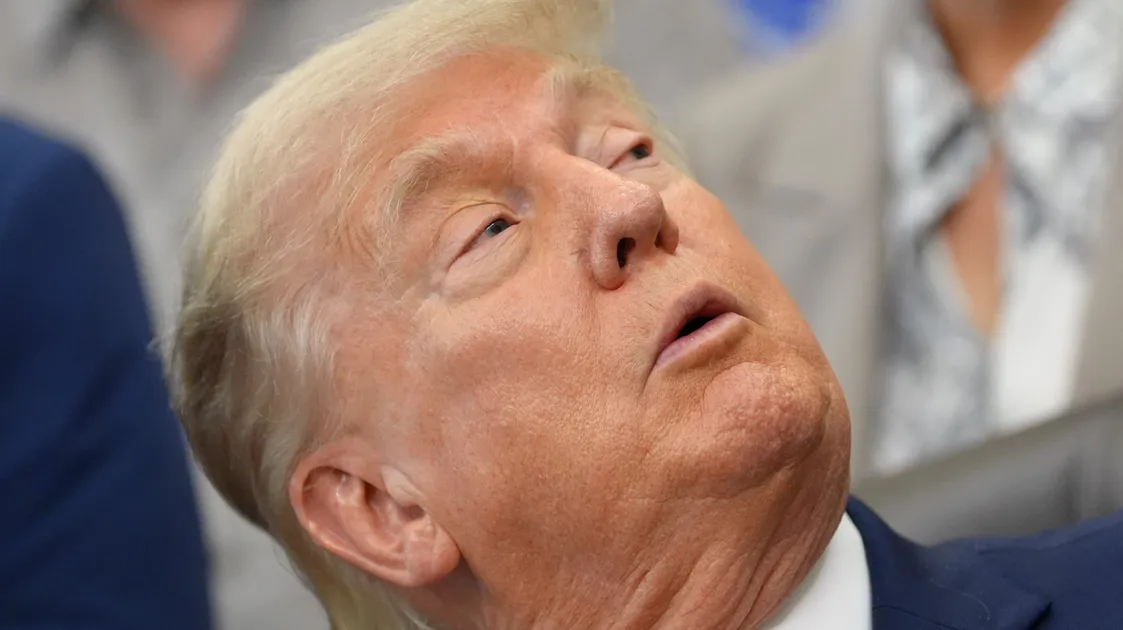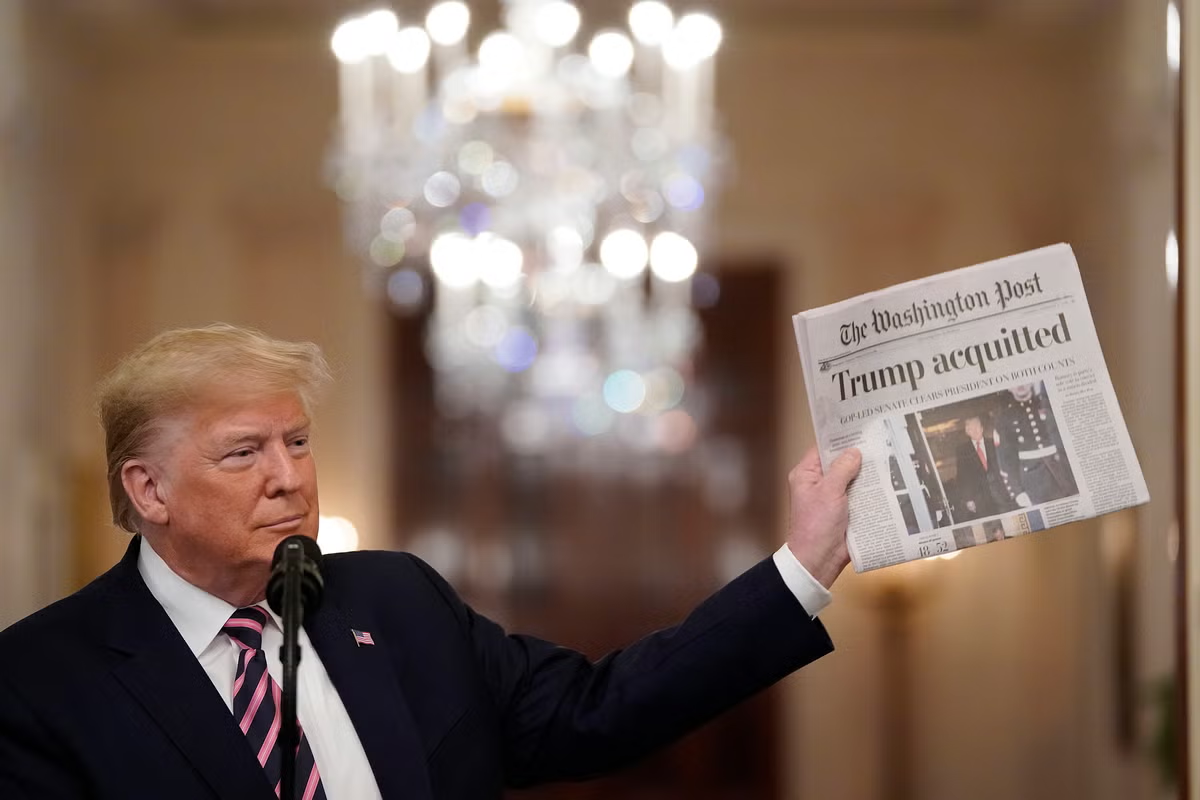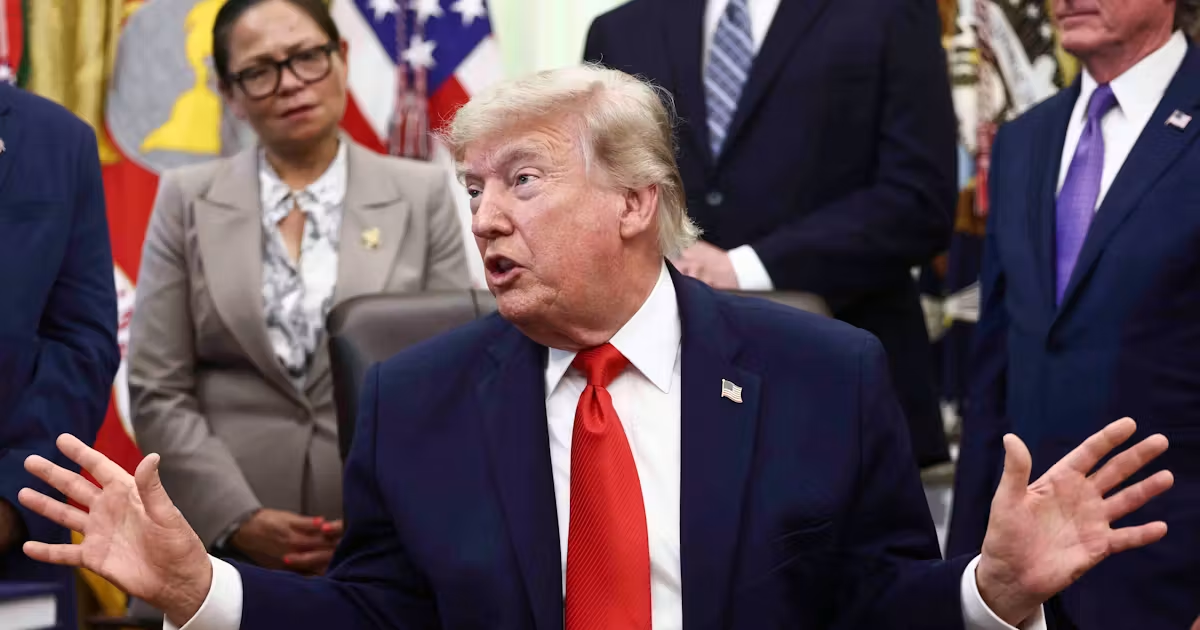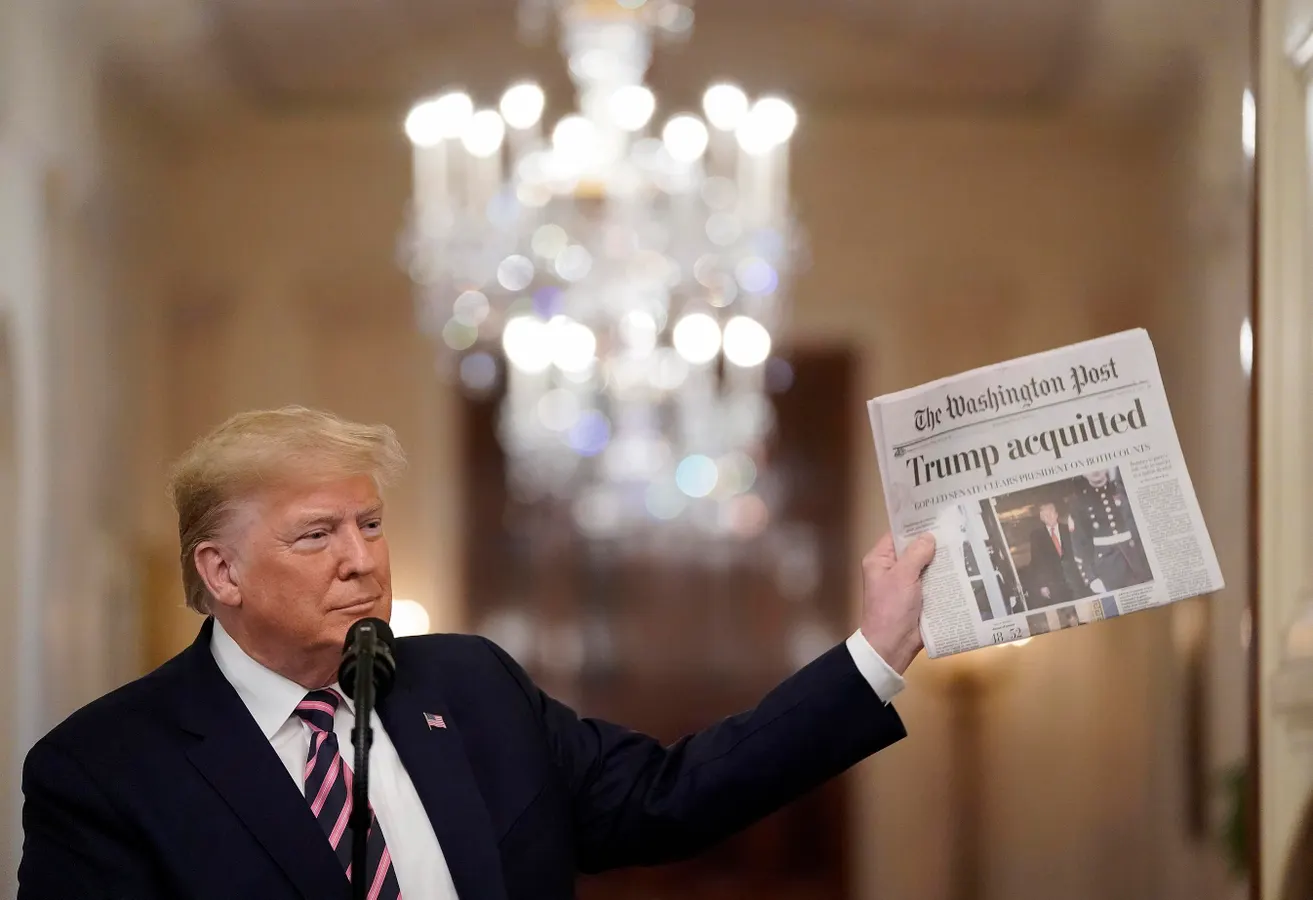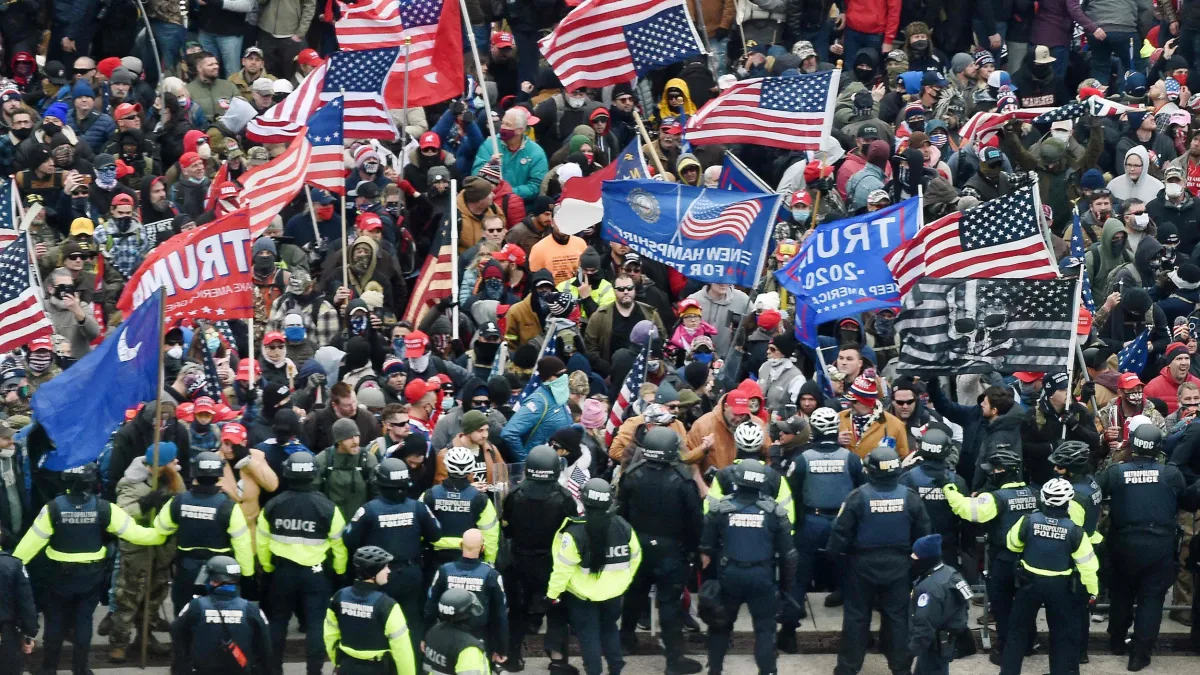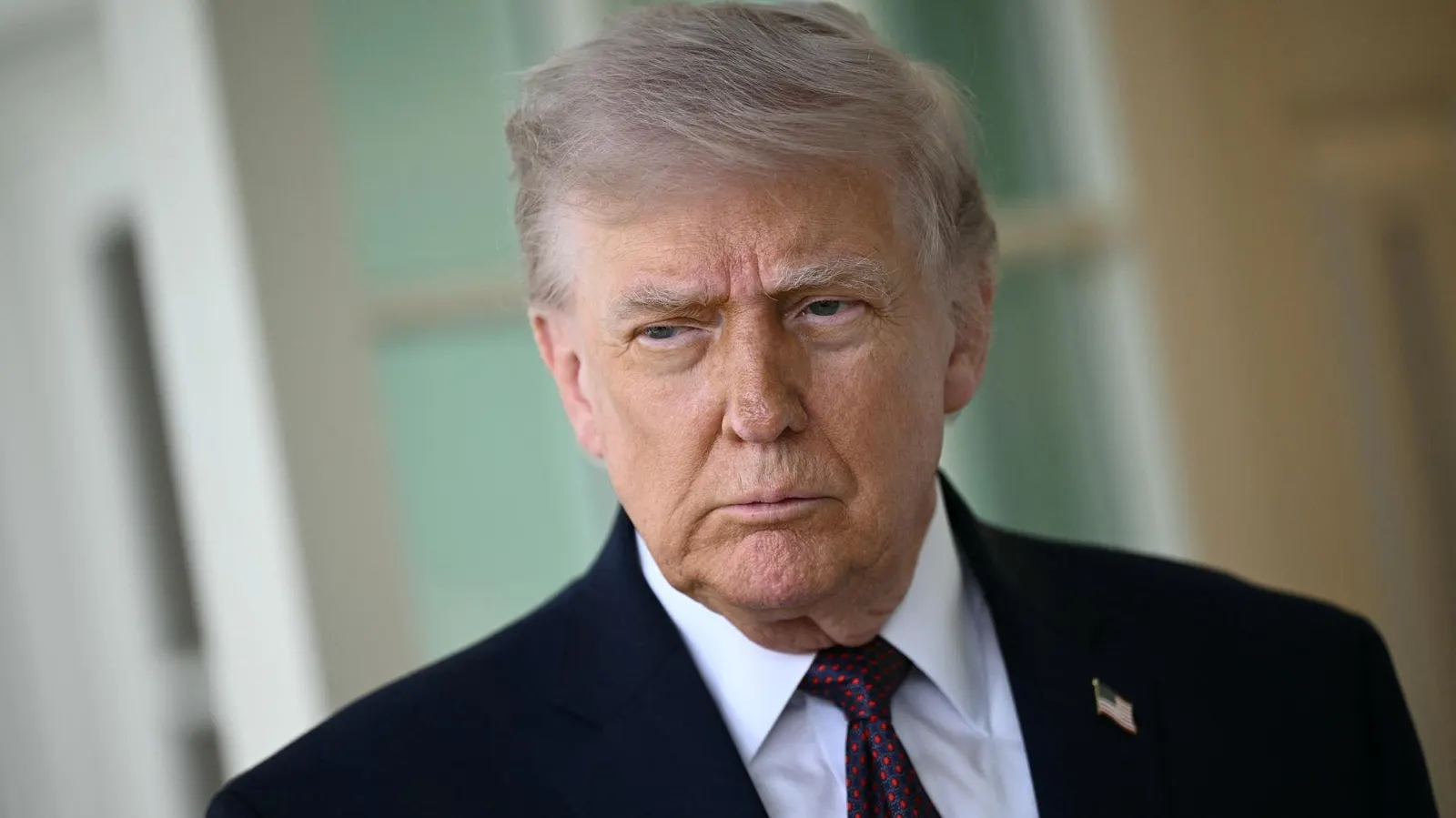
ToplinePresident Donald Trump on Tuesday suggested his first impeachment could be expunged based on new and seemingly flimsy evidence of a “conspiracy” surrounding the 2019 House vote to remove him from office—though there’s no legal precedent to expunge an impeachment. President Donald Trump on April 13, 2026. AFP via Getty ImagesKey FactsTrump on Tuesday morning shared an interview with lawyer Alan Dershowitz, who helped defend the president at his impeachment trial, suggesting the president could ask the Supreme Court or Congress to reverse his impeachment.The president called Dershowitz “one of the greats” and suggested he “should do it,” though how exactly an impeachment could be reversed or what it would mean remains unclear. Allies of Trump have for years suggested his 2019 impeachment in the House of Representatives—the result of accusations he pressured Ukraine to investigate political rival Joe Biden by withholding military aid—should be struck from the record, claiming it was a "sham" and a politically motivated "witch hunt.”Trump himself has suggested on multiple occasions the “hoax” impeachment be struck from the record, and then-Reps. Marjorie Taylor Greene, Elise Stefanik and Markwayne Mullin each introduced House resolutions to have the impeachments reversed, with House Speaker Kevin McCarthy supporting the idea, saying the vote "never should have gone through" in the first place. None of the calls were ever taken seriously in Washington, largely because it would mean next to nothing: Trump was acquitted by a Republican Senate and there would be no legal purpose for expunging the House vote. The renewed call this week comes after Director of National Intelligence Tulsi Gabbard released new documents about the impeachment effort, which she said show proof of a "coordinated effort" to "manufacture a conspiracy" used to impeach Trump, but doesn’t seem to challenge the facts presented in the proceedings, and have largely been ignored by politicians and legal scholars. What Do The New Records Show? The new documents, which include investigative materials used in the case and two transcripts from a closed-door deposition of then-Inspector General Michael Atkinson, largely focus on a whistleblower complaint that launched the impeachment proceedings. The still-unidentified person, reported to be a CIA officer working in the White House, said they were concerned with Trump pressuring Ukraine to investigate Biden. The transcripts show the whistleblower spoke with congressional Democrats before filing the allegation, then concealed that information from the inspector general’s office. Atkinson said his office did not investigate if the whistleblower was coordinating with the Democrats, and instead focused on investigating the underlying allegations about Trump's phone call with Zelensky. Gabbard says the documents are proof Atkinson did not follow standard procedures and botched the investigation, and FBI spokesman Ben Williamson said the agency is "closely" reviewing the new documents. Democratic lawmakers and legal scholars have largely ignored the release. Key BackgroundThen-House Speaker Nancy Pelosi declared a formal inquiry into Trump in September of 2019 and Trump was impeached in December on charges of abuse of power and obstruction of Congress, fueled by allegations that he withheld $400 million in military aid to Ukraine in an effort to pressure its president, Volodymyr Zelensky, to announce an investigation into Trump rival Joe Biden and his son, Hunter. The trial lasted two weeks and was marked by constant clashes over procedure. Critics of the process who have generally argued bias or unfairness have largely not disputed the facts of the case, and multiple witnesses testified under oath including William B. Taylor Jr., top U.S. diplomat in Ukraine at the time, senior state department official George Kent, and army officer Alexander Vindman, who said he listened to the Trump–Zelenskyy call first hand.Nobody knows. There's no mention of expungement in the U.S. constitution or in any of the House of Representatives' rules, and experts seem to be split on if it’s possible. George Washington University law professor Jonathan Turley said in 2023, impeachment “is not like a constitutional DUI. Once you are impeached, you are impeached.” Indiana University Law professor Gerard Magliocca, however, argued that there was a precedent set in 1837 when the Senate expunged its censure of President Andrew Jackson (though censure is a much less dramatic, and less impactful, process than impeachment). What Would Happen If Trump’s 2019 Impeachment Was Expunged? Technically, nothing. An expungement would have no legal implications since Trump was already acquitted, but it would give legitimacy to his repeated claims that the impeachments were fraudulent and political.Further ReadingForbesCould Trump Be Un-Impeached? GOP Starts Process To ‘Expunge’ Ex-President’s RecordBy Sara Dorn
Can An Impeachment Be ‘Expunged’? Trump May Try To Find Out.
It’s not the first time the idea of expunging Trump’s impeachment has been raised, but doing so would be unprecedented and largely symbolic.
747 words~3 min read