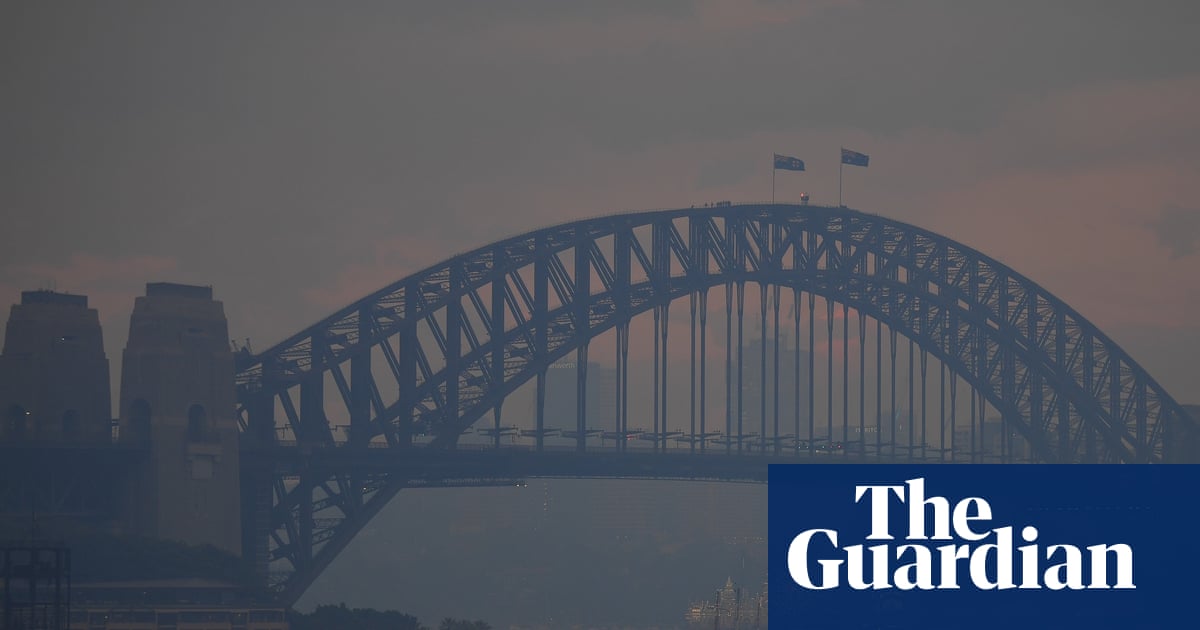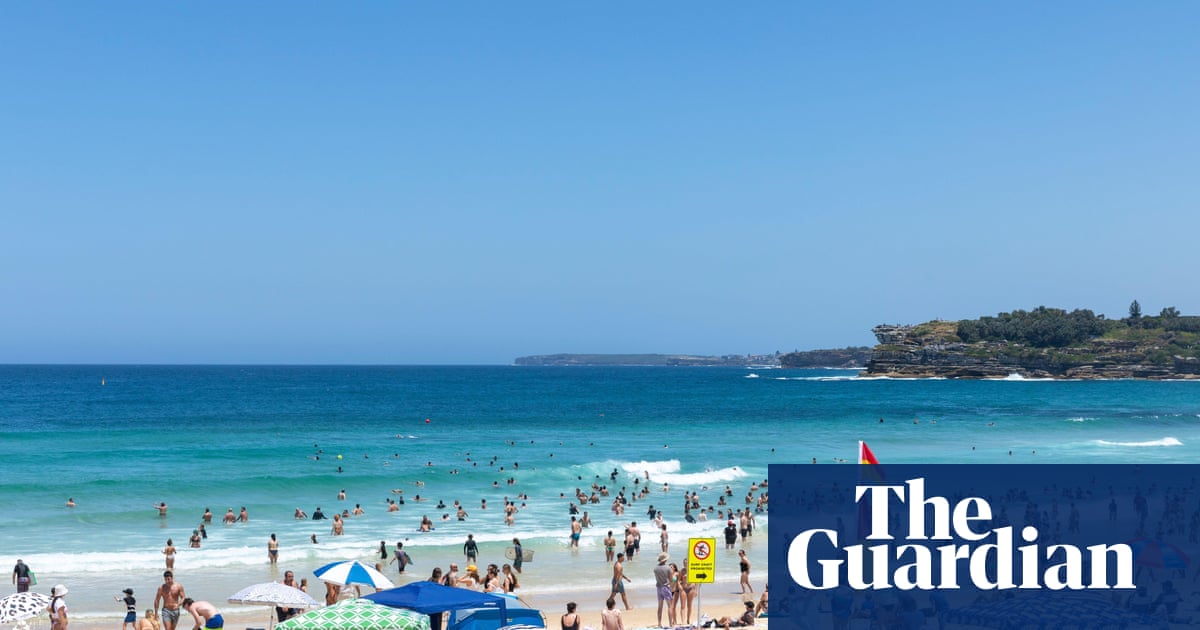
Researchers examined trends in 10 global cities, with Sydney’s summer growing at two-and-a-half times the average
Scientist Ted Scott could feel that summers in his home state of Minnesota were not what they used to be.
With the climate crisis accelerating, Scott could feel and see the seasons changing from their usual patterns – especially summer – and he wanted to know what the data said.
Working with researchers from the University of British Columbia, the PhD candidate set out to model how the average summer had changed in 10 global cities.
The research, published in the journal Environmental Research Letters, found what most people can already feel: summer conditions, driven largely by human-induced global heating, were arriving earlier, lasting longer and felt more intense than they used to.