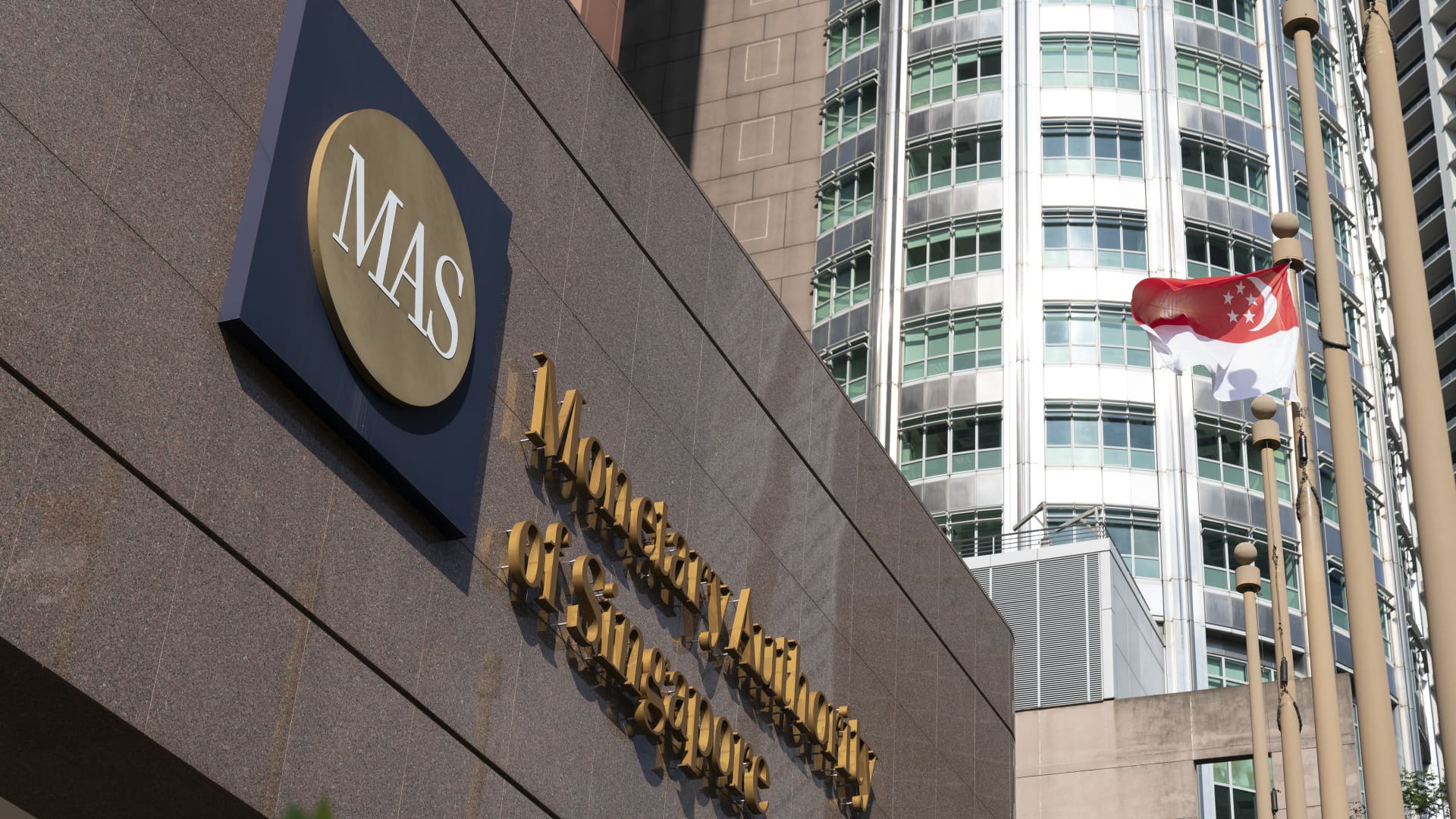
Singapore’s central bank tightened its monetary policy settings on Tuesday, flagging the risk that an Iran war-fueled energy shock could push up core inflation even as mounting pressure on growth was underscored by a first-quarter economic contraction.
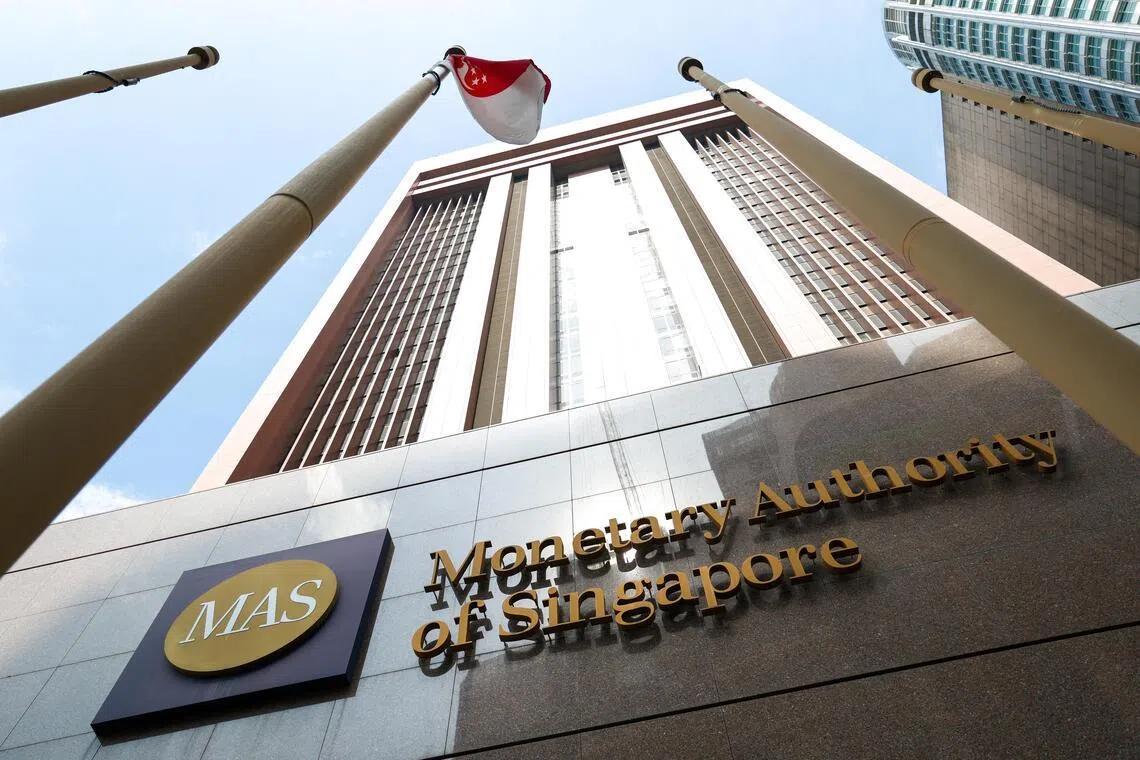
The Monetary Authority of Singapore (MAS) said it would increase slightly the rate of appreciation of the S$NEER policy band, in line with what most analysts polled by Reuters had expected. MAS said there would be no change to its width and the level at which it is centered.
“GDP growth in the Singapore economy will slow over the course of this year, while the output gap should average around 0%. Singapore’s imported energy costs have already risen. Prices of a wider range of imported goods and services are expected to increase in the quarters ahead,” the MAS said.
Of the 13 analysts polled by Reuters ahead of the review, 11 expected the MAS to tighten policy due to the jump in energy prices after the Middle East war erupted late in February and heightened inflation risks. Two forecast no change.
Sheana Yue, Oxford Economics senior economist, said this was “not yet a severe inflation scenario”.