The finding that these murders could have been prevented is devastating for all those involved
T
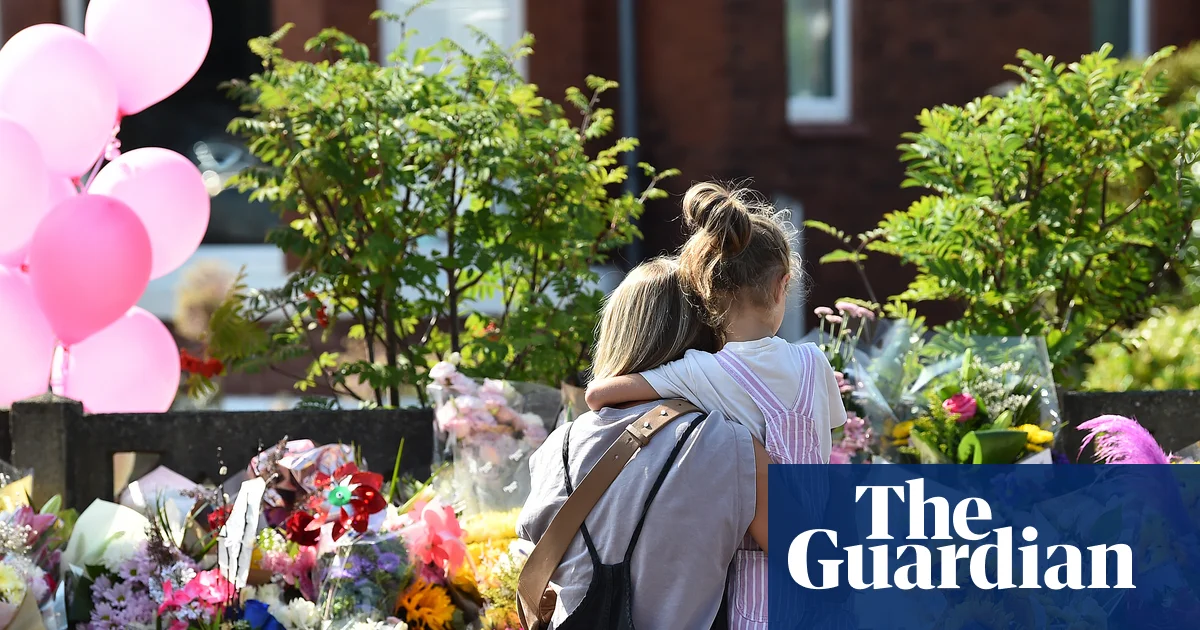
he fatal stabbings that turned a Taylor Swift-themed dance class in Southport, Merseyside, into a nightmare on 29 July 2024 would never have happened if public bodies had done their jobs properly. Sir Adrian Fulford’s conclusion, at the end of phase one of the inquiry into the murders, was blunt. The deaths of Bebe King, six, Alice da Silva Aguiar, nine, and Elsie Dot Stancombe, seven, and injuries to 10 other people, were the result of grave failures by police and council officers, health professionals and the anti‑terrorism Prevent programme. The multi-agency systems that are meant to link them together turned out to have deadly flaws.
Sir Adrian prefaced his findings by stating that the responsibility of the perpetrator, Axel Rudakubana, is “absolute”. He also attached significant blame to Rudakubana’s parents, who knew about the 17-year-old’s stockpile of weapons. They ought to have alerted police, above all in the week leading up to the attack, when his father managed to prevent him from taking a taxi to his former school to carry out a violent attack.
While the report does not single out individual police or council officers in Lancashire, where Rudakubana lived, this does not make them any less culpable. On the contrary, their collective failure to take “ownership of risk” is the single most disturbing conclusion. Ministers must not wait for the inquiry’s second phase to explain how they plan to bring this dangerous culture of buck‑passing to an end. It is impossible to ignore parallels with the Nottingham inquiry into the killings carried out by Valdo Calocane in January 2024. Significant differences between the two cases include Calocane’s age (32) and severe mental illness. But both include alarming instances of serious threats to public safety going unaddressed.