As World Bank and IMF chiefs gather in Washington the Iran war is driving up energy prices, fuelling inflation and making voters impatient
T
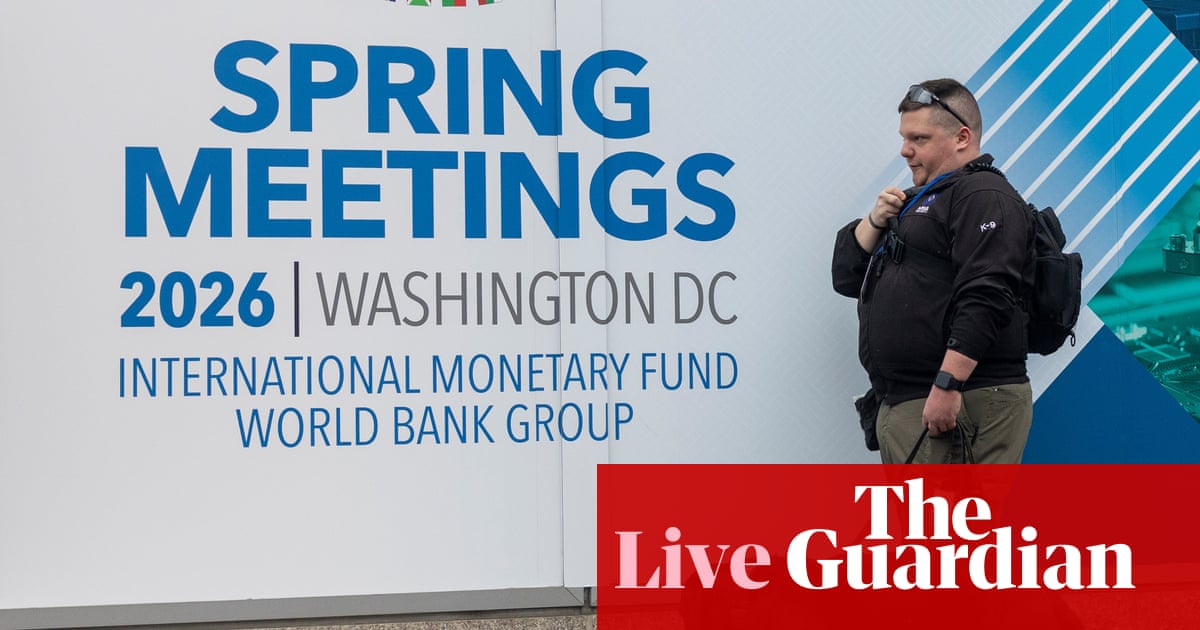
he world’s finance ministers and central bank governors gather in Washington this week for the half-yearly meetings of the International Monetary Fund and the World Bank, with the global economy in a perilous spot.
Not since the foundation of the Bretton Woods institutions late in the second world war have global conflicts triggered this much economic turbulence. The volatile 1970s come close. But the US-Israeli war on Iran, coming so soon after the Covid pandemic and Russia’s invasion of Ukraine, take the prize.
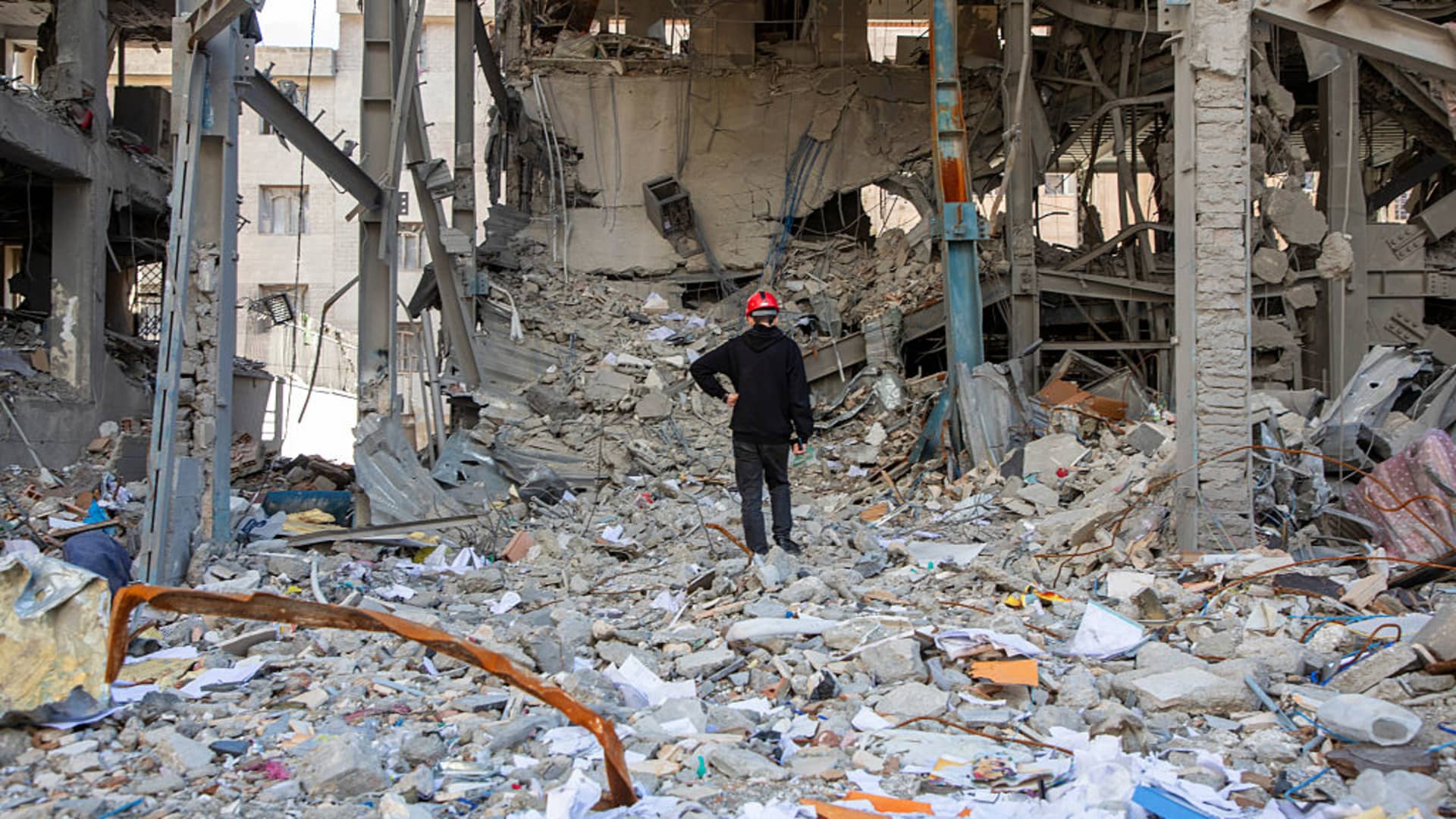
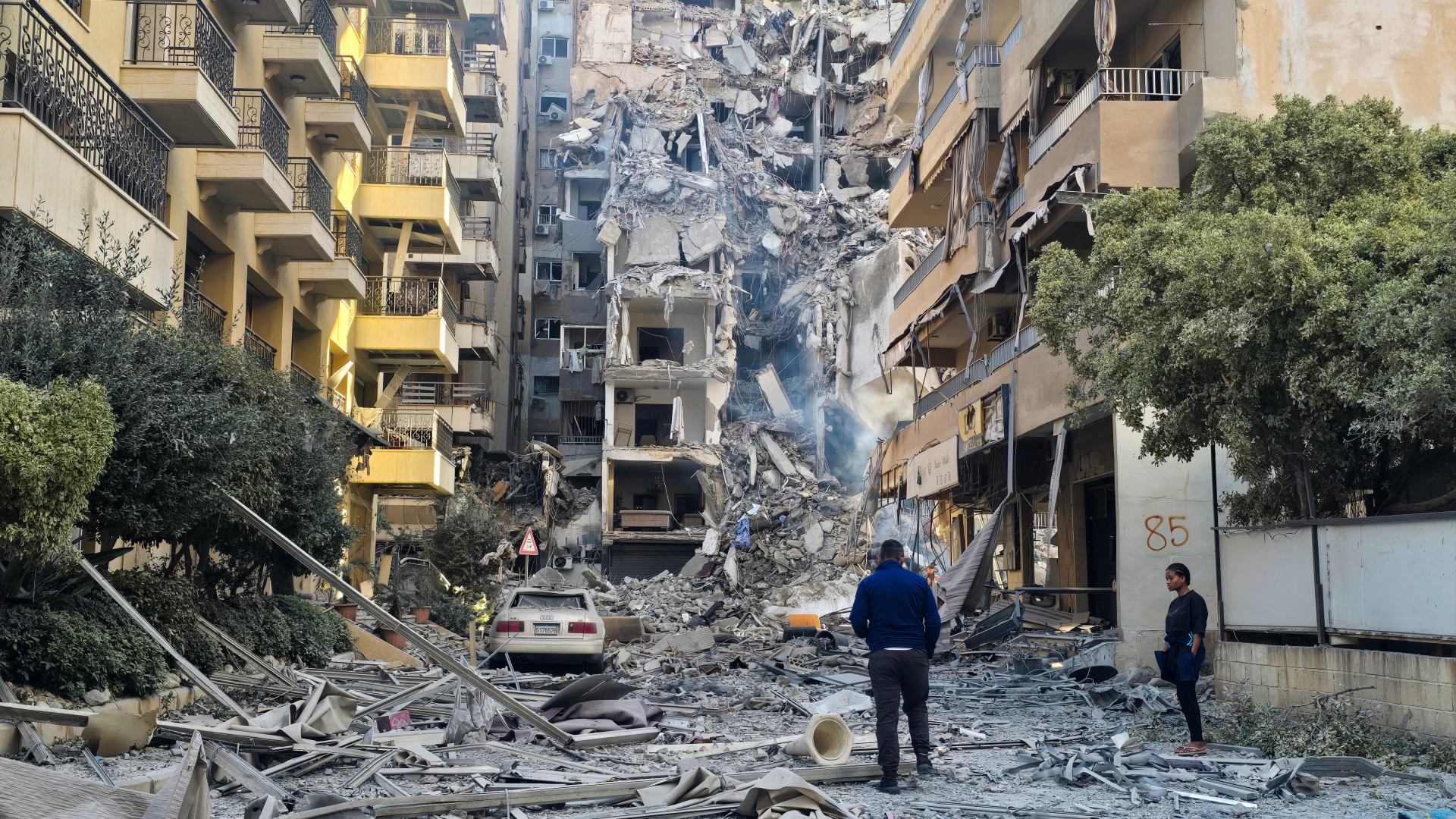
Even if a durable peace deal in the Middle East can be reached, there will still be permanent economic scars. Living standards across rich countries had hardly been racing ahead beforehand. Now, six weeks of US-Israeli bombing and Tehran’s retaliation, including the closing of the strait of Hormuz, are heaping further pressure on already struggling households. This is the biggest energy shock of the modern age. Oil and gas prices have surged, inflation is rising, borrowing costs are up, and a food security timebomb has been primed.