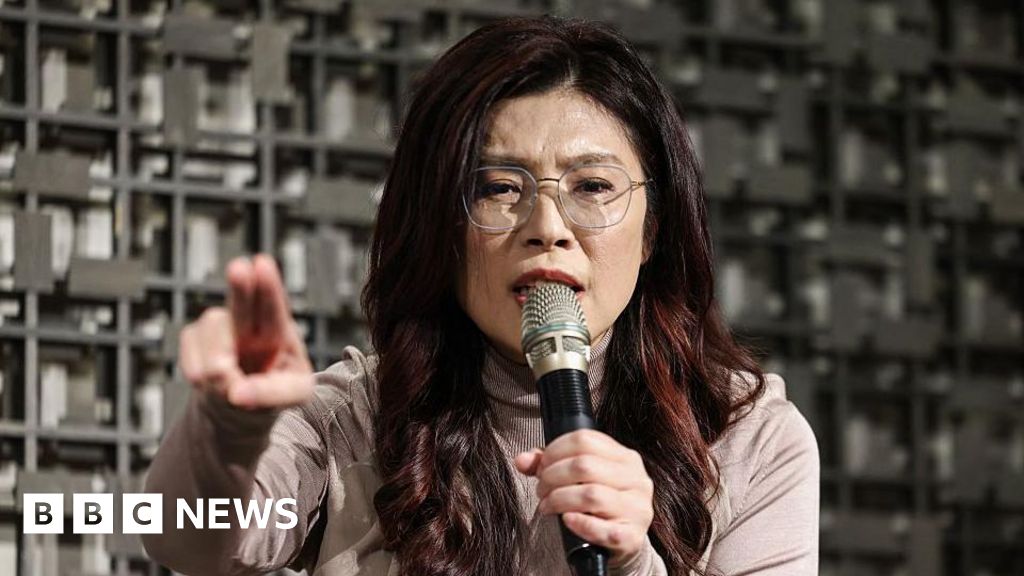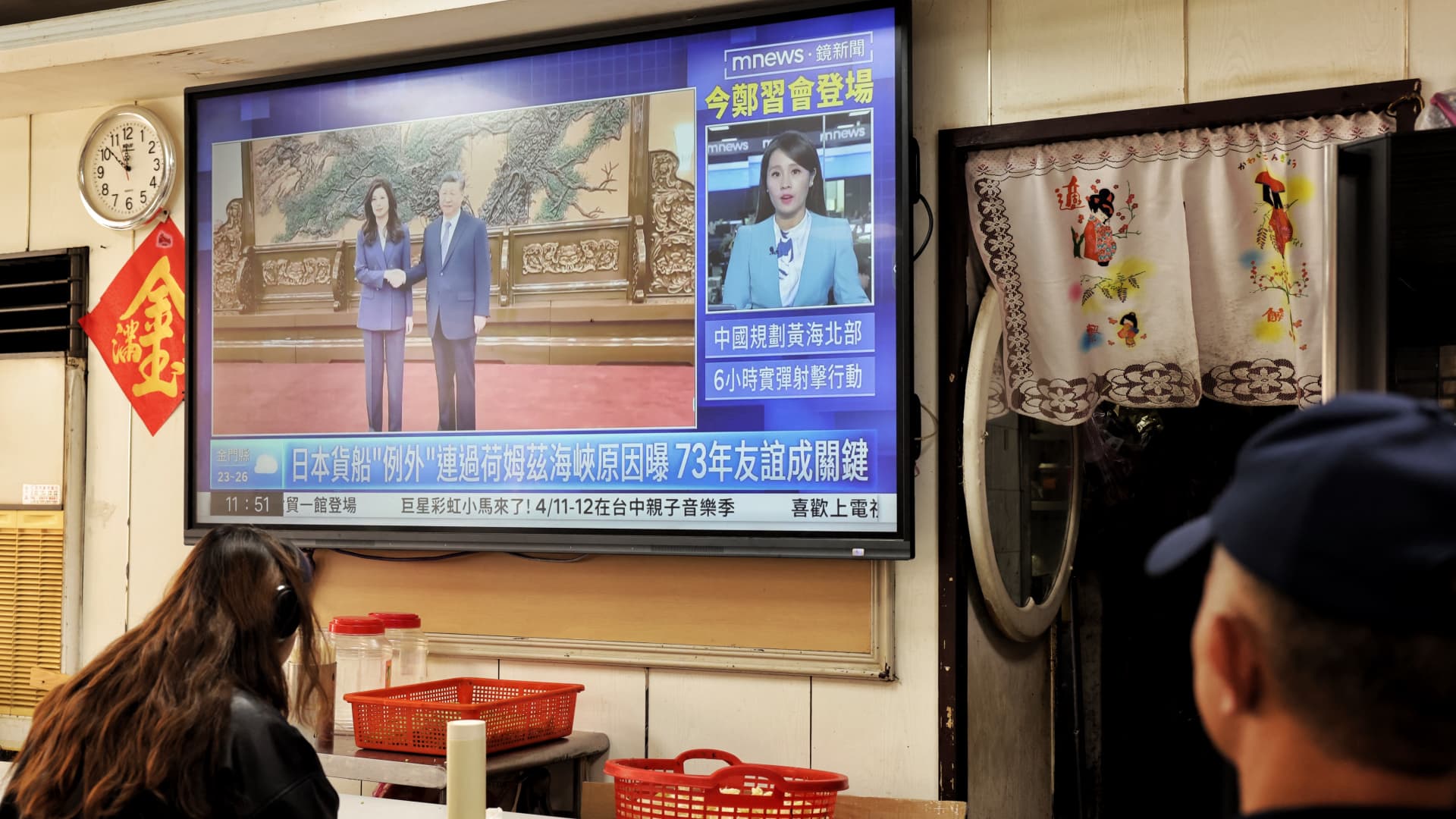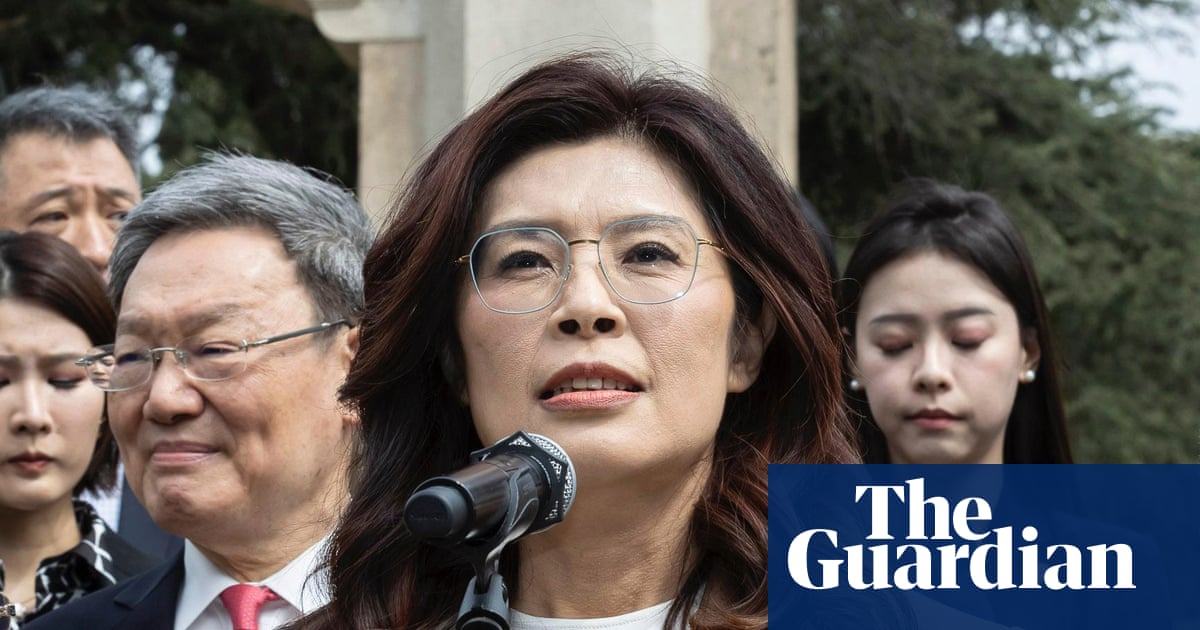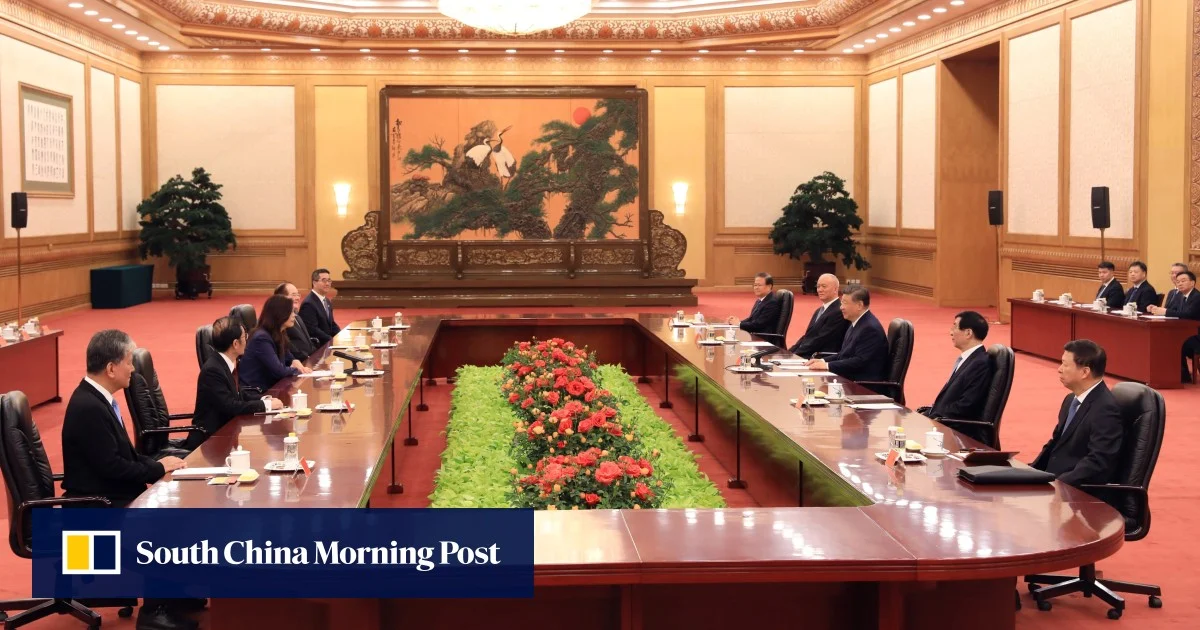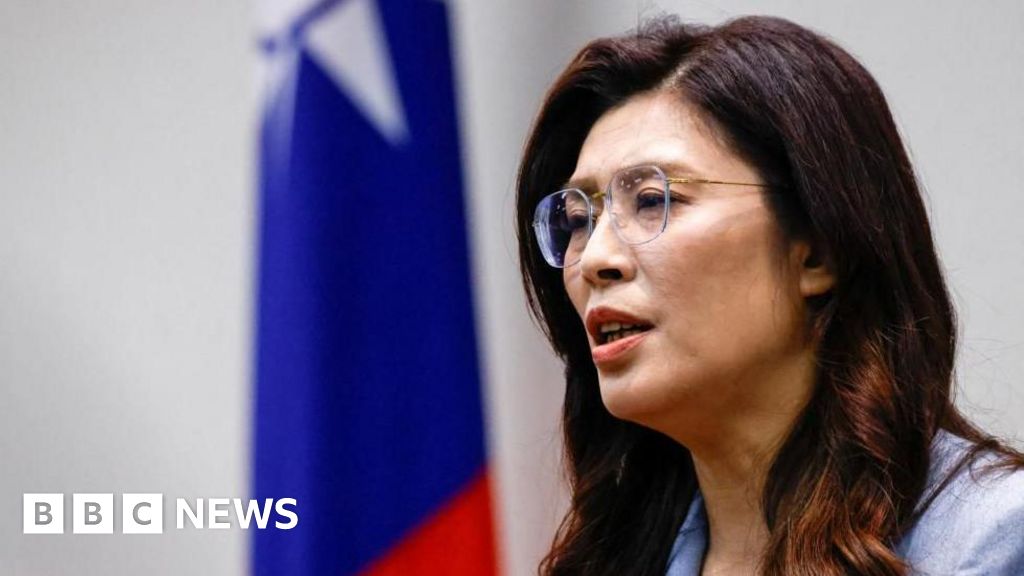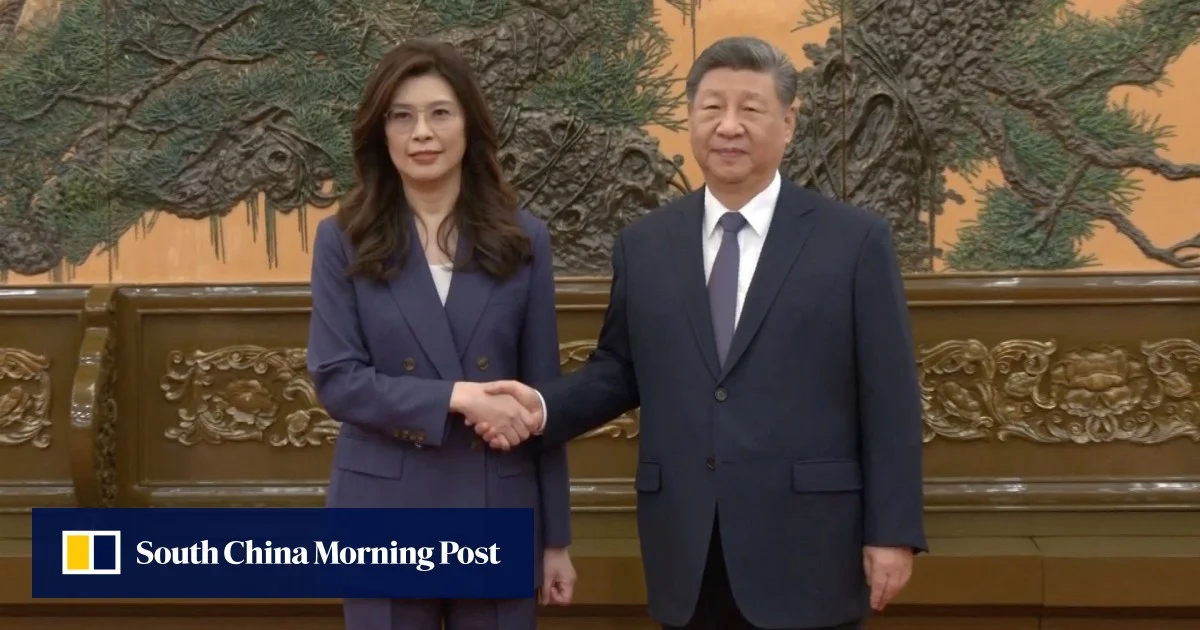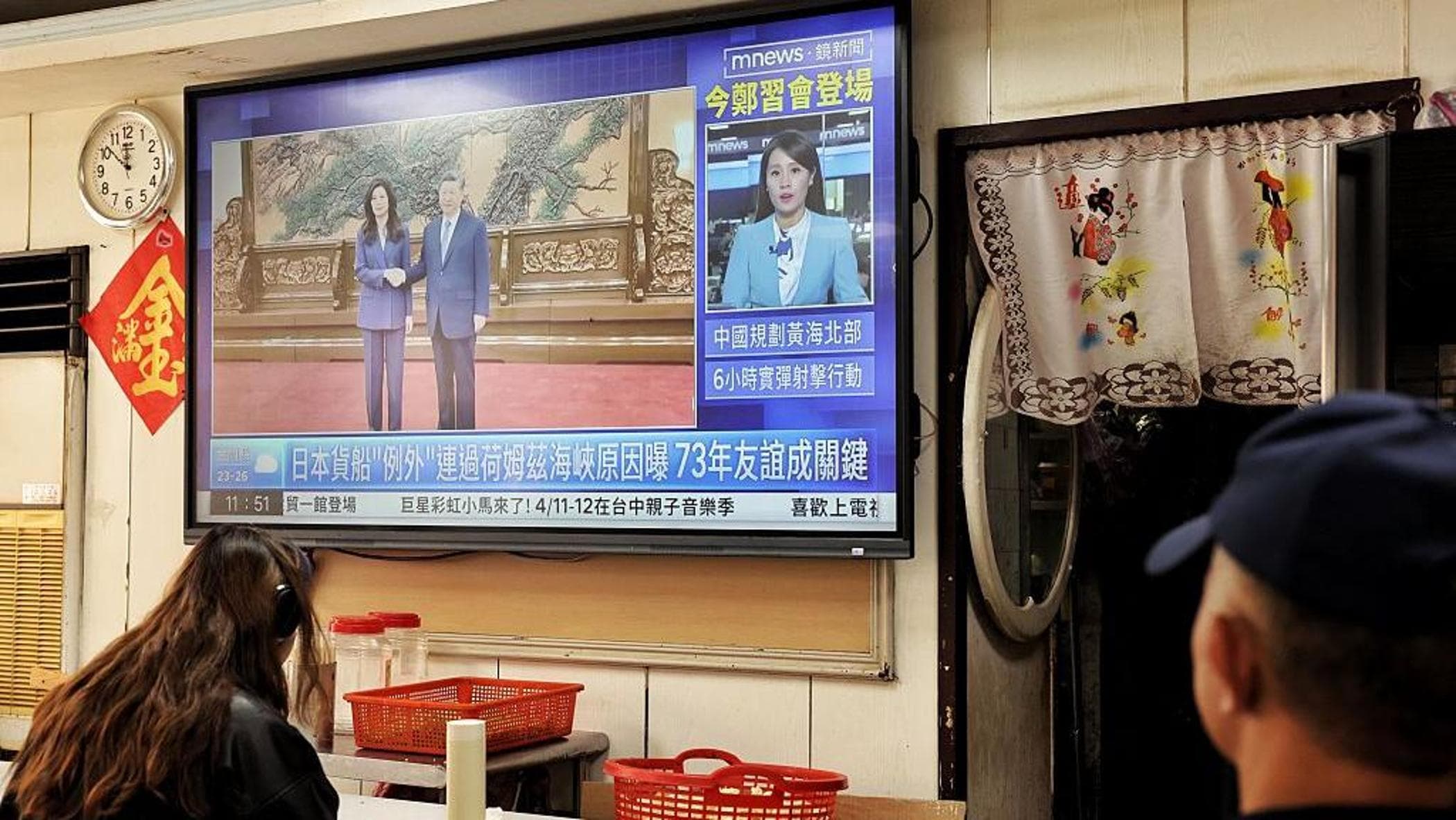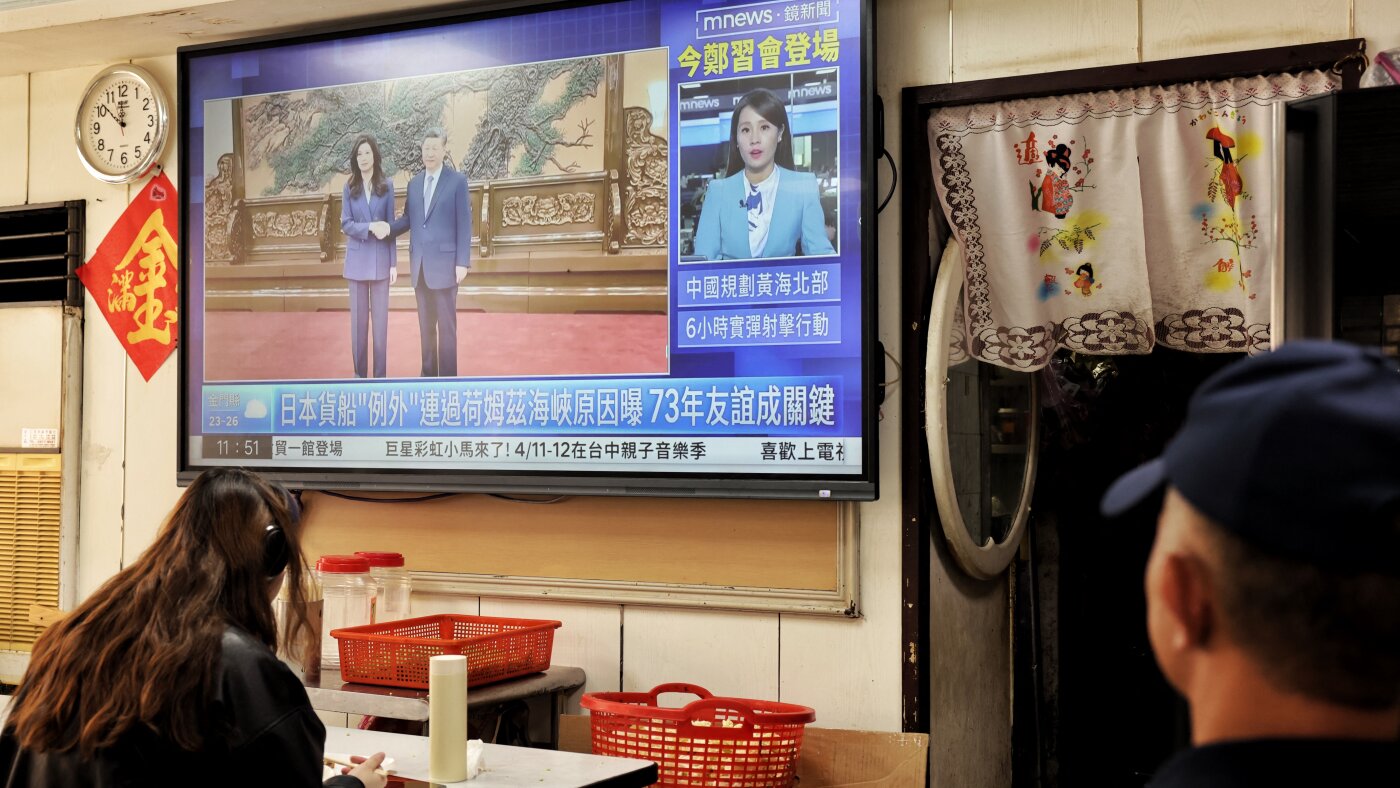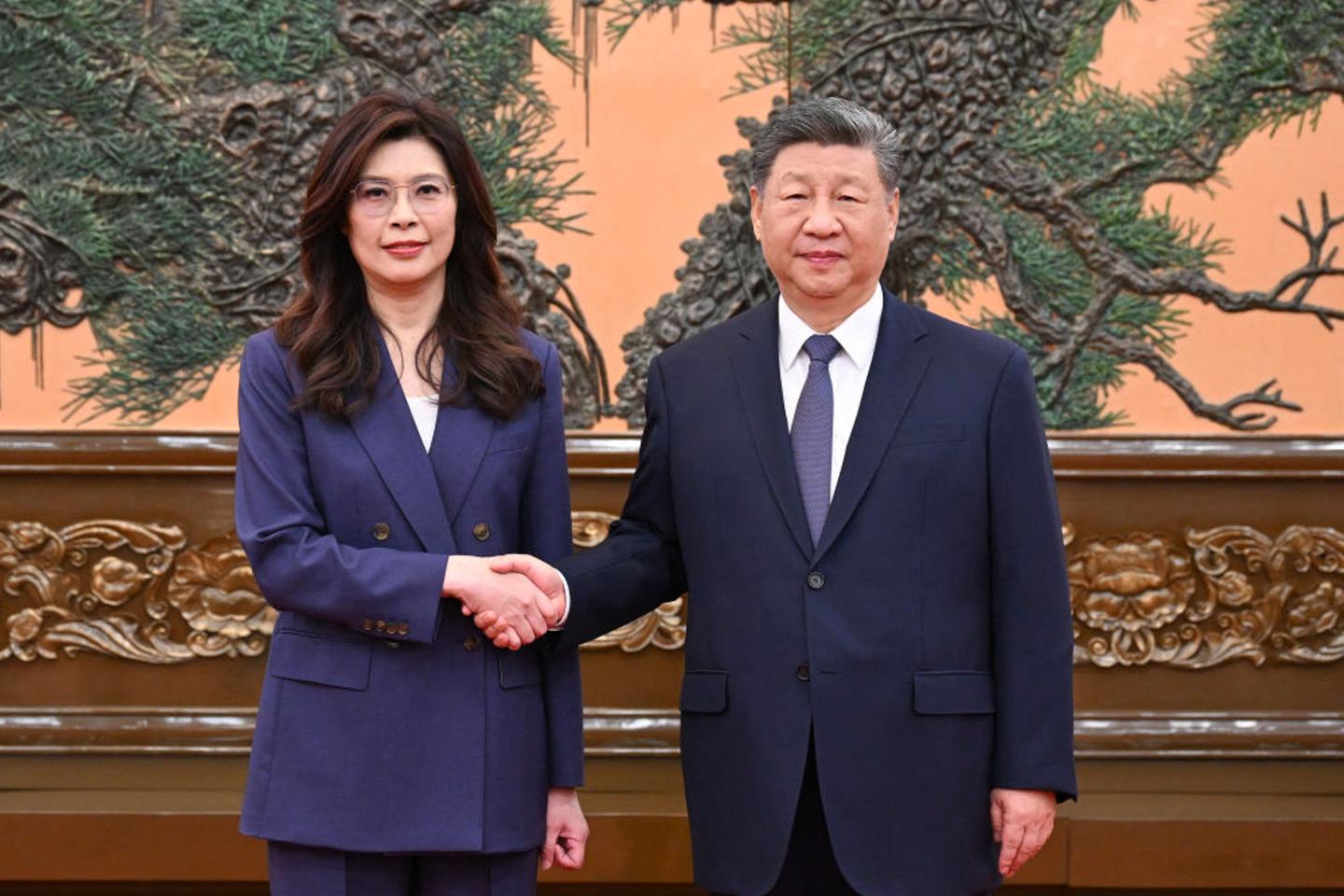
Cheng Li-wun, leader of the Kuomintang, Taiwan's main opposition party, and Chinese President Xi Jinping, in Beijing. Photo released April 10, 2026, by the Kuomintang (KMT) office. AFP
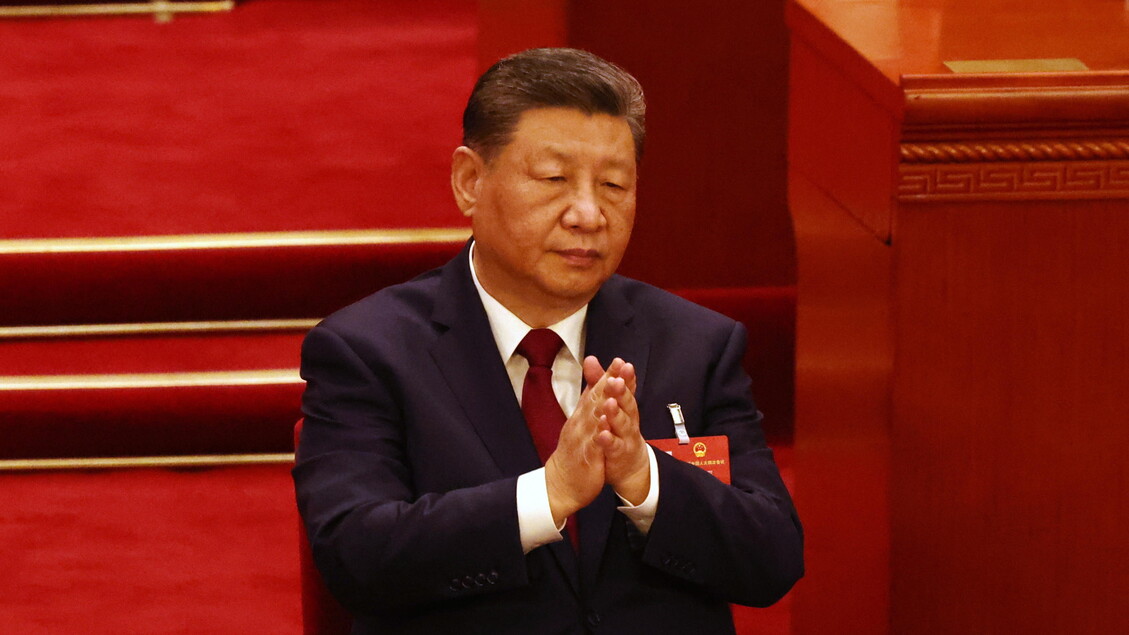
To make his stance clear, Chinese President Xi Jinping began his meeting in Beijing on Friday, April 10, with Cheng Li-wun, the head of the Kuomintang (KMT), Taiwan's main opposition party, by reiterating that China "would under no circumstances tolerate" Taiwan's independence. Instead, he called for efforts toward "reunification," a long-standing goal of Beijing, though the KMT has never explicitly endorsed it.
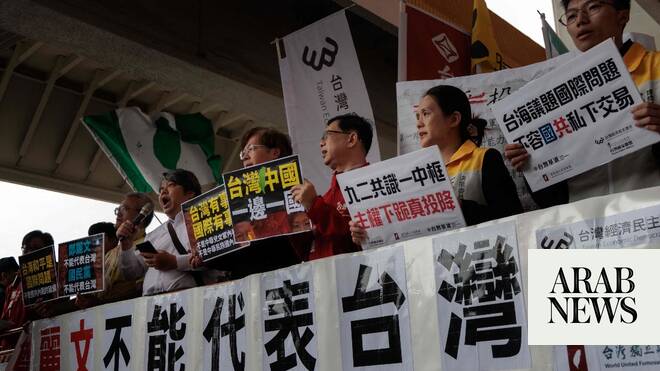
This was the first meeting in 10 years between the two Chinese parties, former historic rivals, and marked the final step of Cheng Li-wun's five-day trip to the China capital, which was entirely organized and supervised by the Chinese side. The trip raised concerns among some in Taiwan, who are wary of growing Chinese interference in the island's political life. Although Taiwan has been de facto independent since 1949, China's expanding economic and military power has made Beijing's ambition of reclaiming Taiwan increasingly plausible.
Taiwanese President Lai Ching-te, of the Democratic Progressive Party, which has been in power since 2016, remained firmly opposed to any form of subordination to China or any concession that would compromise Taiwan's sovereignty. Beijing, for its part, labeled him a "dangerous separatist."