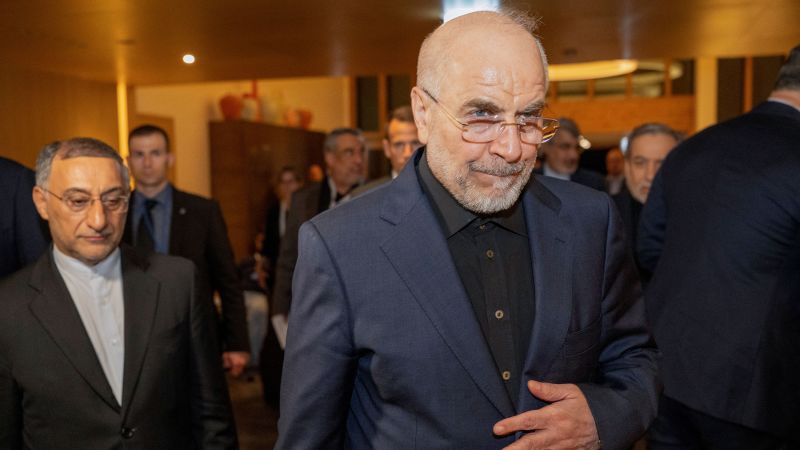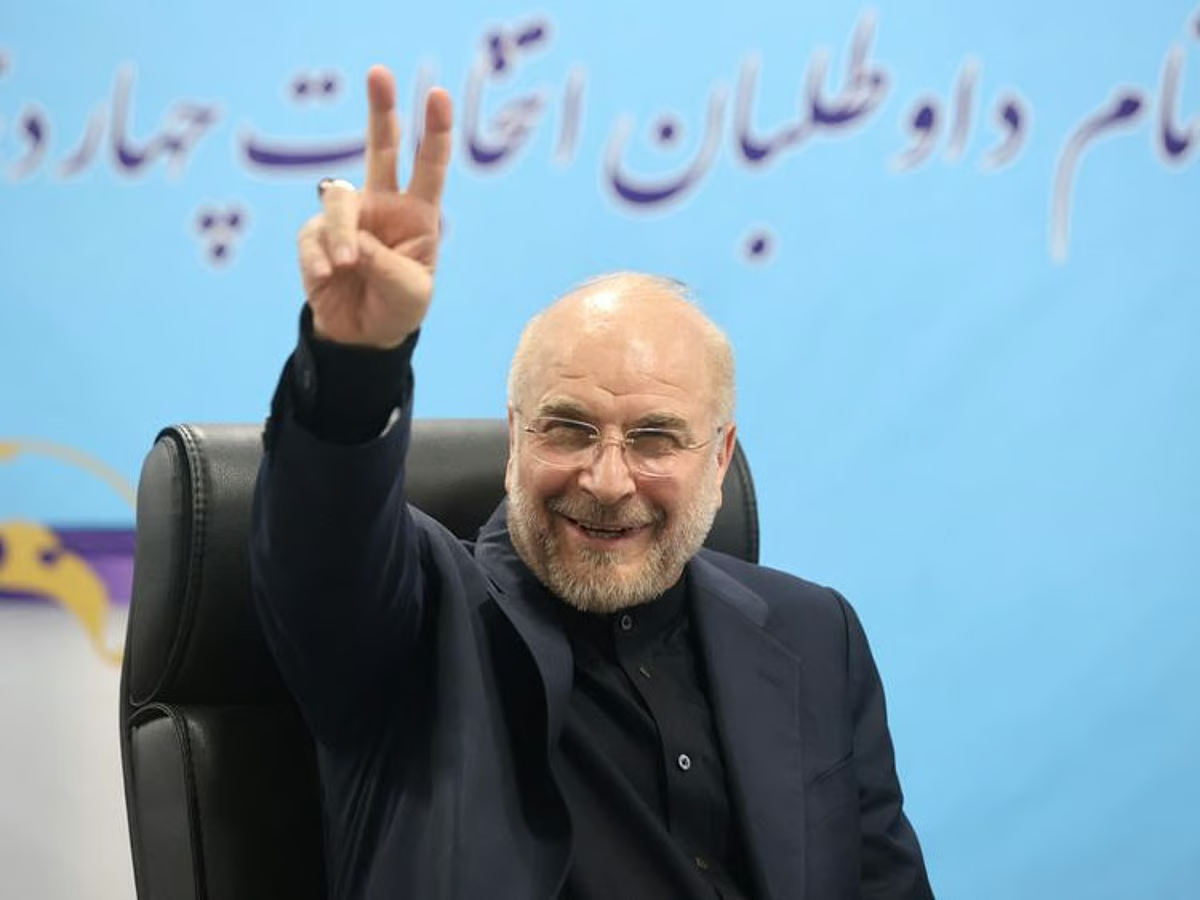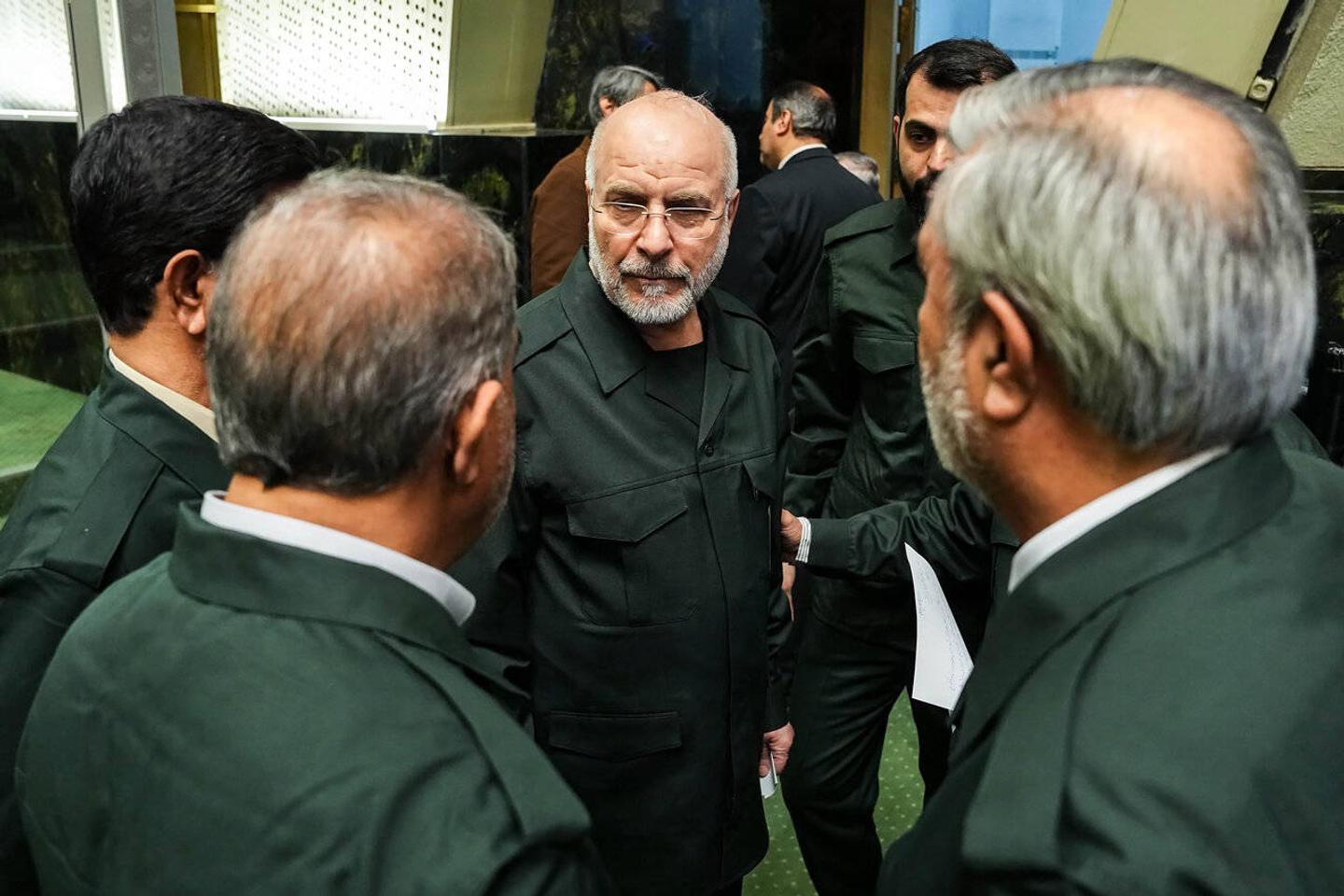
Mohammad Bagher Ghalibaf, speaker of the Iranian Parliament, wearing the uniform of the Islamic Revolutionary Guard Corps, in Tehran on February 1, 2026. ICANA/ZUMA/SIPA
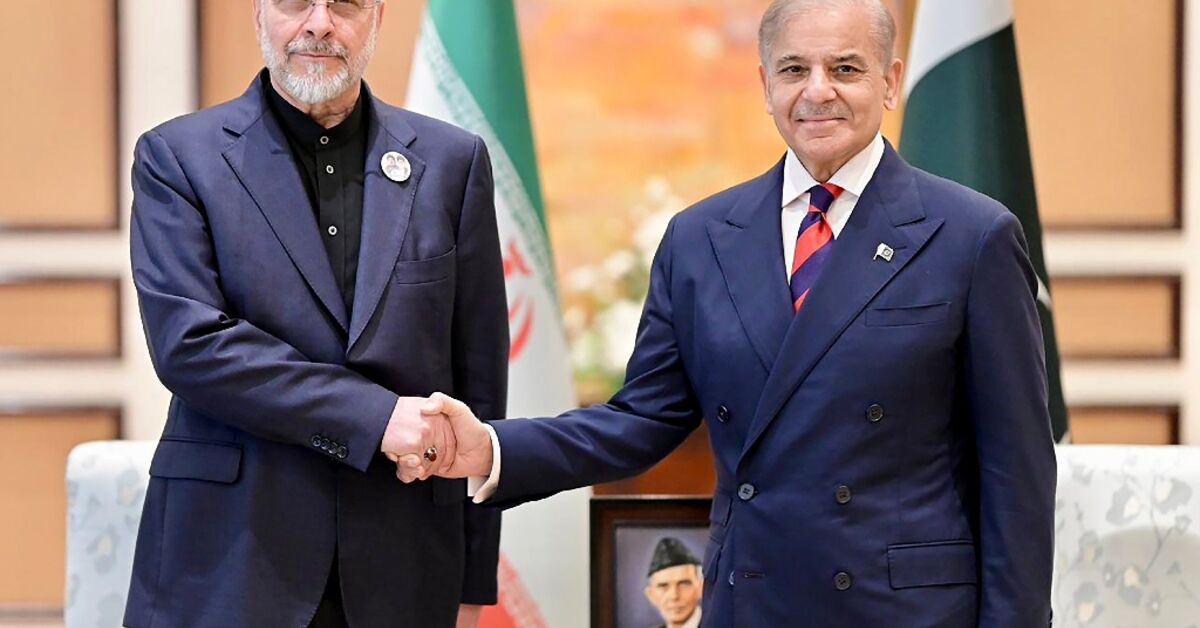
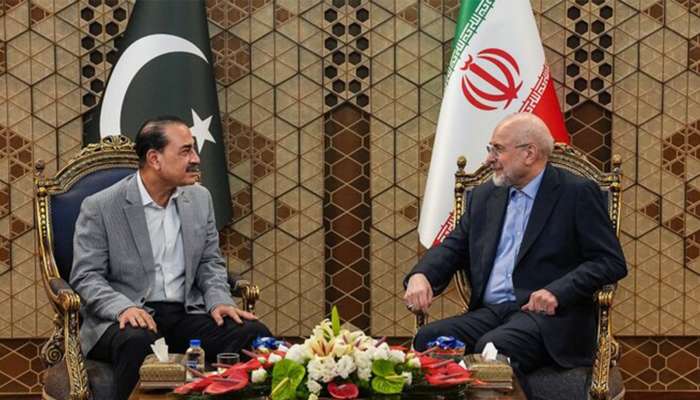
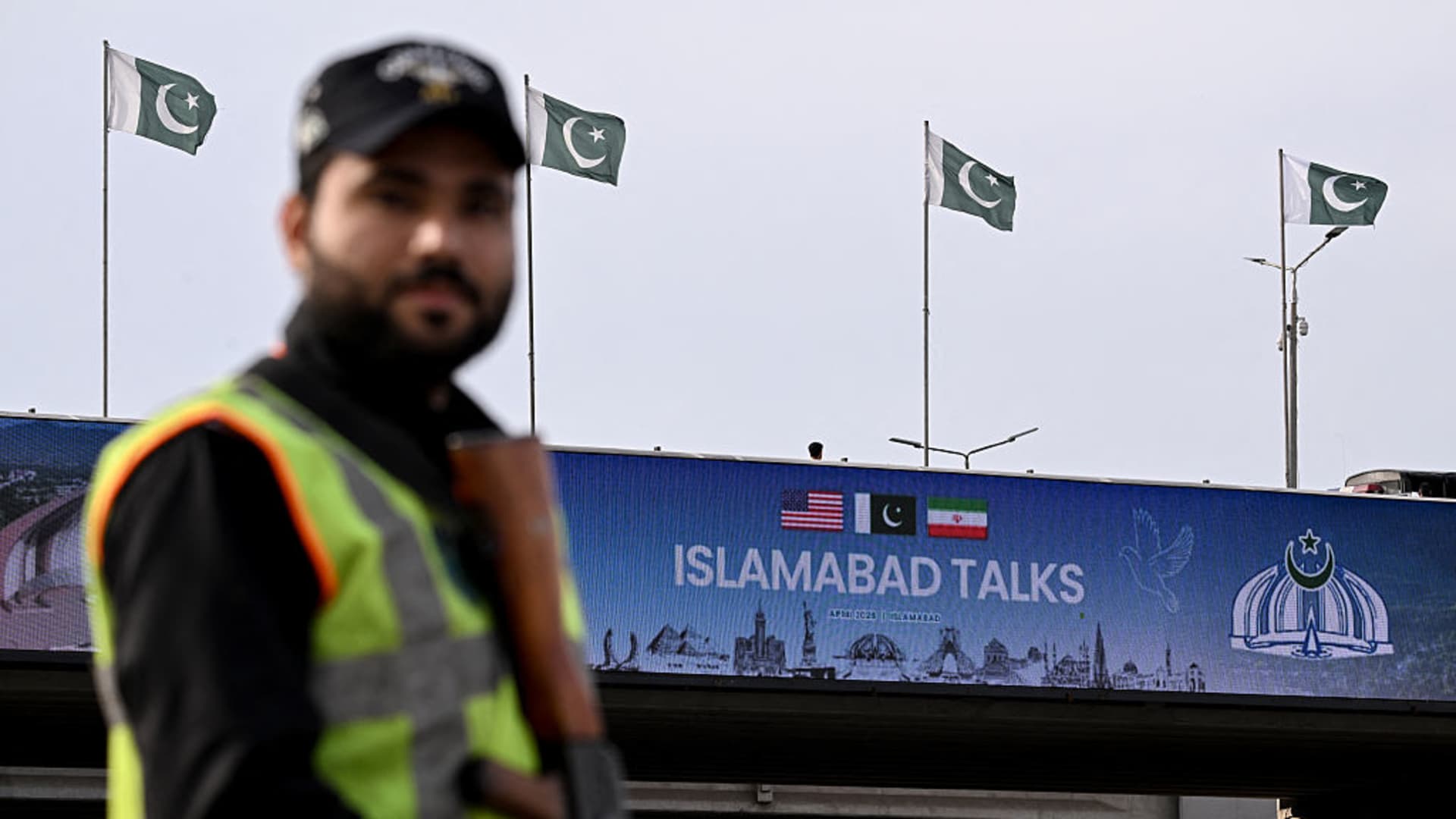
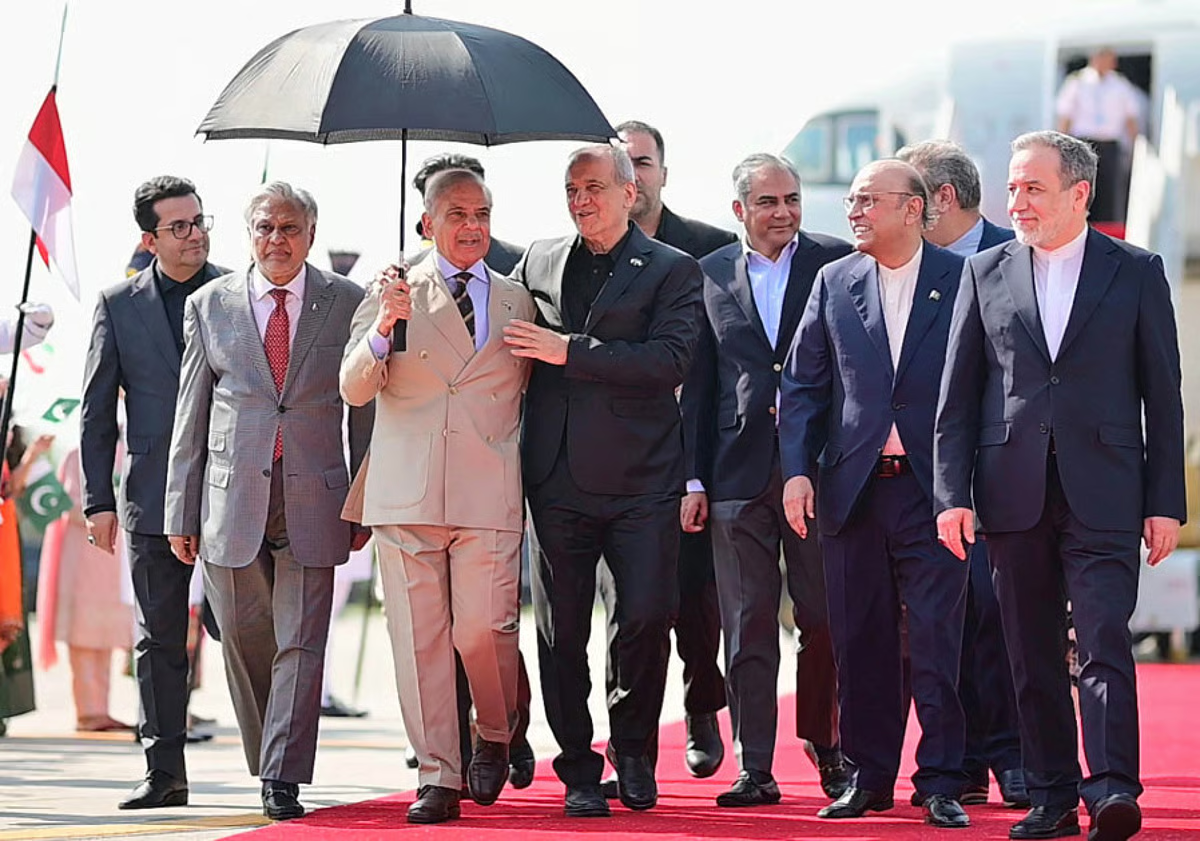
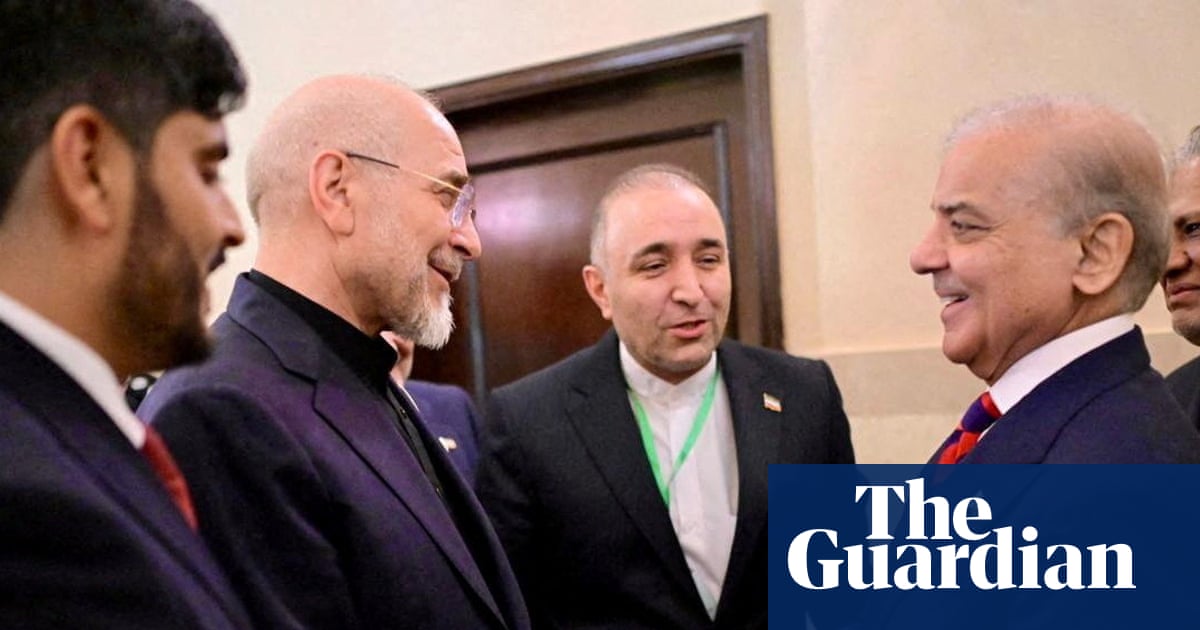
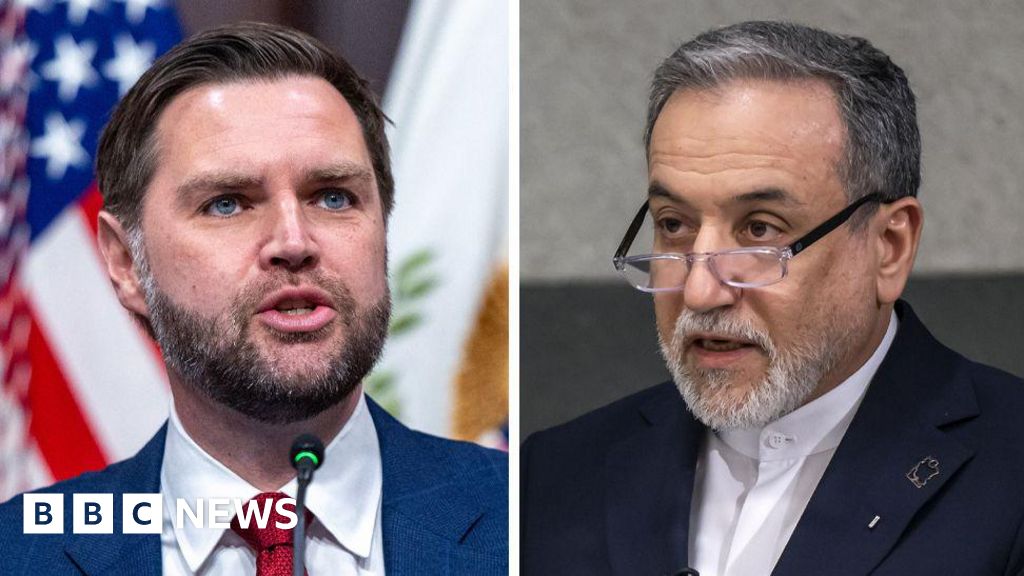
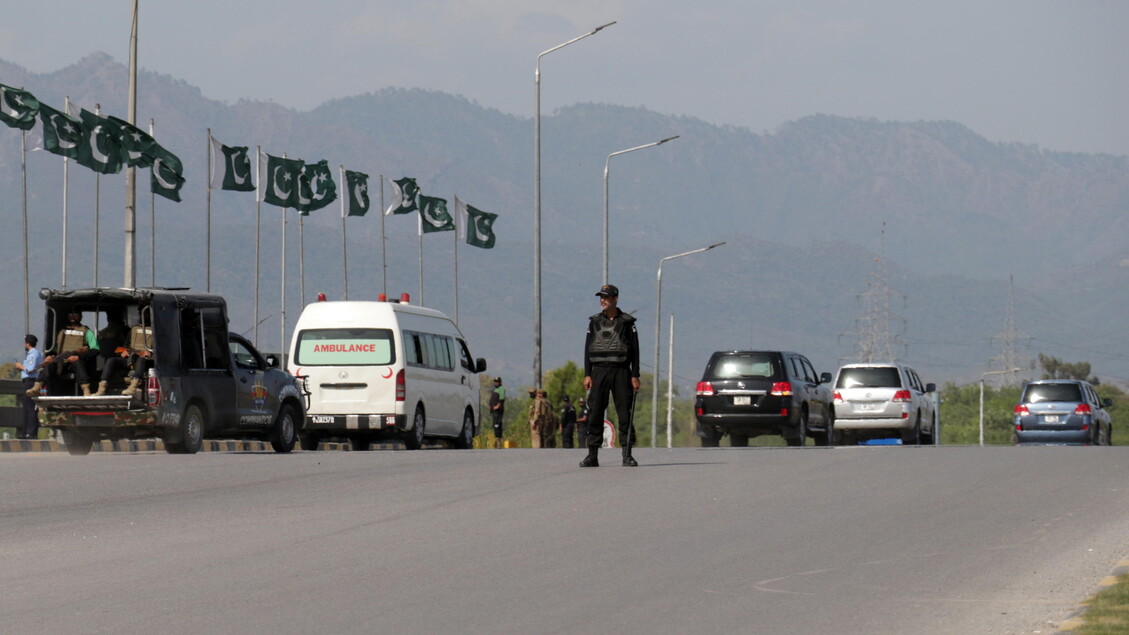
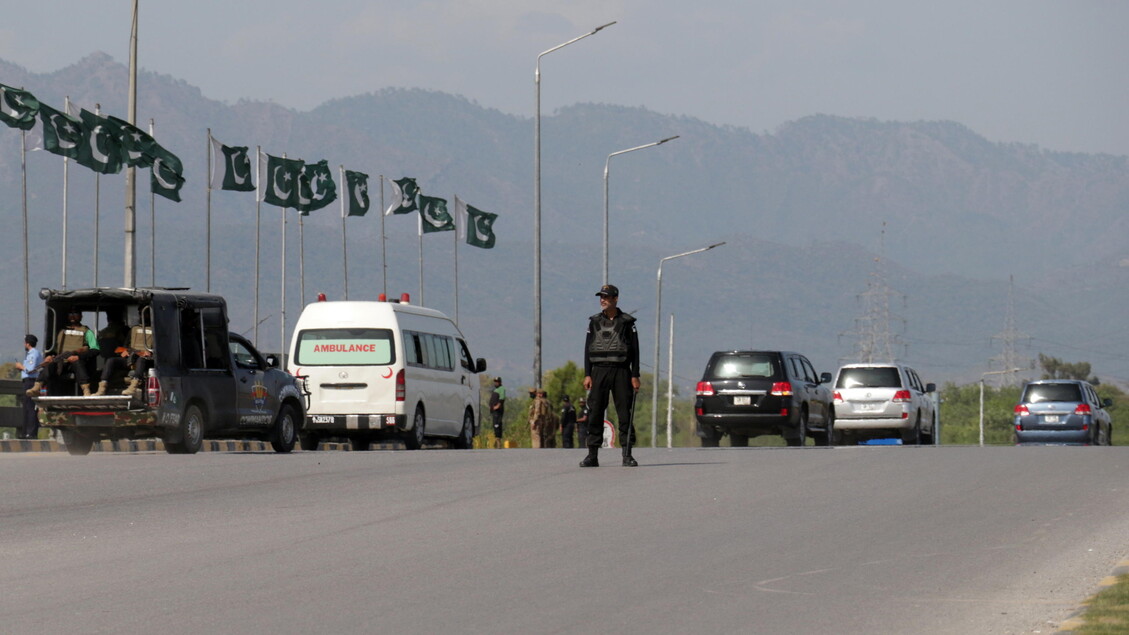
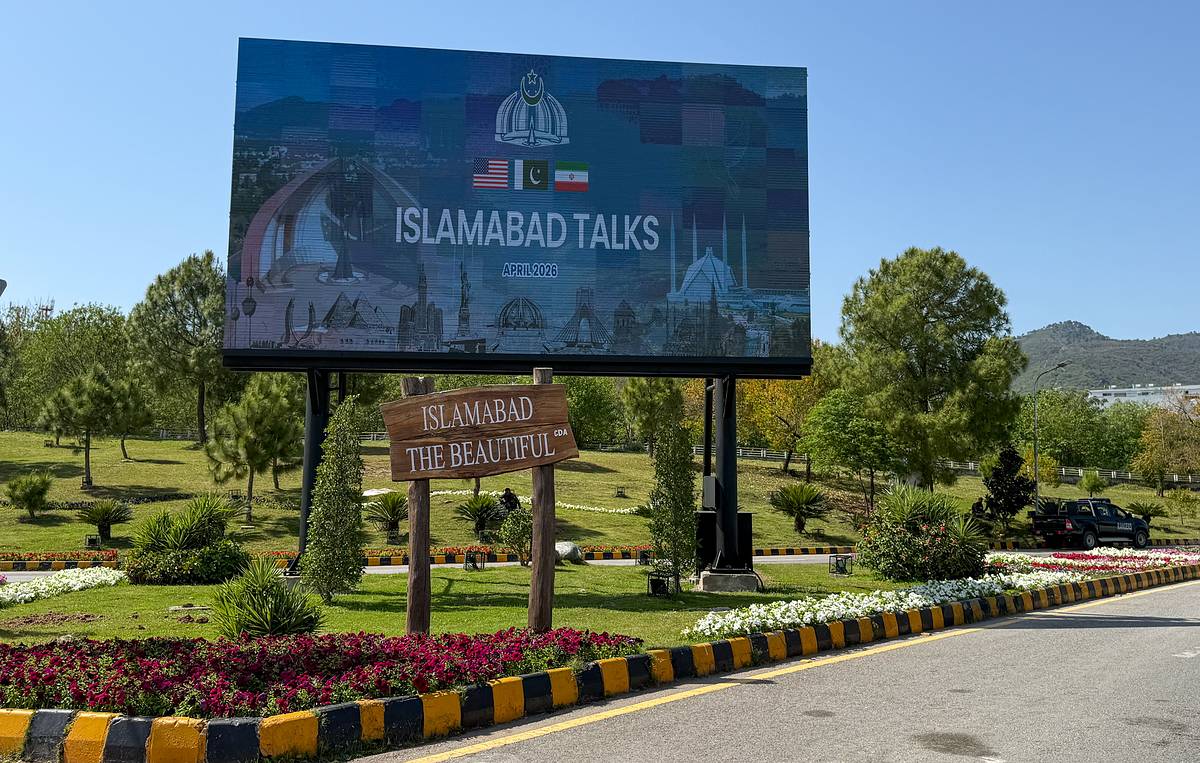
Doubts lingered for hours. Then, during the night of Friday, April 10, to Saturday, April 11, the Iranian negotiating team led by Mohammad Bagher Ghalibaf, the Parliament speaker, finally arrived in Islamabad, Pakistan's capital, where talks with the US were to begin with the aim of reaching an agreement to end the war between the two sides.
The Iranian delegation also included Foreign Minister Abbas Araghchi, Defense Council secretary Ali Akbar Ahmadian, Central Bank governor Abdolnaser Hemmati, and several members of parliament.
Just hours before departure, the dominant voice in Tehran was that of Mohammad Bagher Ghalibaf. This influential figure, who built his career in the Revolutionary Guard Corps and is now at the heart of Iranian power, turned up the pressure on Washington on the eve of the talks. "Two of the measures mutually agreed upon between the parties have yet to be implemented: a ceasefire in Lebanon and the release of Iran’s blocked assets prior to the commencement of negotiations. These two matters must be fulfilled before negotiations begin," he wrote on X.