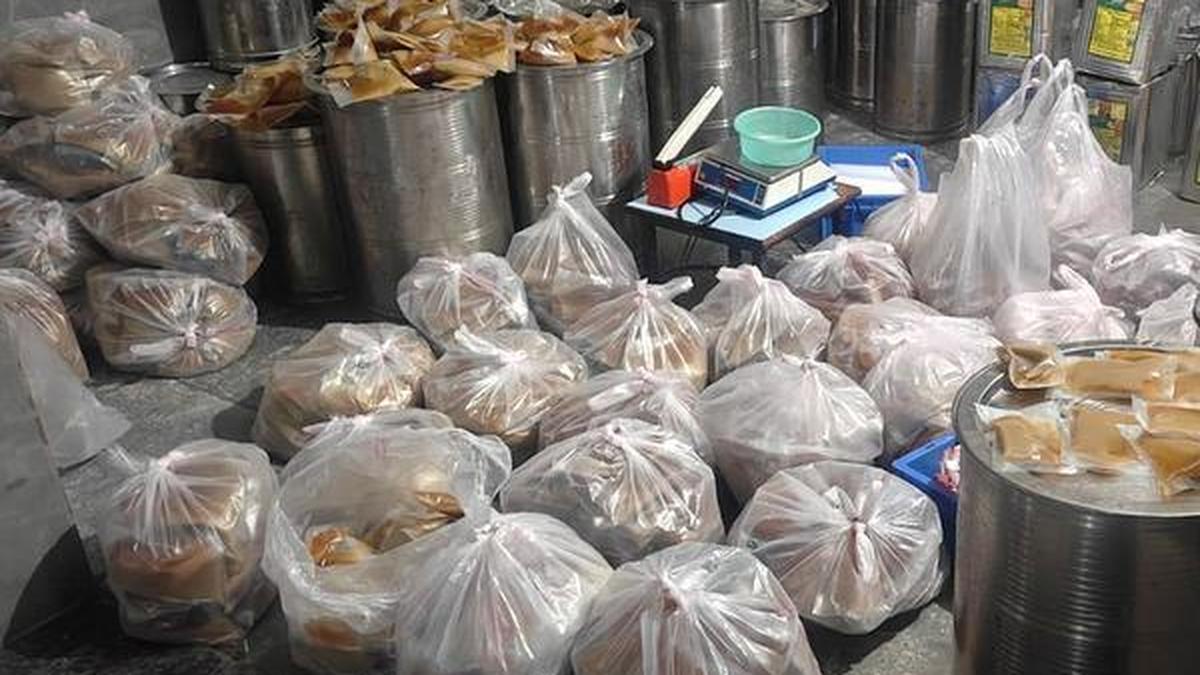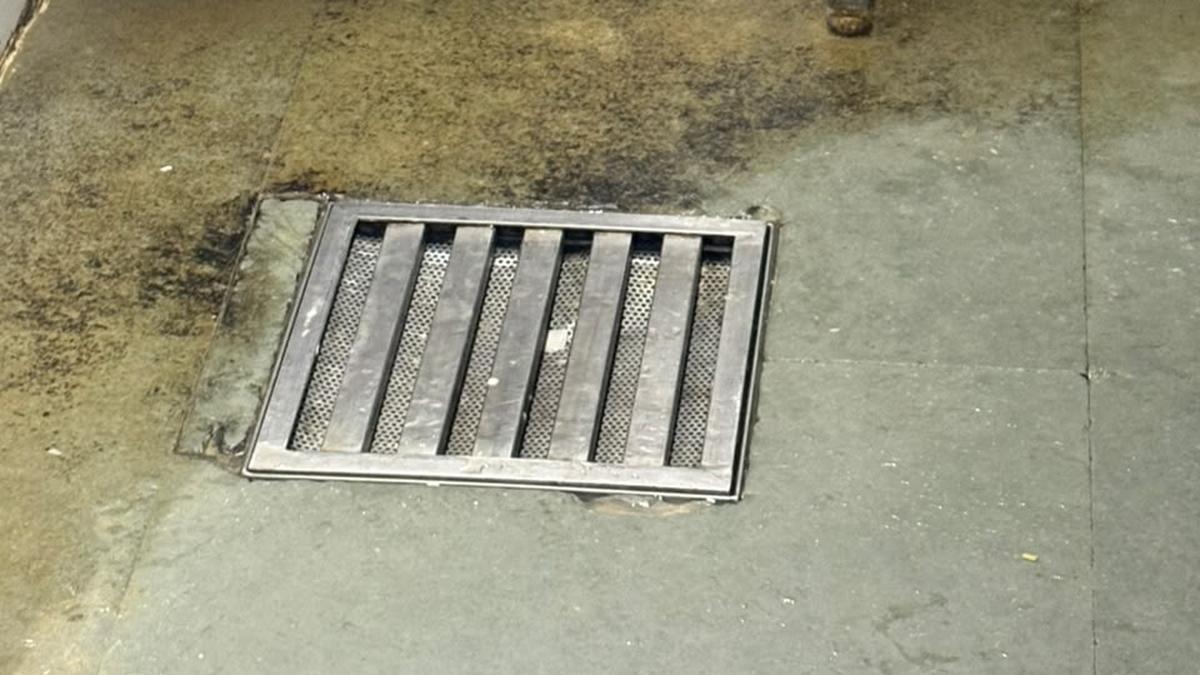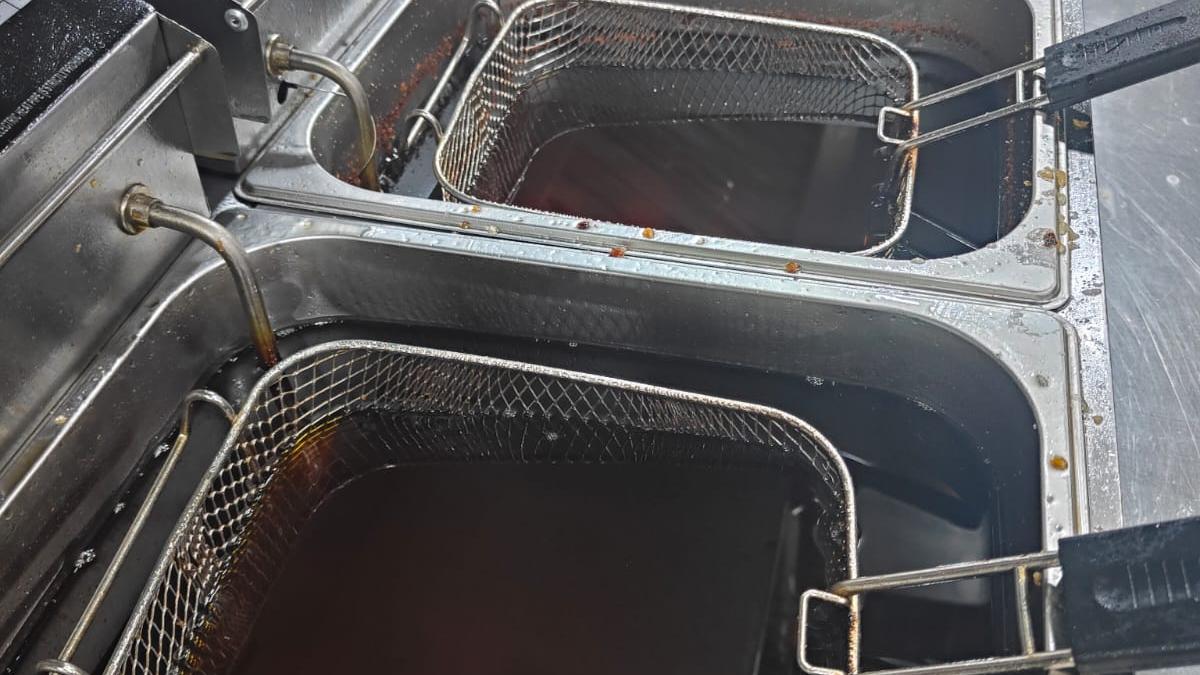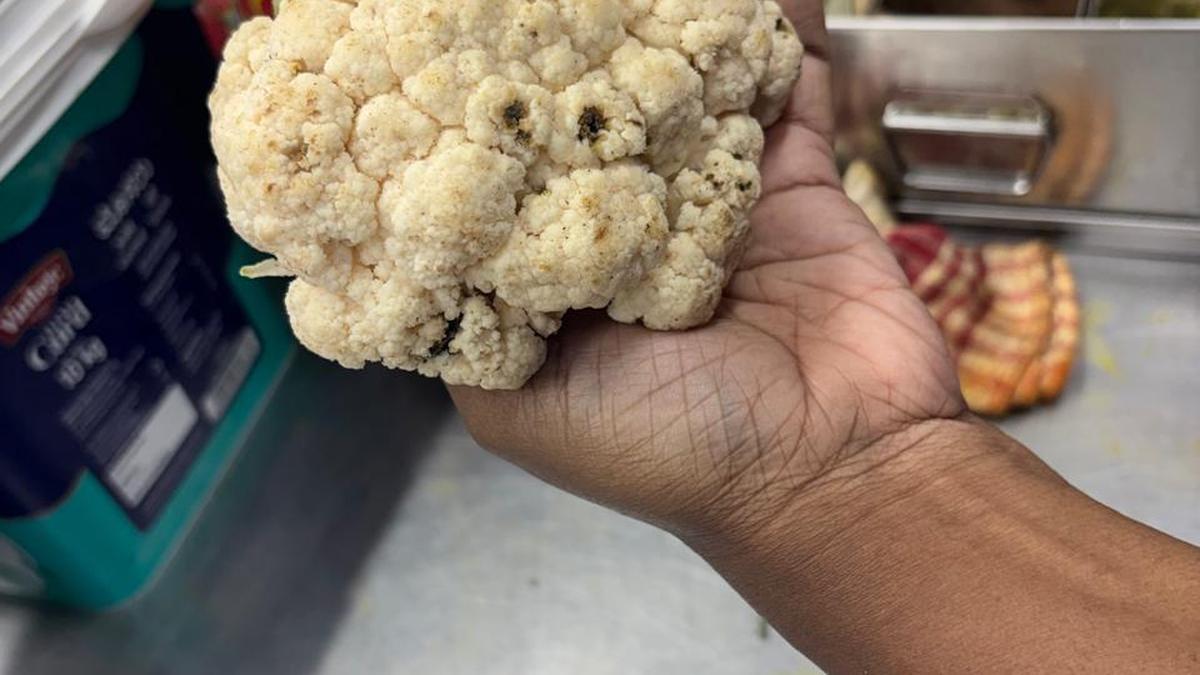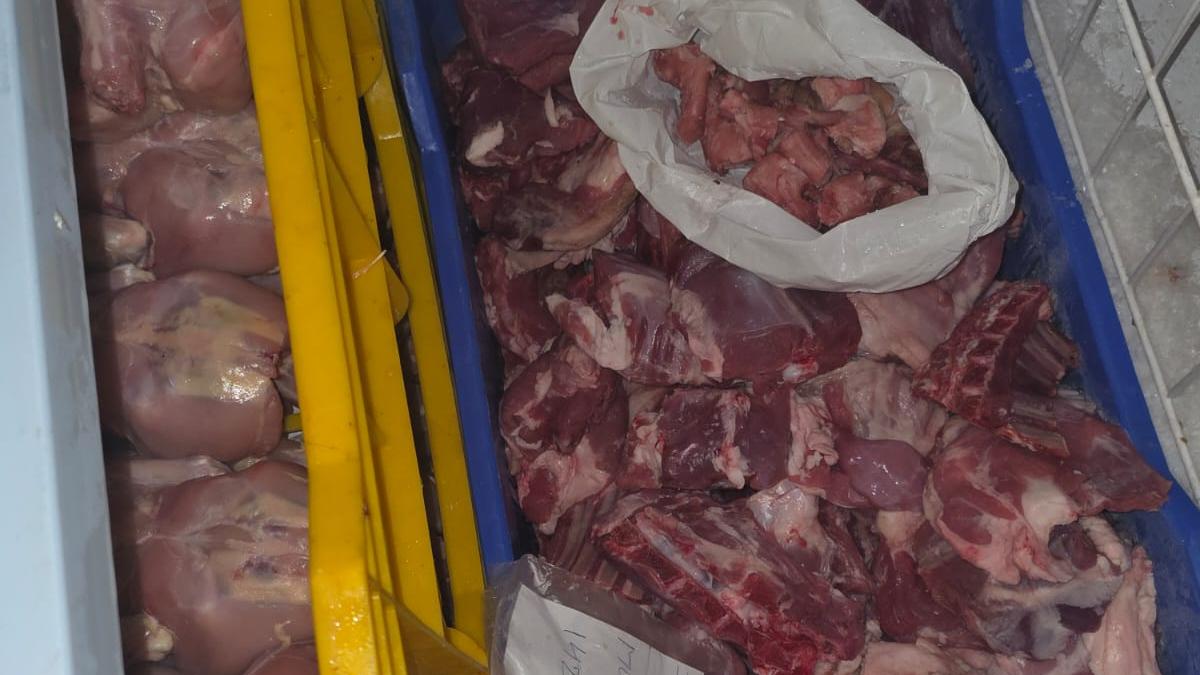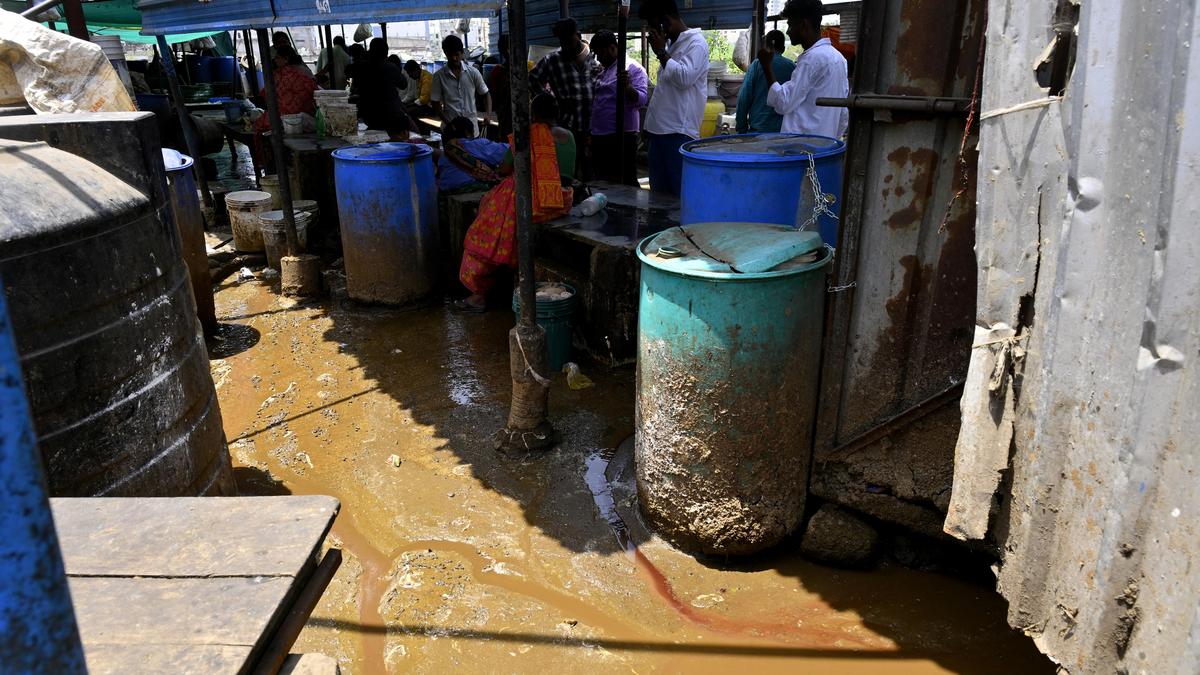
Thak, thak, thak. The first thing that hits you is the sound. The early-morning summer sunlight slants into the hunks of meat as Rahul lifts a three-pound iron cleaver and brings it down with practised precision, reducing ‘medium’ cuts into ‘small’ ones at the slaughterhouse in Hyderabad’s Jiyaguda.Around him, life unfolds in familiar chaos. Men and women in gumboots and rubber slippers sip chai, rinse their hands, sort meat. Buyers haggle, cleaners scrub, traders shout instructions. Some move about in clothes stained with blood and flesh, unfazed, immersed in routine.“Today it is clean. There is no smell, as we reopened today,” says Prasad Nethikar, who has been in the trade for three decades at the same spot. “We were closed for eight days and lost money. But now we are back,” he adds.Just hours earlier, the gates of this very slaughterhouse had been forced open. A Telangana legislator, accompanied by traders, had broken the seal and led a dramatic entry into a facility that civic authorities had declared unhygienic and polluting. The premises had been shut on April 2, citing traffic congestion, hygiene issues and other violations.Between that act of defiance and the conditions inside lies the larger, messier story of Hyderabad’s escalating battle over food safety.For decades, food regulation in the city rested largely with civic authorities. That balance is now shifting. The Telangana government has brought in the police, signalling that the problem has outgrown routine enforcement.The results have been jarring. Photographs and videos released by officials show raids on warehouses stocked with fake paneer, adulterated ginger-garlic paste, chemically treated tea powder, spoiled eggs and tonnes of decomposing offal. The visuals are stark, unsettling and difficult to ignore. For many residents, however, the crisis begins much closer to home.For 36-year-old M. Priyadarshini, it started with a walk to her neighbourhood kirana store in Mailardevpally to pick up treats for her elder son’s sixth birthday. She picked up a colourful cake, some brightly glazed donuts and a handful of snacks which were on discount.By the next morning, the celebration had given way to discomfort. One after another, family members began complaining of stomachache. What seemed like a harmless indulgence quickly turned into suspicion about what they had eaten the night before.Her complaint led police to a cramped unit in Katedan. Inside, officers found cakes and donuts being prepared using rotten eggs and chemical additives, in conditions far removed from what consumers imagine while picking up bakery items from a shelf.In another part of the city, V. Rishab was nudged towards a stack of ginger-garlic paste sachets while waiting at his regular chicken shop on a Sunday. Those were part of a buy-one-get-one-free deal placed conveniently beside the weighing scale. Pressed for time and reassured by familiarity, he decided to buy a few sachets. It was only later, at home, that doubt crept in. There was no brand name, no manufacturing date, no ingredient list.He decided to file a complaint, triggering a series of raids across Tappachabutra, Borabanda and other parts of Hyderabad. Police uncovered small manufacturing units producing ginger-garlic paste using synthetic colours and additives, packed in unhygienic conditions and supplied widely to local shops.Safeguarding food businessHyderabad’s food economy has expanded rapidly alongside India’s broader economic growth. Cloud kitchens, food delivery apps and a growing network of intermediaries have transformed how food is produced and consumed. According to an industry estimate, the city has nearly 80,000 restaurants.Add to this hundreds of hostels and paying-guest accommodations, and the scale becomes staggering. Lakhs depend daily on food that passes through multiple hands before reaching their plate.This ecosystem also sustains lakhs of workers drawn from across the country. Ensuring food safety, in such a system, is no longer optional. It is essential, and increasingly complex.The first public indication of a tougher approach came in December 2025, during the annual police briefing by Hyderabad Police Commissioner V.C. Sajjanar. Three months later, on March 19, the Hyderabad Food Adulteration Surveillance Team (H-FAST) was formally launched. The impact was immediate.In March alone, 61 cases of food adulteration were registered in the Hyderabad commissionerate. Authorities seized 15 tonnes of adulterated food products and arrested 64 persons. The first week of April saw continued crackdowns, with more seizures of unsafe food items.On March 30, Chief Minister A. Revanth Reddy outlined plans for a dedicated enforcement authority on the lines of Hyderabad Disaster Response and Asset Protection Agency or HYDRAA (for land protection) and EAGLE (for narcotics control), underlining the urgency of cleaning up the food business.Meanwhile, H-FAST’s helpline — 8712661212 — has been constantly ringing.Complaints on the riseWith growing awareness, the number of complaints has surged. Police now receive between 50 and 60 calls a day. Nearly 30-40% of raids are directly linked to citizen inputs.The complaints range from missing labels and expired products to suspicious pricing and health issues after consumption. In some cases, residents have reported foul smells from suspected manufacturing units. Occasionally, rival businesses tip off authorities, though officers say even those leads often prove useful.According to DCP (Task Force) Vaibhav Gaikwad, misbranding is rampant. Ice cream, for instance, must contain milk fat. If vegetable oils like palm oil are used, the product must be labelled ‘frozen dessert’, but many continue to be sold simply as ice cream.Similarly, cheaper paneer made using vegetable fat should be labelled as a non-dairy product or cheese analogue. Instead, it is often sold loose, without packaging or disclosure.In the non-vegetarian segment, improper storage is another concern. Meat that should be cleaned, processed and stored at temperatures between -18°C and -40°C is often kept at higher temperatures, without proper cleaning or licensing, increasing the risk of contamination. This also points to gaps in the cold chain or the uninterrupted system of refrigeration needed to keep perishable food safe, from production to sale. Even brief breaks in this chain can accelerate bacterial growth and compromise food quality.
Bid to clean up a rotten trail in Hyderabad’s thriving food scene
Hyderabad's food scene faces a crackdown on adulteration and unsafe practices, aiming to restore consumer trust and safety.
1,681 words~8 min read