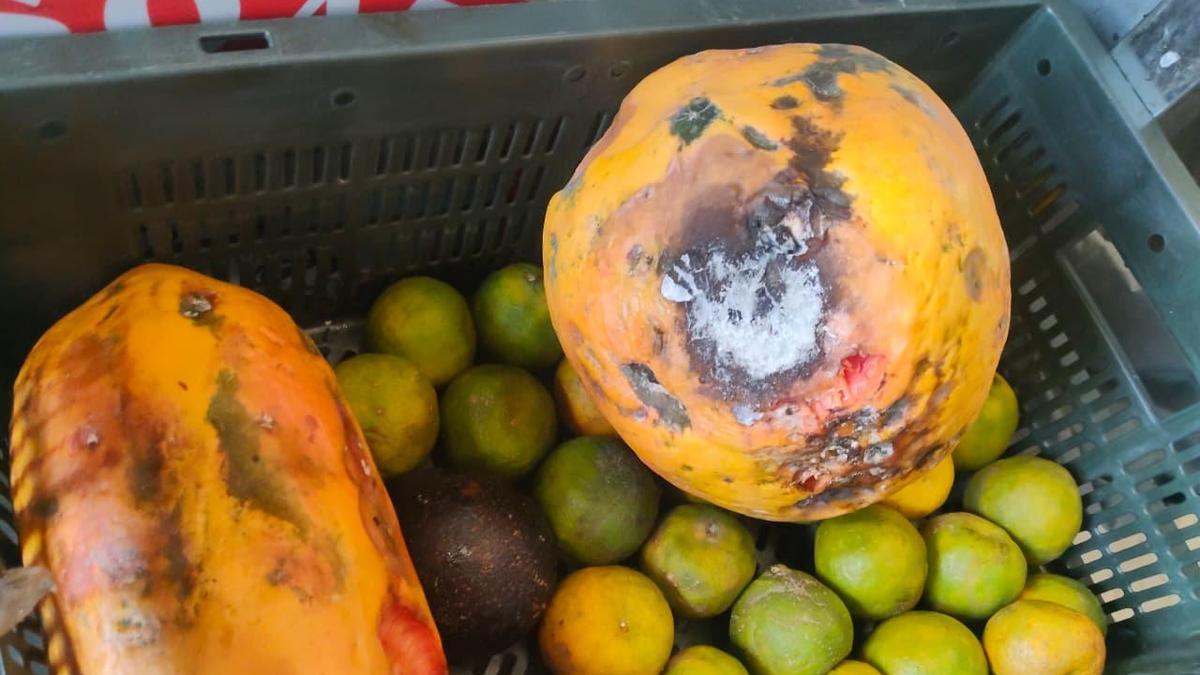
Visitors at the ‘Eat Right Mela’ held at Nature Cure Hospital in Hyderabad on Monday (April 6, 2026) were drawn to two interactive stalls set up by the Telangana Food Safety Department, where officials demonstrated how common food items are often adulterated and how consumers can detect them using simple methods.
The stalls focused on two major areas of concern: the use of artificial colours in food and adulteration of milk and dairy products.
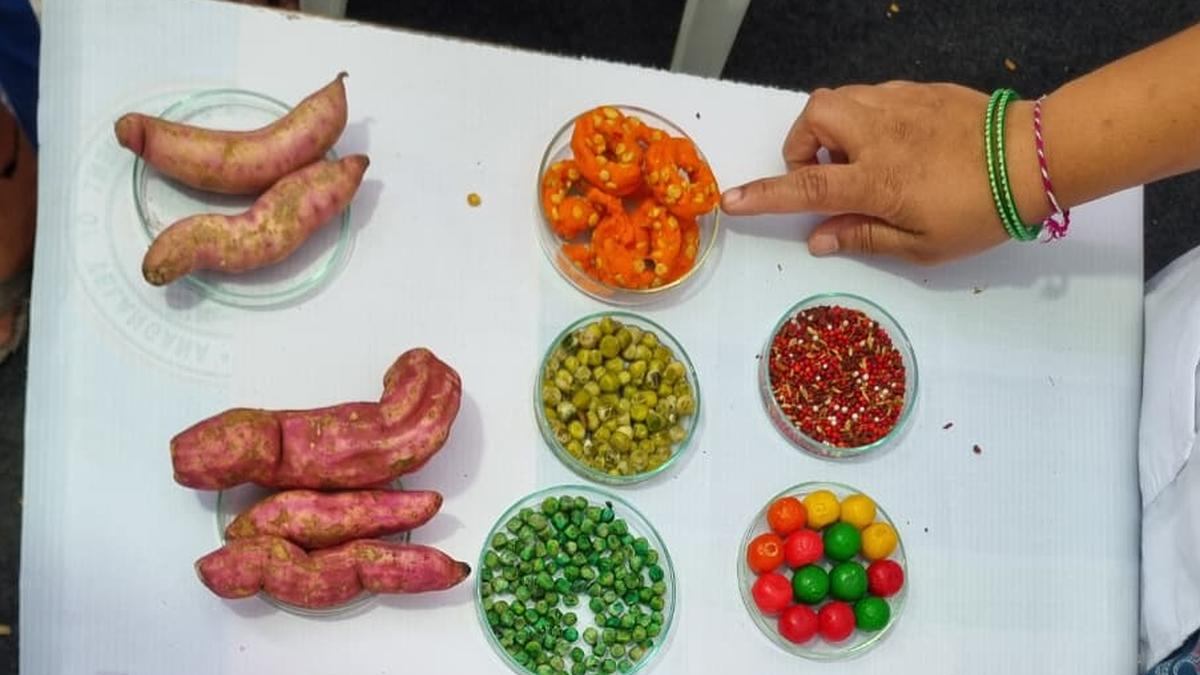
At the stall showcasing artificially coloured food items, a variety of commonly consumed products were displayed, including sweet potatoes with unnaturally bright skin, vividly coloured dried kiwi slices, green peas, fennel seeds (saunf), and multi-coloured confectionery items. The display highlighted how excessive and non-permitted colouring agents are used to enhance visual appeal and mislead consumers.
Detecting adulteration through visual inspection
Officials from the Telangana State Food Testing Laboratory in Nacharam, the only food testing facility in the State, explained that while laboratory testing involves chemical reagents and precise analysis, consumers can detect adulteration of some food items through careful visual inspection. Items with overly bright, uniform or unnatural colours, such as fluorescent green peas or intensely orange slices, may indicate the use of synthetic dyes. In some cases, colour may also rub off when touched or washed, serving as a clear warning sign, they explained.